

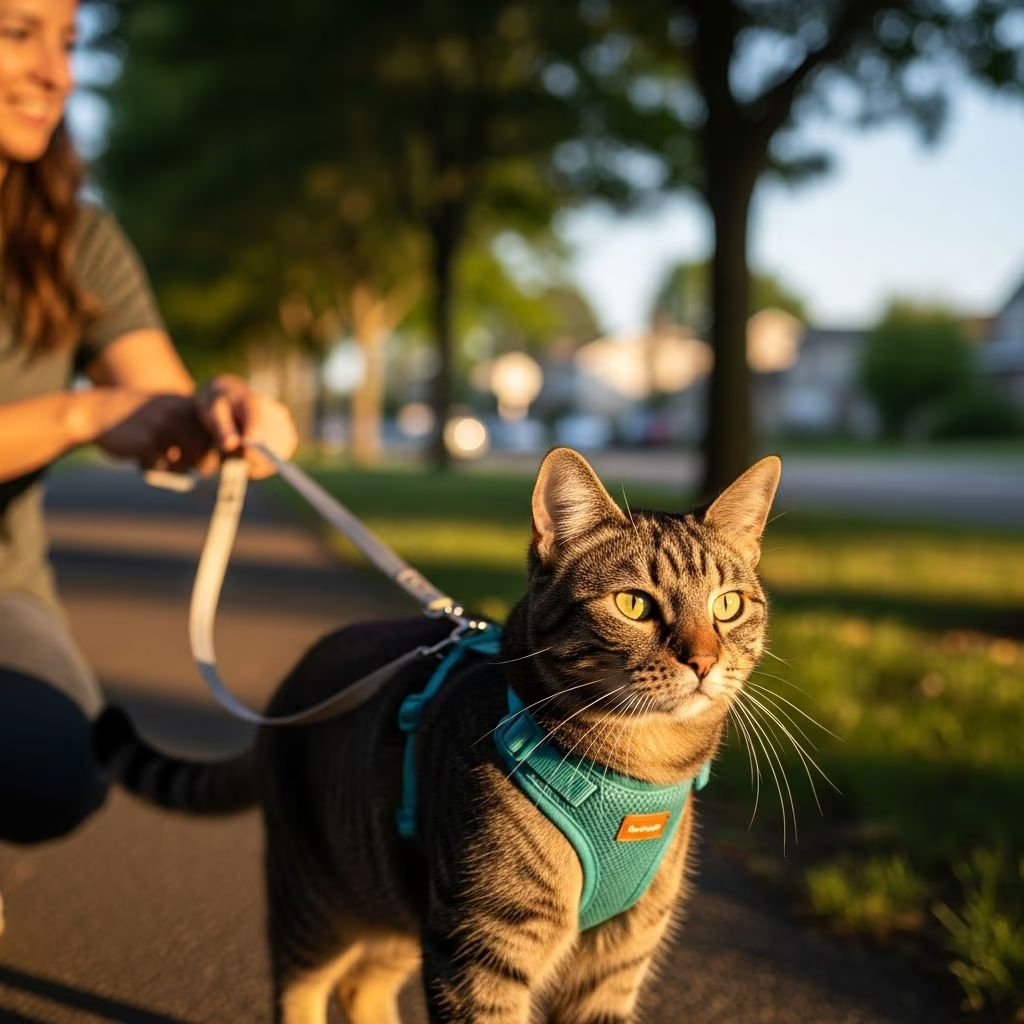
How to Walk Your Cat on a Leash: A Complete Guide
Many cat owners assume their feline companions must remain indoors, but leash training opens a world of outdoor exploration and enrichment for cats. Walking your cat on a leash provides mental stimulation, physical exercise, and sensory experiences that can significantly improve your cat’s overall well-being. Unlike dogs, cats require a different approach to leash training—one that respects their independent nature and allows them to explore at their own pace. This comprehensive guide will walk you through every step of the leash training process, from selecting the right equipment to enjoying safe outdoor adventures with your feline friend.
Is Your Cat Ready for Leash Training?
Before beginning the leash training process, consider whether your cat is a good candidate. Cats of all ages can learn to walk on a leash, though younger cats may adapt more quickly. Indoor cats benefit tremendously from outdoor exploration, while already-outdoor cats can enjoy safer, supervised outdoor time. However, some cats may have temperaments that make leash training challenging—extremely anxious, aggressive, or highly fearful cats might not be suitable candidates.
Take time to observe your cat’s personality. Curious, playful cats who enjoy human interaction typically adapt well to leash training. Even cautious cats can eventually learn, though the process may take longer. The key is patience and understanding your individual cat’s needs and comfort level.
Choosing the Right Equipment
The Importance of a Proper Harness
The foundation of safe leash training starts with a well-fitting harness. This cannot be overstated: never use a neck collar alone for leash walking. While collars are appropriate for ID tags and phone numbers, they pose serious risks during leash walks. A cat can easily slip out of a collar or potentially choke itself if it suddenly darts away.
A proper harness distributes pressure evenly across your cat’s body, preventing escape and ensuring safety. The leash attachment should be positioned at the back of the harness for optimal control and comfort.
Finding the Perfect Fit
Selecting the right harness requires careful measurement and testing. Different harnesses fit differently, so if possible, try several options before committing. Measure your cat’s chest and neck according to the manufacturer’s guidelines. The harness should be snug enough that your cat cannot slip out—a good test is sliding a finger under the straps when fastened. However, it should never be so tight that it restricts movement or causes discomfort.
Common harness styles include:
– Figure-eight harnesses that wrap around the chest and back- Vest-style harnesses that provide full-body coverage- H-harnesses with dual attachment points
Each style offers different benefits, so choose based on your cat’s body type and your comfort level with application.
Selecting an Appropriate Leash
Choose a basic 6-foot leash for leash training and outdoor walking. This length provides adequate control and prevents your cat from straying too far while allowing reasonable freedom to explore. A 6-foot leash gives you easy access to quickly pick up your cat if necessary and doesn’t tangle as easily as longer options.
The Harness Training Process
Step 1: Familiarization Without Wearing
Begin by introducing the harness without attempting to put it on. Place the harness next to your cat’s food bowl, near their favorite sleeping area, or during playtime. This allows your cat to investigate and become comfortable with the harness at their own pace. You can enhance this process by spraying the harness with Feliway (a calming pheromone spray) or placing treats and catnip on it. This positive association helps your cat view the harness as something enjoyable rather than threatening.
Leave the harness accessible for several days, allowing your cat to discover it naturally. Don’t force interaction—let curiosity guide the process. This gradual introduction reduces anxiety and builds positive associations.
Step 2: Initial Harness Placement
Once your cat shows interest in the harness, gently lay it against their body and immediately reward them with treats, toys, or praise for staying calm. If your cat remains relaxed, proceed to fastening the straps and buckles, continuing to reward generously throughout the process. Do not attempt to achieve a perfect fit immediately; focus on keeping your cat calm and positive.
Always remove the harness while your cat is still calm and comfortable. This prevents them from associating harness removal with stress or fear. Ending on a positive note encourages cooperation in future sessions.
Step 3: Gradual Wearing Duration
Place the harness on your cat for just a few seconds, then remove it immediately while rewarding. Repeat this process, adding a few seconds each time your cat wears it, until they’re comfortable keeping it on for extended periods. This incremental approach prevents overwhelming your cat and builds confidence gradually.
During this phase, engage your cat with play, treats, and attention while wearing the harness. You might play with a toy, make a treat trail across the room, or call their name and lead them with a tube treat to encourage movement. The goal is making harness-wearing feel normal and enjoyable.
Step 4: Extended Indoor Practice
Continue increasing harness-wearing time until your cat can comfortably wear it for at least 10 minutes, and ideally closer to 30 minutes. During this extended practice, use treats and vocal commands to encourage your cat to move around your living space. If your cat displays any resistance, gently tug on the leash while remaining calm and encouraging. Never force your cat; instead, let them set the pace of exploration.
Watch your cat’s body language throughout this process. Relaxed posture, normal tail carriage, and engagement with their environment indicate readiness to progress. Hiding, excessive panting, or freezing suggests you should slow down and spend more time with the current step.
Leash Training Indoors
Introduction to the Leash
Just as you did with the harness, introduce the leash gradually. Lay it on the floor and let your cat investigate and interact with it on their own terms. Toss treats around the leash so your cat associates it with positive rewards. Spend several sessions with this low-pressure introduction before attaching the leash to the harness.
First Leash Attachment
Attach the leash to your cat’s harness while remaining indoors. The key principle here is crucial: let your cat lead, not you. Follow your cat gently with a loose leash, allowing them to freely explore and do their own thing. Avoid tugging on the leash or trying to guide your cat in any direction. This cat-led approach respects their autonomy and builds positive associations with the leash.
Your body position matters significantly. Stand to the side and slightly behind your cat, maintaining a position that prevents forward tension on the leash. Forward tension makes it easier for your cat to slip out of the harness backward. By staying behind and to the side, you maintain proper control while allowing your cat freedom to explore.
Building Confidence with Movement
Once your cat is comfortable with the attached leash weight and feel, encourage movement through positive rewards. Create treat trails on the floor for your cat to follow. Use target sticks or finger targets if your cat is trained to follow them. Call your cat’s name and lure them around the living space with encouragement and praise.
If your cat resists or shows reluctance, return to previous steps. Never drag your cat or apply excessive pressure. Instead, reward any movement with treats and praise, building confidence gradually. Some cats may take weeks to reach this stage—patience is essential.
Practicing Cues Indoors
Begin teaching your cat to respond to “come” and other directional cues while indoors with the leash attached. Use treats and toys to lure your cat toward you, rewarding them when they respond. This foundation will prove invaluable during outdoor walks when quick response might be necessary for safety.
Keep indoor practice sessions short and positive, ending on a successful note. Multiple short sessions throughout the day prove more effective than one long session, which may overwhelm your cat.
Transitioning to Outdoor Walking
Choosing the Right Environment
When your cat demonstrates relaxed body language with the harness and dragging leash indoors, you’re ready for outdoor exploration. Begin with quiet times of day in low-activity areas. A peaceful backyard, garden, or quiet residential street offers ideal initial outdoor environments. Avoid busy areas with heavy foot traffic, loud noises, or numerous distractions until your cat develops confidence.
The First Outdoor Steps
Start by taking just a few steps outside from your door. This initial outing shouldn’t last more than a couple of minutes. Pay close attention to your cat’s body language—if they seem frightened or uncomfortable, return indoors immediately. Never let your cat pull back on the harness in an attempt to escape; instead, calmly bring them back inside to process the experience.
Your cat may initially freeze, hide, or move very little. This is normal. The outdoor environment contains overwhelming sensory input—new smells, sounds, sights, and textures. Allow your cat to acclimate gradually, standing calmly nearby while they adjust.
Gradual Radius Expansion
As your cat becomes comfortable with outdoor walking, gradually increase the distance and time spent outside. Never force your cat to venture further than they’re comfortable. Instead, let them lead the way, exploring and sniffing at their own pace. Allow your cat to freely explore and move at their own speed, especially initially when they’re discovering things independently.
Guide your cat gently using sideways pressure on the leash rather than pulling forward. Don’t let them get too far away, particularly if dense brush or other hazards are nearby. It’s especially important not to allow leashed cats to climb trees, as they can become tangled or injured.
Building Duration and Confidence
With each outing, your cat will display increasing confidence and curiosity. Gradually increase walking duration and explore new areas as your cat shows readiness. Some cats may progress to 20-30 minute walks, while others prefer shorter outings. Respect your individual cat’s preferences and energy levels.
Essential Safety Considerations
Proper Leash Handling Techniques
How you handle the leash is equally important as the equipment itself. Once the leash is attached, always maintain a position behind your cat to prevent forward tension that could cause harness escape. Make only gentle corrections with the leash, using calm redirection rather than forceful pulling.
Keep your cat at an appropriate distance from potential hazards. Watch for sudden movements, other animals, or environmental dangers. Be prepared to quickly pick up your cat if necessary—the 6-foot leash allows this accessibility.
Recognizing Stress Signals
Learn to read your cat’s body language and recognize stress signals. Flattened ears, puffed tail, excessive panting, or attempts to hide or escape indicate your cat is overwhelmed. In these situations, calmly bring your cat back indoors and allow them to decompress. Never force your cat to continue if they’re clearly distressed.
Health and Vaccination Considerations
Before beginning outdoor walks, ensure your cat is up-to-date on vaccinations and flea/tick prevention. Outdoor exposure carries increased risks of parasites and diseases. Consult with your veterinarian about appropriate preventative measures for your specific geographic location and outdoor environment.
Troubleshooting Common Challenges
Cat Refuses to Move
Some cats freeze or refuse to move when first introduced to the leash or outdoor environment. This is a fear response, not stubbornness. Never drag your cat or apply excessive pressure. Instead, return to previous training steps, spending more time building confidence. Reward any movement, no matter how small, with treats and praise.
Harness Escape Attempts
If your cat repeatedly attempts to slip out of the harness, the fit likely needs adjustment. Ensure the harness is snug but not uncomfortably tight. You should barely fit a finger under the straps when fastened. If the fit is correct but escape attempts continue, your cat may need more time to adjust to wearing the harness before progressing to leash walking.
Leash Lunging or Pulling
If your cat lunges or pulls on the leash, don’t respond by pulling back. Instead, stop moving and allow your cat to settle. When the leash is slack, reward with treats and resume walking. This teaches your cat that pulling doesn’t achieve the desired result, while calm walking does.
Frequently Asked Questions
Q: At what age can I start leash training my cat?
A: Kittens as young as 8-10 weeks can begin harness familiarization, though formal training typically starts around 12 weeks. Adult cats of any age can learn to leash walk; however, younger cats often adapt more quickly than seniors.
Q: How long does leash training typically take?
A: Timelines vary significantly by individual cat. Some cats may progress through all training steps within 2-3 weeks, while others require several months. Factors include age, temperament, prior socialization, and your consistency with training. Patience is essential.
Q: Can indoor-only cats learn to walk on a leash?
A: Yes, indoor-only cats can absolutely learn to leash walk. In fact, they often benefit most from outdoor exploration. The leash provides safe access to enrichment while protecting them from outdoor dangers like traffic and predators.
Q: What if my cat hates the harness?
A: Discomfort or improper fit often causes harness rejection. Verify the harness fits correctly and isn’t causing pain or restriction. If fit is appropriate, continue gradual familiarization with rewards. Some cats require weeks to accept harness-wearing; consistency and patience are crucial.
Q: Is leash training safe for cats?
A: Yes, leash training is safe when done properly with appropriate equipment and techniques. Always use a harness rather than a collar, maintain proper leash handling, supervise your cat during outdoor walks, and respect their comfort level throughout the process.
Q: Can senior cats learn to walk on a leash?
A: Senior cats can learn to leash walk, though the process may require more time and patience. Ensure your senior cat has medical clearance from their veterinarian before beginning, as joint issues or other age-related conditions may affect their ability or willingness to participate.
Making the Most of Your Outdoor Adventures
Once your cat has successfully learned to walk on a leash, you’ll discover numerous ways to enhance their quality of life. Regular outdoor exploration provides mental stimulation, physical exercise, and sensory enrichment that indoor environments alone cannot replicate. Your cat will experience new sights, sounds, and smells, which can reduce behavioral problems and improve overall well-being.
Maintain consistency with outdoor walks, building them into your regular routine. Even 15-20 minutes of outdoor time several times weekly provides significant benefits. Protect your cat from seasonal hazards—extreme heat, cold, or severe weather warrants staying indoors. Always remain present and attentive during walks, ensuring your cat’s safety.
Leash training represents an investment in your cat’s happiness and well-being. While the process requires patience and consistency, the rewards—a happier, more enriched feline companion—make the effort worthwhile.
References
- How to Leash Train a Cat — PetMD. 2024. https://www.petmd.com/cat/behavior/how-to-leash-train-cat
- Walking a Cat: Step-by-Step Guide — Tails & Tips. 2023. https://lizskittybootcamp.com/2023/11/28/walking-cat/
- Train Your Cat to Walk on a Leash: 9-Step Tutorial — KittyCatGO. 2023. https://www.youtube.com/watch?v=c_r3hNK680g
- How to take your cat for a walk — Happy Cats Haven. https://happycatshaven.org/resource/walk-your-cat/
- How To Walk Your Cat On A Leash (Cat-led Training) — YouTube. 2025. https://www.youtube.com/watch?v=ifJcXgoK3g8
- Leash training your cat — Wisconsin Humane Society. https://www.wihumane.org/behavior/ask-the-experts/cat-behavior/leashing-your-cat
- Should You Leash Walk Your Cat? Ask the Cat Daddy — Jackson Galaxy. https://www.jacksongalaxy.com/blogs/news/should-you-leash-walk-your-cat-ask-the-cat-daddy



