

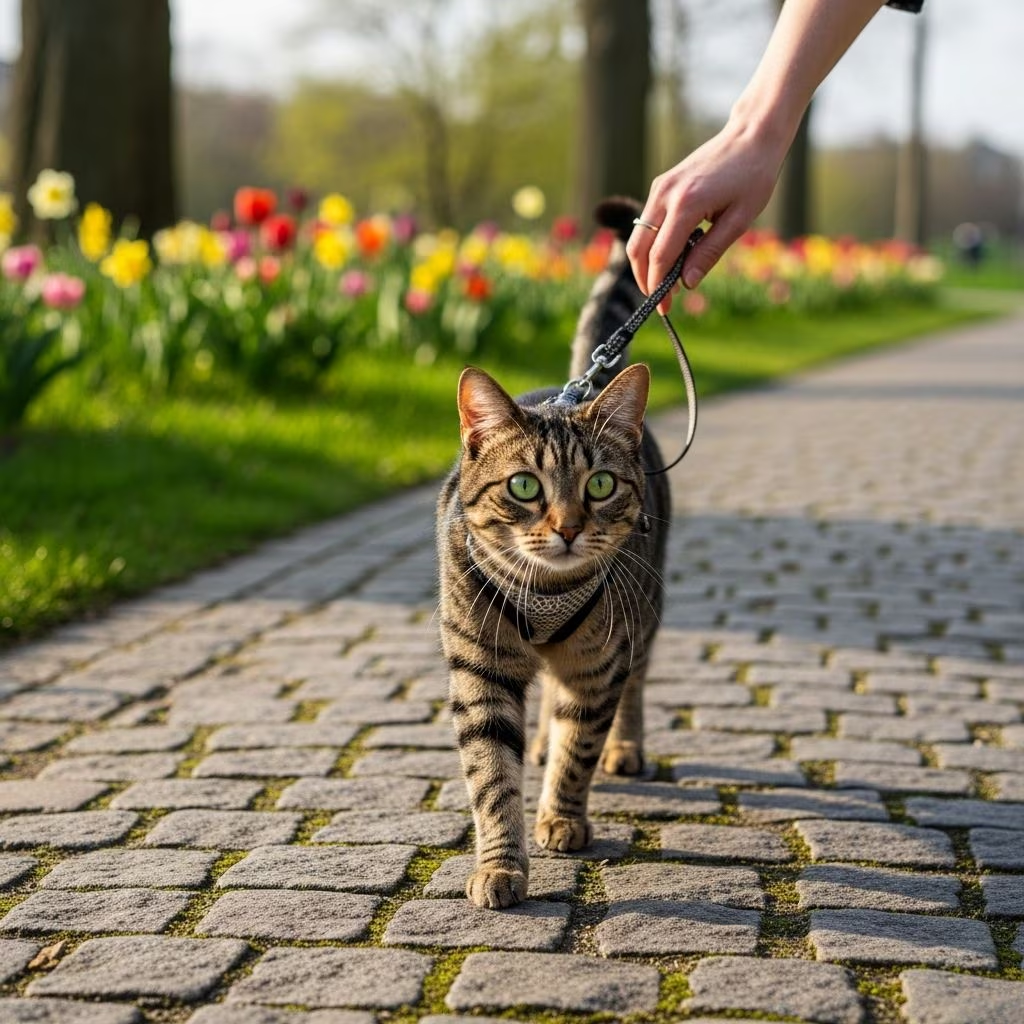
Walking a cat might sound unconventional, but for many cat owners, it’s a gateway to enriching their pet’s life with fresh air, exercise, and new stimuli. While not every cat will embrace the leash, those with curious personalities can thrive as “adventure cats,” exploring backyards, neighborhoods, or even hiking trails under supervision. This comprehensive guide draws from expert advice to help you assess your cat’s readiness, master harness training, select gear, and troubleshoot common challenges, ensuring safe and enjoyable outings.
Can Any Cat Be an Adventure Cat?
Not every cat is destined for Instagram fame as an #adventurecat trekking through deserts or mountains, but many can enjoy gentle outdoor time. It largely depends on your cat’s personality. Curious, confident cats like Pippi, rescued from Oregon woods, naturally crave exploration and adapt quickly to harnesses for backyard strolls or neighborhood walks. In contrast, timid or indoor-preferring cats may resist, and forcing them can cause stress—better to respect their preferences.
Adventure doesn’t require epic hikes. For some, it’s sniffing backyard grass or watching birds from a secure spot. Assess your cat: Do they dash to the door (“door-dashers”) or linger curiously by open windows? Door-dashers show interest but need training to prevent escapes. Experts emphasize following your cat’s lead—positive enthusiasm is key, not projection of human desires.
- Signs your cat might love walks: Restlessness indoors, interest in windows/doors, bold exploration at home.
- Signs to reconsider: Hiding from new objects, stress around strangers/noise, preference for quiet solitude.
Cat behaviorists note that only a small minority—typically confident, kitten-trained cats in quiet areas—genuinely enjoy leashes. Most respond with flight, fight, or fidget (grooming, lip-licking) under stress. Start small to gauge fit.
Step-by-Step Guide to Harness Training Your Cat
Harness training transforms house cats into explorers. Follow this gradual process from “Adventure Cats” author Laura Moss for success.
1. Assess Comfort Level
Open the front door and observe: Does your cat bolt or stay put? Door-dashers shouldn’t be rewarded with free access—carry them out instead to build safe habits. Watch body language: relaxed ears/tail mean readiness; flattened ears signal stop.
2. Introduce Leash and Harness
Leave the harness nearby for sniffing. Make familiar sounds: open/close velcro, clip/unclip leash. Use treats to associate positively. Avoid rushing—cats hate constriction, so patience prevents aversion.
3. Practice Wearing the Harness
Put it on for minutes daily, increasing time. Let them move freely indoors. Reward calm behavior. If they freeze, distract with toys/treats. Goal: comfortable house-walking before outdoors.
4. Indoor Leash Practice
Attach leash loosely. Follow their lead—no pulling. Practice recall with clicker training and name response. Provide safe retreats like crates for overwhelm.
5. First Outdoor Steps
Start in safe spots: balcony, backyard. Short sessions (5-10 minutes). Progress to block strolls or parks on loose leash. Never drag—abort if stressed.
Pro tip: Clicker-train for commands. Have recent photos, trackers, or microchips ready for escapes.
Best Gear for Walking Your Cat
Quality gear ensures safety and comfort. Prioritize escape-proof harnesses (H-shape over vest for security).
| Gear Item | Purpose | Recommendations |
|---|---|---|
| Harness | Secure fit without neck pressure | Adjustable H-style; test for escape-proofing |
| Leash | 4-6 ft for control without restriction | Bungee or lightweight nylon |
| Backpack Carrier | Carry tired cats; fits water/treats | Mesh with viewing windows; multiple sizes |
| Essentials | Health/safety | Flea/tick meds, portable bowl, treats, poop bags, jacket (winter) |
Treats motivate food-driven cats like Teddy. Backpacks shine on hikes—carry when they tire, store gear. ID tags and trackers add security.
Tips for Successful Cat Walks
Adapt to your cat’s style—some lead, others follow slowly.
- Park mode: Let them explore freely; follow patiently.
- Trail mode: Guide gently, call ahead. Use backpack if stalled.
- Build recall: Clicker + treats reinforce name response.
- Weather-wise: Short walks in cool times; jackets for chill.
- Social media inspo: Follow @catexplorer.community or @cat.school for tips.
Quiet areas minimize dog/traffic stress. Supervise always—no unattended leashes.
Safety First: Risks and Precautions
Walking isn’t risk-free. Cats’ flight instinct can lead to harness slips or panic near threats. Behaviorists warn leads may heighten stress via restricted flight, causing fidget/fight responses.
- Precautions: Escape-proof gear, microchip, trackers. Scout areas sans dogs/traffic.
- Alternatives: Catio (enclosed patio), supervised gardens, window perches for low-risk enrichment.
Monitor for stress: Tail thrashing, hiding, dilated pupils—end session immediately.
Benefits of Walking Your Cat
Beyond fun, walks combat obesity, reduce boredom, boost mental health. Indoor cats gain exercise equivalent to roaming, with bonding bonuses. Confident cats build resilience; even short outings stimulate senses.
Frequently Asked Questions (FAQs)
Q: How long does harness training take?
A: 1-4 weeks, depending on cat. Gradual daily sessions yield best results. Patience prevents setbacks.
Q: What if my cat hates the harness?
A: Stop and reassess. Not all cats suit walks—opt for catios or indoor enrichment instead.
Q: Can kittens learn to walk on a leash?
A: Yes, easier with positive exposure from young age in quiet homes.
Q: Is walking safe in urban areas?
A: Possible with precautions, but rural/quiet spots ideal to avoid stressors.
Q: How often should we walk?
A: 2-4 times weekly, 15-30 minutes. Adjust for weather/cat energy.
Alternatives to Leash Walking
If leashes flop, try:
- Catio: Enclosed balcony/patio for safe air and views.
- Supervised garden: Build recall; stay vigilant.
- Window perch: Birdwatching stimulation.
- Interactive toys: Indoor adventure simulation.
These match natural behaviors without risks.
References
- How to Turn a House Cat Into an Adventure Cat — Kinship. 2023. https://www.kinship.com/cat-lifestyle/how-to-walk-a-cat
- How to Walk Your Cat on a Leash | Harness Training a Cat — Kinship. 2023. https://www.kinship.com/cat-lifestyle/harness-training-a-cat
- I’m a Cat Behaviourist and I’d Never Walk My Cat on a Lead — Kinship UK. 2023. https://www.kinship.com/uk/cat-lifestyle/cat-harness-lead-dangers



