

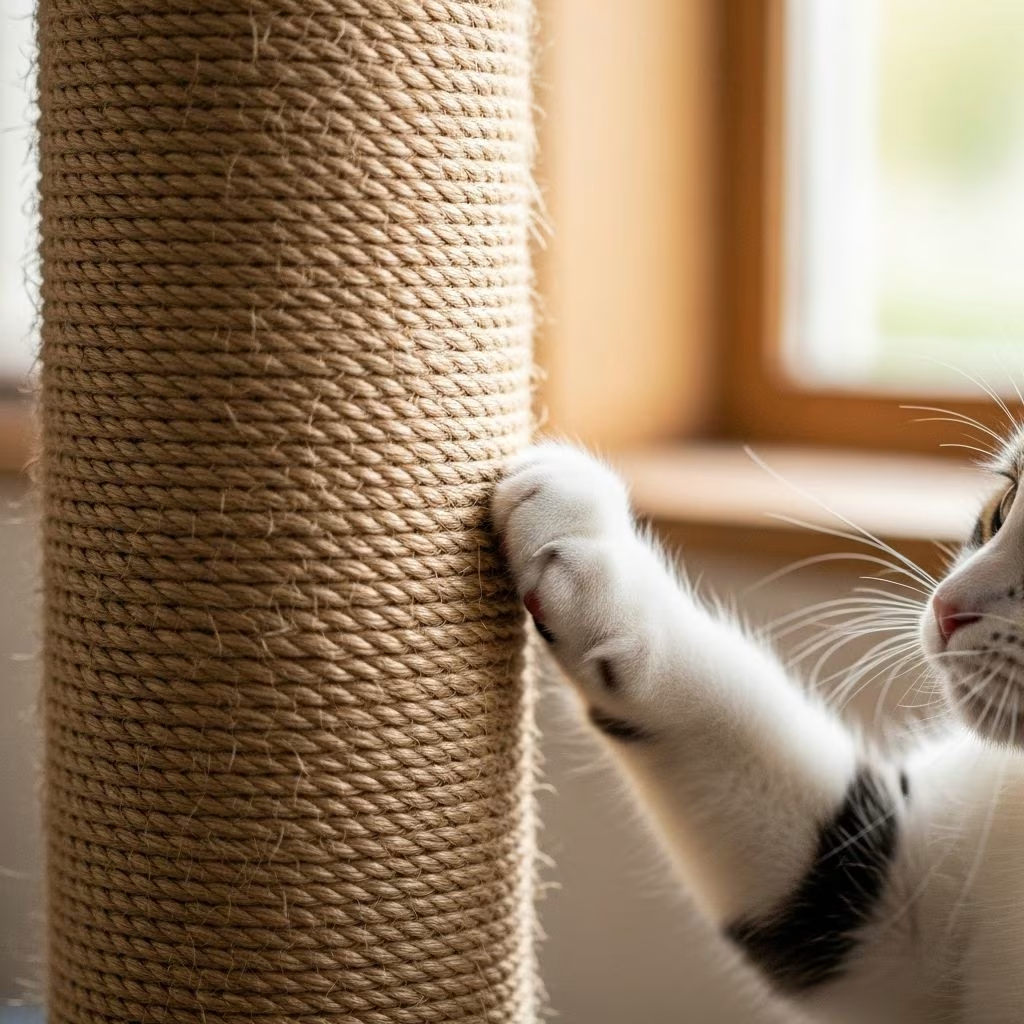
Sisal rope stands out as the top choice for cat scratching posts due to its natural texture and durability, making it perfect for cat trees and climbing structures. Homeowners can buy it separately to craft custom posts or refresh existing ones, ensuring cats have a satisfying outlet for their instincts.
The 3 Things to Know When Using Sisal Rope for Cat Trees
Success with sisal rope on cat trees hinges on understanding rope types, precise replacement techniques, and timely maintenance. These elements ensure safety, longevity, and appeal to your cat’s scratching behavior.
1. Types of Sisal Rope
All sisal rope derives from the Agave sisalana plant, a natural fiber that’s biodegradable, strong, and textured ideally for cats. While material consistency is uniform, diameter variations impact usability and coverage.
Opt for thinner ropes between ¼ to 3/8 inches (6-10mm) for easier handling and tighter wraps. Thinner options require more length but endure heavier use longer, balancing upfront cost with durability.
- Advantages of thinner rope (¼ inch): Flexible wrapping, less bulk, prolonged lifespan under scratching.
- Thicker rope (3/8 inch+): Faster coverage per foot but harder to secure tightly; suitable if cats prefer broader surfaces.
To calculate needs for a 3/8-inch rope: Circumference of post × height (in inches) × 2.67. Always buy 10-20% extra for errors or future touch-ups.
Sisal’s coarse texture mimics tree bark, aiding claw shedding for health; its subtle scent akin to catnip boosts attraction. It’s non-toxic, eco-friendly, and resists fraying better than alternatives.
2. The 4 Steps to Replacing Sisal Rope
Replacing worn sisal revives cat trees efficiently. Follow these steps for a secure, gap-free installation that withstands vigorous scratching.
- Remove the Damaged Rope: Pull off frayed sections; use scissors or pliers for staples. Discard old rope—no need for preservation.
- Prepare the Post: Clean the surface thoroughly. Sand lightly if needed for smoothness, ensuring a glue-friendly base.
- Attach the New Sisal: Start at the base with a staple or dab of hot glue (cat-safe, quick-set). Wrap spirally upward, pulling taut without overlaps or gaps to prevent nail snags. Use non-toxic wood glue or hot glue along seams; avoid sole reliance on staples.
- Secure the End: At the top, cut excess, glue/staple firmly. Trim loose fibers immediately.
Pro tip: Work in sections for large posts. Test tension—rope should feel firm but not stretched to breaking.
3. When to Replace Sisal Rope
Monitor for excessive fraying, loose loops, or tears, typically every 6-18 months depending on cat activity and rope quality. Proactive replacement prevents accidents like entanglement.
- Inspect monthly: Snip hanging strands promptly.
- Full swap if core wood exposes or cat ignores the post.
High-use households (multi-cat) lean toward 6 months; lighter use extends to 18. Sisal outlasts carpet or cardboard, proving cost-effective long-term.
Why Choose Sisal Rope for Cat Trees?
Beyond basics, sisal excels in durability, cat appeal, and sustainability. Its fibers resist stretching, providing a stable scratch surface that promotes claw health by naturally shedding outer layers.
| Material | Durability | Cat Appeal | Eco-Friendly | Cost-Effectiveness |
|---|---|---|---|---|
| Sisal Rope | High | High | High | High |
| Carpet | Medium | Medium | Low | Medium |
| Cardboard | Low | High | High | Low |
| Sisal Fabric | Medium | Medium | Medium | Medium |
Sisal’s natural composition avoids synthetics that shred easily or harbor odors.
Installation and Maintenance Tips
For DIY or pre-made trees:
- Select 6-10mm diameter for strength.
- Spiral wrap tightly, no gaps.
- Glue + staples for hybrid hold.
- Monthly checks: Trim frays, tighten loose spots.
- Replace sections piecemeal to save time.
Position cat trees near former scratch zones, add catnip to encourage use.
Choosing the Right Cat Tree with Sisal
Prioritize designs with multiple sisal posts. For singles, compact models suffice; multi-cat homes need expansive towers with varied heights.
Frequently Asked Questions (FAQs)
What size sisal rope is best for cat trees?
¼ to 3/8 inches (6-10mm) offers optimal balance of coverage, durability, and ease. Thinner lasts longer but needs more length.
How often should I replace sisal on a cat post?
Every 6-18 months, or sooner if frayed/loose. Usage dictates frequency.
Is sisal rope safe for cats?
Yes, natural, non-toxic, biodegradable. Avoid loose ends to prevent snags.
Can I use glue with sisal rope?
Hot glue or non-toxic wood glue is ideal—quick, strong, pet-safe.
Why do cats prefer sisal?
Coarse texture satisfies instincts, subtle scent attracts, aids claw maintenance.
Enhance your cat’s environment with proper sisal use, redirecting scratches from furniture while promoting health.
References
- The Ultimate Guide to Sisal Rope: The Secret Weapon of Cat Trees — Kitty Essentials. 2024-09-04. https://kittyessentials.co.uk/blogs/news/the-ultimate-guide-to-sisal-rope-the-secret-weapon-of-cat-trees
- How to Use Sisal Rope for Cat Trees: 3 Important Things to Know — Catster. 2024. https://www.catster.com/lifestyle/how-to-use-sisal-rope-for-cat-trees/
- 5 Things to Consider Before Buying a Cat Scratching Post — Zach’s Pet Shop. 2024. https://zachspetshop.com.au/blogs/guides-advice/cat-scratching-post



