

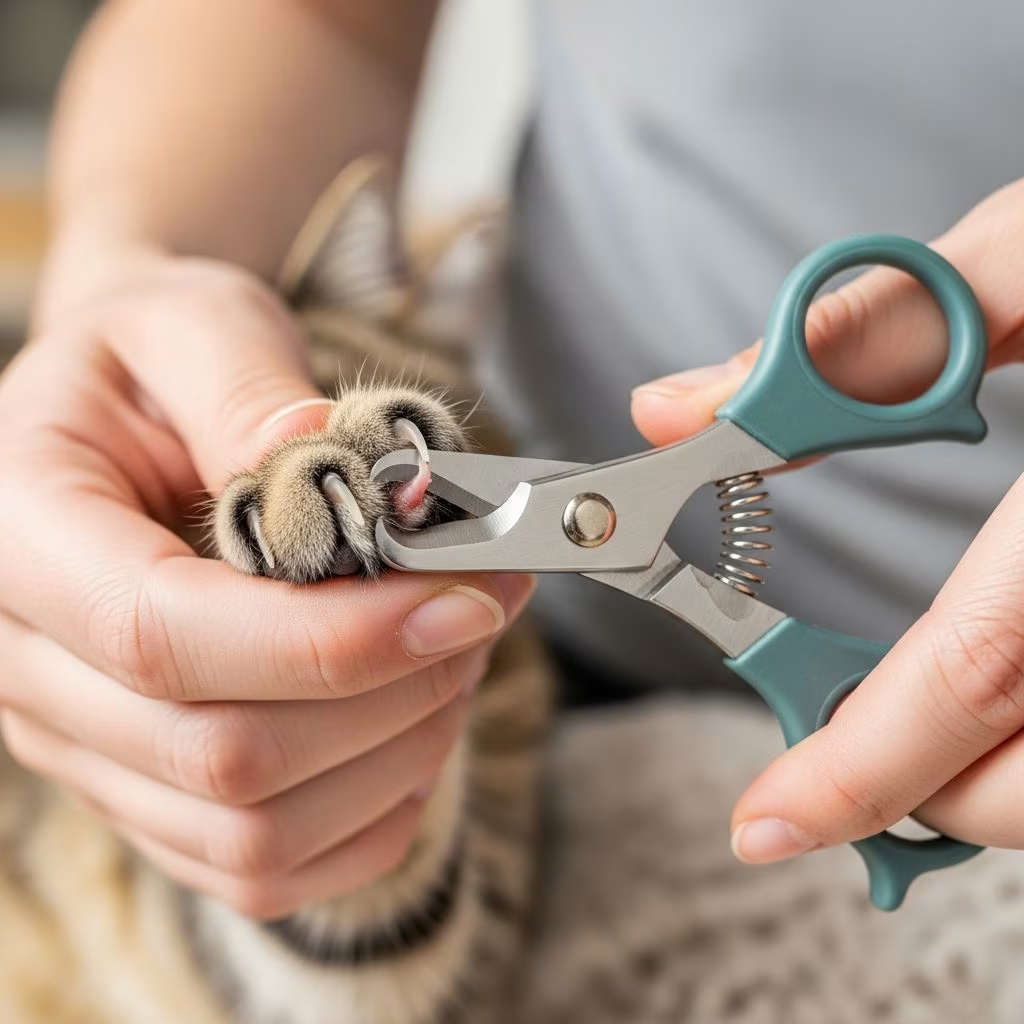
Trimming your cat’s nails is an essential part of routine grooming that promotes safety, health, and comfort for both you and your feline companion. Overgrown nails can curl under, causing pain, infections, or snags on furniture and skin. Regular trims—every 4-6 weeks—prevent these issues and reduce destructive scratching. This guide covers everything from selecting the best cat nail clippers to step-by-step techniques, handling tricky cats, and troubleshooting common problems.
Why Trim Your Cat’s Nails?
Cat nails grow continuously, unlike human nails, and if left unchecked, they can cause significant problems. Sharp, overgrown claws increase the risk of painful ingrown nails, infections, or accidental scratches during play. Trimming keeps nails blunt, protecting your household while mimicking natural wear from outdoor scratching, which indoor cats lack. Veterinarians recommend starting trims early, ideally at 4-6 weeks old, to acclimate kittens. Benefits include:
- Prevents injury: Blunt nails are less likely to cause deep scratches to people or other pets.
- Reduces furniture damage: Shorter nails snag less on carpets, couches, and curtains.
- Promotes paw health: Avoids overgrown nails that split or pierce pads.
- Supports mobility: Ensures comfortable walking without pain from curled claws.
According to veterinary experts, most cats tolerate trims well with positive reinforcement, making it a bonding experience rather than a battle.
Understanding Cat Nail Anatomy
Before using cat nail clippers, familiarize yourself with claw structure. Each nail consists of a hard outer keratin sheath over a soft inner core containing the quick—a blood vessel and nerve bundle. In light or white nails, the pink quick is visible; in dark nails, it’s hidden, requiring caution. The nail tip curves downward, and trimming just before this curve avoids the quick. Cats have five front claws and four rear claws, all retractable via tendon sheaths.
Key anatomy points:
- Quick: Pink vascular core; cutting it causes bleeding and pain.
- Tip: Sharp, curved end safe to trim off (about 2mm).
- Paw pads: Press to extend claws gently.
Grasping the anatomy reduces accidents and builds confidence.
Types of Cat Nail Clippers
Choosing the right tool is crucial for clean, safe cuts. Cat nail clippers come in several styles, each with pros and cons. Experiment to find your cat’s best fit.
| Type | Description | Pros | Cons |
|---|---|---|---|
| Scissors-Style | Small scissors with notched blades for nails. | Precise control, easy for beginners, cat-specific sizes. | May dull faster with heavy use. |
| Guillotine-Style | Nail pokes through hole; blade slices across. | Stays sharp longer, powerful cuts. | Tricky to position nail, less precise for small claws. |
| Grinder | Rotary file smooths nails gradually. | No quick-cutting risk, buffs edges smooth. | Noisy, time-consuming, hair-catching hazard. |
| Human Clippers | Adapted fingernail tools. | Cheap, accessible. | Too small, risk of crushing nail. |
Scissors-style are most recommended for cats due to maneuverability. Avoid dull blades to prevent crushing or splintering.
What You’ll Need to Trim Cat Nails
Gather supplies for a smooth session:
- Sharp cat nail clippers or grinder.
- Styptic powder, flour, or cornstarch for bleeding.
- Treats (high-value like churu for rewards).
- Towel for burrito-wrapping fidgety cats.
- Helper for holding.
- Good lighting and calm environment.
Have styptic ready—it’s a clotting agent for quick cuts.
Step-by-Step Guide: How to Trim Your Cat’s Nails
Follow these proven steps from veterinary sources for safe trims.
- Prepare your cat: Choose a quiet time post-meal when relaxed. Let them sniff clippers; pair with treats for positive association.
- Position comfortably: Sit cat on lap or table. For wiggly ones, towel-wrap leaving one paw out.
- Extend the nail: Hold paw in non-dominant hand. Press thumb on bottom pad, forefinger on top to protract claw.
- Identify cut point: For white nails, stay 2mm from pink quick. Dark nails: Trim tip where it curves. Use 45-degree angle for natural ground contact.
- Clip carefully: Position blades top-to-bottom. Make small snips, checking after each. Repeat until desired length.
- Reward immediately: Treat and praise per nail or paw.
- Trim all paws: Front first (more used), then rear. Stop if stressed; resume later.
- File if needed: Smooth edges with emery board or grinder.
Session time: 10-20 minutes. Pros advise multiple short cuts over one big slice.
How Often Should You Trim Cat Nails?
Frequency varies by cat. Active scratchers need less frequent trims; sedentary indoor cats require every 3-4 weeks. Kittens: bi-weekly initially. Check weekly: if nails tap floors or snag, it’s time. Rear claws grow slower, trim every 1-2 months. Over time, you’ll gauge your cat’s rhythm.
Tips for Trimming Difficult Cats
Not all cats cooperate. Use these pro strategies:
- Desensitize gradually: Touch paws daily, then clippers without cutting. Reward heavily.
- Use clicker training: Click for paw presentation, extend nail, touch clippers. Progress to cuts.
- Burrito method: Swaddle in towel, expose one paw at a time.
- Distraction: Helper feeds treats continuously.
- Grind sessions: Get cat used to grinder noise separately.
- Play first: Tire them out to reduce energy.
Patience is key; force leads to aversion. Many cats improve with 1-2 weeks conditioning.
What to Do If You Cut the Quick
Accidents happen, especially beginners. Signs: bleeding, yelping. Stay calm:
- Press styptic powder firmly for 1-2 minutes or dip in flour/cornstarch.
- Apply pressure with clean cloth.
- Monitor; bleeding stops quickly.
- Reward to rebuild trust.
Rarely serious unless excessive—then vet check. Cutting quick once doesn’t harm long-term.
Alternatives to Nail Clipping
If clipping fails:
- Nail caps: Soft PVC covers glued on; last 4-6 weeks, blunt scratches.
- Scratching posts: Sisal or cardboard for natural filing.
- Professional grooming: Vet or salon trims.
- Declawing: Not recommended; surgically removes toe bones, causing lifelong pain.
Caps are humane, colorful option for multi-pet homes.
Common Mistakes to Avoid
Steer clear of these pitfalls:
- Rushing: Causes stress and errors.
- Dull clippers: Crushes nails painfully.
- Side-cutting: Splinters keratin.
- Ignoring rear claws: They still scratch.
- No rewards: Builds negative association.
Always trim conservatively first.
Frequently Asked Questions (FAQs)
Can I use human nail clippers on my cat?
Yes, but cat-specific are better—human ones often crush delicate claws. Dedicate separate tools to avoid infections.
How do I trim black cat nails?
Cut small amounts from the curved tip; err short. Shine flashlight through nail to glimpse quick.
What if my cat hates nail trimming?
Train gradually with treats/clicker. Use towel wrap or seek pro help.
Do outdoor cats need nail trims?
Less often, as scratching files naturally, but check for splits.
Is it okay to trim sleeping cat’s nails?
Possible if gentle, but awake trims build tolerance better long-term.
References
- How to Trim a Cat’s Nails — VCA Animal Hospitals. 2023. https://vcahospitals.com/know-your-pet/how-to-trim-a-cats-nails
- Pro Tips for Cutting Cat Nails: A Step-by-Step Guide — Chewy. 2024. https://www.chewy.com/education/cat/grooming/pro-tips-for-cutting-cat-nails-a-step-by-step-guide
- Cat Claw 101: A Guide to Trimming Kitty Nails — Cat Care Society. 2023. https://www.catcaresociety.org/cat-claw-101-a-guide-to-trimming-kitty-nails/
- A Training Guide to Cat Nail Trims: Front Paws — Cat School. 2024. https://www.catschool.co/cat-training-articles/a-training-guide-to-cat-nail-trims-front-paws
- How to Trim Your Cat’s Nails — Wahl USA. 2023. https://wahlusa.com/how-to/pet-grooming-guides/cat-care/nails



