

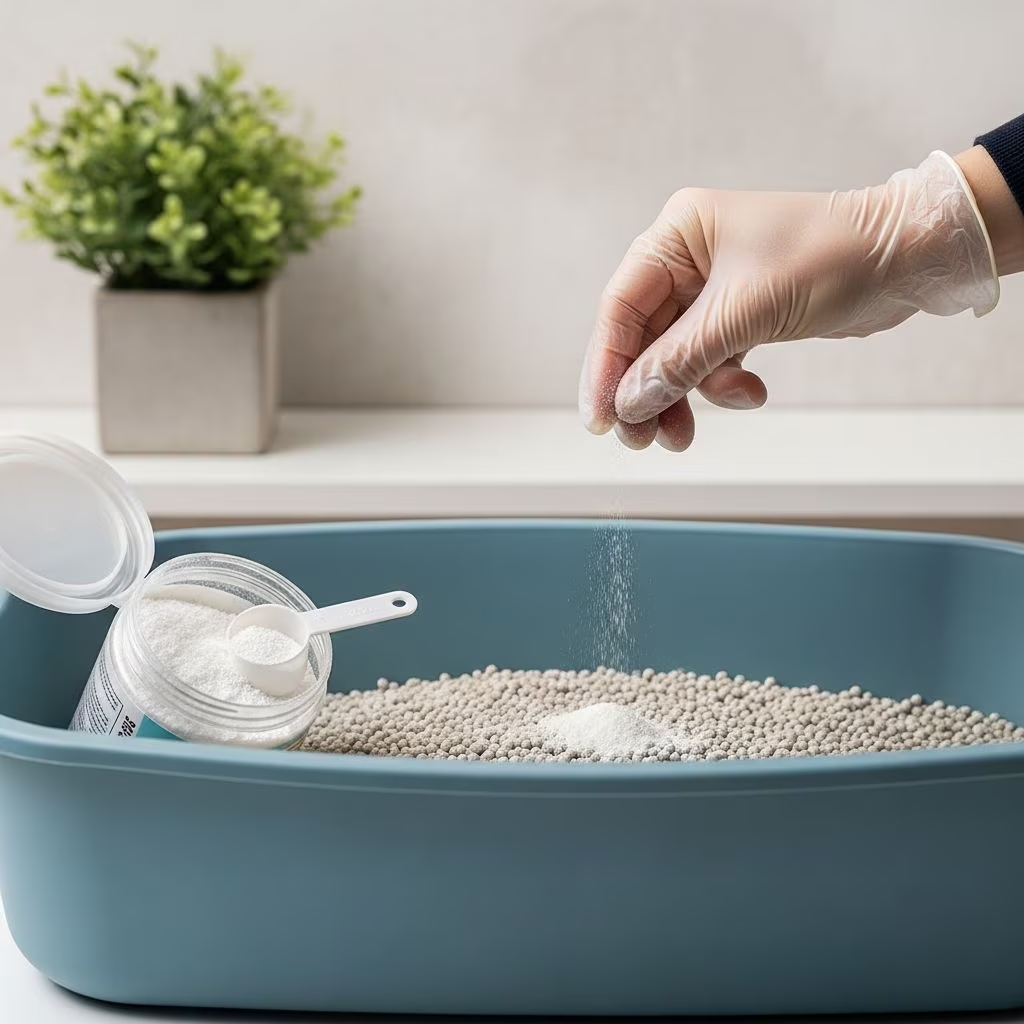
Cat litter deodorizers are essential tools for managing unpleasant odors from litter boxes, helping maintain a fresh environment for both cats and owners. These products neutralize smells rather than masking them, but proper usage is key to effectiveness and safety.
What Are Cat Litter Deodorizers?
Cat litter deodorizers are additives or sprays designed to reduce odors in litter boxes by neutralizing ammonia and other waste smells. They come in powders, granules, liquids, or gels, often using natural agents like baking soda or enzymes.
Unlike scented litters that mask odors, deodorizers target odor molecules directly, making them suitable for sensitive cats. Common ingredients include activated charcoal, bio-enzymes, and essential oils formulated for pets.
Do Cat Litter Deodorizers Work?
Yes, cat litter deodorizers effectively control litter box odors when used correctly, though they are not a substitute for regular cleaning. Testing shows products like enzyme-based ones provide immediate odor reduction, while baking soda captures smells over time.
Vet-approved sources confirm they help but emphasize combining them with daily scooping and weekly litter changes for best results. In controlled tests, activated carbon and enzyme formulas outperformed basic litters alone.
Are Cat Litter Deodorizers Safe for Cats?
Deodorizers specifically made for cats are safe, using non-toxic ingredients like baking soda and plant-based enzymes. However, avoid human products or heavy fragrances, as they can irritate respiratory systems or deter cats from using the box.
- Natural options like unscented baking soda or charcoal are gentlest on paws and lungs.
- Enzyme formulas break down proteins in urine without harmful chemicals.
- Fragranced types may cause avoidance; opt for mild or unscented versions.
Always check labels for cat-safe certifications and introduce gradually to monitor for reactions.
Types of Cat Litter Deodorizers
Various types cater to different needs, from natural powders to high-tech plugs. Here’s a comparison:
| Type | How It Works | Pros | Cons | Best For |
|---|---|---|---|---|
| Baking Soda | Absorbs moisture and odors | Cheap, safe, easy | Less effective long-term | Budget users |
| Activated Charcoal/Carbon | Neutralizes odors chemically | Highly effective | Messy powder | Strong odors |
| Enzyme-Based | Breaks down waste proteins | Natural, long-lasting | Higher cost | Multi-cat homes |
| Essential Oil Sprays | Blocks smell receptors | Quick acting | Potential irritation | Spot treatment |
| Gel/Plug-Ins | Continuous release | Hands-off | Electricity needed | Litter robots |
How to Use Cat Litter Deodorizers
Follow these steps for optimal results:
- Prepare the box: Scoop waste daily and change litter weekly.
- Apply base layer: Sprinkle 1-2 tablespoons of powder (e.g., baking soda) at the bottom before adding litter.
- Mix in litter: For additives, stir into top layer after scooping.
- Spray option: Mist lightly on litter surface; avoid over-saturating.
- Gels/plugs: Place near box or in compatible systems like Litter-Robot.
Use 2-3 times weekly, adjusting based on cat count and litter type. Compatible with clumping, non-clumping, and pine pellets.
Best Cat Litter Deodorizers (Tested & Reviewed)
Based on hands-on tests, top performers include:
- Odor Trap by Whisker: Plug-in gel excels in enclosed systems, reducing waste drawer smells instantly.
- Freshwave (Litter Genie partner): Cedarwood oil formula blocks fecal and urine odors effectively.
- Hepper Advanced Bio-Enzyme: Natural enzymes work on any litter, saving on frequent changes.
- Baking Soda (generic): Reliable for mild odors, especially fecal.
- Activated Carbon Powders: Strong neutralizers but dustier.
In tests, enzyme and carbon types showed the most immediate impact, with gels best for maintenance.
Unscented vs. Scented Cat Litter Deodorizers
Unscented deodorizers neutralize odors without fragrances, ideal for sensitive cats. They use baking soda, charcoal, or enzymes to target root causes.
Scented versions mask smells but risk irritation. Benefits of unscented:
- Gentler on respiratory health.
- Less likely to deter cats.
- Environmentally friendly.
Misconception: Unscented are weaker—they often outperform by not masking but eliminating odors.
Natural and Homemade Cat Litter Deodorizers
DIY options are cost-effective and safe:
- Baking Soda: 2-3 tbsp per box; sprinkle and mix.
- Activated Charcoal: Crush tablets into powder for absorption.
- Pine Pellets: High odor reduction (95.6% with maintenance).
- Vinegar Spray: Diluted white vinegar for surfaces (not direct on litter).
Combine methods: Baking soda base + enzyme spray for multi-cat setups.
Tips for Maximum Odor Control with Deodorizers
Enhance effectiveness:
- Scoop twice daily.
- Use clumping litter for better trapping.
- Ensure 1 box per cat +1.
- Ventilate area; avoid enclosed spaces without airflow.
- Deep clean monthly with enzyme cleaners.
Multi-cat homes benefit from stronger formulas like carbon or enzymes.
Frequently Asked Questions (FAQs)
What is the best way to use cat litter deodorizer?
Sprinkle powder at the bottom before litter, or top-dress after scooping. Use per instructions, 2-3 times weekly.
Can I make my own cat litter deodorizer?
Yes, baking soda or charcoal works well naturally.
Will deodorizers stop my cat from using the litter box?
Rarely if cat-safe; start with unscented to avoid scent aversion.
How often should I apply litter deodorizer?
After each scooping or 2-3 times weekly, depending on product and usage.
Do unscented deodorizers work as well as scented ones?
Yes, often better by neutralizing rather than masking.
Is baking soda safe and effective for litter boxes?
Yes, it’s a top natural choice for odor absorption.
Final Thoughts
Cat litter deodorizers are valuable for odor management when paired with good hygiene. Choose cat-safe, preferably unscented or natural types, and follow usage guidelines for a fresher home. Regular maintenance remains the foundation of success.
References
- Do Cat Litter Deodorizers Actually Work? We Tested 8 To Find Out — YouTube (Litter Robot channel). 2023-approx. https://www.youtube.com/watch?v=VOMRzxP7nCY
- Will a Cat Litter Deodorizer Work? Vet-Approved Facts & Info — Catster. 2024-approx. https://www.catster.com/cat-health-care/will-a-cat-litter-deodorizer-work/
- Unscented Cat Litter Deodorizer: A Complete Guide to Odor Control — UAH Pet. 2024-approx. https://www.uahpet.com/blogs/post/unscented-cat-litter-deodorizer-a-complete-guide-to-odor-control
- Best Cat Litter Odor Control Methods: Natural & Effective Solutions — Furrbby. 2024-approx. https://www.furrbby.com/blogs/blogs/best-cat-litter-odor-control-methods-natural-amp-effective-solutions
- How to Eliminate Cat Litter Odors with the Right Scents — Petmate Academy. 2024-approx. https://www.petmate.com/blogs/petmate-academy/how-to-mask-cat-box-smell



