

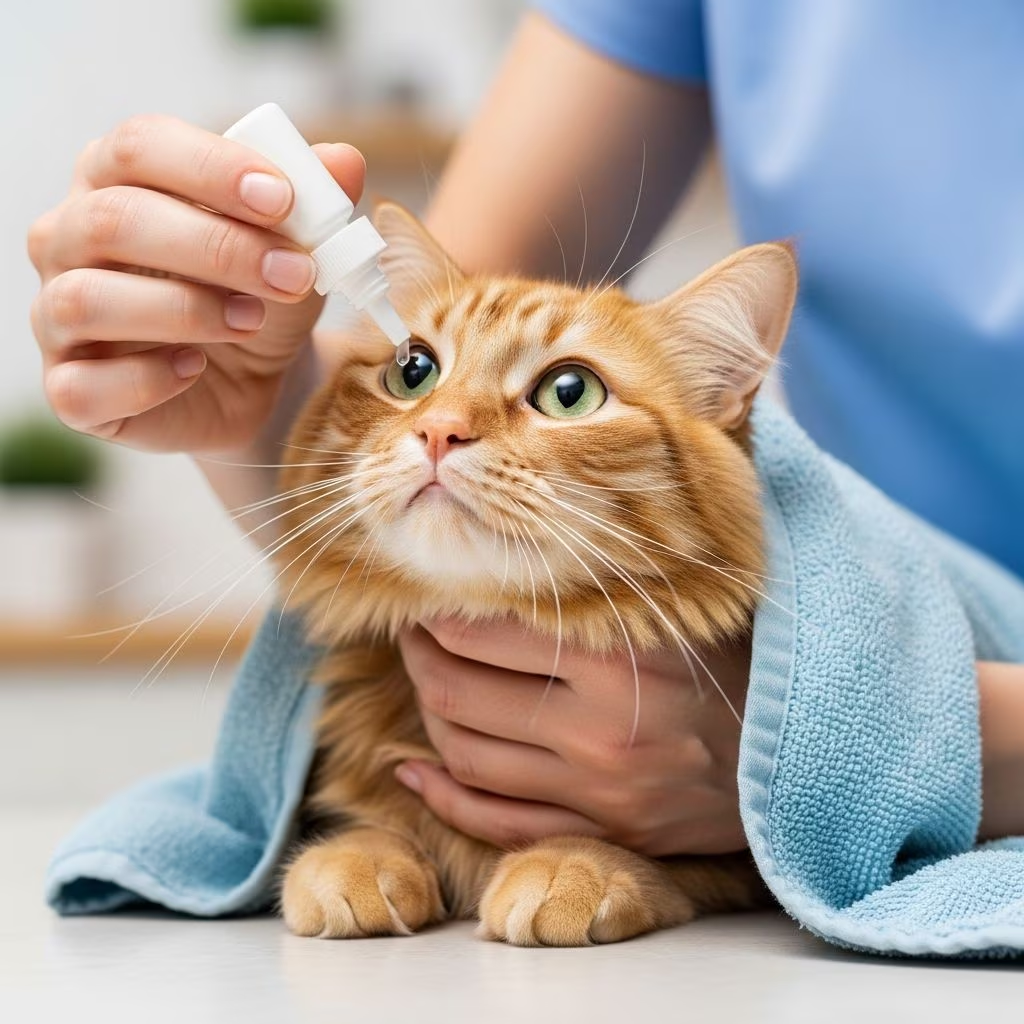
Administering **cat eye drops** can be challenging but is crucial for treating common feline eye issues like infections, inflammation, or dryness. With proper technique, you can ensure the medication reaches the eye effectively, promoting faster recovery and comfort for your cat. This guide covers everything from preparation to application, drawing on veterinary best practices.
Why Do Cats Need Eye Drops?
Cats often develop eye problems due to their curious nature, exposure to irritants, or underlying health conditions. **Eye drops** lubricate the eyes, reduce inflammation, combat infections, or manage more serious issues like glaucoma or corneal ulcers. Conditions such as conjunctivitis, allergies, or foreign bodies in the eye necessitate topical treatments. Drops are applied directly to the eye surface for targeted relief, as tears naturally flush them out, requiring frequent dosing—sometimes up to six times daily.
Recognizing symptoms early is key: look for redness, excessive tearing, squinting, cloudiness, or discharge. Always consult your veterinarian for a diagnosis before starting treatment, as improper use can worsen conditions.
Types of Cat Eye Medications
Eye medications come in two main forms: **drops** and **ointments**. Understanding the differences helps with correct administration.
- Liquid Drops: Thin and watery, they spread quickly across the eye when the cat blinks. Ideal for frequent applications and conditions needing rapid absorption.
- Ointments: Thicker and greasier, they provide longer-lasting lubrication but may temporarily blur vision. Apply a small ribbon (about 1 mm or rice kernel-sized) to the eye.
Some drops may cause drooling if licked, so monitor your cat post-application. Always shake bottles if instructed to mix active ingredients evenly.
Preparing to Administer Cat Eye Drops
Preparation minimizes stress and ensures safety. Gather supplies: medication, clean washcloth, warm water, treats, and optionally a towel for wrapping.
- Clean the Eye Area: Gently wipe away debris or crust with a warm water-soaked cloth. This soothes the eye and prevents contamination.
- Wash Your Hands: Use soap and water or disinfectant to avoid introducing bacteria.
- Read Instructions: Check dosage, frequency (e.g., 2-6 times daily), and storage. Have the applicator ready—squeeze ointment ahead or prime drops.
- Position Your Cat: Place in your lap or on a stable surface. For wriggly cats, wrap in a towel (burrito-style) exposing only the head.
If alone, sit with the cat facing away; for help, have an assistant hold the head steady. Stay calm and speak softly to reduce anxiety.
Step-by-Step Guide: How to Apply Eye Drops to Cats
Follow these vet-recommended steps for safe, effective application.
- Hold the Head Steady: Use one hand to grasp the cat’s head—thumb and forefinger above/below the eye or around the jaw/behind ears. Tilt at 45 degrees if needed.
- Gently Open the Eye: Pull back the upper eyelid with your non-dominant hand’s fingers. The lower lid forms a pouch.
- Position the Applicator: Hold bottle/tube with dominant hand, thumb/index finger. Rest on the cat’s forehead for stability, tip 1 cm from eye—never touch the surface to avoid contamination.
- Administer the Dose: Squeeze 1-2 drops into the center of the eye or a 1 mm ointment strip onto the lower lid. Let natural blinking spread it.
- Release and Reward: Let go, allow blinking, then praise or treat to build positive associations.
Repeat for the other eye if prescribed, waiting 1-2 minutes between. For ointments, if it doesn’t drop, use the eyelid edge to separate it.
Differences: Drops vs. Ointments
| Aspect | Drops | Ointments |
|---|---|---|
| Consistency | Liquid, quick spread | Thick, greasy |
| Application | Squeeze into center | Ribbon on lower lid |
| Duration | Shorter (frequent dosing) | Longer-lasting |
| Side Effects | May sting briefly | Blurs vision temporarily |
This table highlights key distinctions for confident administration.
Tips for Success When Giving Cats Eye Drops
- Right-Handed Technique: Left hand stabilizes head/eye, right applies.
- Low-Stress Approach: Stand beside cat, elevate chin gently, approach from side.
- Multiple Cats or Eyes: Treat one at a time; clean applicator between if shared.
- Frequent Dosing: Set reminders—mild cases 2-3x/day, ulcers up to every 1-4 hours.
- Storage: Keep cool/dry; discard if cloudy or expired.
Practice on a calm day; video tutorials can help visualize.
Troubleshooting Common Problems
Cats may resist, but persistence pays off.
- Cat Won’t Stay Still: Use towel wrap or helper; try during meals for distraction.
- Misses the Eye: Aim center; blinking distributes. Reapply only if vet advises.
- Drooling or Pawing: Normal for some meds; wipe gently, prevent licking.
- Irritation Worsens: Stop and call vet—could indicate allergy or wrong diagnosis.
- Ointment Too Greasy: Normal; fades with blinks.
If drops flush out quickly, that’s expected—tears clear them, hence repeat dosing.
When to See a Vet
Eye drops treat symptoms but don’t replace professional care. Seek immediate help for:
- Persistent cloudiness, ulcers, or vision loss.
- Deep infections, trauma, or glaucoma signs (pain, bulging eyes).
- No improvement after 48 hours of treatment.
Vets may prescribe antibiotics, steroids, or refer to specialists.
Frequently Asked Questions (FAQs)
What if my cat blinks before the drop lands?
The drop often still coats the eye via tears; reapply if none lands, per vet instructions.
How many drops per eye?
Typically 1-2; follow label or vet dosage exactly.
Can I use human eye drops on cats?
No—toxicity risk; always use vet-prescribed feline products.
How long do eye drops take to work?
Improvement in 1-3 days for mild issues; full course (7-14 days) required.
Is it okay if ointment makes the eye look oily?
Yes, temporary; blinking spreads it evenly.
What if my cat shakes its head vigorously?
Hold steady gently; reward post-dose to condition better behavior.
Mastering cat eye drops ensures your pet’s comfort and health. Consistent application leads to quicker healing—patience and positivity are key.
References
- Cat Eye Drops: What Owners Should Know — Purina. 2023. https://www.purina.com/articles/cat/health/symptoms/eye-drops-for-cats
- Applying Eye Drops to Cats — VCA Animal Hospitals. 2023. https://vcahospitals.com/know-your-pet/applying-eye-drops-to-cats
- How To Give Your Pet Eye Drops — Mountainview Animal Hospital. 2023. https://www.mountainviewanimalhospital.ca/petcentre/how-to-give-your-cat-eye-drops
- How Do I Clean & Administer Drops in my Feline’s Eyes? — My County Line Vet. 2023. https://www.mycountylinevet.com/services/cats/visiocare/how-do-i-clean-administer-drops-my-felines-eyes
- Administering Your Cat’s Eye Drops — Vetwest Veterinary Clinics. 2023. https://www.vetwest.com.au/pet-library/eye-drops-administering-your-cats-eye-drops/
- Administering Ocular Products to Cats — YouTube (Veterinary Video). 2020. https://www.youtube.com/watch?v=oHIXe2IQYp8
- The Essential Guide to Eye Drops for Pets — Veterinary Vision Center. 2023. https://veterinaryvisioncenter.com/the-essential-guide-to-eye-drops-for-pets-and-horses-why-they-matter-how-to-give-them/



