

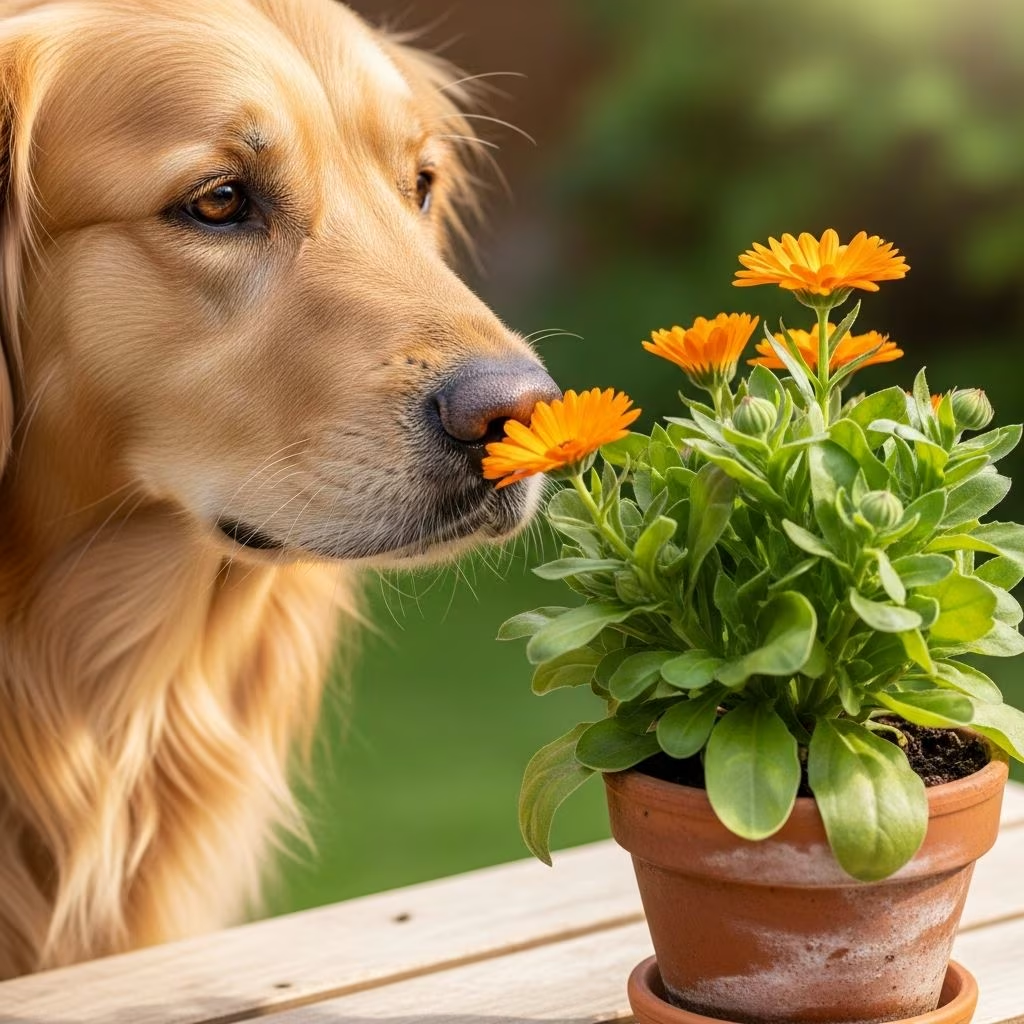
What Is Calendula and Why Dog Owners Love It
Calendula (Calendula officinalis), often called pot marigold, is a bright yellow or orange flowering plant long valued in herbal medicine. Unlike many decorative marigolds, calendula is gentle enough for sensitive skin and delicate tissues, which is why many dog owners turn to it for natural first aid and routine care.
Modern herbalists and veterinarians describe calendula as a topical anti‑inflammatory and mild antiseptic. It contains flavonoids, terpenoids, and other plant compounds that likely contribute to its soothing, antioxidant, and tissue‑supporting effects . While it’s not a substitute for veterinary care in serious illness, calendula can be a helpful companion to conventional treatment for minor injuries, irritated skin, and swollen gums.
Core Benefits Calendula Offers Dogs
Calendula is most often used on the outside of the body, but it can also be given internally in conservative amounts. Key benefits include:
- Soften and soothe inflamed or irritated skin
- Support the healing of minor cuts, scrapes, and abrasions
- Help manage hot spots and areas of persistent licking
- Assist in soothing swollen or bleeding gums and minor oral irritations
- Provide a gentle rinse for minor wounds or irritated paws
Because it is generally considered mild and low‑risk, calendula is often used on dogs of all ages, breeds, and coat types. That said, it should be used thoughtfully and not as a stand‑in for professional diagnosis or treatment.
Common Forms of Calendula for Dogs
Before using calendula on your dog, understand the different preparations and how each is typically applied:
- Calendula tea: Brewed from dried or fresh flowers, used as a cool rinse or soak for wounds, hot spots, or irritated skin.
- Calendula hydrosol: A floral water made by steam distillation; used as a mild spray or rinse on skin or in the mouth.
- Calendula tincture: An alcohol‑based herbal extract that must be diluted before use on dogs, especially for oral rinses.
- Calendula salve or ointment: A thick, buttery or cream‑based product for dry, cracked skin, paw pads, or firmly closed wounds.
- Calendula spray: A ready‑made topical mist combining calendula with other herbs for skin and paws.
Regardless of the form, always choose products labeled as dog‑safe and avoid calendula preparations that contain added essential oils, alcohol, or synthetic fragrances unless recommended by a veterinarian.
Preparing and Using Calendula Tea for Dogs
Calendula tea is one of the most versatile and gentle ways to use this herb on dogs. It can act as a rinse, soak, or gentle spritz for inflamed skin and minor injuries.
Basic Calendula Tea Recipe
- Measure 1–2 tablespoons of dried calendula flowers (about a “handful”) per 1 quart (4 cups) of water.
- Bring the water to a boil, then remove from heat and steep the flowers for 15–20 minutes.
- Strain out the flowers and allow the tea to cool to room temperature.
- Store in the refrigerator and use within 2–3 days.
This mild tea can be applied with a clean cotton ball or soft cloth, poured over a lesion, or lightly sprayed onto irritated skin. Avoid using thick ointments on open, weeping wounds; instead, start with a tea rinse and later switch to a salve once the area is no longer oozing.
When to Use Calendula Tea Instead of a Salve
Choose a calendula tea rinse when:
- The wound is oozing or has open, raw tissue.
- You want a cooling effect on a minor burn or sunburn.
- Your dog has a hot spot or a patch of skin that is red, weepy, or crusty.
A film of tea left on the skin can help protect the surface while reducing inflammation. Do not rinse it off; let it air‑dry unless your dog shakes or rubs the area, in which case dab gently with a towel.
Using Calendula for Dog Wounds and Skin Concerns
From minor outdoor scrapes to irritated paws after a winter walk, calendula can be a gentle addition to home first aid.
For Minor Cuts, Scrapes, and Abrasions
- Clean visible dirt from the area with lukewarm water.
- Soak or gently pour cooled calendula tea over the wound for 1–2 minutes.
- Let the area air‑dry or pat lightly with a clean towel.
- If the wound is fully closed with no oozing, you may follow with a thin layer of calendula salve.
For Insect Bites and Stings
Calendula can help reduce redness and localized swelling after insect bites or stings, but it should not replace emergency care for suspected allergic reactions. If your dog shows swelling of the face, difficulty breathing, or unusual lethargy, seek veterinary help immediately.
For milder reactions, consider:
- Applying a cool calendula tea compress to the site.
- Using a calendula‑based spray recommended for pets to soothe the area.
- Monitoring for increased redness, heat, or spreading inflammation over the next 24 hours.
For Hot Spots and Itchy Skin
Hot spots—moist, inflamed patches often caused by excessive licking or scratching—respond well to drying and soothing treatments. Calendula can be one layer of care, alongside clipping the hair around the area and preventing further licking.
- Clean the area gently with lukewarm water and a mild, dog‑appropriate cleanser.
- Apply a calendula tea rinse or pet‑safe calendula spray 2–3 times daily.
- Keep the area as dry as possible and prevent your dog from chewing or licking by using an Elizabethan collar or body shirt if needed.
Calendula for Dog Paws, Nose, and Dry Skin
Dry or cracked paw pads and a crusty nose are common in dogs, especially in winter or in homes with dry, heated air. Calendula’s moisturizing and anti‑inflammatory actions make it a popular choice for these areas.
For Dry or Cracked Paw Pads
- Make a mild calendula tea and let your dog stand in a shallow tray of the cooled liquid for 1–2 minutes if comfortable.
- Dab dry with a clean towel; then, if the skin is no longer oozing, apply a calendula‑based paw balm or similar product.
- Repeat as needed, usually once or twice daily, until the pads are smoother and less cracked.
For Crusty or Dry Noses
A dry nose alone is not always a sign of illness, but a persistently crusty or fissured nose can discomfort your pet.
- Wipe the nose with a soft, damp cloth.
- Apply a thin layer of calendula salve or calendula‑infused balm and let it absorb.
- Repeat 1–2 times a day, avoiding the nostrils themselves to prevent inhalation irritation.
If your dog’s nose becomes very cracked, painful, or starts to bleed, consult a veterinarian to rule out infection, autoimmune disease, or other underlying conditions.
Supporting Oral Health with Calendula
Calendula can also play a supporting role in gum and mouth care, especially when gingivitis, ulcers, or mild irritation are present.
How Calendula Helps Oral Tissues
Gums and the lining of the mouth are mucous membranes, and calendula’s soothing, anti‑inflammatory properties can help reduce swelling and tenderness. It may be useful between professional dental cleanings for dogs with mild plaque buildup and reddened gums.
Using Calendula in the Mouth Safely
- Dampen a soft toothbrush or gauze‑wrapped finger with cooled calendula tea or hydrosol.
- Gently rub along the gumline, focusing on areas that look red or slightly swollen.
- Alternatively, use an eyedropper or small spray bottle to apply a small amount of tea or hydrosol inside your dog’s mouth, directing it to the gums rather than deeper into the throat.
Never pour a large volume of liquid into a dog’s mouth without supervision, especially if swallowing is painful or compromised. If your dog has severe drooling, reluctance to eat, or foul breath, seek professional dental evaluation.
Canine Eye Care and Bathing Uses
Calendula tea can also be used in certain eye and coat‑care routines, provided it is correctly diluted and used with caution.
Calendula Rinses Around the Eyes
Calendula‑based washes are sometimes used as a gentle rinse around the eye area for minor irritation or tear staining, but they should never be poured directly into the eye unless specifically recommended by a veterinarian.
- Use a cooled, very mild calendula tea to dab at the corners of the eye with a clean cotton pad.
- Wipe from the inner corner outward to avoid pushing debris into the eye.
- Discontinue use if you notice increased redness, discharge, or your dog pawing at the eye.
Calendula as a Coat Rinse
Because calendula is gentle and non‑drying, some owners like using it as a final rinse after bathing.
- Prepare a large batch of calendula tea (for example, 1 quart of tea per 1 gallon of water).
- Pour it over the dog’s coat after shampooing, working the liquid through with your fingers or a wide‑tooth comb.
- Blot excess moisture with a towel and allow the coat to air‑dry or blow‑dry on a cool setting.
Regular calendula rinses may subtly soften the coat and support a calm skin barrier, but they should not replace proper flea and parasite control or treatment for diagnosed skin conditions.
Internal Use of Calendula in Dogs
Calendula can be given internally in small amounts, usually as a tea or hydrosol added to food. This should be done cautiously and with the same diligence as with any supplement.
Potential Internal Benefits
Internally, calendula may help support the digestive and urinary tracts by soothing mucous membranes and promoting gentle drainage of lymph‑rich tissues. Some herbalists also suggest it may mildly support liver function and the immune system, though these uses are based more on traditional use than robust clinical evidence .
Guidelines for Dosage
Precise dosing depends on your dog’s size and overall health. As a general guideline often cited by holistic practitioners:
- Up to 1 teaspoon of dried calendula flower per 20 pounds of body weight per day, sprinkled into food.
- For a strongly brewed tea or hydrosol, around 1 tablespoon per 30 pounds body weight once or twice daily, mixed into food.
Always introduce calendula slowly. Start with lower amounts and watch for any change in appetite, stool consistency, or behavior. If your dog has kidney disease, liver disease, or is pregnant or nursing, avoid using calendula internally unless under veterinary guidance.
Safety, Side Effects, and When to Avoid Calendula
Although calendula is generally considered safe, it is not entirely risk‑free. Knowing when to pause or avoid use is key to keeping your dog safe.
Possible Side Effects
- Skin or mouth irritation if your dog is sensitive to aster family plants (such as daisies, chrysanthemums, or ragweed).
- Stomach upset if large amounts are ingested.
- Increased sensitivity in open wounds if the solution is too concentrated or combined with alcohol or harsh additives.
When Not to Use Calendula
- For deep, large, or heavily contaminated wounds—these require veterinary cleaning and possible antibiotics.
- For eye problems that include pain, cloudiness, or vision changes—seek prompt veterinary care.
- During pregnancy or breeding, especially at higher internal doses, due to potential effects on uterine muscle and hormonal balance.
- Alongside medications your dog is taking without veterinary review, as interactions are possible even with herbal products.
If you notice your dog scratching more, becoming more uncomfortable, or developing a rash after using calendula, discontinue use and contact your veterinarian.
Calendula Product Comparison Table
Here’s a simple reference to help choose the right form of calendula for common situations.
| Situation | Best Form | Notes |
|---|---|---|
| Open, oozing wound or hot spot | Calendula tea or spray | Light, non‑occlusive film to avoid trapping moisture. |
| Dry, cracked paw pads | Calendula salve or balm | Apply after pads are dry and wound‑free. |
| Swollen or sore gums | Calendula tea or hydrosol rinse | Use sparingly and gently; avoid large volumes. |
| Dull or slightly irritated coat | Calendula‑based rinse or spray | Can be used after bathing for soothing effect. |
| Supportive oral supplement | Diluted calendula tea or hydrosol in food | Follow conservative dosing and monitor your dog closely. |
Integrating Calendula with Routine Dog Care
Calendula works best when integrated into a broader routine of good hygiene, nutrition, and regular veterinary check‑ups. Think of it as a gentle support tool, not a cure‑all.
- Include calendula rinses or sprays in your home first‑aid kit for minor scrapes and irritated skin.
- Use calendula balms in rotation with other paw and nose moisturizers, especially during harsh weather.
- Combine calendula oral rinses with regular brushing using a toothpaste formulated for dogs.
By pairing calendula with preventive care—such as flea control, proper grooming, and a balanced diet—you can help maintain healthier skin and fewer recurring irritations.
FAQs About Using Calendula on Dogs
Is calendula safe for all dogs?
Calendula is generally well‑tolerated by most dogs when used in appropriate amounts and forms. However, dogs with known allergies to plants in the aster family, or those



