

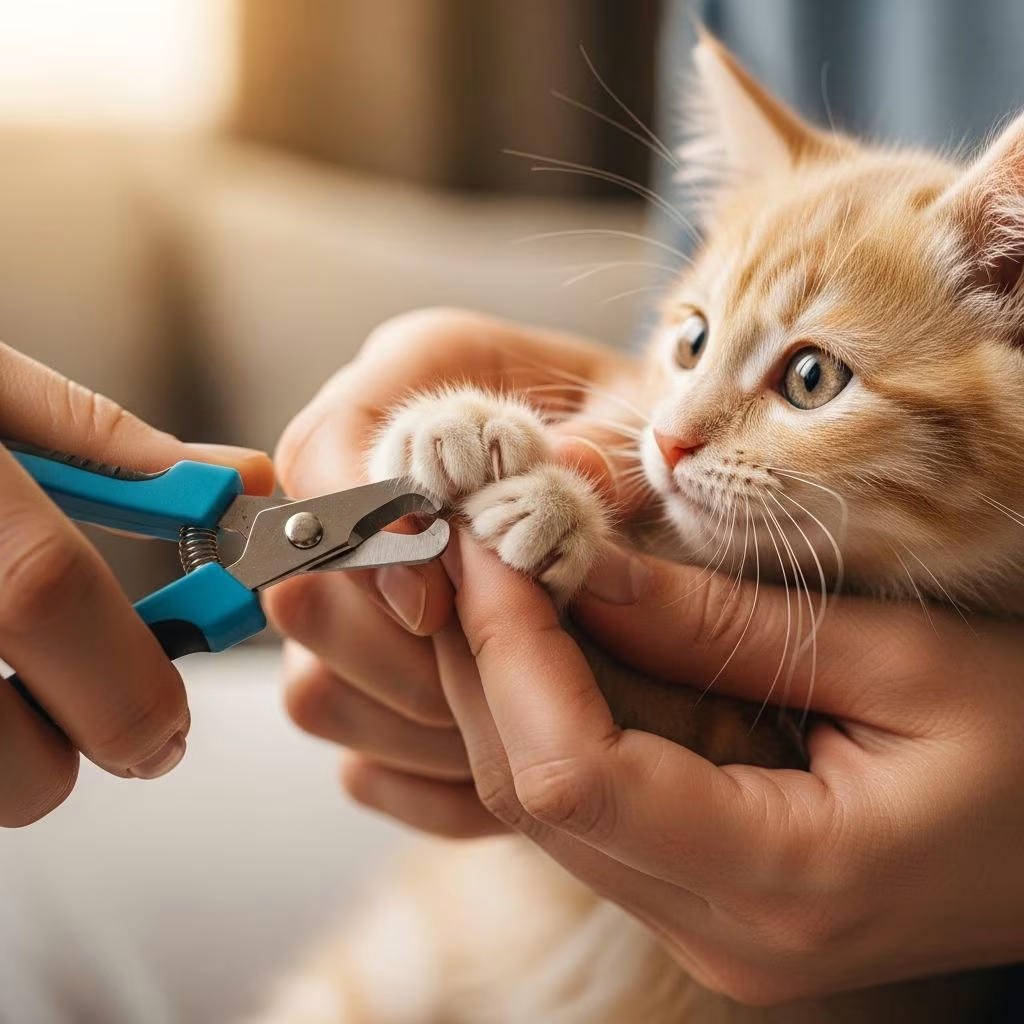
How to Trim Kitten Nails in 4 Simple Steps: Vet-Approved Advice
As a pet parent, you’ve likely witnessed your kitten sharpening their claws on furniture, carpets, and upholstery. Kittens’ claws are exceptionally sharp and can cause injury to you, your other pets, and your household belongings. Learning how to properly trim your kitten’s nails is an essential skill that protects everyone in your home while maintaining your kitten’s health and comfort. This comprehensive guide will walk you through the process with professional tips and proven techniques.
Why Nail Trimming Matters for Your Kitten
Regular nail trimming is more than just a matter of protecting your furniture and skin. When kitten nails grow too long, they can become uncomfortable and may even curl back into the paw pad, causing pain and potential infection. Additionally, overgrown nails can catch on fabric and cause your kitten distress. Starting nail trimming early in your kitten’s life, ideally between 4 and 8 weeks of age, helps them become accustomed to the procedure and makes future grooming sessions much easier. This early socialization to nail trimming prevents anxiety and resistance later in life.
How Often Should You Trim Your Kitten’s Nails?
A good rule of thumb is to trim your kitten’s nails once or twice a month, as needed. However, the frequency may vary depending on your kitten’s activity level and indoor versus outdoor lifestyle. Indoor kittens typically need more frequent trimming since they don’t naturally wear down their nails through outdoor climbing and scratching on rough surfaces. Regular trimming prevents their nails from becoming too long, sharp, and problematic. Pay attention to your kitten’s behavior—if you notice increased scratching or catching claws on fabric, it’s time for a trim.
How to Trim Your Kitten’s Nails in 4 Steps
Trimming your kitten’s nails doesn’t have to be a stressful experience for either of you. By following these four straightforward steps and maintaining patience, you can safely and effectively care for your kitten’s claws.
Step 1: Gather Your Supplies
Before you begin, prepare all necessary supplies to avoid leaving your kitten mid-session. This preparation is crucial for a smooth experience.
You’ll need:
- A specialized nail trimmer designed for cats—never use human nail clippers, as they can injure your kitten’s nails and cause them to splinter
- A file or emery board to smooth any rough edges after trimming
- Styptic powder to stop bleeding if you accidentally cut the quick
- Treats for positive reinforcement and rewards
- A comfortable towel or blanket for your kitten to sit on
Several types of nail clippers are available for cats, including guillotine clippers, scissor clippers, and pliers-style clippers. Choose one that feels comfortable in your hand and is appropriately sized for your kitten. Quality trimming tools with safety guards and locking mechanisms make the task easier and safer.
Step 2: Find a Quiet Spot
Create a calm, distraction-free environment for nail trimming. Choose a quiet location away from loud noises, unexpected surprises, and other household activity that might startle your nervous kitten. Remember that nail trimming is a new experience for your kitten, and they may be anxious and skittish about it.
The best time to trim nails is when your kitten is naturally sleepy and relaxed, typically after eating or playtime. A calm kitten is far more cooperative and less likely to resist. If you find yourself feeling nervous as well, take some deep breaths—cats can sense your tension. Approach the experience with patience and a positive attitude.
Step 3: Only Trim the White
This is the most critical step in nail trimming. Your kitten’s nails are white on the tips and pink closer to the paw. You should only trim the white portion of the nail to avoid injuring your kitten.
The pink section is called the quick, and it contains tender tissue and blood vessels. If you cut into the quick, it will bleed and cause your kitten pain. To execute this step correctly:
- Gently press your kitten’s paw pad to expose the claw completely
- Hold the trimmer at a slight angle
- Cut only the sharp white tip of the nail, well below the quick
- Use one smooth, confident motion rather than multiple attempts
Some feline nail clippers are specifically designed with safety guards that prevent you from cutting more than the white area, providing extra protection. If you’re uncertain whether a nail needs trimming, it’s better to trim less rather than risk cutting the quick. You can always trim again in a few weeks.
If your kitten becomes irritated and tries to escape, end the session immediately and try again later. Forcing the process will create negative associations with nail trimming. However, if your kitten remains calm during the trim, offer praise and a treat before concluding. Next time, you can aim to trim two claws. After successfully trimming two claws once or twice, gradually work up to three claws, and eventually all nails.
Step 4: Use Treats, Praise, and Positive Reinforcement
Positive reinforcement is essential for making nail trimming a positive experience your kitten will tolerate in the future. Throughout the process, speak softly and calmly to your kitten, using a gentle, reassuring tone. Never yell at or scold your kitten during nail trimming, as this will only increase their fear and make them struggle to escape.
Reward your kitten generously with treats, toys, or verbal praise when they sit still for you and after the procedure is complete. This positive association encourages cooperation during future nail trimming sessions. Some kittens respond better to favorite treats, while others prefer playtime or gentle petting. Learn what motivates your individual kitten and use those rewards strategically.
Additional Tips for Successful Nail Trimming
Beyond the four main steps, several other strategies can make the experience smoother for both you and your kitten:
- Let your kitten inspect the clippers: If using new nail clippers, allow your kitten to smell and investigate them first to reduce anxiety about unfamiliar tools
- Don’t forget the dewclaws: Remember to trim the dewclaws on the side of the paws, as these are often overlooked but still require regular maintenance
- Handle bleeding calmly: If you accidentally cut the quick and cause bleeding, remain calm. Apply styptic powder to the nail, or dip it in cornflour to help it clot. You can also hold cotton wool around the nail until bleeding stops
- Trim multiple sessions: There’s no rule requiring you to trim all nails in one session. Multiple short sessions are better than forcing a stressed kitten through a lengthy procedure
- Smooth rough edges: After trimming, use a file or emery board to smooth any jagged edges, making the nails more comfortable for your kitten
Professional Alternatives
If you’re uncomfortable trimming your kitten’s nails yourself or your kitten is particularly resistant, professional grooming services are available. Veterinarians and professional groomers can trim your kitten’s nails efficiently and safely. However, this option can be more expensive than handling it at home. Learning to do it yourself provides a cost-effective solution while also strengthening your bond with your kitten through regular handling.
Common Mistakes to Avoid
When trimming your kitten’s nails, avoid these common pitfalls:
- Never use human nail clippers or scissors, as they can squash or split kitten nails
- Avoid cutting too much nail at once—trim small amounts conservatively
- Don’t hold your kitten’s paw too roughly; gentle handling is essential
- Avoid scheduling nail trims when your kitten is already anxious or agitated
- Never punish or scold your kitten for resistance; this worsens future behavior
- Don’t attempt to trim all nails if your kitten is becoming stressed; save some for later
Building a Positive Routine
Consistency and patience are key to establishing nail trimming as a normal part of your kitten’s grooming routine. Start with short, positive sessions when your kitten is young. As they grow accustomed to the experience, they’ll become more cooperative. Many cat behaviorists confirm that every cat can be trained to tolerate and even enjoy their nail trims with proper technique and positive reinforcement.
Keep sessions brief and stress-free, always ending on a positive note with treats and praise. If your kitten shows signs of stress—hissing, scratching, or excessive squirming—take a break and try again another time. Pushing through resistance will only create lasting negative associations with nail care.
Frequently Asked Questions
Q: What if I accidentally cut the quick and my kitten’s nail bleeds?
A: Don’t panic. This happens to even experienced pet owners. Apply styptic powder directly to the nail or dip it in cornflour to help stop the bleeding. You can also gently hold cotton wool around the nail for a few minutes. The bleeding will typically stop quickly. Monitor the nail to ensure it doesn’t become infected, and your kitten will be fine.
Q: At what age should I start trimming my kitten’s nails?
A: It’s best to start trimming your kitten’s nails between 4 and 8 weeks of age. Starting early helps your kitten become accustomed to the procedure, making future trims easier and less stressful. Begin with just one paw or even one nail to avoid overwhelming your kitten.
Q: How can I tell if my kitten’s nails need trimming?
A: If your kitten’s nails are catching on fabric, causing scratching on hard surfaces, or if you can see the sharp white tips extending beyond the quick, it’s time for a trim. Indoor kittens typically need trimming every 2-4 weeks, while outdoor kittens may wear down their nails naturally and need less frequent trimming.
Q: Can I use the same nail clippers for my kitten as I use for my other pets?
A: You should use nail clippers specifically designed for cats or small animals. While some clippers marketed for small dogs may work, human clippers or large dog clippers are too large and can damage kitten nails. Always use appropriately sized, cat-specific tools for safety and effectiveness.
Q: What should I do if my kitten refuses to cooperate during nail trimming?
A: If your kitten becomes resistant or anxious, end the session immediately. Never force the issue. Try again later when your kitten is calmer. You can trim just one or two nails per session if needed. If resistance continues, consult your veterinarian, who can provide additional guidance or perform professional trimming if necessary.
Q: Is it normal for kittens to be nervous about nail trimming?
A: Yes, it’s completely normal. Nail trimming is a new experience for young kittens, and they may feel anxious about it. This is why starting early and using positive reinforcement is so important. Most kittens become comfortable with the process with patient, consistent handling and rewards.
References
- How to Trim Kitten Nails in 4 Simple Steps: Vet-Approved Advice — Catster. https://www.catster.com/cat-health-care/how-to-trim-kitten-nails/
- Trim Your Cat’s Nails — Nash County Animal Hospital. https://nashpetcare.com/trim-your-cats-nails/
- Cat Claw 101: A Guide to Trimming Kitty Nails — Cat Care Society. https://www.catcaresociety.org/cat-claw-101-a-guide-to-trimming-kitty-nails/
- How to Cut Your Cat’s Claws: Dr. Karyn’s Tips — Catster. https://www.catster.com/felines-weekly/how-to-cut-your-cats-claws-dr-karyns-tips/



