
How to Trim a Dog’s Nails: Complete Guide
Master the art of dog nail trimming with our step-by-step guide and expert tips.
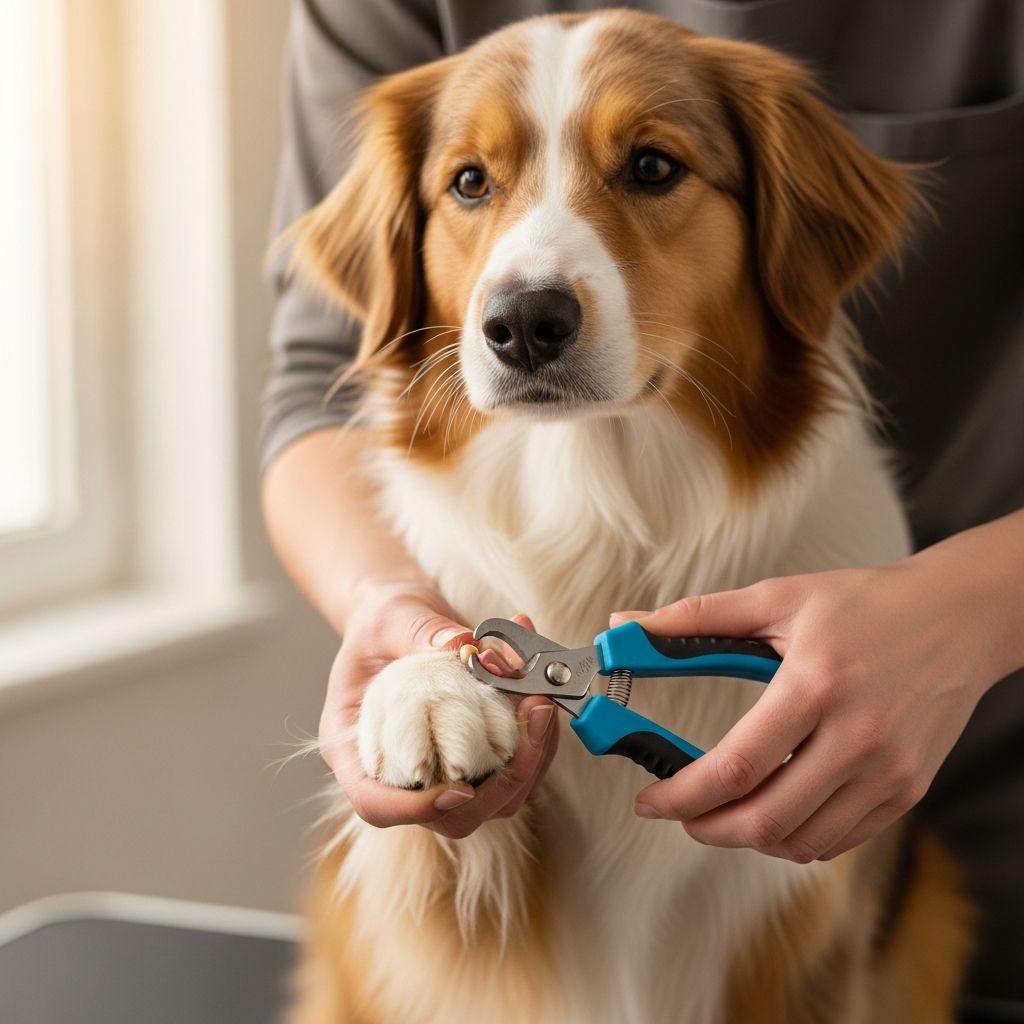
Keeping your dog’s nails trimmed is one of the most important aspects of canine grooming and overall health maintenance. Regular nail trimming not only keeps your pet comfortable but also prevents serious health complications that can arise from overgrown nails. This comprehensive guide will walk you through everything you need to know about trimming your dog’s nails safely and effectively at home.
Why Regular Nail Trimming Matters
Your dog’s nails play a crucial role in their mobility and comfort. Most dogs should have their nails trimmed monthly, though some dogs with higher activity levels may require less frequent trimming. If your puppy’s nails touch the ground when they are standing, they should be trimmed immediately. Another clear indicator that your dog needs a nail trim is hearing their nails clicking on hard floors when they walk.
Overgrown nails can significantly affect your dog’s ability to walk, especially on hard surfaces. They can also curve around and grow into the paw pads, causing painful wounds that easily become infected. Additionally, long nails are more likely to snag on something like carpet and break, causing pain and bleeding. Keeping nails at an appropriate length helps your dog maintain proper posture and prevents joint problems that can develop from altered gait patterns.
Understanding Dog Nail Anatomy
Before you begin trimming your dog’s nails, it’s essential to understand the anatomy of a dog’s toenail. The most important structure to recognize is the quick, which is the part of the nail that contains nerves and blood vessels. If you cut the quick, your dog may experience pain and will bleed. While it’s stressful to imagine accidentally hurting your dog, even professional groomers hit the quick on occasion.
With clear or white nails, you should be able to see the pink quick within the nail. Cut up to about 2 to 3 millimeters (mm) away from the quick. With dark nails, where the quick is not visible, we recommend removing 1 to 2 mm of nail with each clip, progressively shortening the nail. By slowly taking off more and more of the nail, you significantly reduce the likelihood of injuring the quick.
You want to get to where the nail starts curving, but you should stop sooner if you run into the quick. If you are having trouble identifying the quick, your veterinary care team is happy to help you become more comfortable with at-home nail trims.
Essential Tools and Equipment
Having the right equipment is crucial for safe and effective nail trimming. Before practicing on your pet, it is best to learn how to handle the clippers or Dremel and how to identify the blood vessel. You may practice on items such as cocktail straws, Q-Tip sticks, or raw pasta to get a feel for how to use and control each piece of equipment.
There are several types of nail trimmers available for dogs:
- Scissor-style clippers: These work with a scissors-like motion and are suitable for most dogs
- Guillotine-style clippers: These feature a hole where you insert the nail and a blade that cuts as you squeeze
- Dremel or rotary grinders: These electric tools sand down the nail gradually and can be easier for dogs with thick nails
Additionally, you should have styptic powder on hand in case you accidentally cause bleeding. Styptic powder can be purchased from pet stores and stops bleeding quickly. In a pinch, you can use flour or cornstarch.
Preparing Your Dog for Nail Trimming
Creating a positive association with nail trimming is essential for stress-free grooming sessions. Nail care training is a two-step process. First, you need to get comfortable with the equipment, and second, you must help your pet develop a positive emotional response to the nail trims.
Step 1: Get Comfortable Yourself
Before training your dog, make sure you know how to trim the nails and how to use the equipment. Learn the anatomy of the toenail, how to identify the blood supply inside the nail (“quick”), what to do if you trim a nail too short, and how to comfortably operate your clippers. Practice using cocktail straws, dry pasta, and toothpicks while you’re learning to comfortably handle the nail clippers and shave off tiny pieces of nail. This practice builds your confidence and muscle memory before working on your dog.
Step 2: Create a Comfortable Setup
Start your training by finding a location and position that is comfortable for you and your dog. Nail trims may be done in your lap, in a dog bed, or even on a grooming table. It can be helpful to create a handling station such as a special table with a non-slip surface. This consistency helps your dog develop a routine and feel secure during grooming.
Training Your Dog to Accept Nail Trims
Building your dog’s tolerance for nail trimming is a gradual process that requires patience and positive reinforcement. Start slow and reward your dog for letting you handle their paws. Reward them again for letting you trim just one nail. Trim one nail per attempt until your dog calmly allows the nail to be trimmed.
Phase 1: Paw Handling
Before you introduce your dog to the equipment, get them to relax while having their feet handled. Remember, dogs have more nerve endings in their feet and toes than they have on other body parts. These areas are naturally sensitive. For this reason, use a gliding touch to reach the paw rather than picking up the paw directly.
Gently manipulate their foot, giving a treat with each change in position. Keep sessions short to start. For some pets, one 15-second session is enough. If your pet remains relaxed and continues to enjoy the treats, you may do two or three movements in each session. Continue holding the paw at varying angles. Reward your dog when you move the paw to see and gently touch the sensitive claws.
Phase 2: Equipment Introduction
Before you ever introduce the clippers, be sure your pet allows you to handle each claw for several sessions. Next, manipulate the paw and claws, as before, but this time hold the clippers or Dremel in your hand. Do not turn on the Dremel just yet. Reward your dog throughout this process. If you are using a Dremel, add some sessions after this in which you turn on the Dremel while manipulating the feet and claws, but you do not connect the Dremel with the claws.
Phase 3: Progressive Trimming
To start, you will shave a tiny flake from the tip of one nail. Treat your dog and take a break. You may only do one nail and spend the rest of the session rewarding just for having the toes handled. Later in the day, you may try another session and shave a bit off the next nail. Then move up to a couple nails per session, rewarding your dog as you go. You’ll want to continue in this way until you’re able to do the whole nail trim in one session.
Step-by-Step Nail Trimming Instructions
Once your dog is comfortable with the equipment and handling, you can proceed with the actual trimming process.
Identifying the Quick
Remove tiny slices of nail and inspect the nail regularly for signs you’re approaching the blood supply inside the nail. When you get close to the quick, the center of the nail changes in color and texture. Rather than flaky and dry-looking, it will begin to appear slightly shiny, like the inside of a jellybean. Stop trimming when you see a change in texture. Cutting into the “jellybean” layer will result in reaching the quick and causing bleeding and pain.
The Trimming Process
Position your dog comfortably and secure their paw gently but firmly. Look at the underside of the nail and locate where you’ll make your cut. For light-colored nails, aim to cut 2-3mm away from the quick. For dark nails, take small amounts off with each clip until you see the telltale jellybean appearance in the center.
Make one quick, smooth motion with the clippers. Avoid crushing or grinding the nail, as this can cause pain even if you don’t cut the quick. If you are using a Dremel, just a 1–2 second grind is sufficient. Otherwise, the nail can heat up, and your dog will become uncomfortable.
What to Do If You Cut the Quick
If you accidentally cut the quick and your dog’s nail bleeds, remain calm. Cutting the quick may cause your dog’s claw to bleed for a few minutes. It can cause some pain, although it is usually brief. Apply styptic powder directly to the bleeding nail and pack it in a little bit, patting it down. Typically, it doesn’t hurt significantly, and the powder stops the bleeding quickly.
While it’s stressful to imagine accidentally hurting your dog, it might set back your ability to easily trim nails for a while, but most dogs can overcome this fear response and tolerate nail trims again if you are patient and continue to use positive-reinforcement methods.
Managing Fearful or Anxious Dogs
Some dogs have pre-existing fear or anxiety about nail trimming. If your dog shows reluctant or fearful body language, pause the session. These dogs need more specialized coaching to feel comfortable, and continuing will worsen their fear rather than reducing it.
If your dog appears comfortable, break the nail trim process into many small steps. Pair each small step with something wonderful. Keep sessions short (just a minute or two) and frequent (a few days a week). Monitor the dog’s body language during and after every repetition, and only progress to the next level of difficulty or intensity of touch when the dog looks comfortable.
For dogs with no pre-existing fear, the training process may take a session or two. For those with pre-existing fear, it may take weeks or months. Have plenty of delicious treats on hand to make it an enjoyable experience for your dog.
Getting Help From Others
Have someone else help you with the nail trim if possible. It’s safer for you and your dog if you have someone to help gently restrain them. An extra set of hands can make the process easier and less stressful for both you and your pet. Your assistant can hold the dog steady while you focus on trimming, or vice versa, depending on what works best for your situation.
Professional Nail Trimming Services
If you’re uncomfortable trimming your dog’s nails at home or if your dog has significant anxiety about the process, professional groomers and veterinary clinics offer nail trimming services. Professionals have extensive experience handling dogs of all temperaments and can often complete the task more quickly. They also have specialized tools and techniques for dogs with particularly thick or problematic nails.
You can also contact your VCA care team for guidance. They are happy to help you become more comfortable with at-home nail trims and can provide personalized advice based on your specific dog’s needs.
Maintaining a Regular Trimming Schedule
Establishing a consistent trimming schedule is key to maintaining your dog’s nail health. Most dogs should have their nails trimmed monthly, though this can vary based on your individual dog’s activity level and nail growth rate. Some dogs with higher activity levels may wear their nails naturally and require less frequent trimming, while senior dogs or those with lower activity levels may need more frequent trims.
Set a reminder on your phone or calendar to check your dog’s nails monthly. This routine maintenance prevents nails from becoming overgrown and painful, reducing the need for more intensive grooming sessions.
Frequently Asked Questions About Dog Nail Trimming
Q: How often should I trim my dog’s nails?
A: Most dogs should have their nails trimmed monthly. However, some dogs with higher activity levels may require less frequent trimming, while some need a trim weekly. Check your dog’s nails regularly to determine their specific needs.
Q: What are the signs that my dog’s nails need trimming?
A: If your dog’s nails touch the ground when they are standing, they should be trimmed. If you can hear their nails clicking on hard floors when they walk, this is also an indicator that they need a trim.
Q: What should I do if I accidentally cut the quick?
A: Apply styptic powder, flour, or cornstarch to the bleeding nail to stop the bleeding quickly. The pain is usually brief. Continue using positive reinforcement methods to help your dog overcome any fear response.
Q: How can I practice trimming nails before working on my dog?
A: Practice on items such as cocktail straws, Q-Tip sticks, raw pasta, or toothpicks to get a feel for how to use and control the clippers or Dremel before practicing on your pet.
Q: What should I do if my dog is afraid of nail trimming?
A: Take it slowly with lots of positive reinforcement. Break the process into small steps, keep sessions short and frequent, and use treats and praise liberally. For dogs with significant fear, this may take weeks or months.
Q: Can I use a Dremel instead of clippers?
A: Yes, a Dremel or rotary grinder is a good alternative and can be easier for dogs with thick nails. Use it for just 1-2 seconds at a time to avoid overheating the nail.
Q: What happens if nails become too overgrown?
A: Overgrown nails can curve around and grow into the paw pads, causing painful wounds that easily become infected. They also affect your dog’s ability to walk and can snag on carpet, causing pain and bleeding.
Q: Should I get professional help with nail trimming?
A: If you’re uncomfortable trimming your dog’s nails or your dog has significant anxiety, professional groomers and veterinary clinics offer nail trimming services. You can also contact your veterinary care team for personalized guidance.
References
- Puppy Bath & Nail Trim Tips — VCA Animal Hospitals. 2024. https://vcahospitals.com/pediatric/puppy/behavior-training/puppy-bathing-and-nail-trims
- Handling Exercises for Trimming Nails and Brushing Teeth — VCA Animal Hospitals. 2024. https://vcahospitals.com/know-your-pet/handling-exercises-for-trimming-nails-and-brushing-teeth
- Taking the Stress out of Nail Trimming for Dogs — VCA Animal Hospitals. 2024. https://vcahospitals.com/know-your-pet/taking-the-stress-out-of-nail-trimming-for-dogs
- AskVCA – How to trim your dog’s toenails — VCA Animal Hospitals. 2024. https://www.youtube.com/watch?v=OesM10X7QtI
Similar Articles








Read full bio of medha deb




