

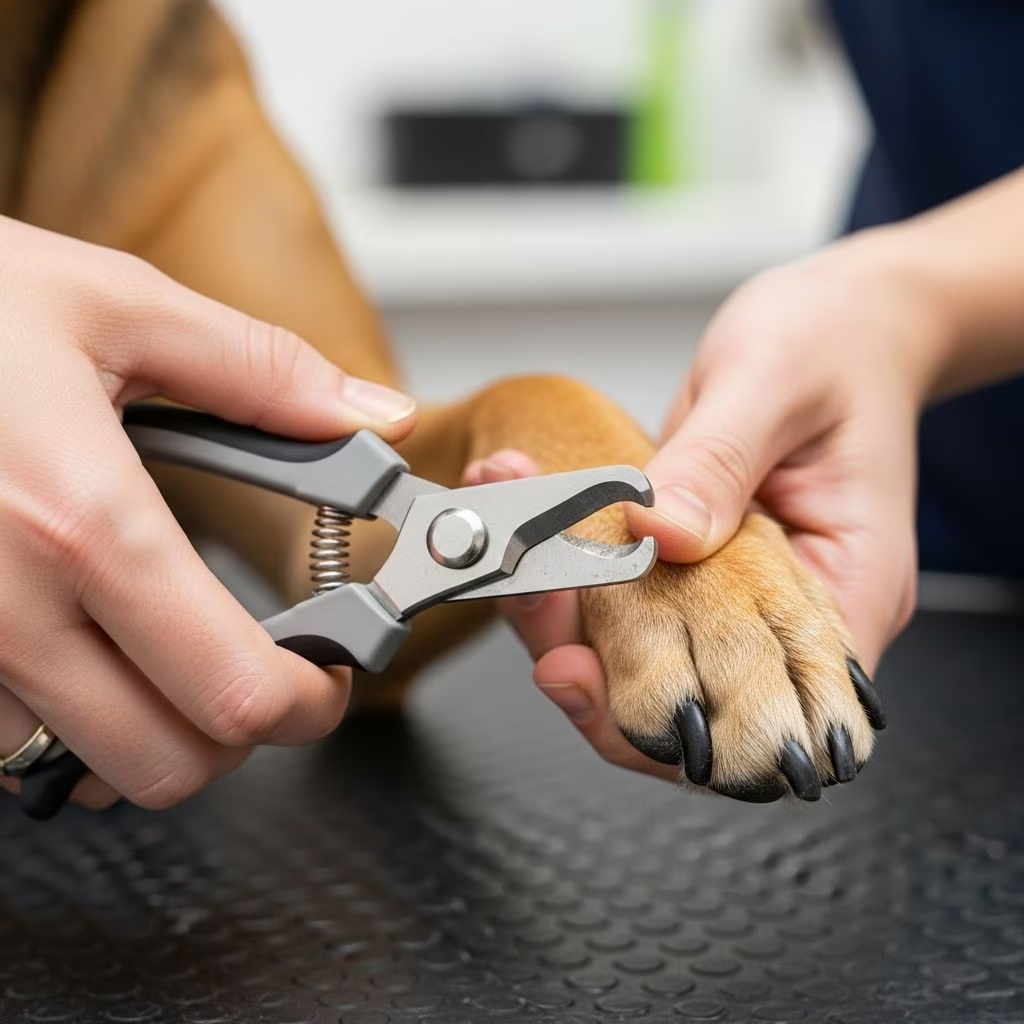
How to Trim a Dog’s Nails: Complete Guide for Pet Owners
Keeping your dog’s nails properly trimmed is an essential part of their overall health and wellness routine. Overgrown nails can cause discomfort, affect your dog’s gait, and lead to potential joint problems over time. Learning how to trim your dog’s nails at home can save you money on professional grooming and helps you bond with your pet while maintaining their hygiene. This comprehensive guide will walk you through everything you need to know about dog nail trimming, from identifying when it’s time for a trim to safely performing the procedure with confidence.
Understanding Your Dog’s Nail Structure
Before you begin trimming your dog’s nails, it’s crucial to understand the anatomy of a dog’s nail. Each nail contains a blood vessel and nerve ending called the “quick.” The quick appears as a pink dot or line in light-colored nails and can be harder to spot in dark nails. If you cut into the quick, it will cause bleeding and pain for your dog. Understanding this anatomy is the first step toward safe and effective nail trimming.
The outer part of the nail is hard and keratin-based, similar to human fingernails. When you look at the cross-section of a nail, you’ll notice different textures. The outer portion appears flaky and dry, while the area near the quick looks shiny, similar to the inside of a jellybean. This visual distinction helps you know when to stop trimming to avoid hitting the quick.
How Often Should You Trim Your Dog’s Nails?
Most dogs require nail trimming every three to four weeks, though some dogs with more active lifestyles may need trimming only weekly or monthly. The best indicator that your dog needs a nail trim is when their nails touch the ground while they’re standing in a normal position. If you hear your dog’s nails clicking on hardwood floors or tile, this is a clear sign that trimming is overdue.
Factors affecting how frequently your dog needs nail trims include their lifestyle, age, and individual nail growth rate. Dogs that spend significant time outdoors on rough terrain may naturally wear down their nails and require less frequent trims. Senior dogs and less active pets may need more frequent trims as their nails grow faster and they’re less likely to naturally wear them down.
Essential Tools and Supplies for Dog Nail Trimming
Having the right tools makes the nail trimming process safer and more efficient. Here are the essential supplies you’ll need:
- Nail Clippers: Choose between scissor-style clippers or guillotine-style clippers based on your preference and your dog’s nail size.
- Dremel or Nail Grinder: An electric grinder is an excellent alternative to clippers for smoothing and shortening nails.
- Styptic Powder: This powder stops bleeding quickly if you accidentally cut into the quick. You can also use flour or cornstarch in a pinch.
- Treats: High-value treats that your dog loves are essential for positive reinforcement during the trimming process.
- Non-Slip Surface: A grooming table, dog bed, or special mat provides stability and comfort during nail trims.
Preparing Yourself and Your Dog for Success
Practice Before You Begin
Before attempting to trim your dog’s nails, practice using your clippers or Dremel on safe objects first. Use cocktail straws, Q-tip sticks, or raw pasta to develop a feel for how to handle and control your equipment. This practice helps you understand the proper pressure needed and prevents anxiety when working on your dog’s actual nails.
Get Your Dog Comfortable with Paw Handling
Dogs have more nerve endings in their feet and toes than on other body parts, making their paws naturally sensitive. Before introducing any clippers or tools, spend several sessions simply touching and handling your dog’s paws. Use a gliding touch rather than grabbing the paw directly. Reward your dog with treats after each gentle manipulation of their feet.
Gradually increase the intensity of handling by manipulating individual toes and extending the claws. Each handling session should be short (15 seconds to one minute) and frequent (several times per week). Only progress to the next step when your dog remains relaxed and eagerly accepts treats throughout the process.
Step-by-Step Nail Trimming Instructions
Step 1: Create a Comfortable Trimming Environment
Find a quiet location where you and your dog can both be comfortable. This might be your lap, a dog bed, or a designated grooming table. A non-slip surface is ideal to prevent your dog from sliding or feeling insecure. Having a second person to gently restrain your dog can make the process safer and easier for both of you.
Step 2: Identify the Quick
Before making any cuts, carefully examine your dog’s nails to locate the quick. With clear or white nails, you should be able to see the pink quick as a distinct dot or line in the center of the nail. Cut approximately 2 to 3 millimeters away from the quick to ensure you don’t accidentally hit it.
For dark-colored nails, the process is different. You’ll remove only 1 to 2 millimeters of nail with each clip, progressively shortening the nail over multiple passes. As you get closer to the quick, the color and texture of the nail will change from flaky and dull to shiny and smooth. Stop trimming as soon as you notice this texture change.
Step 3: Position the Nail Clipper Correctly
Hold the nail clipper at the proper angle, positioning it so the cutting surface is perpendicular to the nail. Place the clipper around the nail, but ensure you’re not gripping too far up the nail where the quick is located. The goal is to cut at the point where the nail begins to curve.
Step 4: Make the Cut with Confidence
Use a quick, confident motion to cut the nail. Hesitant or slow cuts can crush the nail rather than cleanly cutting it. If using a Dremel or nail grinder, use only 1 to 2 seconds of grinding per nail to prevent the nail from heating up and causing discomfort. Reward your dog immediately after each nail is trimmed, even if you only complete one or two nails in a session.
Making the Process Positive for Your Dog
Creating a positive emotional response to nail trims is essential for long-term success. Have plenty of high-value treats on hand—items your dog absolutely loves and doesn’t get regularly. Reward your dog generously after each nail is trimmed and throughout the process for allowing paw handling.
If your dog shows signs of fear or reluctance, pause the session immediately. Continuing despite your dog’s discomfort will only worsen their anxiety. Dogs with pre-existing fear of nail trims may require weeks or months of gradual conditioning before they’re ready for full nail trims. For dogs without pre-existing fear, the training process may take only one or two sessions.
What to Do If You Accidentally Hit the Quick
Despite your best efforts, accidents can happen. If you cut the quick and your dog’s nail starts bleeding, don’t panic. The bleeding is usually brief, and while it may cause some momentary pain, it’s not a serious injury.
To stop the bleeding, apply styptic powder directly to the nail. Pack it into the nail and pat it down gently. The bleeding typically stops within a few minutes. If you don’t have styptic powder on hand, flour or cornstarch can serve as an effective substitute in an emergency.
Training Progression for Comfortable Nail Trims
Building your dog’s comfort with nail trims takes a systematic approach. Follow this example progression to help your dog feel secure:
- Touch your dog’s shoulder and immediately give a treat
- Touch the shoulder and glide toward the elbow, then treat
- Continue gliding progressively down the leg toward the wrist, rewarding each step
- Touch the shoulder and support the paw, offering treats throughout
- Introduce the clippers or Dremel to the hand while repeating the above steps
- Progressively move the clippers closer to the nail in one-inch increments
- Tap the tip of the toenail lightly with the clippers and immediately reward
- Use the clippers to shave off tiny slivers of nail, rewarding after each trim
Professional Help and When to Seek It
If you’re uncomfortable trimming your dog’s nails at home, professional groomers and veterinary clinics offer nail trimming services. A registered veterinary technician can show you the proper technique and help you become more confident with at-home nail trims. Many veterinarians recommend scheduling a professional demonstration before attempting nail trims at home for the first time.
Additionally, if your dog has extreme fear or anxiety about nail trims, professional groomers and veterinarians have experience working with anxious dogs and may be able to make the experience less stressful. Some veterinary clinics offer sedation options for dogs with severe anxiety, though this should be considered a last resort.
Frequently Asked Questions About Dog Nail Trimming
Q: How do I know if my dog’s nails are too long?
A: If your dog’s nails touch the ground when standing normally, or if you hear clicking sounds on hard floors, the nails need trimming. Overgrown nails can also affect your dog’s gait and cause discomfort.
Q: Can I use human nail clippers on my dog?
A: No, human nail clippers are not appropriate for dogs. Dog nails are thicker and harder than human nails, and using the wrong tools can crush rather than cut the nail, causing pain and damage.
Q: What’s the difference between nail clippers and a Dremel?
A: Nail clippers make quick cuts, while a Dremel grinds the nail down gradually. Both are effective; the choice depends on personal preference and your dog’s tolerance. A Dremel typically produces less mess and may be less startling for some dogs.
Q: My dog is extremely fearful of nail trims. What should I do?
A: If your dog shows fearful or reluctant body language, pause immediately. Work with a veterinarian or professional groomer who can help desensitize your dog gradually. This process may take weeks or months but is important for your dog’s long-term comfort.
Q: How can I make my dog hold still during nail trims?
A: Having a second person gently restrain your dog can help. Additionally, high-value treats, a comfortable position, and frequent short sessions all contribute to success. Never force your dog to stay still; building positive associations is more effective than restraint alone.
Q: Is it normal for my dog’s nail to bleed a little?
A: Minor bleeding can occur if you accidentally clip the quick. Apply styptic powder immediately and allow your dog a break before continuing. If bleeding is excessive or doesn’t stop within a few minutes, contact your veterinarian.
Nail Care as Part of Overall Pet Wellness
Regular nail trimming is just one aspect of comprehensive pet care. Keeping your dog’s nails at an appropriate length prevents pain, improves mobility, and supports healthy joint function. By learning to trim your dog’s nails at home, you’re taking an active role in their health and demonstrating care and attention to their needs.
Make nail trimming a regular part of your dog care routine, and over time, both you and your dog will become more comfortable with the process. The bond you build through patient, positive training will enhance your relationship and make nail care a manageable part of pet ownership.
References
- Puppy Bath & Nail Trim Tips — VCA Animal Hospitals. 2024. https://vcahospitals.com/pediatric/puppy/behavior-training/puppy-bathing-and-nail-trims
- Handling Exercises for Trimming Nails and Brushing Teeth — VCA Animal Hospitals. 2024. https://vcahospitals.com/know-your-pet/handling-exercises-for-trimming-nails-and-brushing-teeth
- Taking the Stress out of Nail Trimming for Dogs — VCA Animal Hospitals. 2024. https://vcahospitals.com/know-your-pet/taking-the-stress-out-of-nail-trimming-for-dogs



