

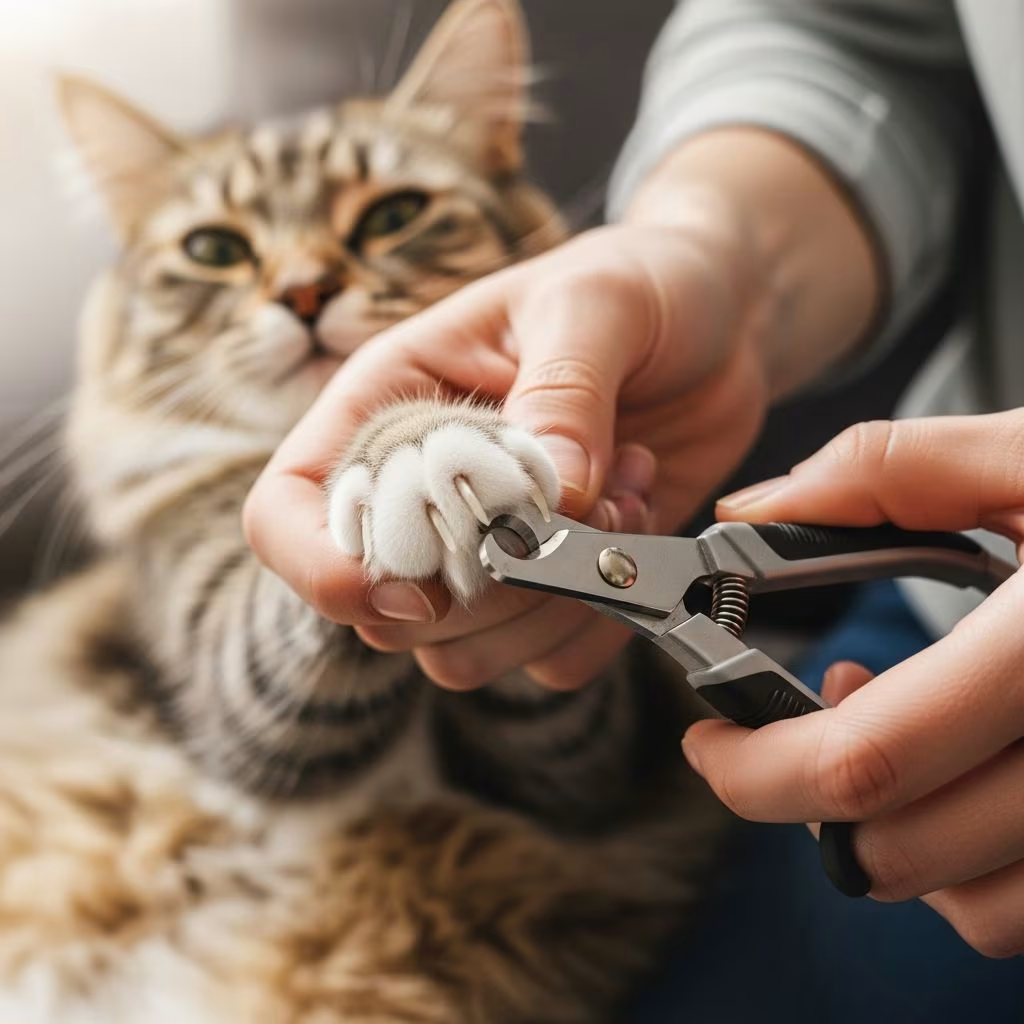
How to Trim a Cat’s Nails: A Complete Guide
Regular nail trimming is an essential part of cat grooming and overall health maintenance. Many cat owners find nail trimming challenging or stressful, but with the right knowledge, proper tools, and a patient approach, this routine task can become a manageable and even bonding experience. Understanding your cat’s nail anatomy, learning proper trimming techniques, and implementing gradual training methods will help you provide quality care for your feline companion at home.
Why Regular Nail Trimming Matters
Cats’ nails grow continuously throughout their lives, and without regular trimming, they can become overly long, sharp, and problematic. Overgrown nails can curl back into the paw pad, causing pain and potential infection. Long nails may also catch on furniture, carpets, or skin during play or normal activity. Regular nail maintenance prevents these complications and keeps your cat comfortable and healthy. Additionally, trimmed nails reduce damage to your home’s furnishings and minimize accidental scratches during playtime or handling.
How Often Should You Trim Your Cat’s Nails?
Most cats require nail trims every two to four weeks, though this timeline can vary depending on individual growth rates and lifestyle. Indoor cats typically need more frequent trims than outdoor cats, as they have fewer natural surfaces to wear down their nails. To determine if your cat’s nails need trimming, look for sharp points extending beyond the main nail body or visible tips that curve noticeably. If you notice your cat getting their nails caught on fabric or seeing visible scratches appearing more frequently, it’s time for a trim. Some cats may need trims more frequently than others, so observe your cat’s nails regularly to establish the best trimming schedule.
Understanding Your Cat’s Nail Anatomy
Before attempting to trim your cat’s nails, it’s crucial to understand their unique structure. Cats have retractable nails that naturally pull up into their paw pads when not in use. This adaptation serves as a protective mechanism in nature, keeping nails sharp and ready for climbing or defense.
The Quick and Nail Structure
The most important part of your cat’s nail to understand is the quick, which is the blood vessel running through the center of the nail. The quick appears as a pink line in clear nails and can be more difficult to see in dark or black nails. Cutting into the quick will cause bleeding and pain for your cat, so avoiding it is paramount. For cats with clear nails, the quick is usually easy to identify visually. When you look at your cat’s nail from underneath or in good lighting, you’ll see the pink quick in the middle of the nail. The outer portion of the nail, which is harder and translucent, is the part you want to trim.
Nail Shape and Hooking
Cat nails naturally grow in a curved, hooked shape. This hooked portion at the very tip of the nail is what typically needs trimming during regular maintenance sessions. The hook is designed to help cats climb and grip surfaces, but when it becomes overly pronounced or sharp, it can snag on objects or skin. You only need to remove the sharp, hooked tip of the nail, not the entire nail. This focused approach makes cat nail trimming relatively straightforward compared to trimming dog nails.
Gathering the Right Tools and Supplies
Using proper equipment makes nail trimming safer, easier, and more comfortable for both you and your cat. Having quality tools on hand before you begin ensures the process goes smoothly without interruptions to search for supplies.
Nail Clippers
Small scissors-type clippers designed specifically for cat nails are the recommended tool for this task. These clippers are sized appropriately for the delicate work required and provide better control and precision than larger clippers. Look for clippers with sharp, well-maintained blades that cut cleanly without crushing the nail, which can cause splitting or pain. If you don’t have cat-specific clippers available, small dog nail clippers can work in a pinch, but avoid using large clippers or human nail clippers, as they can damage the nail and make precise cuts difficult.
Additional Supplies
Beyond clippers, gather these helpful items before starting:
- Styptic powder or cornstarch: Keep this on hand in case you accidentally cut the quick. It helps stop bleeding quickly and can soothe minor cuts.
- Treats and rewards: Have high-value treats ready to reward your cat throughout and after the trimming session, helping create positive associations.
- Towel: A soft towel can help gently restrain your cat or provide them a comfortable surface to sit on.
- Good lighting: Ensure you have adequate lighting to see the nails clearly and identify the quick easily.
- Nail file: An optional but helpful tool for smoothing any rough edges after trimming.
Preparing Your Cat for Nail Trimming
Successful nail trimming begins long before you bring out the clippers. Proper preparation and gradual introduction to the process can transform nail trimming from a stressful ordeal into a manageable routine.
Handling and Desensitization Training
Start by regularly handling your cat’s paws in non-threatening ways during regular play and petting sessions. Gently touch their paws, massage between the toe pads, and extend their nails by applying light pressure behind the nail bed without using any tools. This desensitization process helps your cat become comfortable with paw handling. Reward this behavior generously with treats and praise to create positive associations with having their paws touched.
Introduction to Tools
Once your cat accepts paw handling, introduce the clippers or Dremel tool without using them. Let your cat see, smell, and become familiar with the equipment in a non-threatening context. Hold the clippers near your cat’s paws while giving treats, so they associate the tool’s presence with positive rewards. Some cats may take days or weeks to fully accept having the tool near their paws, and that’s perfectly normal.
Creating a Comfortable Environment
Choose a quiet, well-lit location for nail trimming where you and your cat feel comfortable. Many cats prefer being gently restrained on their owner’s lap or bundled loosely into a towel, which provides security and prevents them from jumping away unexpectedly. Create a calm atmosphere without distractions, loud noises, or other pets competing for attention.
Step-by-Step Nail Trimming Technique
Once your cat is comfortable with paw handling and tool introduction, you’re ready to begin the actual trimming process. Following proper technique ensures safety and effectiveness.
Positioning Your Cat
Position your cat comfortably on your lap or in a secure location where they can’t easily jump away. If your cat is nervous, having a second person available to gently hold them can be helpful, though many cats trim better when restrained only by the person doing the trimming. Support your cat’s body with one hand while working with their paw, providing security and comfort throughout the process.
Extending the Nail
Take one paw gently in your hand and apply slight pressure behind the nail bed using your thumb or forefinger. This pressure causes the nail to pop out and extend fully from the paw, making it visible and accessible for trimming. Hold the paw at a comfortable angle where you can see the nail clearly and access it easily with your clippers.
Identifying the Trim Line
Look carefully at the nail and identify where the hooked tip begins. For clear nails, you can clearly see the pink quick in the middle of the nail. Plan to trim only the translucent outer portion of the nail, stopping well before the quick begins. If you’re uncertain about where the quick is located, trim less nail rather than risk cutting into it. It’s better to leave slightly longer nails than to cause bleeding and pain by cutting too close.
Making the Cut
Position your clippers perpendicular to the nail, placing them just behind the hooked tip. Using a quick, decisive motion, apply gentle pressure to clip off only the hooked portion of the nail. Avoid crushing the nail or making slow, grinding cuts, as these can cause the nail to split or splinter. One clean, quick cut is best. If your cat tolerates it, you may trim multiple nails in a single session, but short initial sessions are often better for building tolerance and positive associations.
Common Challenges and Solutions
Many cat owners encounter specific challenges during nail trimming. Understanding these common issues and their solutions helps ensure successful grooming sessions.
Cats Pulling Away
If your cat pulls their paw away or resists handling, stop immediately and return to earlier training steps. Don’t force the process, as this creates negative associations. Resume paw handling exercises without clippers, reward generously, and progress gradually. Some cats need days or weeks of desensitization before they’re ready for actual trimming.
Accidental Quick Cutting
If you accidentally cut the quick, don’t panic. The nail will bleed for a few moments, but this is usually not a serious emergency. Apply styptic powder or cornstarch directly to the bleeding nail and apply gentle pressure with a soft cloth for a few minutes to stop the bleeding. Your cat may experience brief pain, but the wound typically heals quickly. To prevent this in the future, trim less nail per session and identify the quick more carefully before each cut.
Black or Dark Nails
Dark nails make seeing the quick more difficult since the blood vessel isn’t visible through the dark nail material. When working with dark nails, trim conservatively by removing only small amounts at a time. As you trim, watch for a change in the nail’s appearance—the center will appear slightly different in color or texture as you approach the quick, similar to the inside of a jellybean. Stop trimming immediately when you notice this change in appearance.
Extremely Anxious Cats
Some cats develop such strong anxiety around nail trimming that in-home training isn’t sufficient. In these cases, consulting your veterinarian is recommended. They may suggest oral calming medications to help your cat relax during the process, making training and trimming more successful. For cats with severe anxiety that doesn’t respond to training or oral medications, sedation during professional trimming at your veterinary clinic may be the safest option.
Signs Your Cat Is Stressed During Trimming
Learning to recognize stress signals helps you know when to pause or stop the trimming session. Common signs of feline stress during nail care include:
- Pulling whiskers forward or back
- Folding ears to the side or back
- Twitching or thrashing tail
- Dilated pupils
- Attempts to pull away or escape
- Tensing of the body
- Vocalizations such as hissing or growling
If you notice any of these signs, stop the trimming session immediately and let your cat calm down. Resume with a shorter session later, or consider using gradual training over several days before attempting trimming again.
Professional Grooming as an Alternative
If trimming your cat’s nails at home proves consistently difficult or stressful, professional grooming services and veterinary clinics offer nail trimming as part of their grooming or wellness services. Professional groomers and veterinarians have experience handling anxious cats and access to sedation options if needed. Regular professional nail trims ensure your cat receives consistent care even if home trimming isn’t feasible for your situation.
Maintaining a Regular Trimming Schedule
Consistency is key to successful long-term nail care. Once you establish a regular trimming schedule based on your cat’s individual nail growth rate, stick to it. Many cat owners find it helpful to schedule trims on a specific day each month or every two to three weeks, depending on their cat’s needs. Consistent trims prevent nails from becoming severely overgrown and reduce the challenge of each trimming session, as you’re removing less nail and causing less stress to your cat.
Frequently Asked Questions
Q: What should I do if I cut my cat’s quick?
A: Stay calm and apply styptic powder or cornstarch to the bleeding nail. Apply gentle pressure with a soft cloth for a few minutes to stop the bleeding. Most bleeding stops within minutes, and the wound heals quickly. Monitor your cat’s nail over the following days to ensure no infection develops.
Q: Can I use human nail clippers for my cat?
A: Human nail clippers are not recommended for cat nails. Cat-specific or small dog nail clippers are designed for the proper size and cutting angle needed for feline nails. Human clippers can crush the nail or make precise cuts difficult.
Q: How long does a nail trimming session typically take?
A: Initial training sessions may last only a few seconds to a minute. Once your cat is comfortable with the process, a full nail trimming session typically takes three to five minutes. Some cats tolerate longer sessions, while anxious cats may need several shorter sessions spread throughout the day.
Q: My cat has one black nail and several clear nails. How do I trim the black one safely?
A: With black nails, trim conservatively by removing only small amounts at a time. Watch for a change in the nail’s texture or appearance as you approach the quick. The center will look slightly different, similar to a jellybean interior. Stop trimming when you notice this change.
Q: Is it normal for my cat to bleed a little after trimming?
A: If you’ve accidentally cut the quick, minimal bleeding is normal and typically stops within a few minutes with styptic powder application. However, excessive bleeding or bleeding that doesn’t stop should prompt a call to your veterinarian.
Q: Can I trim my cat’s nails if they’re wet or damp?
A: It’s best to trim nails when they’re dry. Wet nails are more difficult to see clearly, slippery to handle, and may not cut as cleanly. Wait until your cat’s nails are completely dry before attempting trimming.
References
- A Guide to Trimming Your Cat’s Nails — VCA South Shore Animal Hospital. 2020-04-19. https://www.youtube.com/watch?v=Aijvd5ALgfo
- Handling Exercises for Trimming Nails and Brushing Teeth — VCA Animal Hospitals. https://vcahospitals.com/know-your-pet/handling-exercises-for-trimming-nails-and-brushing-teeth
- Pet Nail-Trimming: Nightmare No More! — Northeast Animal Hospital. https://northeastanimalhospital.com/news/pet-nail-trims-made-easy



