

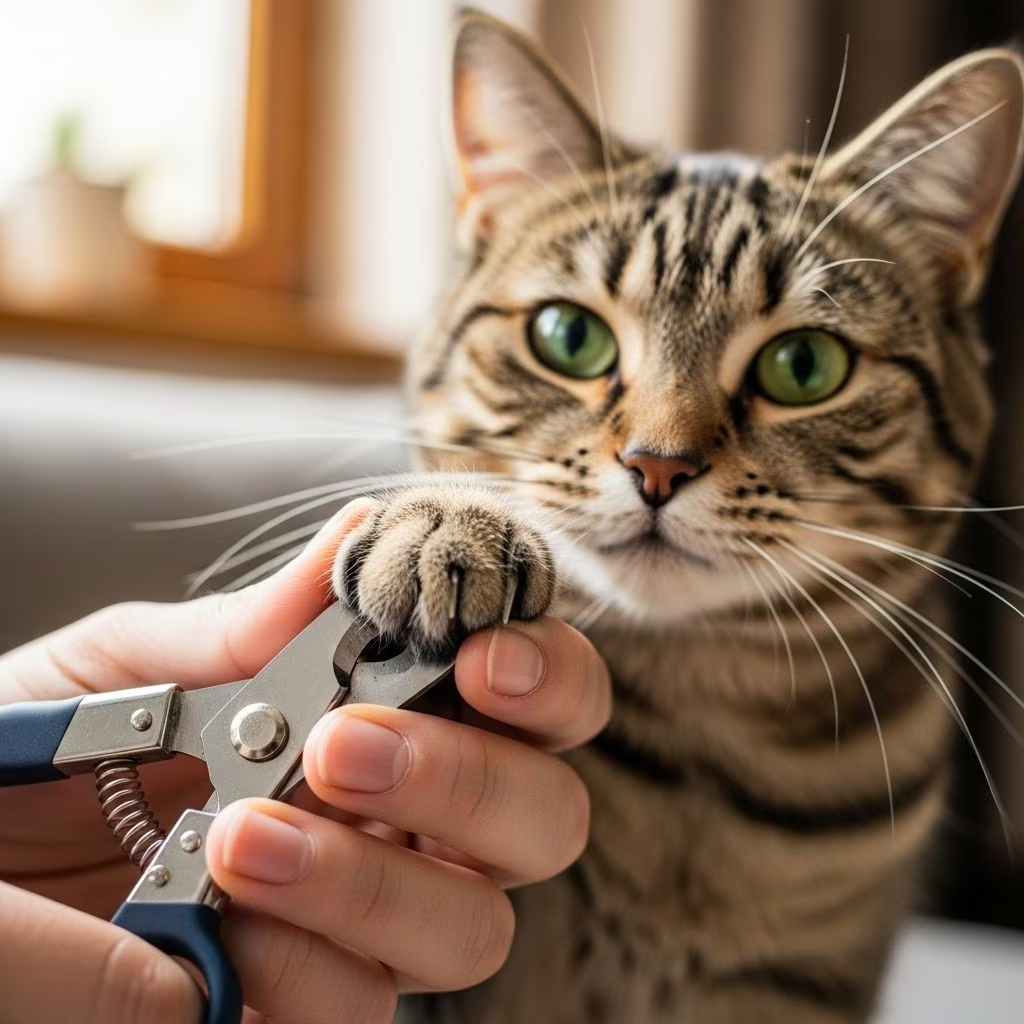
How to Trim a Cat’s Nails: A Complete Guide
Keeping your cat’s nails trimmed is an essential part of responsible pet ownership. Regular nail maintenance not only protects your furniture from scratches and damage, but it also prevents painful complications for your feline friend. When cats’ nails become too long, they can break painfully, get caught in carpets, or cause discomfort when they knead or walk. Learning how to properly trim your cat’s nails at home can save you money on veterinary visits and help your cat stay comfortable and healthy. This comprehensive guide will walk you through everything you need to know about feline nail care.
Why Regular Nail Trimming Matters
Many cat owners underestimate the importance of regular nail maintenance. Beyond protecting your furniture from those characteristic scratch marks, nail trimming serves several critical functions for your cat’s wellbeing. Long nails can become caught in carpet fibers, causing painful breaks or even injuries to the nail bed. When nails grow too long, they can also alter your cat’s gait and posture, potentially leading to joint pain or mobility issues over time. Additionally, overgrown nails can cause discomfort when your cat engages in normal behaviors like kneading or climbing. By maintaining a regular trimming schedule, you help your cat move comfortably and prevent unnecessary pain.
How Often Should You Trim Your Cat’s Nails?
The frequency of nail trimming varies depending on your individual cat’s lifestyle and growth rate. Most cats require nail trims every 2 to 4 weeks to maintain optimal nail length. Indoor cats may need more frequent trimming since they don’t naturally wear down their nails through outdoor activities like climbing trees and digging in soil. To determine if your cat’s nails need trimming, look for a sharp point forming beyond the main triangular wedge of the nail. Another indicator is if you can see a visible hook at the tip of the nail. Some cats may need trimming more or less frequently depending on their individual nail growth rate, so it’s helpful to develop an awareness of your specific cat’s trimming schedule.
Essential Tools for Cat Nail Trimming
Having the right equipment on hand makes the nail trimming process much easier and safer for both you and your cat. Fortunately, the tools required are straightforward and readily available.
Types of Nail Clippers
Several types of nail clippers work well for cat nail trimming. Small scissors-type trimmers are specifically designed for cats and effectively remove just the hooked portion of the claw without damaging the rest of the nail. If you don’t have cat-specific clippers, you can also use small cap-size clippers or even human baby clippers, particularly those with a bulbous handle for comfortable gripping. The key is choosing a tool that feels secure in your hand and allows you to see exactly where you’re cutting.
Additional Supplies
Beyond clippers, gather a few other helpful items before starting. Keep cornstarch or flour nearby in case you accidentally cut the quick—this powder helps stop bleeding quickly. Have plenty of treats available to reward your cat throughout the process and create positive associations with nail trimming. Choose a comfortable spot where you can work, such as your lap or a couch, and ensure you have good lighting so you can see the nail clearly.
Understanding Cat Nail Anatomy
Before you begin trimming, it’s important to understand the structure of your cat’s claws. Cats have retractable nails that normally stay hidden inside their paws. When you’re ready to trim them, you need to apply gentle pressure right behind the nail bed to make the nail pop out, just like extending them naturally. Most cats have clear or white nails, which makes it easy to see the sensitive quick—the pink area containing blood vessels and nerve endings. Some cats have darker or black nails, which require extra care since you can’t see the quick as easily. Regardless of nail color, the goal is to remove only the sharp, hooked tip of the nail while avoiding the quick entirely.
Preparing Your Cat for Nail Trimming
Successful nail trimming starts with proper preparation. Taking time to acclimate your cat to the process makes everything smoother and less stressful.
Familiarization with Equipment
Begin by letting your cat become familiar with the nail clippers. Place the clippers near her so she can sniff and investigate them at her own pace. Reward her with treats if she approaches them calmly or shows no fear. Once she’s comfortable with the appearance of the clippers, try gently touching her paws and toes with them, allowing her to get used to having them around her feet. This gradual introduction helps reduce anxiety when it’s time for actual trimming.
Paw Handling Practice
Before attempting any trimming, spend time handling your cat’s paws in a gentle, positive way. Regularly touch her feet, massage her paws, and gently extend her claws so she becomes accustomed to this handling. The goal is for your cat to associate paw handling and nail care with pleasant outcomes rather than stress or fear. When your cat is comfortable with paw handling and shows no signs of anxiety, you’re ready to move forward with actual trimming.
Step-by-Step Nail Trimming Technique
Once you’ve prepared your cat and gathered your supplies, follow these steps for safe and effective nail trimming.
Step 1: Create the Right Environment
Choose a small, safe space with a door and good lighting, such as a bathroom or bedroom. This contained area prevents your cat from running away mid-trim and allows you to retrieve her easily if she decides to escape. Ensure you have adequate lighting so you can see each nail clearly and accurately identify where to cut. Having all your supplies ready before you start—clippers, treats, and cornstarch—ensures smooth execution.
Step 2: Position Your Cat Comfortably
Sit on the floor and hold your cat securely in your lap, ideally with her belly side up. Many cats prefer to be gently restrained on your lap or even bundled into a towel for their sessions. Comfort her with soothing words and gentle strokes. If your cat responds well to treats, offer her one to help her relax. The key is making the experience as calm and pleasant as possible. Don’t rush this step—spending a few extra minutes getting your cat settled can prevent stress and make the entire process quicker.
Step 3: Extend the Nail
Using your thumb and forefinger, gently squeeze her paw so that the nails are extended. You may need to apply a little bit of pressure right behind the nail bed to make the retractable nail pop out fully. Take your time with this step and handle her paws gently. If she pulls away or shows signs of stress, pause and offer treats before trying again. Never force her paw into extension, as this can cause pain and fear associated with future trims.
Step 4: Trim the Sharp Tip
Position your clippers right behind the hook at the tip of the nail and clip in one quick motion. The goal is to remove only the sharp, hooked portion of the nail while leaving the main body of the claw intact. For cats with clear nails, you can easily see where the hook is and where the quick begins. If your cat has dark nails, be extra cautious and remove smaller portions to avoid accidentally cutting the quick. Work on one nail at a time, rewarding your cat after each successful trim.
What to Do if You Cut the Quick
Despite your best efforts, accidents can happen. If you accidentally cut the quick and your cat’s nail bleeds, stay calm. Your cat will likely experience brief pain, but the bleeding usually stops within a few minutes. Immediately apply a small amount of cornstarch or flour to the bleeding nail and apply gentle pressure to help stop the bleeding. After an accidental quick trim, it’s best to abandon the nail trimming effort for the day and let your cat recover both physically and emotionally. You can resume trimming the remaining nails during a future session once your cat has regained confidence in the process.
Signs Your Cat is Uncomfortable
Learning to recognize signs of stress or discomfort helps you know when to pause or stop the trimming session. Watch for these indicators that your cat is becoming anxious:
- Pulling the paw away repeatedly
- Moving away from the nail-care area
- Pulling whiskers far forward or back
- Folding ears to the side or back
- Twitching tail
- Exhibiting dilated pupils
If you notice any of these signs, stop immediately and give your cat a break. Go back to a previous step in the training process or try again later. Pushing through your cat’s stress signals can create lasting negative associations with nail trimming and make future sessions much more difficult.
Creating Positive Associations with Nail Trimming
The most successful approach to nail trimming involves making it a positive experience for your cat. Use high-value treats that your cat loves and only receives during nail trimming sessions. Reward her generously for allowing you to handle her paws, for remaining calm during trimming, and for being brave throughout the process. Keep initial sessions very short—just a few seconds—and gradually extend the duration as your cat becomes more comfortable. By making nail trimming something your cat looks forward to rather than dreads, you’ll find future sessions become much easier and less stressful for everyone involved.
Professional Alternatives
If you’re uncomfortable trimming your cat’s nails at home or if your cat is particularly resistant, professional grooming services and veterinary clinics offer nail trimming as a routine service. Veterinarians and professional groomers have experience handling anxious cats and can perform the task quickly and safely. Some cats simply do better with professional care, and that’s perfectly acceptable. The most important thing is that your cat’s nails are maintained regularly, whether you do it yourself or seek professional assistance.
Frequently Asked Questions
Q: How can I tell if my cat’s nails are too long?
A: If you can see a sharp point on the nail or a hook forming beyond the main triangular wedge of the nail, it’s time for a trim. You might also notice your cat’s nails making clicking sounds on hard floors.
Q: Can I use human nail clippers on my cat?
A: While human baby clippers with bulbous handles can work in a pinch, cat-specific clippers are designed for feline nail thickness and shape, making them more effective and safer.
Q: What if my cat has black nails and I can’t see the quick?
A: With dark nails, trim smaller portions at a time. Look for a small dot in the center of the nail—this is the beginning of the quick. Stop trimming before reaching it.
Q: How long does a nail trimming session typically take?
A: For a well-trained cat, a complete nail trim usually takes 5-10 minutes. For cats still learning to accept the process, sessions may be just a few seconds or minutes as you build positive associations.
Q: Is it normal for my cat to bleed a little after trimming?
A: A small amount of bleeding if you accidentally cut the quick is normal and will stop within a few minutes with pressure and cornstarch. However, if bleeding continues heavily, contact your veterinarian.
Q: Should I trim all four paws every time?
A: Yes, cats have nails on all four paws that need regular trimming. However, you can do this over multiple sessions if your cat becomes tired or stressed during a single session.
References
- A Guide to Trimming Your Cat’s Nails — VCA South Shore Animal Hospital. 2020-04-19. https://www.youtube.com/watch?v=Aijvd5ALgfo
- How to Trim Your Cats Claws — Hill’s Pet Nutrition. https://www.hillspet.com/cat-care/routine-care/trimming-cat-claws
- Handling Exercises for Trimming Nails and Brushing Teeth — VCA Animal Hospitals. https://vcahospitals.com/know-your-pet/handling-exercises-for-trimming-nails-and-brushing-teeth
- Grooming and Coat Care for Your Cat — VCA Animal Hospitals. https://vcahospitals.com/know-your-pet/grooming-and-coat-care-for-your-cat
- Pet Nail-Trimming: Nightmare No More! — Northeast Animal Hospital. https://northeastanimalhospital.com/news/pet-nail-trims-made-easy



