

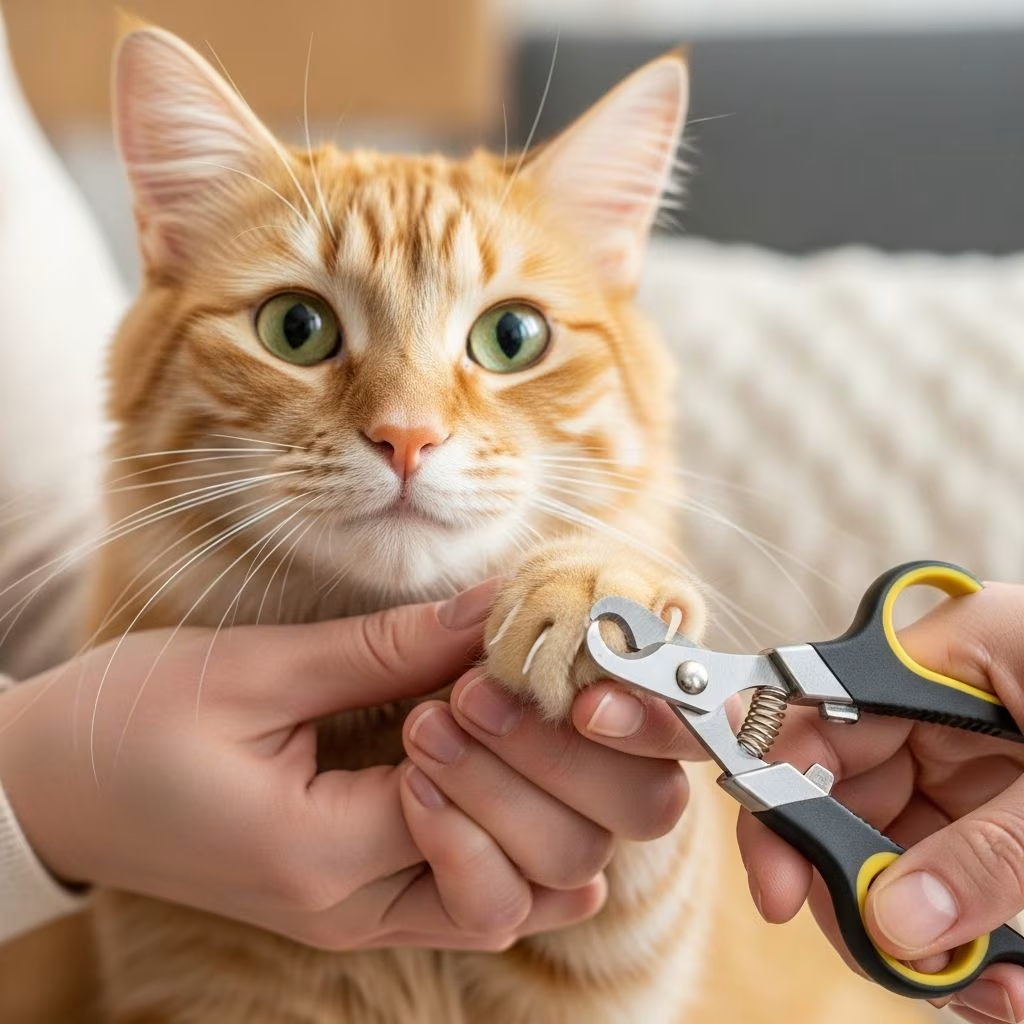
How to Trim Cat Nails: Step-by-Step Tips From a Pro
Regular nail trimming is an essential part of cat grooming and overall wellness. Overgrown cat nails can become painful, may curl and dig into the paw pad, and can cause discomfort while walking. Learning how to properly trim your cat’s nails at home can save you money on professional grooming services and help you bond with your feline companion. This comprehensive guide will walk you through the entire process, from gathering supplies to executing the perfect trim.
Why Trim Your Cat’s Nails?
Understanding the importance of regular nail maintenance helps cat owners commit to this important grooming task. Unlike dogs, cats have retractable claws that don’t naturally wear down through daily activities. Their indoor lifestyles mean their nails can grow continuously without natural wear, leading to several health and comfort issues.
Long nails can become uncomfortable or painful for your cat, affecting their gait and posture. The dewclaws—essentially the cat’s thumbs located on the inner side of their front legs—are particularly prone to curling inward and embedding themselves in the paw pad, causing significant pain and potential infection. Additionally, overgrown nails can catch on furniture, clothing, and other surfaces, causing injury or damage. Regular trimming promotes better paw health and prevents these complications.
Step 1: Gather Your Supplies
Before you begin the nail trimming process, preparation is key to ensuring a smooth and stress-free experience for both you and your cat. Having all necessary supplies readily available means you won’t need to leave your cat mid-trim to search for items, which can break their focus and patience.
Here’s what you’ll need:
- Cat-specific nail clippers: Invest in high-quality clippers designed specifically for cats. Scissor-style clippers or guillotine-style clippers work well. Never use human nail clippers, as they can crush the nail instead of making a clean cut, causing pain and potential splitting.
- Styptic powder or cornstarch: Keep this on hand in case you accidentally cut the quick. Styptic powder specifically designed for pets works fastest, but cornstarch or flour work as backup options in a pinch.
- Cotton balls or small pieces of gauze: These help you apply pressure if bleeding occurs and assist in applying styptic powder.
- Treats: Have your cat’s favorite treats readily available to reward cooperation and create positive associations with nail trimming.
- Nail file or emery board: Optional but helpful for smoothing any rough or jagged edges after trimming.
- Towel: Keep a soft towel nearby in case your cat needs to be wrapped gently for better control, especially if they’re resistant or anxious.
- Nail grinder: Some owners prefer using a battery-powered nail grinder instead of clippers. This tool requires acclimation but produces a smooth edge.
Step 2: Find a Quiet Spot and a Comfortable Position
The environment and your positioning significantly impact your cat’s comfort and cooperation during nail trimming. Choosing the right setting helps reduce stress for both you and your feline friend.
Select a quiet, well-lit location free from distractions and other pets. Natural sunlight or a good lamp helps you see the nail anatomy clearly. Many cat owners find that having their cat sit in their lap works best, with the cat facing away from them. This position allows easy access to the paws while the cat feels secure and supported.
Ensure you’re seated comfortably and have good access to all four paws. If you’re right-handed, having your cat’s rear end toward your right side makes nail access easier. The goal is to maintain a relaxed posture throughout the process—any tension you feel will transfer to your cat, making them anxious.
Take time to desensitize your cat to this position before attempting actual trimming. Practice sessions where you simply hold and massage their paws without clippers help them acclimate and reduce fear or resistance during the actual trimming.
Step 3: Isolate the Nail to Cut
Proper nail isolation is crucial for safe and effective trimming. This step requires gentle handling and understanding of your cat’s anatomy.
Pick up one of your cat’s paws and hold it in a natural position without folding it backward or forward awkwardly. Using your non-dominant hand, place your forefinger on your cat’s paw pad and your thumb on the top of the toe. Apply gentle, steady pressure to extend the nail completely, as cats’ claws are retractable and won’t be visible without this gentle pressure.
Once the nail is fully extended, take a moment to examine it carefully and identify the quick—the pink portion of the nail containing blood vessels and nerves. Since most cats have clear or translucent nails, you should be able to see where the quick begins and ends. This is the critical step that prevents accidental injury. Only the white part of the nail should be trimmed; the pink quick must be avoided entirely.
Understanding the Quick
The quick is the pink or darker portion of your cat’s nail that contains blood vessels and nerve endings. Accidentally cutting into the quick causes pain and bleeding. The good news is that with clear cat nails, avoiding the quick is relatively straightforward if you take time to observe it before cutting.
If your cat’s nails haven’t been trimmed recently, the quick may extend further down the nail than usual. In these cases, proceed with extra caution and trim less material in each session. It’s better to trim less initially and schedule more frequent trimmings than to risk injuring your cat by being too aggressive.
Step 4: Cut at a 45-Degree Angle
The angle at which you cut your cat’s nails affects both their comfort and the quality of the cut. Unlike trimming straight across, a 45-degree angle mimics the natural shape of the cat’s claw and allows the nail to rest comfortably on the ground when your cat walks.
Position your clippers at a 45-degree angle to the nail and use firm, decisive pressure to make the cut. A hesitant or gentle pressure can crush the nail rather than cutting it cleanly, which causes pain and may lead to splitting or fraying. This is particularly important whether you’re using scissor-style or guillotine-style clippers.
Make one smooth, confident motion rather than multiple tentative attempts. This approach is less likely to stress your cat and produces a cleaner cut that heals better.
Step 5: Take Off a Little at a Time
Incremental trimming is the safest approach, especially for beginners or cats with very long nails. Start by clipping only the very tip of the nail—the sharp point that curves downward. Keep a careful eye on the quick and stop immediately if you see any sign of the pink portion approaching the cut line.
This conservative approach allows you to assess how much nail material you can safely remove before reaching the quick. If you’re unsure, it’s always better to trim too little rather than too much. You can always trim more at the next session, but you cannot undo cutting the quick.
This technique also helps reduce stress on your cat. Shorter trimming sessions with minimal pressure create positive associations with the nail trimming routine, making future sessions easier.
Step 6: Cut the Rest of Your Cat’s Claws
Once you’ve successfully trimmed the first nail, repeat the process for each of the remaining nails on all four paws. Most cats have 18 claws total—five on each front paw and four on each back paw. However, some cats are polydactyl (born with extra toes and claws) and may have additional nails requiring attention.
Don’t overlook the dewclaws! These specialized claws on the inside of the front paws are often neglected but absolutely require attention. Because they’re non-weight-bearing, they don’t naturally wear down like regular claws. They’re prone to curling inward and embedding themselves in the paw pad, potentially causing infection or pain. Trim these carefully, as they can be at unusual angles.
Provide treats and praise after trimming each nail or every few nails to maintain your cat’s cooperation and create positive reinforcement. This helps them associate nail trimming with rewards rather than stress.
What If You Cut the Quick?
Despite your best efforts, you may accidentally cut the quick, especially when learning or with cats that have very long nails. Here’s what to do if this happens:
First, don’t panic—your cat will sense your anxiety. Apply gentle pressure to the nail with a clean cloth or cotton ball for several seconds to encourage the bleeding to stop. Once you’ve controlled the bleeding, dip the nail into styptic powder or cornstarch. The styptic powder works more quickly and effectively, but cornstarch or flour works in a pinch.
Continue applying pressure for a few more seconds while the powder works. You may need to repeat this process if bleeding resumes. Once the bleeding has completely stopped, reward your cat with treats and gentle praise. Monitor the nail for signs of infection over the next few days.
Nail Trimming Tips From the Pros
Practice First
Before you get out the clippers and begin actual trimming, practice the process with your cat multiple times. Place your cat in the trimming position, gently press their paws to extend the nails, and examine the anatomy without making any cuts. This familiarization helps your cat acclimate to the handling and position.
If you plan to use a nail grinder instead of clippers, turn it on during these practice sessions so your cat becomes comfortable with the sound and vibration before it touches their nails. Many cats find the noise alarming initially, and advance exposure helps reduce fear and anxiety.
Smooth the Edges
After trimming, smooth any rough or jagged edges using a nail file or emery board. Rough edges can catch on surfaces and cause discomfort or injury. Smoothing also helps prevent splitting and creates a more natural appearance. This step is optional but highly recommended for your cat’s comfort.
Reward Your Cat
Positive reinforcement is essential for making nail trimming a tolerable experience. Offer treats, praise, or playtime immediately after completing the trim. This creates positive associations and increases the likelihood that your cat will cooperate during future trimming sessions.
Establish a Regular Schedule
Most cats need nail trimming every 2-4 weeks, depending on how quickly their nails grow and their activity level. Regular trimming prevents nails from becoming overgrown and painful. Some cats may need less frequent trimming if they’re very active outdoors or have access to scratching posts that naturally wear down their nails.
Know When to Ask for Help
If your cat is extremely anxious, aggressive, or has very long nails that are difficult to manage at home, don’t hesitate to consult a professional groomer or veterinarian. Some cats may require sedation for safe nail trimming, and that’s perfectly acceptable. Your cat’s safety and wellbeing are more important than doing it yourself.
Common Mistakes to Avoid
Understanding common pitfalls helps you trim safely and effectively:
- Using improper tools: Never use human nail clippers or scissors not designed for cats, as they crush nails instead of cutting cleanly.
- Cutting too much at once: Aggressive trimming risks hitting the quick and causing pain and bleeding.
- Neglecting dewclaws: Overlooking these specialized claws can lead to painful ingrown nails.
- Rushing the process: Taking time with each nail reduces stress and improves accuracy.
- Not having styptic powder available: Always keep this on hand before beginning, as accidents happen even with experience.
- Forcing a reluctant cat: If your cat is extremely resistant, it’s better to seek professional help or your veterinarian’s assistance.
Alternative Option: Nail Grinders
Some cat owners prefer using battery-powered nail grinders instead of traditional clippers. Grinders sand the nail smooth rather than cutting it, and they don’t create the crushing sensation some cats find uncomfortable. The grinding process produces a smoother edge with less risk of splintering.
However, grinders require more desensitization time due to the noise and vibration. Practice extensively before using a grinder on your cat’s actual nails. Additionally, grinders take longer per nail than clippers, which may increase stress for impatient cats.
Frequently Asked Questions
Q: How often should I trim my cat’s nails?
A: Most cats need nail trimming every 2-4 weeks. The frequency depends on how quickly their nails grow and their activity level. Outdoor or very active cats may need less frequent trimming due to natural wear.
Q: Can I use human nail clippers on my cat?
A: No, human clippers are not suitable for cats. They crush cat nails instead of cutting them cleanly, causing pain and potential damage. Always use clippers specifically designed for cats.
Q: What should I do if my cat won’t cooperate?
A: Start with practice sessions without clippers to help your cat acclimate. Use high-value treats as rewards. If your cat remains resistant, consider seeking help from a professional groomer or your veterinarian, who may recommend sedation for extremely anxious cats.
Q: How do I know if I’ve cut the quick?
A: You’ll see bleeding from the nail tip. The quick is the pink part of the nail, and accidentally cutting into it causes pain and bleeding in your cat.
Q: Is it normal for cats to bleed a little during nail trimming?
A: Slight bleeding indicates you’ve cut the quick. While not ideal, this happens occasionally even with experienced handlers. Apply styptic powder or cornstarch immediately to stop bleeding.
Q: Can I trim my polydactyl cat’s extra nails the same way?
A: Yes, polydactyl cats have extra nails that still require regular trimming. Examine between the extra toes carefully, as nails may grow at unusual angles. Trim them using the same technique as regular nails.
Q: Should I trim my kitten’s nails differently?
A: Use the same basic technique but with even more caution, as kittens have very small nails and thinner quick. Trim very little and practice extensively before using full clippers. Some owners prefer nail grinders for kittens due to their gentleness.
Q: What’s the best time to trim my cat’s nails?
A: Choose a time when your cat is relaxed and calm, such as after playtime or a meal. Avoid trimming when your cat is energetic or playful, as they’re more likely to resist.
References
- Cat Nail Trimming 101 — Wisconsin Humane Society. 2024. https://www.wihumane.org/behavior/ask-the-experts/cat-behavior/cat-nail-trimming-101
- Cat Claw 101: A Guide to Trimming Kitty Nails — Cat Care Society. 2024. https://www.catcaresociety.org/cat-claw-101-a-guide-to-trimming-kitty-nails/
- ASPCA Grooming 101 – Nail Trimming for Cats — ASPCA. 2024. https://www.aspca.org
- How To Trim Your Cat’s Nails — Leo’s Pet Care. 2024. https://leospetcare.com/blog/how-to-trim-your-cats-nails
- Trim Your Cat’s Nails — Nash County Animal Hospital. 2024. https://nashpetcare.com/trim-your-cats-nails/



