

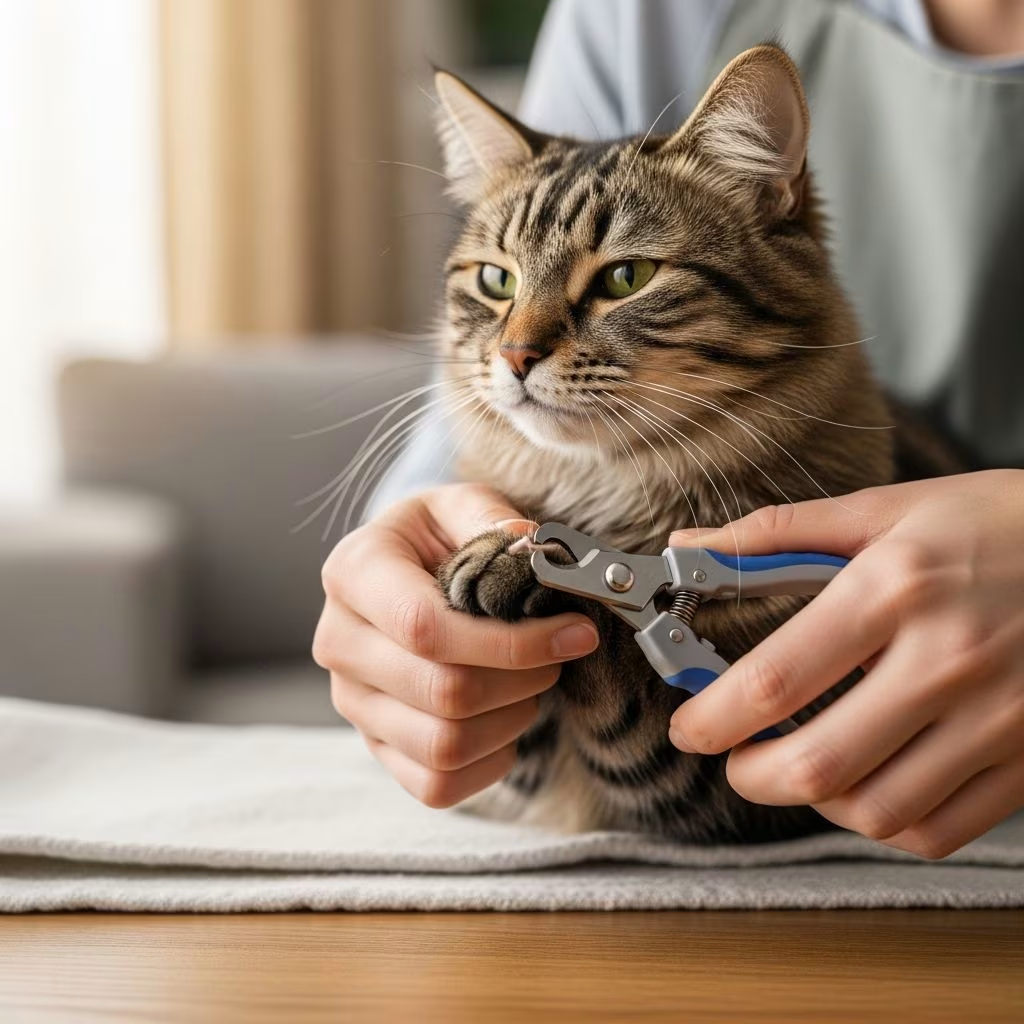
Trimming your cat’s nails at home is an essential grooming task that promotes your pet’s health and safety while saving time and money on professional services. Regular nail trims prevent overgrown claws from snagging on fabrics, causing pain or injury, and reduce the risk of scratches during play. Most cats can adapt to home trimming with patience, proper tools, and positive reinforcement. This guide covers everything from preparation to aftercare, drawing on veterinary-approved techniques to ensure a stress-free experience for you and your feline friend.
Why Trim Your Cat’s Nails?
Cats’ nails grow continuously and naturally wear down through scratching, but indoor cats often lack sufficient surfaces to file them effectively. Overgrown nails can curl into the paw pads, leading to discomfort, infections, or mobility issues. Trimming helps maintain proper nail shape, prevents household damage from sharp claws, and keeps interactions safer. Veterinarians recommend trimming every 4-6 weeks, depending on your cat’s lifestyle and nail growth rate. Starting early, especially with kittens, builds tolerance and makes future sessions easier.
Understanding Cat Nail Anatomy
Cat nails consist of a hard outer sheath and an inner **quick**, a sensitive core containing blood vessels and nerves. The quick is visible as a pink area in light nails but hidden in dark or black claws, making caution essential. Cutting into the quick causes pain, bleeding, and aversion to future trims. Nails are retractable, requiring gentle pressure on the paw pad to extend them fully. Familiarize yourself with this structure through practice before clipping to avoid accidents.
Gathering the Right Supplies
Having all tools ready prevents interruptions that could stress your cat. Essential items include:
- Cat-specific nail clippers: Guillotine, scissor, or plier-style for precise cuts; choose based on paw size.
- Nail grinder: For smoothing edges, ideal for nervous cats but introduce noise gradually.
- Styptic powder, flour, or cornstarch: Stops bleeding if the quick is nicked; apply with a damp cotton ball and pressure.
- Treats: High-value rewards like lickable pouches to associate trimming with positivity.
- Towel or restraint bag: For wrapping squirmy cats, burrito-style to expose one paw at a time.
- Feliway spray: Calming pheromones applied 15 minutes prior to the session.
- File or emery board: Smooths sharp edges post-trim.
Opt for sharp, quality clippers to avoid crushing the nail, which can cause splits. Practice with them on your finger first to gauge pressure.
Preparing Your Cat for Nail Trimming
Desensitization is key to stress-free trims. Over several days or weeks:
- Gently touch and massage paws daily during cuddles.
- Press each toe to extend claws without clipping.
- Let your cat sniff and touch the clippers; run the grinder briefly for noise acclimation.
- Pair handling with treats to build positive associations.
Choose a quiet time when your cat is relaxed, sleepy, or post-meal. Avoid high-energy periods. A helper can assist with holding, but solo trims are feasible with practice.
Step-by-Step Guide to Trimming Cat Nails
Follow these vet-approved steps for safe trimming.
- Find a Quiet Spot: Select a well-lit, distraction-free area. Use a padded surface like an ironing board for better control.
- Position Your Cat: Place in your lap facing away or on a stable surface. Wrap in a towel if needed, exposing one paw.
- Extend the Nail: Hold the paw naturally. Use thumb on top and forefinger on pad to squeeze gently, protruding the claw.
- Locate the Quick: In light nails, stop before the pink line. For dark nails, trim small amounts (1-2mm) and look for a grayish oval center.
- Cut at 45 Degrees: Angle clippers for natural wear; snip decisively just beyond the quick. Trim tips only on first sessions.
- Work Paw by Paw: Do 1-2 nails per paw, rewarding frequently. Move slowly to maintain calm.
- Smooth Edges: File or grind for a polished finish, pulling back fur if long-haired.
- Reward and Release: End with praise and play to reinforce positivity.
If blood appears, stay calm: dab styptic powder, apply pressure for 30-60 seconds, and pause the session.
Tips for Trimming Difficult Cats
For resistant felines:
- Burrito Wrap: Towel technique limits movement while securing the body.
- Distraction Feeding: Use tube treats continuously during clipping.
- Grinder Alternative: Less intimidating for some; grind in short bursts.
- Two-Person Team: One holds, one clips.
- Professional Start: Have a vet or groomer demo the first trim.
Patience trumps force—short, frequent sessions build trust over time.
How Often Should You Trim Cat Nails?
Frequency varies: active outdoor cats may need trims every 6-8 weeks, while sedentary indoors ones require every 3-4. Monitor for curling tips or snags. Kittens need gentle trims bi-weekly to acclimate. Table below summarizes guidelines:
| Cat Type | Trim Frequency | Signs to Trim |
|---|---|---|
| Indoor Adult | Every 4-6 weeks | Curling nails, no dull tips |
| Outdoor/Active | Every 6-8 weeks | Visible growth |
| Kitten | Every 2-3 weeks | Rapid growth |
| Senior | Every 3-4 weeks | Less activity |
What If You Cut the Quick?
Accidents happen, especially initially. The quick bleed is minor but painful. Stop immediately, apply styptic powder or cornstarch to clot (wet cotton ball method works well), and hold pressure 1-2 minutes. Monitor for infection; consult a vet if bleeding persists. Resume trims gradually next time, trimming less to rebuild confidence.
Alternatives to Trimming
Soft claw caps glue over nails for 4-6 weeks, blunting sharpness without cutting. Scratching posts promote natural filing. Nail grinders offer gradual shortening. These complement, not replace, regular maintenance.
Frequently Asked Questions (FAQs)
What tools are best for trimming cat nails?
Guillotine or scissor clippers for most cats; grinders for smoothing or anxious pets. Always cat-sized.
How do I trim black cat nails?
Trim tiny bits (1-2mm) at a time, using light to spot the quick’s shadow. Err on caution.
My cat hates nail trims—what should I do?
Desensitize over weeks with touch-treat sessions. Use towel wraps or distractions.
Can kittens have their nails trimmed?
Yes, start at 4 weeks gently to habituate early.
Is professional trimming better?
Home trims save money and build bonding; pros suit highly resistant cats.
Mastering cat nail trimming enhances your pet’s well-being and your confidence as an owner. Consistent practice yields calmer sessions and healthier paws.
References
- How to Trim Cat Nails: Step-by-Step Tips From a Pro — Chewy. 2023. https://www.chewy.com/education/cat/grooming/pro-tips-for-cutting-cat-nails-a-step-by-step-guide
- Trim Your Cat’s Nails — Nash County Animal Hospital. 2024. https://nashpetcare.com/trim-your-cats-nails/
- Cat Claw 101: A Guide to Trimming Kitty Nails — Cat Care Society. 2023. https://www.catcaresociety.org/cat-claw-101-a-guide-to-trimming-kitty-nails/
- How to Cut Cat Nails [Light or Black] – Vet-Approved — Sploot Vets. 2024. https://www.splootvets.com/post/how-to-cut-cat-nails-light-black-vet-approved
- ASPCA Grooming 101 – Nail Trimming for Cats — ASPCA (YouTube). 2018-01-15. https://www.youtube.com/watch?v=MnQjdTWku5U



