

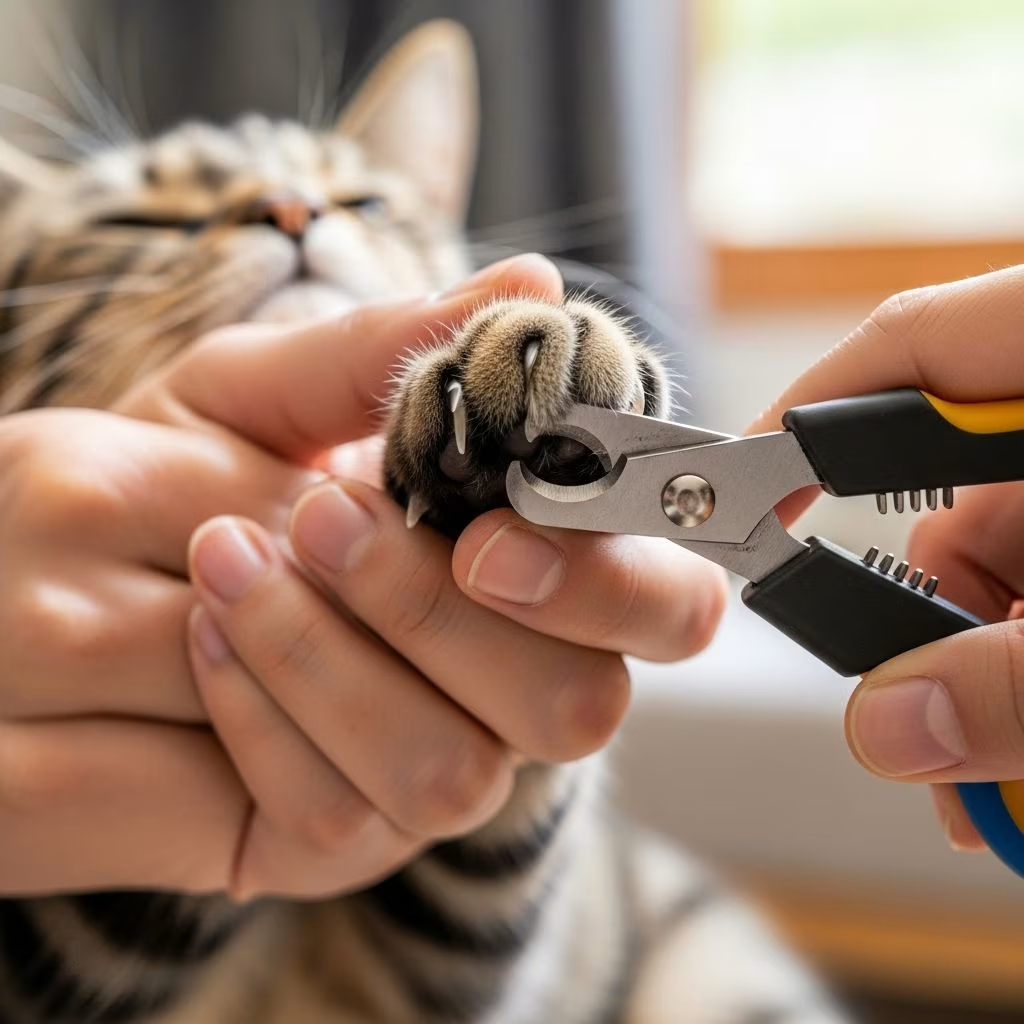
Trimming your cat’s nails is an essential part of responsible pet ownership, helping prevent scratches, furniture damage, and injury to humans. However, many cats fiercely resist having their claws handled, turning a simple grooming task into a battle. This comprehensive guide draws from expert veterinary and behaviorist techniques to help you trim even the most uncooperative cat’s nails safely at home. We’ll cover preparation, positive reinforcement training, restraint methods for difficult cats, and professional alternatives, ensuring a stress-reduced experience for both you and your pet.
Why Trimming Your Cat’s Nails Is Important
Cat nails grow continuously and can become sharp, curved weapons if left unchecked. Regular trims keep your cat comfortable, protect your home, and reduce the risk of accidental scratches. Overgrown nails can snag on fabrics or carpets, causing pain or infection. Front claws need trimming every 4-6 weeks, while rear claws grow slower and may only require attention every 2-3 months. Starting early with kittens builds tolerance, but adult cats can be trained too with patience.
Gathering the Right Supplies for Cat Nail Trimming
Before attempting a trim, assemble these essentials:
- Cat nail clippers: Choose scissor-style or guillotine clippers designed for cats—avoid human nail tools as they’re too large.
- Styptic powder or cornstarch: To stop bleeding if you nick the quick (the pink inner nail part with blood vessels).
- Treats or high-value rewards: Small pieces of tuna, chicken, or commercial treats for positive reinforcement.
- Large towel or blanket: For the “kitty burrito” method on resistant cats.
- Good lighting: A bright lamp to see the nail quick clearly.
- Nail file or grinder (optional): For smoothing edges after clipping.
Practice with the clippers beforehand by clipping paper or raw spaghetti to familiarize your cat with the sound gradually.
Positive Reinforcement Training: The Best Long-Term Solution
Professional cat behavior consultant Patience Fisher emphasizes counter-conditioning through positive reinforcement to desensitize cats to nail handling. This method builds trust over days or weeks, making trims voluntary rather than forced. It’s ideal for sensitive cats and prevents escalating fear.
Step 1: Touching the Paws
Begin with short sessions (1 minute max) when your cat is relaxed, like after eating. Gently touch the paw, say “good,” and offer a treat. If the cat flinches, stop, wait for relaxation, and retry closer but not touching the sensitive spot. Repeat daily until paws can be held without reaction. Progress slowly—rushing causes setbacks.
Step 2: Pressing the Claws Out
Once paw-holding is tolerated, gently press the pad to extend the claw. Reward immediately with a treat and verbal praise. Gradually increase pressure and hold time, always stopping before discomfort shows (e.g., ear twitching, tail flicking). Aim for firm holds exposing claws fully over several sessions.
Step 3: Introducing the Clippers
Let your cat sniff the clippers calmly—reward sniffing. Then, operate them in the air to accustom to the click sound, treating throughout. Advance to clipping raw spaghetti near the cat for the crunch noise. Only proceed when the cat remains relaxed with claws out and clippers sounding.
Step 4: First Actual Trims
Trim just the tip of one claw on the first successful day. Reward lavishly. Limit to one claw daily initially, advancing to two as comfort grows. After 10 days, front claws may be done—repeat the process as they regrow. Many cats prefer one paw per session long-term.
Hind Claw Training
Delay rear claws until front trims are mastered. Hind claws are thicker and more sensitive, needing less frequent trims. Use the same incremental steps, but expect more resistance.
Training multiple cats? Do it out of sight to avoid negative influences. Food distractions work for some, but full desensitization ensures handling without distress.
The Kitty Burrito Method for Difficult Cats
For cats too aggressive for training or immediate needs, the “kitty burrito” restraint technique from veterinary professionals like Vet Tech Anne at Gahanna Animal Hospital provides a safe, temporary solution. This towel wrap immobilizes the body while exposing one limb at a time, minimizing scratches.
Step-by-Step Kitty Burrito Instructions
- Spread a thick bath towel or blanket on a stable table.
- Place the cat toward one edge, head away from you.
- Fold the near towel edge over the front feet and body firmly.
- Wrap one long side snugly around the body, tucking under.
- Wrap the other side similarly, securing like a burrito—head and one paw exposed.
- Gently press the paw pad, clip just before the pink quick (quick is visible in light-furred cats).
- Do 1-2 claws per paw, then unwrap for a break to reduce stress.
For rear legs, re-burrito and pull one leg out at a time—work quickly as cats tire. Have a helper if possible, but solo is feasible. If still impossible, seek vet help.
Advanced Restraint Techniques for Fractious Cats
Veterinarian Dr. Andrew Jones shares methods for highly aggressive cats. For rear legs, pin the cat down from behind—back legs are slower than front swipes. Combine with burrito for fronts. Always prioritize safety: wear thick gloves if needed, and stop if the cat escalates to biting.
| Method | Best For | Pros | Cons | Time to Master |
|---|---|---|---|---|
| Positive Reinforcement | Sensitive, trainable cats | Builds trust, long-term compliance | Takes weeks | 2-4 weeks |
| Kitty Burrito | Resistant/aggressive cats | Quick, safe restraint | Stressful short-term | Immediate |
| Vet Restraint | Fractious cats | Professional speed | Not home-friendly | N/A |
Safe Nail Trimming Technique
Regardless of method, identify the quick: translucent tip before pink area. Clip small amounts (1-2mm) perpendicular to the nail. If bleeding occurs, apply styptic powder firmly. Trim in a quiet room, post-meal when drowsy. Never force-corner a cat—escape routes reduce panic.
Common Mistakes to Avoid
- Rushing training: Incremental steps prevent fear conditioning.
- Cutting the quick: Causes pain, bleeding, and aversion.
- No rewards: Positive association is key.
- Ignoring body language: Tense body means stop.
- Skipping breaks: Overstimulation leads to aggression.
Frequently Asked Questions (FAQs)
How often should I trim my cat’s nails?
Front claws every 4-6 weeks, rears every 2-3 months, or when they curl/snag.
What if my cat hates all handling?
Start with touch-only sessions using treats; consult a behaviorist if progress stalls.
Is the kitty burrito method safe?
Yes, when done gently—avoids scratches and allows controlled clipping.
Can I trim a kitten’s nails?
Yes, start at 4 weeks to build lifelong tolerance.
What if I accidentally cut the quick?
Apply styptic powder; it heals quickly if minor.
When to Seek Professional Help
If home attempts fail repeatedly or cause injury, vets or groomers offer low-stress trims, sometimes with sedation. Regular vet checks ensure no underlying issues like pain causing resistance.
In summary, patience and positivity transform nail trims from dread to routine. Combine training for longevity with burrito for immediacy, always prioritizing welfare.
References
- Training Your Cat to Tolerate Nail Trims — Patience for Cats / Patience Fisher. Accessed 2026. https://patienceforcats.com/cat-nail-trims/
- How to Trim the Nails of a “Difficult” Cat (Kitty Burrito Method) — Gahanna Animal Hospital / Vet Tech Anne. 2018-09-26. https://www.youtube.com/watch?v=8BbqLlWuW68
- How To Restrain a Fractious Cat and Trim Cat Nails — Dr. Andrew Jones. Accessed 2026. https://www.youtube.com/watch?v=q4Al9MYvijk



