

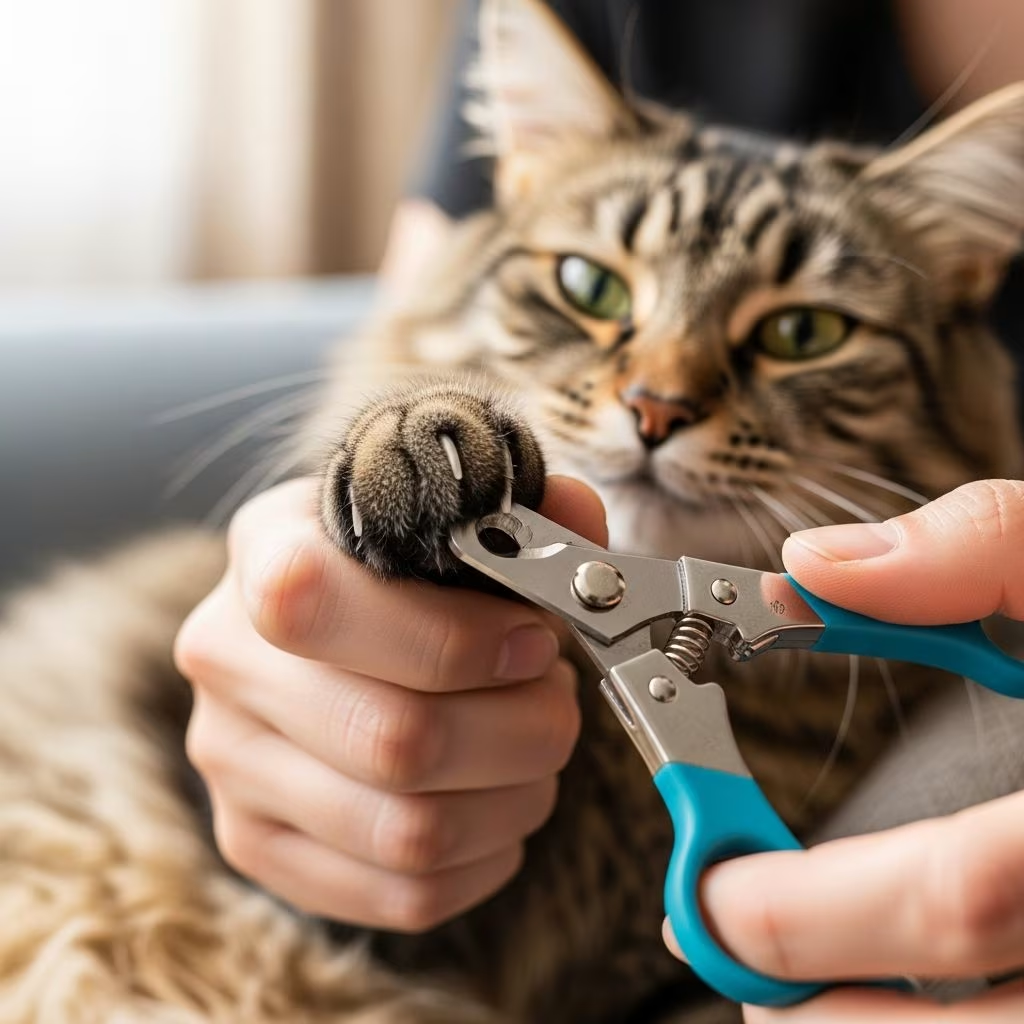
Trimming your cat’s nails is an essential part of pet care, yet it can feel like an impossible task if your feline friend fights back. Long claws can cause scratches, damage furniture, and even lead to injuries. This comprehensive guide covers everything from understanding cat nail anatomy to advanced techniques like positive reinforcement training and the kitty burrito method, ensuring you can groom your cat safely at home.
Why Trim Your Cat’s Nails?
Regular nail trims prevent overgrown claws that snag on fabrics, carpets, or skin, reducing household damage and accidental scratches. Cats naturally shed nail layers through scratching, but indoor cats may not do this enough, leading to curled tips that impair mobility or cause pain. Aim to trim every 4-6 weeks, focusing on the front paws primarily as they grow faster.
Beyond aesthetics, proper nail care promotes your cat’s health. Overlong nails can split, bleed, or grow into the paw pad, mimicking a painful ingrown toenail. Early training makes the process routine, building trust and minimizing stress for both you and your pet.
Understanding Cat Nail Anatomy
Cat nails consist of a hard outer sheath surrounding a sensitive inner quick, which contains blood vessels and nerves. The quick is pinkish and visible in light claws; in dark ones, it’s hidden, requiring caution to avoid the ‘quick the cat’—a painful injury causing bleeding and distrust.
- Nail Structure: Tough keratin exterior with retractable tips.
- Quick: Vascular core; cutting into it causes sharp pain.
- Pads: Soft cushions for pressing to extend claws.
Visualize the nail as a pointed oval: trim only the translucent tip, leaving 2mm buffer from the quick’s edge. Use bright lighting and magnifiers for precision.
Tools You’ll Need for Cat Nail Trimming
Invest in cat-specific tools for safety and comfort:
| Tool | Purpose | Tips |
|---|---|---|
| Guillotine or Scissor-Style Clippers | Clean, straight cuts | Sharp blades prevent crushing; avoid human nail clippers |
| Nail File or Grinder | Smooths edges post-trim | Battery-powered for quiet operation |
| Styptic Powder/Pen | Stops bleeding if quick is nicked | Kwik Stop brand recommended |
| Treats/Toy | Positive reinforcement | |
| Thick Towel/Blanket | Burrito restraint | Bath towel size for full wrap |
Choose stainless steel clippers from reputable pet brands for durability. Dull tools splinter nails, increasing pain risk.
Preparation: Setting the Stage for Success
Timing matters—select calm moments post-meal or play when your cat is relaxed. Create a quiet, well-lit area free from distractions. Have tools prepped nearby.
- Acclimate gradually: Handle paws daily without trimming.
- Warm clippers in hands to avoid cold shock.
- Enlist a helper for holding if needed.
Observe body language: relaxed ears, slow blinks indicate readiness; twitching tail or flattened ears signal abort.
Method 1: Positive Reinforcement Training (Best for Long-Term)
Developed by cat behaviorists, this patience-based approach desensitizes your cat over days or weeks using rewards. Patience Fisher of Patience for Cats outlines progressive steps:
Step 1: Touching the Paw
Pet paws gently during cuddle sessions. If relaxed, reward with treats. If flinching occurs, retreat and retry shorter touches daily (1-minute sessions). Goal: Neutral paw handling.
Step 2: Pressing Claws Out
Once paws are touch-tolerant, press pads to extend claws briefly. Reward immediately. Gradually increase pressure and hold time, watching for tension.
Step 3: Introduce Clippers
Let cat sniff clippers, rewarding calm curiosity. Simulate cuts in air, then on spaghetti for sound familiarization. Pair with treats.
Step 4: First Trims
With claw extended, trim one tiny tip. Reward lavishly. Limit to 1 claw/day initially; progress to 2 as comfort builds. Repeat cycles every 10 days.
Hind Claws
Delay until front paws are mastered; rear claws are thicker and less frequent need.
This method fosters cooperation, often yielding trim sessions in laps. Multi-cat homes: Train individually to avoid negative influences.
Method 2: The Kitty Burrito Technique (For Difficult Cats)
For aggressive cats, the towel burrito provides secure restraint, as demoed by vet techs.
- Spread thick towel on table.
- Place cat at edge, back to you.
- Tuck front toward head, wrap one side firmly around body, tucking under.
- Wrap opposite side snugly.
- Expose one paw at a time; press pad, clip translucent tip quickly.
- Front paws first; break if stressed, then re-burrito for rears.
Speed is key—clip before full struggle. Helper eases solo efforts. Post-trim, unwrap slowly with treats to end positively.
Method 3: Restraint for Fractious Cats
Vet Dr. Andrew Jones advises pinning from behind for back legs, leveraging slower rear reflexes. Fronts require burrito due to speed. Combine with distractions like lickable treats for minimal handling.
Safety Tips to Avoid Injury
- Never force: Risk of bites/scratches escalates stress.
- Quick check: Err short; nails grow 0.5mm/week.
- Bleeding fix: Apply styptic firmly 30 seconds.
- Two-person ideal: One holds, one clips.
- Abort signals: Hissing, ears back—retry later.
For severe cases, sedatives only via vet; professional grooming costs $15-30/session.
Frequently Asked Questions (FAQs)
How often should I trim my cat’s nails?
Every 4-6 weeks for fronts, 8-12 for rears. Check weekly; trim when tips curl.
What if I cut the quick?
Stay calm, apply styptic, offer comfort. Cat forgets quickly with reassurance.
My cat hates handling—start over?
Yes, revert to touch training. Food distraction aids during early clips.
Kittens vs. adults?
Start at 8 weeks; adults need more desensitization.
Declawing alternative?
No—humane trims, soft paws covers, scratching posts preferred.
Alternatives to Trimming
- Scratch posts: Sisal or cardboard.
- Nail caps: Glue-on covers last 4-6 weeks.
- Grinders: Gradual filing, less scary sound.
Combine for comprehensive care.
In summary, patience and positivity transform nail trims from battles to bonds. Start slow, celebrate progress—your cat will thank you with purrs.
References
- Training Your Cat to Tolerate Nail Trims — Patience for Cats / Patience Fisher. Accessed 2026. https://patienceforcats.com/cat-nail-trims/
- How to Trim the Nails of a “Difficult” Cat (Kitty Burrito Method) — Gahanna Animal Hospital / Vet Tech Anne. 2018-09-26. https://www.youtube.com/watch?v=8BbqLlWuW68
- How To Restrain a Fractious Cat and Trim Cat Nails — Dr. Andrew Jones. Accessed 2026. https://www.youtube.com/watch?v=q4Al9MYvijk



