

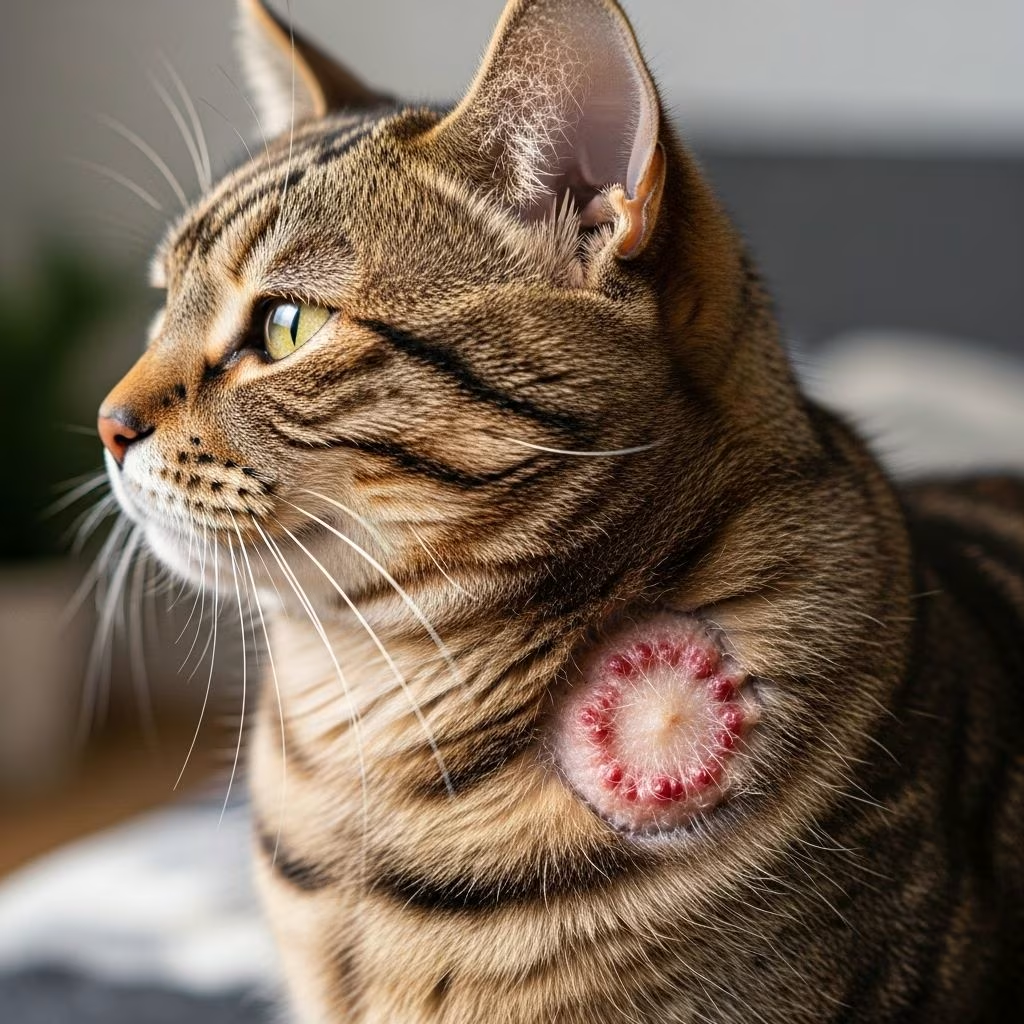
Ringworm, or dermatophytosis, is a common fungal infection in cats caused primarily by Microsporum canis. It spreads through spores on infected hairs and skin, affecting skin, hair, and nails, often appearing as circular lesions with hair loss, scaling, and redness. Effective treatment requires a multifaceted approach combining systemic oral antifungals, topical therapies, and thorough environmental decontamination to prevent reinfection.
What Is Ringworm in Cats?
Ringworm is not a worm but a highly contagious fungal infection that thrives in warm, moist environments. In cats, it commonly manifests as patchy hair loss, broken hairs, scaling, crusting, and sometimes itchy or inflamed skin. Kittens, long-haired breeds, and immunocompromised cats are particularly susceptible. The infection spreads via direct contact or contaminated objects like bedding and grooming tools.
Symptoms vary from mild, localized patches to widespread alopecia. Some cats show no clinical signs but shed infectious spores, making them carriers. Diagnosis confirms via fungal culture, Wood’s lamp, or microscopy, as visual symptoms mimic other conditions like allergies or bacterial infections.
Causes of Ringworm in Cats
The primary culprit is Microsporum canis, responsible for 90-95% of feline cases, with Trichophyton species less common. Spores survive months in the environment, spreading through contact with infected animals, fomites, or soil. Risk factors include overcrowding in shelters, poor hygiene, stress, and multi-cat households. Cats with fleas or poor nutrition are more vulnerable.
- Direct transmission: Grooming or skin contact with infected cats.
- Indirect transmission: Shared bedding, brushes, or human carriers touching lesions then uninfected pets.
- Environmental persistence: Spores remain viable on fabrics and surfaces for up to 18 months.
Symptoms of Ringworm in Cats
Early signs include small, circular areas of hair loss with scaling, often on the head, ears, or limbs. Lesions may glow apple-green under Wood’s lamp (only 50-70% of M. canis fluoresces). Advanced cases show brittle, broken hairs, hyperpigmented skin, nail dystrophy, or generalized dermatitis. Asymptomatic carriers pose the biggest challenge, shedding spores without visible illness.
| Symptom | Description | Common Locations |
|---|---|---|
| Hair Loss | Circular patches, broken hairs at skin level | Head, neck, limbs |
| Scaling/Crusting | Dry, flaky skin, mild itching | Body trunk |
| Lesions | Red, raised edges, central healing | Ears, tail base |
| Nail Involvement | Brittle, deformed claws | Paws |
Diagnosis of Ringworm in Cats
Accurate diagnosis is crucial before treatment. Veterinary methods include:
- Wood’s Lamp: Quick screening for fluorescing hairs; not definitive.
- Direct Microscopy: Examines hairs for fungal elements using KOH prep.
- Fungal Culture (DTM): Gold standard; toothbrush technique collects hairs for lab growth (7-21 days).
- PCR Testing: Rapid molecular detection of fungal DNA.
Cultures should be taken weekly during treatment to confirm clearance—two consecutive negatives indicate cure.
Treatment for Ringworm in Cats
Treatment typically lasts 4-12 weeks, combining oral systemic therapy to kill fungi in hair follicles, topical applications to reduce shedding, and decontamination. Never use topical alone for generalized cases.
Oral Antifungal Medications
Itraconazole: Preferred systemic drug (5-10 mg/kg daily or pulse: 5 mg/kg/day for 1 week on/off for 3-5 cycles). Licensed for cats, well-tolerated, effective against M. canis. Compounded versions have lower bioavailability; use commercial formulations.
Terbinafine: 30-40 mg/kg once daily for 21-42 days. Cost-effective, persists in hair post-treatment. Suitable for kittens over 0.5 lbs; occasional side effects include vomiting.
Monitor liver enzymes in prolonged courses; continue until cultures negative.
Topical Treatments
Applied 2-3 times weekly for whole-body coverage:
- Lime Sulfur Dips: 8 oz/gallon dilution, twice weekly. Residual antifungal activity, superior efficacy despite odor. Spray or sponge on, air dry.
- Enilconazole (0.2%): Whole-body rinse twice weekly; highly effective in Europe.
- Miconazole/Chlorhexidine Shampoo: Lather 3-5 minutes contact time, rinse. Use around face with cotton balls.
Clip localized lesions at home (not clinic) for spot treatment, dispose fur safely.
Treatment Protocol Table
| Component | Frequency | Examples | Duration |
|---|---|---|---|
| Oral | Daily/Pulse | Itraconazole 5 mg/kg, Terbinafine 30 mg/kg | 21-42 days |
| Topical Dip/Shampoo | 2-3x/week | Lime sulfur, Miconazole shampoo | Until 2 neg cultures |
| Culture Check | Weekly from week 2 | DTM toothbrush sample | Confirm cure |
Environmental Decontamination
Crucial, as 90% of spores are environmental. Isolate infected cats in easy-clean areas.
- Daily: Vacuum/discard fur, wash bedding in hot water + bleach (1:10).
- Weekly Hard Scrub: Remove items, scrub with detergent (Dawn/Simple Green), disinfect with accelerated hydrogen peroxide (Accel/Rescue 1:16, 10-min contact) or bleach. Lysol effective on hard surfaces.
- Fabrics: Hot wash/dry or discard. Bleach non-fabric items.
- Tools: Disinfect clippers, brushes with alcohol or heat.
Humans: Wash hands, avoid touching face; lesions rare but treat with OTC antifungals if occur.
Home Care and Monitoring
Confine cat to one bathroom/room. Wear gloves for handling. Bathe before/after visits. Track lesions weekly; recheck vet for cultures. Maintain nutrition, vaccinations during treatment.
- Bathe with antifungal shampoo 2x/week.
- Administer oral meds with food.
- Collect weekly cultures pre-topical.
- Prevent stress to aid immunity.
When to See a Vet
Seek immediate care for suspected ringworm: hair loss, scaling, fluorescence. Vets confirm diagnosis, prescribe meds (not OTC for systemic). Worsening despite treatment, systemic signs (lethargy, anorexia), or nail involvement require urgent attention.
Prevention of Ringworm in Cats
Quarantine new cats 2-3 weeks with cultures. Groom regularly, disinfect environments. Avoid overcrowding. No vaccines available; early detection key.
Ringworm in Kittens and Multi-Cat Homes
Kittens >0.5 lbs tolerate itraconazole/terbinafine. Use milder topicals. In catteries/shelters, treat all contacts, intensive cleaning essential for eradication.
Frequently Asked Questions (FAQs)
What is the fastest way to treat ringworm in cats?
Combine oral itraconazole or terbinafine with twice-weekly lime sulfur dips and decontamination for 4-6 weeks.
Can ringworm in cats go away on its own?
Possibly in immunocompetent cats (3-4 months), but risks spread and complications; always treat.
Is lime sulfur safe for kittens?
Yes, diluted properly; effective and residual.
How long is a cat with ringworm contagious?
Until two consecutive negative cultures, typically 3-6 weeks with treatment.
Can humans get ringworm from cats?
Yes, via contact; wash hands, treat promptly.
References
- Ringworm Management Playbook — Best Friends Animal Society. 2023. https://bestfriends.org/network/resources-tools/ringworm-management-playbook
- GUIDELINE for Dermatophytosis, ringworm in cats — ABCD cats & vets. 2022. https://www.abcdcatsvets.org/guideline-for-dermatophytosis-ringworm-in-cats/
- Foster Home Based Ringworm Treatment Protocol for Cats – SAMPLE — ASPCA. 2024-01-01. https://www.aspcapro.org/sites/default/files/2024-01/aspca-ringworm-treatment-foster-sop.pdf
- Ringworm Diagnosis and Treatment Guidelines — American Pets Alive!. 2018. https://americanpetsalive.org/uploads/resources/Ringworm-Diagnosis-and-Treatment-Protocols.pdf
- Ringworm Procedures — Cats Protection. 2020. https://www.cats.org.uk/uploads/documents/Info_for_Vets/Ringworm_procedures_v1.pdf
- A Foster Parent’s Guide to Ringworm — Philly PAWS. 2019-07-09. https://phillypaws.org/wp-content/uploads/Foster-Parents-Guidelines-for-Treating-Ringworm-9-July-2019.pdf



