

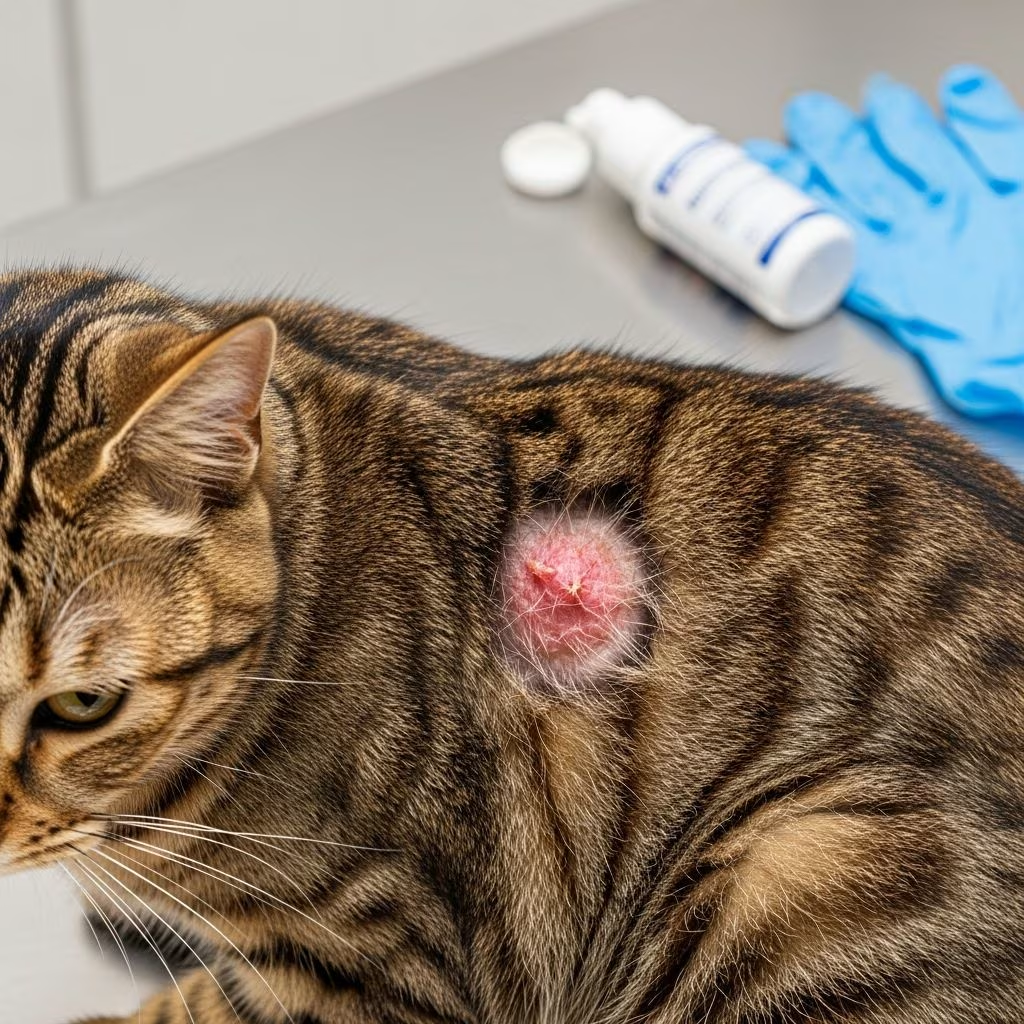
Ringworm, medically known as dermatophytosis, is a common fungal infection in cats caused primarily by Microsporum canis. It spreads through contaminated environments, direct contact, or infected animals, manifesting as circular patches of hair loss, scaling, and sometimes itching. Effective treatment requires a multifaceted approach combining systemic oral medications, topical therapies, and rigorous environmental decontamination to prevent reinfection and protect other pets and humans.
What Is Ringworm in Cats?
Ringworm is not a worm but a highly contagious fungal infection affecting the skin, hair, and nails. In cats, it often presents as broken hairs, alopecia in circular patterns, crusty or scaly skin, and mild inflammation. Kittens, long-haired breeds, and immunocompromised cats are particularly susceptible. The fungus produces spores that survive for months in the environment, making thorough cleaning essential. Unlike bacterial infections, ringworm fluoresces apple-green under a Wood’s lamp in about 50-60% of cases involving M. canis, aiding preliminary diagnosis.
Symptoms of Ringworm in Cats
Recognizing symptoms early is crucial for containment. Common signs include:
- Circular areas of hair loss, often on the head, ears, or limbs.
- Dry, brittle, or broken hairs with a stubby appearance.
- Red, inflamed, or scaly skin lesions.
- Mild itching or excessive grooming in affected areas.
- Dull, broken whiskers or nail involvement in severe cases.
Asymptomatic carriers exist, where cats shed spores without visible lesions, underscoring the need for diagnostic testing over symptom reliance alone.
Causes of Ringworm in Cats
The primary culprit is Microsporum canis, responsible for 90-95% of feline cases, with Trichophyton spp. less common. Transmission occurs via direct contact with infected animals, fomites (grooming tools, bedding), or soil. Multi-cat environments like shelters amplify spread. Stress, poor nutrition, or overcrowding weakens immunity, facilitating infection. Spores thrive in warm, humid conditions and persist on fabrics, carpets, and furniture.
How Do Vets Diagnose Ringworm in Cats?
Veterinarians employ multiple diagnostics for confirmation:
- Wood’s Lamp Examination: Detects fluorescence in infected hairs, though not all strains glow.
- Dermatophyte Test Medium (DTM) Culture: Gold standard; hair samples grow fungus in 7-14 days, identifying species.
- Trichogram: Microscopic exam of plucked hairs for fungal elements.
- PCR Testing: Rapid molecular detection of fungal DNA.
- Direct Microscopy: KOH prep to visualize hyphae in skin scrapings.
Cultures are recommended weekly during treatment to monitor clearance, with two consecutive negatives confirming resolution.
Treatment Options for Ringworm in Cats
Treatment typically spans 4-8 weeks, combining oral antifungals, topical agents, and decontamination. Single-lesion cases may respond to topicals alone, but generalized infections demand systemic therapy.
Oral Antifungal Medications
Itraconazole (Itrafungol): Preferred systemic drug, dosed at 5-10 mg/kg daily or pulse therapy (one week on/off for 3-5 cycles). Licensed for cats, it offers high efficacy with minimal side effects; administer with food.
Terbinafine: 30-40 mg/kg once daily for 21 days or longer. Cost-effective, persists in hair shafts post-treatment. Tablets for adults; compounded suspension for kittens.
Monitor liver enzymes in prolonged courses; avoid in pregnant queens.
Topical Treatments
Whole-body application twice weekly accelerates cure:
- Lime Sulfur Dips: 1:16-1:32 dilution, residual activity kills spores. Odor is strong but safe for kittens. Procedure: Mix 160 mL concentrate per liter warm water, spray/massage into coat, air-dry.
- Enilconazole (Imaverol): 0.2% solution rinse, highly effective in Europe.
- Miconazole/Chlorhexidine Shampoo: Bathe 2-3x/week, 3-5 minute contact time.
- Clipping: For localized lesions, clip wide margins at home to avoid clinic spread; disinfect tools.
Environmental Decontamination
Critical to prevent recurrence; spores survive 18+ months.
- Daily vacuuming of fur; dispose bags immediately.
- Weekly hard scrubs: Remove items, clean with detergent (dish soap/Simple Green), disinfect with accelerated hydrogen peroxide (Accel/Rescue 1:16, 10-min contact).
- OTC disinfectants: Fantastik, Formula 409 effective against Trichophyton.
- Wash fabrics in hot water + bleach (1:10 for non-colored); heat-dry.
- Isolate infected cats; treat all in household.
Home Remedies and Over-the-Counter Treatments
Avoid unproven remedies like vinegar or tea tree oil, which lack efficacy and may irritate skin. OTC antifungal creams (e.g., miconazole) suit mild, clipped lesions but not widespread cases. Always vet-consult; combine with prescription orals. Bleach baths for environment only—not direct cat application.
How Long Does It Take for Ringworm to Go Away in Cats?
With protocol adherence, clinical improvement occurs in 2-4 weeks, full mycological cure in 4-8 weeks. Serial cultures guide endpoint: negative at 2-3 weeks post-start, repeated 1-3 weeks later. Premature cessation risks relapse.
Preventing Ringworm in Cats
- Quarantine new cats for 2-3 weeks with cultures.
- Maintain hygiene: Regular grooming, clean litter weekly.
- Avoid multi-cat overcrowding; stress reduction via enrichment.
- No vaccines available; focus on early detection.
Ringworm Treatment Costs
| Treatment | Estimated Cost (USD) |
|---|---|
| DTM Culture | $40-60 |
| Itraconazole (5 weeks) | $100-200 |
| Terbinafine (21 days) | $20-50 |
| Lime Sulfur (full course) | $15-30 |
| Shampoo/Dips | $10-25 |
| Total (avg. case) | $200-400 |
Costs vary by location/size; shelters often subsidize.
When to See a Vet for Ringworm in Cats
Seek immediate care for suspected lesions, especially in kittens/multi-pet homes. Vets confirm diagnosis, prescribe orals, and advise protocols. Worsening despite OTCs or systemic spread warrants re-evaluation.
Frequently Asked Questions (FAQs)
Is ringworm in cats contagious to humans?
Yes, zoonotic; children, elderly, immunocompromised at risk. Practice hygiene: gloves, separate laundry.
Can ringworm go away on its own in cats?
Rarely; self-resolves in months but risks spread/environmental persistence.
Is lime sulfur safe for kittens?
Yes, from 2 weeks old; dilute properly, prevent chilling.
How often to culture during treatment?
Weekly from week 2-3 until two consecutive negatives.
Can I treat ringworm without a vet?
Not recommended; misdiagnosis common, orals prescription-only.
References
- Ringworm Management Playbook — Best Friends Animal Society. 2023. https://bestfriends.org/network/resources-tools/ringworm-management-playbook
- GUIDELINE for Dermatophytosis, ringworm in cats — ABCD cats & vets. 2022. https://www.abcdcatsvets.org/guideline-for-dermatophytosis-ringworm-in-cats/
- Foster Home Based Ringworm Treatment Protocol for Cats – SAMPLE — ASPCA. 2024-01. https://www.aspcapro.org/sites/default/files/2024-01/aspca-ringworm-treatment-foster-sop.pdf
- Ringworm Diagnosis and Treatment Guidelines — American Pets Alive!. 2018. https://americanpetsalive.org/uploads/resources/Ringworm-Diagnosis-and-Treatment-Protocols.pdf
- Ringworm Procedures — Cats Protection. 2020. https://www.cats.org.uk/uploads/documents/Info_for_Vets/Ringworm_procedures_v1.pdf



