

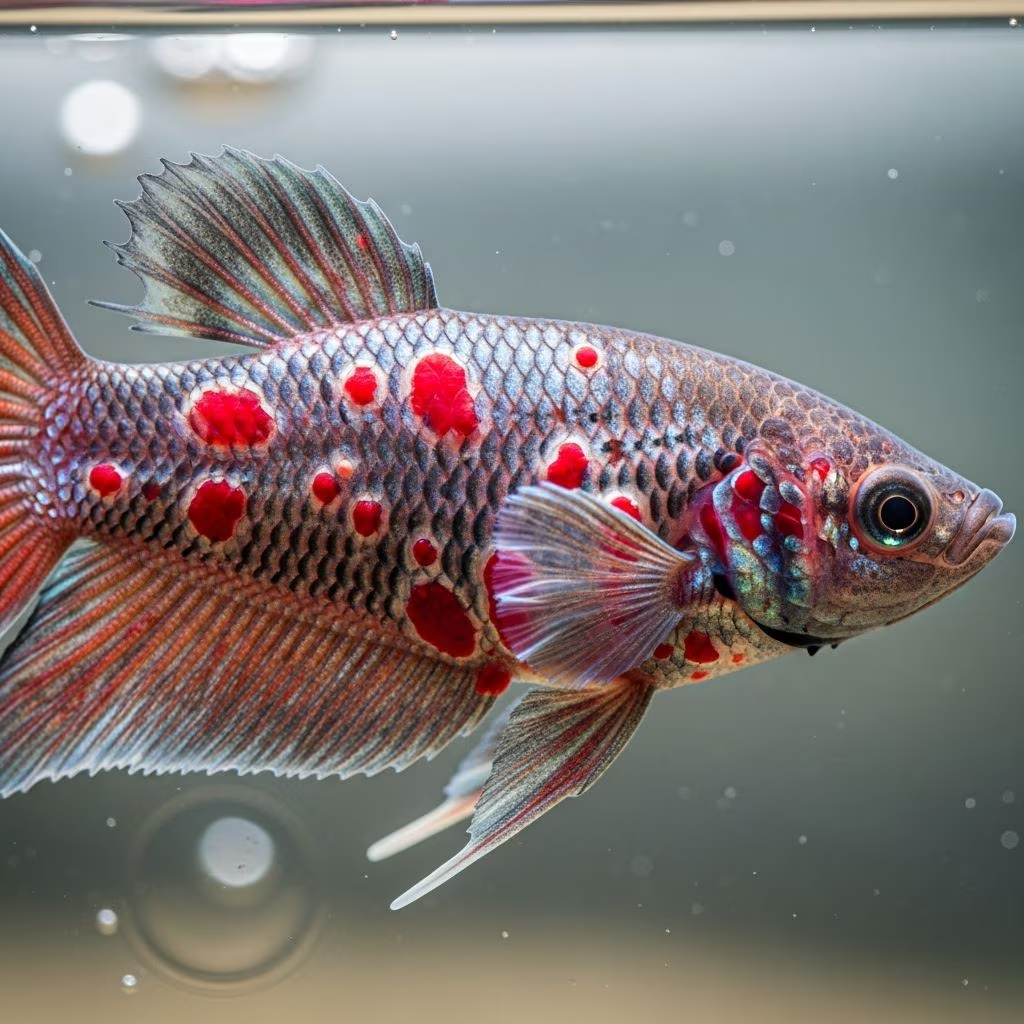
Understanding Red Spot Disease in Fish
Red spot disease is a common concern for aquarium enthusiasts, presenting itself as small pin-sized red dots, larger red patches, or even bloody streaks on a fish’s body or fins. While this condition can be alarming, understanding its causes and treatment options can help you restore your fish’s health. Red spot disease may appear in various forms, and the underlying causes can range from fungal infections to environmental stressors, making proper diagnosis essential for effective treatment.
What Causes Red Spot Disease?
Red spot disease is primarily caused by a fungus called Aphanomyces invadans, which belongs to the same scientific classification as diatoms and brown algae. This fungus thrives in specific environmental conditions, particularly during periods of low temperature, especially after heavy rainfall. These cooler conditions support the formation of fungal spores while simultaneously slowing the inflammatory response of affected fish, allowing the infection to spread more rapidly throughout the fish’s body.
However, red spots on fish can originate from multiple sources beyond the primary fungal infection. Fish can develop red spots from illness, stress, or trauma caused by aggressive tank mates or collisions with tank decorations. Understanding the distinction between different causes is crucial for implementing the correct treatment strategy.
Secondary Infections and Complications
Because red spot disease frequently affects fish who are already stressed or otherwise weakened, secondary infections are common and can complicate the treatment process. When secondary bacterial infections occur alongside the primary fungal infection, fish may experience additional symptoms that worsen their overall condition. These complications can significantly impact recovery time and require more aggressive treatment approaches.
Recognizing Symptoms of Red Spot Disease
Identifying red spot disease early is critical for successful treatment. Beyond the visible red spots, infected fish may display behavioral and physical changes that indicate systemic illness:
– Reduced appetite and disinterest in food- Low activity levels and lethargy- Hiding more frequently than usual- Gasping for air or rapid gill movement- Erratic or unusual swimming patterns
When secondary bacterial infections develop alongside red spot disease, infected fish may additionally exhibit:
– Fin rotting and deterioration- Loss of color and fading pigmentation- Bloating or abdominal distension- Visible ulcers or open sores on the body
Differentiating Red Spots from Other Conditions
Not all red spots on fish indicate red spot disease. If your fish has large or widespread areas of redness across their body, they may be suffering from a different systemic disease. Understanding these distinctions helps ensure you’re treating the correct underlying cause:
Bacterial Infections
The most common bacterial infection in fish is caused by Aeromonas bacteria. Infected fish often develop fluid buildup in the abdomen (dropsy), ragged fins, bulging eyes, bloody spots, and ulcers on their body. Goldfish and koi are particularly susceptible to the Aeromonas salmonicida strain. While these infections can be treated with antibiotics, laboratory testing is generally required to identify the specific bacterial strain responsible for the infection.
Red pest disease, caused by Bacterium cyprinicida, is another common bacterial infection in goldfish. This disease causes fish to develop red sores and bloody streaks on the body and fins. Fish with red pest disease often display lack of appetite and increased mucus production, making it important to differentiate this condition from fungal-based red spot disease.
Parasite Infections
Parasite outbreaks are common in freshwater aquarium systems where water quality is poor. These are opportunistic organisms that may not bother healthy fish but take advantage when a fish’s immune system has been weakened. Common parasite infections that may cause red spots or inflammation include:
– Anchor worms: These are much larger than traditional worms and are actually crustaceans that burrow into the fish’s skin. They cause severe inflammation, and infected fish may further damage their skin by scratching against tank objects in an attempt to relieve pain or itching.- Flukes: These tiny external parasites infect the fish’s gills and skin, triggering the development of red spots, excessive mucus production, and respiratory distress. Poor water quality, overcrowding, and improper diet are the most common causes of flukes in fish.
Fungal Infections
Fungal spores are common in freshwater aquariums, even those that are well-maintained. Like parasites, they can colonize quickly when fish are stressed or sick. Many fungal infections present with fluffy white growths but, as they progress, can take on gray or red appearances. Fungal infections don’t always cause red spots directly, but they tend to colonize areas of the fish’s body that have already been damaged by previous infection or injury, resulting in inflammation and potentially bleeding or ulcerations if the infection spreads to internal organs and systems.
Toxins and Water Quality Issues
When no signs of bacterial, parasite, or fungal infection are present, other causes must be explored. Red spots or patches, especially when accompanied by inflammation, may indicate a problem with conditions in the fish tank. Ammonia toxicity typically presents with inflammation and hemorrhaging around the gills. Damage to the gills prevents the fish from absorbing oxygen from the water, which contributes to further breakdown in the body. Along with redness around the gills, fish with ammonia poisoning often exhibit pronounced gasping behavior and increased lethargy.
Treatment Approaches for Red Spot Disease
Treatment for red spot disease usually involves isolating the sick fish to address the underlying cause without affecting other tank inhabitants. The specific treatment approach depends on the identified cause of the red spots.
Environmental and Water Quality Management
If you’re able to determine that tank conditions are the root cause of the issue, correcting water quality parameters is the first step toward recovery. Once water quality parameters are corrected and any other issues are addressed, fish typically heal with minimal additional intervention. This may involve:
– Performing regular water changes to reduce ammonia and nitrite levels- Adjusting water temperature gradually to appropriate levels- Testing and balancing pH levels- Reducing tank overcrowding to decrease stress on fish- Installing or improving filtration systems
Quarantine Procedures
Isolating sick fish to a separate tank or quarantine area prevents the spread of infections to other tank inhabitants while allowing you to administer targeted treatment. During quarantine, monitor the fish closely for changes in symptoms and response to treatment. This isolation period also helps you observe behavior patterns without the stress of competition from other fish.
Medical Treatments
For cases of systemic disease, treatment might not be straightforward and may require professional guidance. Appropriate treatment depends on the cause of the disease and may also help address any secondary infections. Common medical treatments include:
– Antibiotics for bacterial infections (may require laboratory identification of the specific strain)- Antiparasitic medications for parasite infestations- Antifungal treatments for fungal colonization- Aquarium salt treatments for various conditions- Malachite green and formalin mixtures for persistent fungal or parasitic issues
Home Remedies and Natural Approaches
Some aquarists have reported success with natural remedies. One commonly cited home remedy involves adding turmeric powder and rock salt directly into the tank at regular intervals, with reports of full recovery after approximately ten days. However, while such remedies may offer supplementary benefits, they should not replace professional veterinary consultation for severe cases.
When to Seek Professional Help
Contact a veterinarian specializing in aquatic animals if symptoms worsen or don’t improve with treatment. An aquatic veterinarian can provide:
– Proper diagnosis of the underlying cause- Laboratory testing to identify specific bacterial or parasitic strains- Prescription antibiotics or medications- Tailored treatment plans based on fish species- Guidance on preventing future outbreaks
Prevention Strategies
Preventing red spot disease is significantly easier than treating it. Maintain optimal aquarium conditions by:
– Performing regular water changes (typically 20-30% weekly)- Monitoring water parameters consistently (ammonia, nitrite, nitrate, pH, temperature)- Avoiding overcrowding in the aquarium- Quarantining new fish before introducing them to the main tank- Maintaining appropriate water temperature for your fish species- Avoiding sudden environmental changes- Providing a balanced, high-quality diet- Removing dead fish or uneaten food promptly- Installing and maintaining adequate filtration
Species-Specific Susceptibility
Certain fish species show higher susceptibility to red spot disease and related conditions. Arowanas, Parrot Fish, Goldfish, Koi Fish, Oscars, and Giant Gouramis are particularly prone to red spot disease and bacterial infections like red pest disease. Goldfish and koi in particular are vulnerable to Aeromonas salmonicida infections. Understanding your specific fish species’ predispositions helps you take preventive measures and recognize symptoms earlier.
Frequently Asked Questions
Q: Is red spot disease contagious to other fish in my tank?
A: Red spot disease caused by Aphanomyces invadans can spread to other fish, particularly those already stressed or weakened. Bacterial and parasitic infections that cause similar symptoms are also contagious. Isolating affected fish is crucial to prevent spreading the infection throughout your aquarium.
Q: How long does it take for a fish to recover from red spot disease?
A: Recovery time varies depending on the underlying cause and severity of infection. Fish typically recover within 1-3 weeks with appropriate treatment and improved water conditions. However, severe systemic infections may require longer treatment periods.
Q: Can I treat red spot disease without removing the fish from my main tank?
A: While some treatments can be administered in the main tank, quarantining the affected fish is recommended. This prevents infection spread, allows for targeted treatment, and reduces stress on other tank inhabitants.
Q: What temperature should I maintain during treatment?
A: Temperature should be species-appropriate and stable. Generally, slightly raising temperature (within the safe range for your fish species) can support immune function and slow fungal reproduction. Avoid sudden temperature fluctuations.
Q: Are antibiotics always necessary for treating red spots?
A: Not necessarily. If red spots result from parasites or poor water conditions, antibiotics won’t help. Proper diagnosis is essential. Some cases resolve with improved water quality alone, while bacterial infections require antibiotic treatment.
Q: How can I prevent red spot disease in my aquarium?
A: Maintain excellent water quality, avoid overcrowding, quarantine new fish, provide proper nutrition, maintain stable temperature, and perform regular tank maintenance. These preventive measures significantly reduce the risk of red spot disease and other infections.
Q: What’s the difference between red spot disease and red pest disease?
A: Red spot disease is caused by fungus (Aphanomyces invadans), while red pest disease is caused by bacteria (Bacterium cyprinicida). Though they produce similar symptoms, they require different treatments. Red pest disease primarily affects goldfish and requires antibiotics.
References
- How To Treat Red Spot Disease in Fish — Chewy, Inc. 2025. https://www.chewy.com/education/fish/general/how-to-treat-a-fish-with-red-spots
- Parasitic Diseases of Fish – Exotic and Laboratory Animals — Merck Veterinary Manual. 2024. https://www.merckvetmanual.com/exotic-and-laboratory-animals/aquarium-fish/parasitic-diseases-of-fish
- Red Sore Disease in Game Fish — Texas A&M AgriLife Extension. 2013. https://extension.rwfm.tamu.edu/wp-content/uploads/sites/8/2013/09/Red-Sore-Disease-in-Game-Fish.pdf
- Epizootic Ulcerative Syndrome (Red Spot Disease) — The Fish Site. 2024. https://thefishsite.com/disease-guide/epizootic-ulcerative-syndrome-red-spot-disease
- Fish Illnesses: How to Spot Them — Tetra Fish. 2024. https://www.tetra-fish.com/learning-center/troubleshooting/fish-illnesses-how-to-spot-them
- How to Treat Red Spot Disease in Fish — Hygger Online. 2024. https://www.hygger-online.com/how-to-treat-red-spot-disease-in-fish/



