

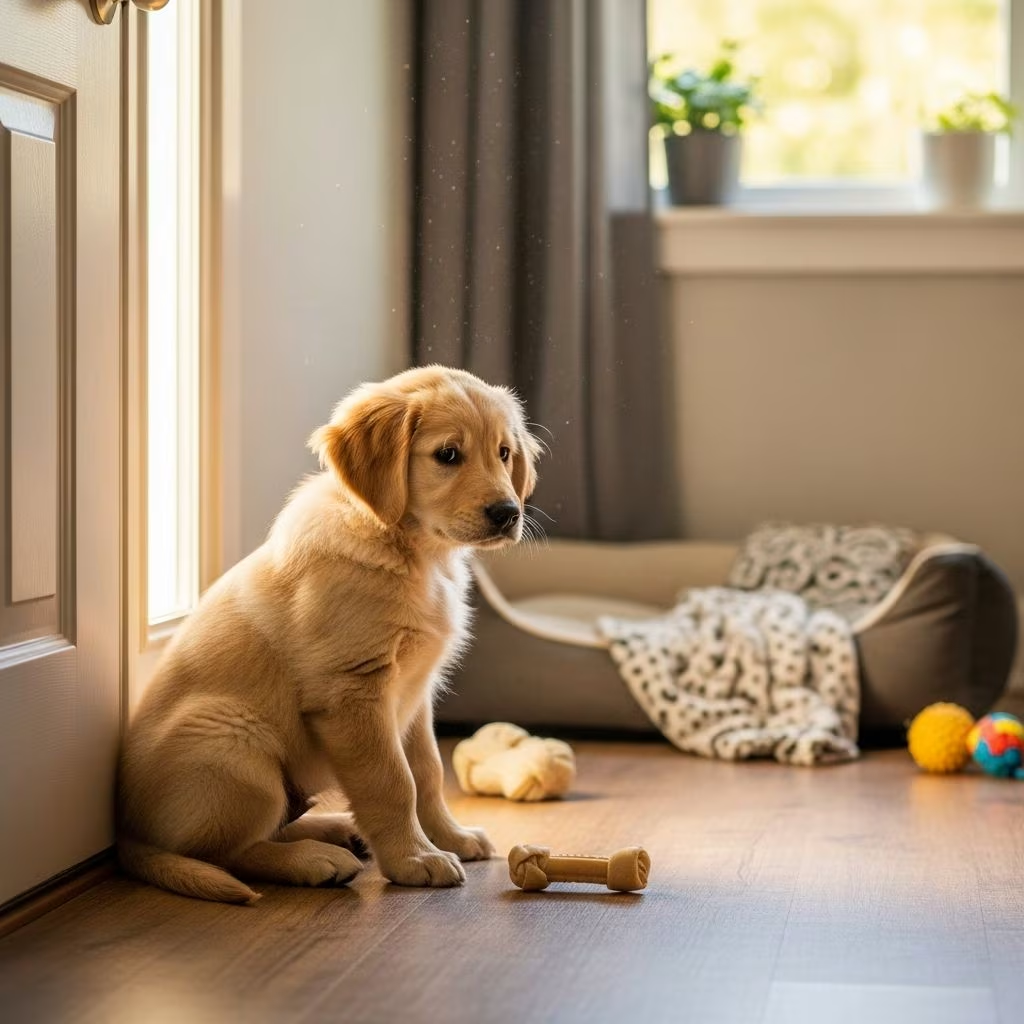
How to Treat and Prevent Puppy Separation Anxiety
Separation anxiety is one of the most common behavioral problems in puppies and adult dogs. When puppies or dogs experience separation anxiety, they become extremely distressed when left alone, leading to destructive behavior, excessive barking, and other problematic actions. Understanding how to treat and prevent separation anxiety is crucial for puppy owners who want to raise well-adjusted, confident dogs. The good news is that with patience, consistent training, and the right approach, you can help your puppy overcome separation anxiety and build their independence.
Understanding Puppy Separation Anxiety
Separation anxiety in puppies manifests as severe stress and panic when they are separated from their owners or left alone. Unlike normal puppy behavior, separation anxiety is characterized by intense emotional distress rather than simple loneliness. Puppies with separation anxiety may engage in destructive chewing, house soiling, excessive vocalization, drooling, and panting. Some puppies may also attempt to escape or injure themselves in their efforts to reunite with their owners.
The condition can develop for various reasons, including lack of early socialization, changes in routine, past trauma, or insufficient exposure to being alone. However, the encouraging news is that separation anxiety is highly treatable, especially when intervention begins early in a puppy’s life.
The Importance of Early Prevention
Prevention is always easier than treatment when it comes to puppy separation anxiety. One of the best ways to help prevent separation anxiety in your dog is to prepare them from a young age. An important step is socialization, or getting a puppy used to all sorts of different sights, sounds, situations, and other stimuli. Exposing a puppy to a variety of people, other dogs, objects, scents, and situations can help develop their confidence and lead to a less anxious adult dog. These introductions should always be fun for the puppy. If the pup shows a fear response, stop the process and try again later and more slowly.
Early socialization teaches puppies that the world is a safe place and helps them develop resilience when facing new or challenging situations, including being alone.
Desensitization and Counterconditioning Techniques
The most effective long-term approach to treating separation anxiety involves behavior modification through desensitization and counterconditioning. This technique can require the biggest time commitment, but it’s also one of the most effective ways to truly create a lasting, positive change in your pup’s stress levels and behavior.
An important part of raising a mentally and physically healthy new puppy is teaching them to be comfortable in the world and to form positive associations with new experiences. That’s equally true for time away from you. Teach your puppy that separation has its rewards. Start by leaving them for very short periods of time and gradually lengthen the amount of time you’re gone.
Understanding Your Puppy’s Departure Cues
To start the desensitization process, try to notice at what point your dog begins to show signs of stress. Pups with separation anxiety may be triggered by certain “departure cues,” such as you picking up your keys, putting on your shoes or coat, or taking out a suitcase. Then, try doing these things but not leaving. Take out your keys, then put them away and give your dog attention. Put on your shoes, but then stay inside and play with your pet instead of leaving the home.
By repeatedly practicing these departure cues without actually leaving, your puppy learns that these actions don’t necessarily mean you’re abandoning them. This helps reduce anxiety over time.
Gradual Separation Training
During dog separation anxiety training, you leave the room for a moment and return before your dog has a chance to become anxious. As with all behavior modification training, the dog must remain sub-threshold during the process, meaning they haven’t begun to exhibit stress behaviors in response to you leaving. This process must happen at your dog’s pace. As they remain calm, slowly extend the length of time you’re gone. If they panic, reduce the time.
For moderate or severe cases, it’s crucial to gradually accustom a dog to being alone by starting with many short separations that do not produce anxiety and then gradually increasing the duration of the separations over many weeks of daily sessions. During desensitization to any type of fear, it is essential to ensure that your dog never experiences the full-blown version of whatever provokes his anxiety or fear. He must experience only a low-intensity version that doesn’t frighten him.
Managing Your Arrival and Departure Behavior
How you behave when leaving and arriving home significantly impacts your puppy’s separation anxiety. Keep arrivals and departures calm. During the 10-15 minutes before you leave the house, strive for a calm, neutral atmosphere. Avoid grand gestures of hugging, kissing, or petting with your dog. If your dog has previously shown any signs of anxiety over your departures, it may be best to simply ignore the dog during those last 10-15 minutes before you leave.
Similarly, when you return home, avoid making a big fuss over your puppy. Greet them calmly and only give attention once they have settled down. This helps teach your puppy that your departures and arrivals are routine, non-dramatic events.
Exercise and Mental Stimulation
Physical exercise and mental stimulation play important roles in treating and preventing separation anxiety. Exercise can’t cure separation anxiety, but it certainly can help treat and prevent it. First, make sure your puppy gets plenty of age-appropriate physical exercise. This is especially true for large, high-energy dogs with a lot of it to burn off. A tired, contented dog who’s had a brisk walk and playtime with you is more likely to settle down when you leave.
Don’t neglect your puppy’s mental muscles. Training sessions, puzzle toys, and cognitive games are all good choices. A brain workout can be just as exhausting as a physical one: and lots of fun, too. Working out your dog’s brain and body prior to leaving them alone might help them settle during your absence.
Dogs dealing with mild separation intolerance can benefit from playing challenging games that stimulate their minds prior to being left alone. Finding treats that are hidden in a puzzle toy or playing a scenting game like “find the toy” can help your dog get ready to settle once you leave for the day.
Building Independence and Reducing Clinginess
Excessive attachment between puppy and owner can contribute to separation anxiety. Don’t encourage overly clingy behavior. Instead, develop independence by teaching your puppy to be on their own in another room, even when you’re at home. Teaching a solid stay is another way to battle excessive attachment. Start with short lengths of time, and once your puppy can stay for several minutes, you can begin to leave the room. Eventually, you should be able to leave his sight while they stay for five or ten minutes.
Practice alone time regularly. Identify a comfortable, safe area for your dog to be alone – in a room separated by a baby gate or in a crate (if crate trained). At least once a day, set your dog up in this area with a long-lasting treat, some of their favorite toys, a comfy bed, and some water. Start by only leaving them alone for very short periods of time, and you can vary between being completely alone and sitting nearby but not engaging.
If you are home with your dog for most of the day, make sure you ignore him sometimes and do not make a constant fuss over him. Teach your dog independence and to be comfortable being left alone or separated from you by a baby gate or door.
Creating a Comfortable Separation Space
The environment where your puppy spends alone time significantly impacts their anxiety levels. Put a comfortable bed and water in the room you choose. Chew toys can also help to occupy your puppy during training sessions. Putting an item of clothing you’ve worn recently in your puppy’s bed may also increase their sense of security when they are left alone.
A quiet radio provides a little background noise and ‘company’. It may also muffle any startling sounds from the outside, which might make your puppy jump. Talking stations are best, as opposed to loud music. Additionally, consider using calming dog pheromones (such as Adaptil) sprayed onto bedding or in a plug-in diffuser and play calming music such as classical or species-specific music.
Interactive Toys and Enrichment
Dogs with mild separation intolerance can also learn to enjoy the ritual of getting an interactive treat-dispensing toy when their person leaves the house for the day. However, it’s important to be cautious with this approach. Sometimes, because the food toy has been given so often before departure, the food becomes a cue that something bad is about to happen. Once the food has been consumed, the dog will realize their person is still gone and panic. For dogs with severe separation anxiety, it’s best to avoid leaving food toys.
Establishing Routine and Consistency
Dogs thrive on routine and predictability. Stick to a routine. Schedule your dog’s meals, walks, play time and training time so that they know when to expect these activities throughout the day. Routine, scheduled activities such as play, positive reinforcement training, leashed walks, and environmental enrichment help establish a sense of security and predictability in your puppy’s life.
When your puppy knows what to expect and when, they experience less anxiety about transitions and separations.
Gradually Increasing Alone Time
As you work through desensitization training, gradually increase the time you leave your puppy alone in the house to about half an hour. Depending on your puppy, this can take a few days or longer but it’s important you move at their pace. If your puppy shows any sign of worry, go back to leaving them for a time period where they were last comfortable. You can begin to gradually increase the time you leave from there.
Some puppies will progress easily, but others may need more time to adjust, so take the steps very slowly. If you need to leave your puppy for several hours, make sure you have built them up to this.
Pharmaceutical Interventions
In some cases, medication can be a helpful tool in treating separation anxiety, particularly when combined with behavior modification. Medication can be used to help dogs with separation anxiety in cases where a dog is injuring themselves due to their anxiety or a dog is harming other animals in the house.
Anxiolytic drugs (anxiety-reducing drugs), such as fluoxetine, are typically used long-term. This type of medication takes four to eight weeks to take effect and requires you to take your dog for blood work yearly. Event-specific medications, such as trazodone, can be used when a known trigger is going to occur. These medications are used in conjunction with training to minimize anxiety and enable positive experiences when you leave the house.
It’s important to consult with your veterinarian about whether medication is appropriate for your puppy and to discuss the potential benefits and side effects.
When to Seek Professional Help
The best way to help a dog with separation anxiety is to permanently change their perception of what being alone means, one second at a time. A dog trainer or a veterinary behaviorist will be your best resource in creating a behavior modification program that suits your dog’s needs. If your puppy’s separation anxiety is severe or if you’re not seeing progress with at-home training, don’t hesitate to consult with a professional.
A professional trainer or veterinary behaviorist can assess your puppy’s specific situation, identify triggers, and create a customized treatment plan. They can also ensure you’re implementing desensitization correctly and help you troubleshoot any challenges that arise.
Important Considerations During Treatment
During treatment for separation anxiety, your dog cannot be left alone except during your desensitization sessions. This means you may need to arrange alternative care arrangements while you work through the training process. Fortunately there are plenty of alternative arrangements: Consider hiring a dog walker, asking family or friends to check in, using a doggy daycare, or adjusting your work schedule if possible.
The exact management plan will vary depending on individual needs and the severity of a dog’s symptoms. This may range from small changes in the home environment, to anti-anxiety medications for pups who are more severely affected. Either way, behavior modification is needed to truly allow a dog to be more confident and resilient, so they don’t feel so stressed about being left alone.
Frequently Asked Questions (FAQs)
Q: At what age can I start preventing separation anxiety in my puppy?
A: You can start preventing separation anxiety from the moment you bring your puppy home. Early socialization, gradual exposure to alone time, and consistent training from puppyhood are the most effective prevention strategies.
Q: How long does it take to treat separation anxiety in puppies?
A: The timeline varies depending on the severity of the anxiety and your puppy’s individual temperament. Some puppies may show improvement in weeks, while others may require several months of consistent training. Patience and consistency are key.
Q: Can I use punishment to discourage separation anxiety behaviors?
A: No. Punishment typically worsens separation anxiety by increasing fear and stress. Instead, focus on positive reinforcement, desensitization, and counterconditioning techniques that help your puppy feel safe and confident.
Q: Is crate training helpful for puppies with separation anxiety?
A: Crate training can be helpful if done properly, as it provides a safe space for your puppy. However, for puppies already experiencing severe anxiety, forcing them into a crate can worsen the problem. Introduce crates gradually and ensure the puppy views it as a positive space.
Q: What signs indicate my puppy has separation anxiety?
A: Common signs include excessive barking or howling when alone, destructive chewing or scratching, house soiling, drooling, panting, pacing, and attempts to escape. Mild signs might include dilated pupils, yawning, and salivating.
Q: Can separation anxiety in puppies be prevented entirely?
A: While not all puppies can be guaranteed to never experience separation anxiety, early socialization, proper training, and consistent management significantly reduce the likelihood of it developing. Prevention is more effective than treatment.
Q: Should I take my puppy everywhere to prevent separation anxiety?
A: No. While socialization is important, your puppy also needs to learn independence. Gradually expose them to alone time in controlled, low-stress situations to build confidence.
Q: Can adult dogs overcome separation anxiety?
A: Yes, adult dogs can overcome separation anxiety through the same behavior modification techniques used with puppies. It may take longer, but with patience and consistency, improvement is possible at any age.
References
- How to Prevent Separation Anxiety in Dogs — Bond Vet. 2024. https://bondvet.com/blog/how-to-prevent-separation-anxiety-in-dogs
- Separation Anxiety in Dogs: Signs, Causes, and Prevention — American Kennel Club (AKC). 2024. https://www.akc.org/expert-advice/training/dog-separation-anxiety/
- How To Help a Dog With Separation Anxiety — PetMD. 2024. https://www.petmd.com/dog/training/how-help-dog-separation-anxiety
- Separation Anxiety — American Society for the Prevention of Cruelty to Animals (ASPCA). 2024. https://www.aspca.org/pet-care/dog-care/common-dog-behavior-issues/separation-anxiety
- Separation Anxiety and How to Prevent It — Joybound People & Pets. 2024. https://training.arflife.org/blog/separation-anxiety-and-how-to-prevent-it/
- Preventing Separation Anxiety — University of Illinois Veterinary Medicine. 2021. https://vetmed.illinois.edu/
- Preventing Separation Anxiety in Puppies — Blue Cross. 2024. https://www.bluecross.org.uk/advice/dog/behaviour-and-training/preventing-separation-anxiety-in-puppies
- Anxious Behavior: How to Help Your Dog Cope with Unsettling Situations — Cornell University College of Veterinary Medicine, Riney Canine Health Center. 2024. https://www.vet.cornell.edu/



