

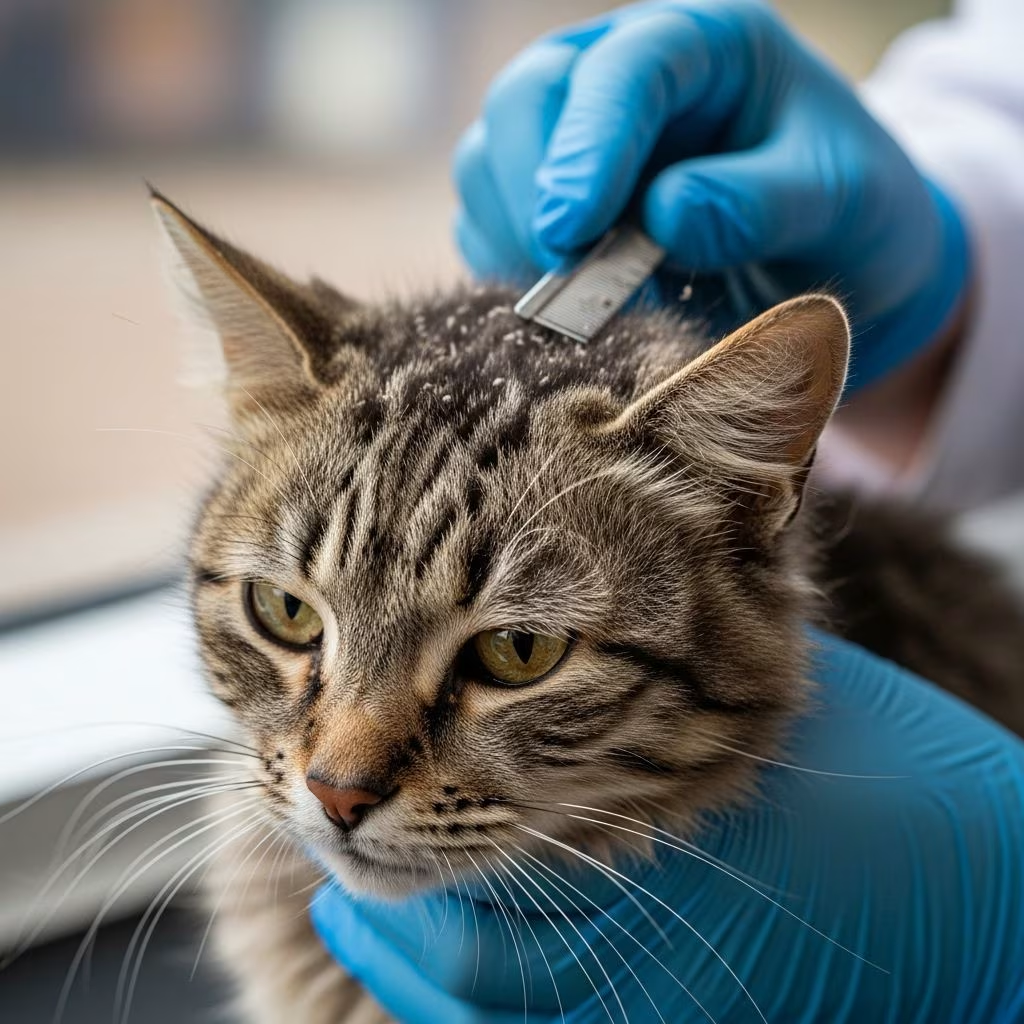
Lice infestations in feral cats, known as pediculosis, cause significant discomfort but can be managed with targeted veterinary approaches despite the challenges of trapping and re-exposure. Unlike household pets, feral cats lack consistent preventive care, making lice more prevalent in colonies.This guide outlines 4 vet-recommended tips for effective treatment, drawing from clinical guidelines and expert insights.
What Are Cat Lice?
Cat lice are small, wingless insects (*Felicola subrostratus*) that live exclusively on feline hosts, feeding on skin debris and blood. They measure 1-2 mm long, appear as fast-moving specks, and lay eggs (nits) glued to hair shafts. Adult lice are visible to the naked eye, unlike fleas, and do not jump but crawl.
Lice complete their lifecycle in 3-6 weeks: eggs hatch in 7-10 days into nymphs, which molt three times before becoming adults. Heavy infestations lead to excessive scratching, hair loss, anemia in kittens, and secondary infections. Feral cats in crowded colonies face higher risks due to poor sanitation and stress.
- Key signs: Dandruff-like flakes (lice/nits), itching, matted fur, pale gums in severe cases.
- Lice spread via direct contact; they cannot survive off-host beyond 48 hours.
Why Are Lice Common in Feral Cats?
Household cats benefit from monthly flea preventives like fipronil or selamectin, which also kill lice, making infestations rare. Feral cats, however, roam freely, interact in groups, and lack routine treatments, allowing lice to thrive. Young, debilitated, or malnourished ferals are especially vulnerable.
Diagnosis relies on spotting lice or nits via part-hair examination or fine-tooth combing. Vets confirm via microscopy if needed. At-home remedies like essential oils or diatomaceous earth fail against eggs and risk toxicity.
Challenges in Treating Feral Cats
Topical insecticides must contact skin, not just fur, requiring application at the base of hairs. Feral cats’ mobility demands recapture for follow-ups, as eggs hatch asynchronously. Spraying environments is ineffective since lice do not live long off-host.
| Challenge | Impact on Feral Cats | Solution |
|---|---|---|
| Trapping | Stressful, incomplete colony coverage | Humane traps, bait with food |
| Reinfestation | Untreated cats re-expose | Treat all in colony sequentially |
| Follow-up | Eggs hatch post-treatment | Repeat in 2 weeks |
| Medication access | No direct vet visit | Acquire vet-prescribed topicals |
How to Treat Lice in Feral Cats: 4 Tips
1. Trap-Neuter-Release (TNR) with Treatment
Incorporate lice treatment into TNR programs, the gold standard for feral management. Use humane drop traps or transfer cages baited with smelly wet food. Once trapped, sedate lightly if needed (under vet guidance) and apply topical treatments directly to skin along the back.
Recommended products (vet-approved only):
- Fipronil spray (e.g., Frontline Spray): Effective, safe for cats; apply sparingly to skin.
- Selamectin or imidacloprid spot-ons: Monthly dose kills lice and prevents fleas.
- Afoxolaner or fluralaner (isoxazolines): Oral chewables if cat can be held briefly; emerging for lice.
Release post-treatment; monitor colony. Avoid dog products like permethrin, toxic to cats.
2. Choose Safe, Effective Medications
Consult a vet for prescriptions suited to feral weights/ages. Topicals penetrate fur best for lice. Shampoos or dips (lime-sulfur) require bathing, impractical for ferals but useful if holding briefly. Comb nits with flea comb dipped in soapy water post-treatment.
Dosage example (fipronil): 1-2 sprays per kg body weight, repeated biweekly for heavy loads. Always weigh cats accurately.
3. Complete the Treatment Course
Single applications miss hatching nymphs; retreat in 2 weeks for severe cases, monthly thereafter. High-egg burdens in ferals necessitate 3-4 cycles. Treat all colony members to halt transmission, prioritizing kittens and thin adults.
Track via photos or colony logs. If one cat relapses, re-trap the group. Success rates exceed 90% with compliance.
4. Prevent Reinfestation in Colonies
Establish routine preventives during feeding stations. Monthly spot-ons during TNR rounds curb lice alongside fleas/ticks. Clean communal areas: remove debris, hose down weekly. Quarantine newcomers. Nutritional support (high-protein food) boosts immunity.
Long-term: Partner with shelters for bulk meds. Educate caregivers on signs for early intervention.
Step-by-Step Treatment Protocol
- Assess: Observe colony for dandruff, scratching; part fur to confirm lice/nits.
- Gather supplies: Traps, gloves, vet-prescribed topical (e.g., fipronil), comb, towels.
- Trap humanely: Cover trap, minimize stress; transport to safe area.
- Apply treatment: Part fur, apply to skin from neck to tail base; comb eggs.
- Release or hold: Release if TNR; hold 24h for efficacy if possible.
- Follow-up: Retreat in 14 days; monitor 4-6 weeks.
- Prevent: Monthly applications ongoing.
Frequently Asked Questions (FAQs)
Can lice jump from feral cats to my pets?
A: No, cat lice are host-specific and die quickly off cats. Still, check pets if contact occurs.
Are over-the-counter shampoos safe for ferals?
A: No—many contain toxins like permethrin. Use only vet-approved topicals.
How long until lice are gone after treatment?
A: 2-5 weeks with full course; eggs hatch in 7-10 days, requiring retreatment.
Do I need to treat the environment?
A: Minimal—lice don’t survive long off-host. Clean bedding/debris suffices.
What’s the best preventive for feral colonies?
A: Monthly fipronil/selamectin during TNR; consistent colony care.
Can kittens under 8 weeks be treated?
A: Yes, with vet guidance—use manual combing + mild topicals; avoid strong chemicals.
Potential Complications & When to Call a Vet
Watch for anemia (lethargy, pallor), skin infections, or weight loss. Severe cases may need supportive care like fluids or antibiotics. Online services like PangoVet offer advice for trappers. Prognosis is excellent with prompt treatment.
In summary, treating lice in feral cats demands patience, humane trapping, and vet-sourced meds like fipronil or selamectin, applied repeatedly. Colony-wide efforts yield lasting control, improving welfare without domestication.
References
- Lice – Companion Animal Parasite Council (CAPC) — CAPC. 2023. https://capcvet.org/guidelines/lice/
- Lice in Dogs and Cats – MSD Veterinary Manual — MSD Veterinary Manual. 2024-02-28. https://www.msdvetmanual.com/integumentary-system/lice/lice-in-dogs-and-cats
- Lice (Pediculosis) in Cats – Vetster — Vetster. 2024. https://vetster.com/en/conditions/cat/lice
- Cat Lice: How To Handle It Like A Pro — Tractive. 2023-11-15. https://tractive.com/blog/en/health/how-to-handle-cat-lice
- How to Treat Lice in Feral Cats – Catster — Catster (Ask the Vet). 2024-05-10. https://www.catster.com/ask-the-vet/how-to-treat-lice-in-feral-cats/



