

Understanding Erratic Betta Fish Behavior
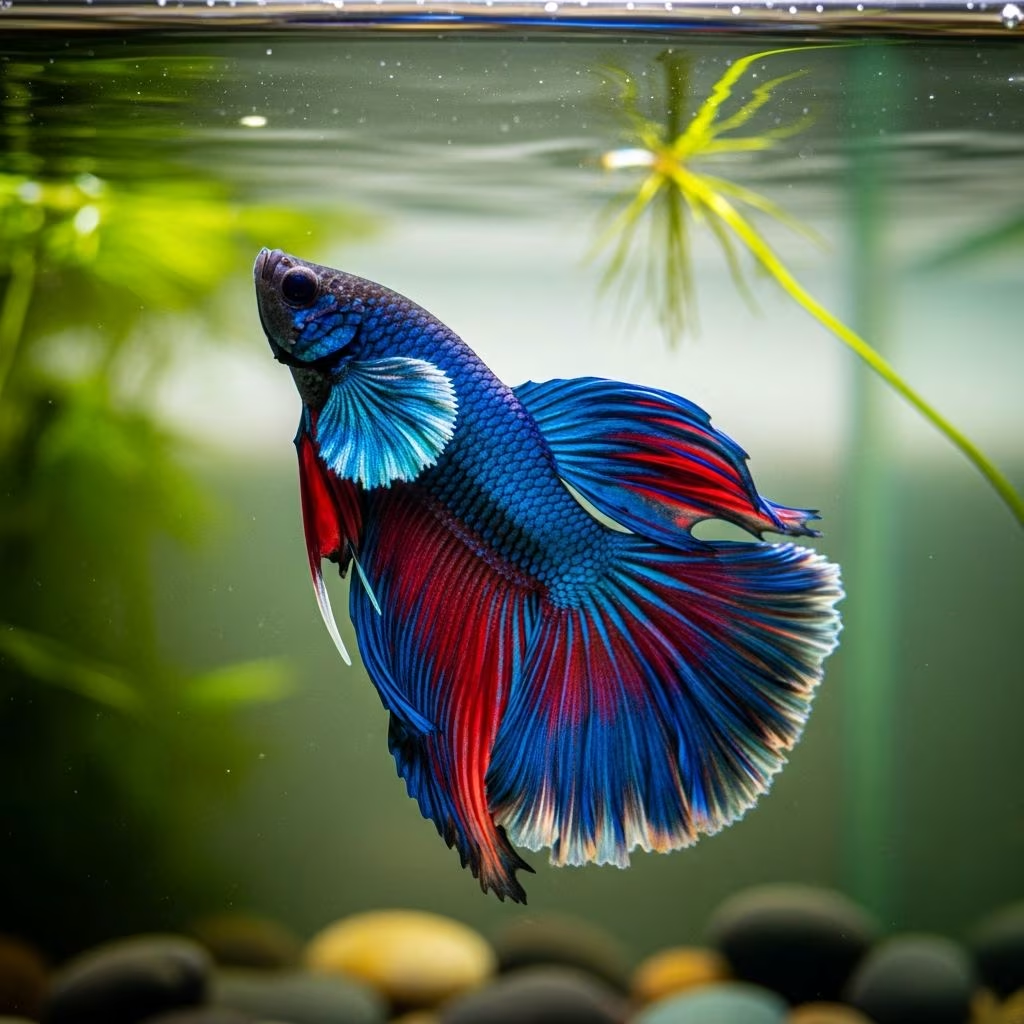
Betta fish are known for their vibrant colors, flowing fins, and distinct personalities. However, when your betta begins exhibiting unusual or erratic behavior, it can signal an underlying health issue or environmental problem that requires immediate attention. Erratic behavior in bettas can range from unusual swimming patterns to loss of appetite, color fading, or aggressive tendencies toward tank mates. Understanding what causes these behavioral changes is the first step toward providing appropriate treatment and ensuring your fish returns to its normal, healthy state.
Erratic behavior in bettas is often a sign that something is not right in their environment or within their body. Fish cannot communicate verbally, so they express discomfort or distress through behavioral changes. By learning to recognize these signs early, you can intervene promptly and prevent more serious health complications.
Common Causes of Erratic Behavior in Bettas
Swim Bladder Disease
One of the most common causes of erratic behavior in betta fish is swim bladder disease. The swim bladder is a gas-filled organ that helps fish maintain buoyancy and control their position in the water. When this organ malfunctions, bettas struggle to maintain proper swimming posture and may exhibit unusual movement patterns.
Swim bladder disease typically results from several underlying causes:
– Gastrointestinal problems and constipation- Overfeeding or rapid consumption of food- Gulping air at the surface- Parasitic infections- Bacterial infections- Physical trauma or injury- Birth defects- Egg-binding in female fish- Sudden temperature fluctuations or shock
When a betta’s swim bladder is compressed by digestive issues or infection, the fish loses the ability to control its buoyancy effectively. This can result in the fish becoming stuck at the surface, sinking to the bottom, tilting to one side, or swimming in circles.
Environmental Stress and Water Quality Issues
Poor water quality is another significant contributor to erratic behavior in bettas. Sudden changes in temperature, pH, or ammonia levels can shock your fish and trigger unusual behavioral responses. Bettas are sensitive creatures that thrive in stable environments with specific water parameters. When these conditions fluctuate dramatically, bettas may become lethargic, hide excessively, or display aggressive behavior.
High ammonia and nitrite levels are particularly harmful to betta fish. These toxic compounds can damage their gills and nervous system, leading to erratic swimming, gasping at the surface, and other abnormal behaviors. Additionally, inadequate filtration and infrequent water changes create environments where harmful bacteria and parasites can flourish.
Parasitic and Bacterial Infections
Parasitic infections like ich (white spot disease) and bacterial infections can cause bettas to behave erratically. When infected, bettas often rub against decorations, display increased gill movement, and reduce their normal activity levels. These infections not only affect physical health but also disrupt normal behavioral patterns as the fish attempts to find relief from discomfort.
Nutritional Deficiencies
An inadequate or imbalanced diet can lead to various health problems that manifest as behavioral changes. Bettas require high-quality pellets, occasional live or frozen foods, and specific nutrients to maintain optimal health. Nutritional deficiencies can weaken their immune system, making them more susceptible to disease and exhibiting lethargy or reduced activity.
Recognizing Symptoms of Erratic Behavior
Visual Symptoms
Several visual signs can indicate your betta is experiencing erratic behavior or underlying health issues:
– Bloated or swollen abdomen- Curved or S-shaped spine- Bent posture or inability to straighten- Faded or dull coloration- Torn, frayed, or clamped fins- Visible white spots or patches on body- Lesions or sores on skin- Excessive mucus production
Behavioral Symptoms
Pay attention to changes in your betta’s normal behavior patterns:
– Inability to remain upright or maintain proper orientation- Floating unnaturally at the surface or sinking to the bottom- Swimming in circles or erratic patterns- Twitching or jerking movements- Loss of appetite or refusing food- Reduced activity and excessive hiding- Gasping at the water surface- Increased aggression toward tank mates- Rubbing against tank decorations or gravel- Rapid or labored gill movement
Treatment Strategies for Erratic Behavior
Addressing Swim Bladder Disease
If you suspect your betta has swim bladder disease due to digestive issues, treatment begins with adjusting feeding practices. Overfeeding is one of the primary culprits, so reduce the amount of food you offer and feed small portions multiple times daily rather than one large meal. Soak dried foods like flakes and freeze-dried bloodworms in water before feeding, as these expand when moistened and can cause blockages.
Implementing a fasting day once per week allows your betta’s digestive system to rest and clear any blockages naturally. During recovery, reduce the water level in the tank to make it easier for your fish to reach the surface for air. Additionally, minimize water flow from filters to reduce the effort required for swimming.
If bacterial or parasitic infection is suspected, broad-spectrum antibiotics like Maracyn II may be necessary. Move your betta to a quarantine tank for treatment to protect other tank mates and plants from antibiotic exposure. Administer medications exactly as directed by the manufacturer, and perform daily 25% water changes during treatment. Install an air bubbler in the quarantine tank, as most antibiotics reduce dissolved oxygen availability.
Improving Water Quality and Environmental Conditions
Maintaining pristine water conditions is fundamental to preventing and treating erratic behavior. Perform weekly partial water changes of 25-30% to remove accumulated waste and maintain stable parameters. Keep your filtration system properly maintained and ensure ammonia and nitrite levels remain at zero, with nitrate levels below 20ppm.
Monitor water temperature consistently, keeping it between 76°F and 82°F (24°C to 28°C). Avoid sudden temperature fluctuations by using a reliable aquarium heater and thermometer. Test pH, hardness, and other parameters regularly to ensure stability and prevent shock to your fish.
Using Aquarium Salt and Stress Coat
Adding small amounts of aquarium salt (not table salt) to your tank can help reduce swelling, promote healthy slime coat production, and improve immune function. Dissolve one teaspoon of aquarium salt per gallon of water for salt baths lasting 10-15 minutes. Salt treatments help soothe inflamed gills and reduce discomfort associated with various ailments.
Stress coat products also support recovery by protecting your betta’s mucus membrane and slime coat. If your fish floats with one body part exposed to air, apply stress coat to that area to prevent ulcers and skin dehydration.
Treating Specific Infections
For fin rot and other bacterial infections, isolation is critical. Move your betta to a quarantine tank to prevent spreading infection to other tank mates. Use over-the-counter medications specifically formulated for fin rot, such as tetracycline or erythromycin, following all instructions carefully.
For ich and other parasitic infections, raise water temperature slightly (to 80-82°F) if tolerated, as this can help interrupt the parasite lifecycle. Treatment medications are available specifically for ich and should be used according to package directions.
Supporting Recovery and Hand-Feeding
During recovery from serious conditions, your betta may struggle to feed normally. Hand-feeding small amounts of food or offering specially prepared foods may be necessary to maintain nutrition. Be patient and gentle during this process, allowing your fish to regain strength gradually.
Prevention of Erratic Behavior
Prevention is always preferable to treatment. Establishing proper care practices significantly reduces the likelihood of your betta developing behavioral problems:
– Maintain consistent water temperature and parameters- Perform regular tank maintenance and water changes- Use high-quality, size-appropriate food and avoid overfeeding- Provide adequate tank space and hiding spots- Minimize stress by maintaining a calm, stable environment- Soak dried foods before feeding- Implement one fasting day per week- Avoid introducing new fish without proper quarantine- Keep the tank away from direct sunlight and vibrations- Maintain proper filtration and aeration
When to Seek Professional Help
While many cases of erratic behavior can be managed at home, some situations warrant professional veterinary intervention. If your betta shows no signs of improvement after two weeks of treatment, or if the condition rapidly deteriorates, consult an aquatic veterinarian. Additionally, if your betta appears to be in severe distress with no hope of recovery despite extensive treatment efforts, euthanasia performed humanely by a professional may be the most compassionate option.
Quick Treatment Reference Guide
| Condition | Primary Symptoms | Immediate Action | Treatment |
|---|---|---|---|
| Swim Bladder Disease | Buoyancy issues, inability to stay upright | Reduce feeding, lower water level | Fasting days, soaked food, antibiotics if infected |
| Poor Water Quality | Lethargy, color fading, gasping | Perform 50% water change immediately | Weekly maintenance, parameter testing |
| Fin Rot | Torn, frayed fins, color loss | Isolate in quarantine tank | Antibiotics, salt treatment, water quality improvement |
| Ich (White Spot) | White dots on body, rubbing behavior | Isolate fish, raise temperature slightly | Ich-specific medication, continued isolation |
| Bacterial Infection | Lesions, cotton-like patches, gasping | Move to quarantine tank immediately | Broad-spectrum antibiotics, salt baths |
Frequently Asked Questions
Q: How long does it take for a betta to recover from swim bladder disease?
A: Recovery time varies depending on the underlying cause. Simple digestive issues may improve within a few days to a week with proper feeding adjustments. Infections may require 2-3 weeks of antibiotic treatment. Most bettas have a favorable prognosis for recovery.
Q: Can erratic behavior in bettas be prevented?
A: Yes, most cases of erratic behavior can be prevented through proper nutrition, stable water conditions, regular maintenance, and avoiding overfeeding. Establishing consistent care routines significantly reduces health problems.
Q: Is it safe to treat a betta with antibiotics in the main tank?
A: For simple digestive issues like swim bladder disease caused by constipation, treatment can occur in the main tank. However, for suspected infections, quarantine tanks are recommended to protect plants and other tank mates from antibiotic exposure.
Q: What is the ideal water temperature for betta recovery?
A: Bettas recover best at temperatures between 76-82°F (24-28°C). Stable, warm water supports immune function and medication effectiveness.
Q: How often should I perform water changes during treatment?
A: During antibiotic treatment, perform daily 25% water changes to remove excess medication and maintain water quality. For regular maintenance, weekly 25-30% changes are recommended.
Q: What should I feed a betta recovering from illness?
A: Offer small portions of high-quality pellets soaked in water, supplemented with occasional live or frozen foods like bloodworms. Hand-feeding may be necessary if your betta struggles to feed normally. Include one fasting day per week to allow digestive rest.
References
- Swim Bladder Disease in Bettas: Symptoms, Causes, Treatment — Betta Fish Organization. 2024. https://bettafish.org/diseases/swim-bladder-disease/
- 11 Common Betta Fish Diseases and How to Treat Them — Tropicflow. 2024. https://tropicflow.com/blogs/guide-knowledge/common-betta-fish-diseases



