

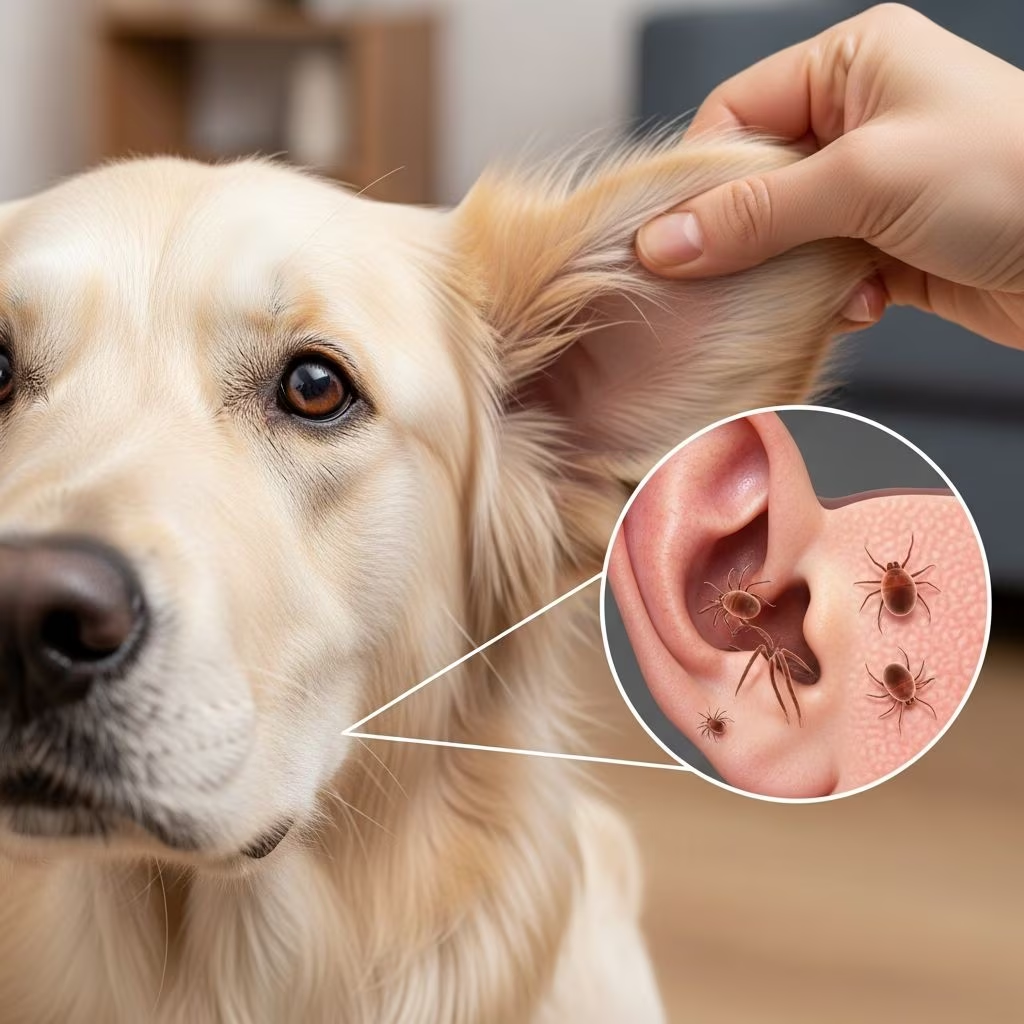
How to Treat Ear Mites in Dogs: A Complete Guide
Ear mites are tiny parasites that can cause significant discomfort for your dog. If you’ve noticed your dog scratching at their ears excessively or shaking their head frequently, ear mites could be the culprit. While ear mites are more common in cats, they can still affect dogs and lead to serious complications if left untreated. Understanding how to identify, diagnose, and treat ear mites is essential for maintaining your dog’s ear health and overall well-being.
What Are Ear Mites in Dogs?
Ear mites are tiny, spider-like parasites that live on the surface of a dog’s ear canal and feed on skin oils and wax. The most common type affecting dogs is Otodectes cynotis, the same species responsible for ear mite infections in cats. These microscopic parasites burrow into the ear canals and cause significant inflammation. Once an ear mite infestation begins, it can rapidly escalate into a more serious problem, particularly in puppies or dogs with weakened immune systems. While ear mites are not typically life-threatening, they can make your dog extremely uncomfortable and may lead to secondary infections if left untreated.
Ear mites spread through direct contact and are especially prevalent in outdoor dogs. Puppies can contract them when nursing from infected mothers. The parasites feed on the cerumen and skin cells within the ear canal, triggering an inflammatory response that creates the characteristic symptoms dog owners notice.
Causes of Ear Mites in Dogs
Ear mites are caused by parasitic infestation, with Otodectes cynotis being the primary culprit. These parasites spread through direct contact with infected animals. Puppies are particularly vulnerable, as they can contract mites when nursing from their mothers. Dogs that spend time outdoors or interact with other animals are at higher risk of exposure. Additionally, dogs with weakened immune systems may be more susceptible to developing active infections after exposure to the parasite.
Once the mites establish themselves in the ear canal, they burrow into the tissue and cause inflammation. This disruption of the sensitive ear canal lining creates an environment conducive to secondary bacterial or fungal infections, especially when the dog’s scratching damages the tissue further.
Signs and Symptoms of Canine Ear Mites
Recognizing the symptoms of ear mites is crucial for early detection and treatment. Ear mite symptoms can range from mild itching to severe discomfort and may overlap with other ear issues such as bacterial infections or allergies. Here are the common signs to watch for:
- Persistent scratching at the ears
- Frequent head shaking or tilting
- Redness or swelling inside the ears
- Dark, waxy, or crusty buildup (often resembling coffee grounds)
- Unpleasant odor coming from the ears
- Sensitivity or pain when the ears are touched
- Hair loss or scabbing around the ears and face
- Reluctance to be petted around the head due to pain
- Decreased appetite and lethargy in severe cases
- Unusual head tilt or loss of balance
- Ear flaps that are thickened, bleeding, crusted, or oozing
In severe cases, the constant scratching and head shaking can cause an aural hematoma—a large blood blister on the ear resulting from rupture of small blood vessels between the skin and cartilage. If you notice any of these symptoms, it’s important to seek veterinary care promptly, as ignoring ear mites can lead to complications and more severe health issues.
How Veterinarians Diagnose Ear Mites in Dogs
To confirm an ear mite infestation, your veterinarian will perform a thorough examination. Because symptoms can mimic those of bacterial or yeast infections, accurate diagnosis is essential. The diagnostic process typically involves:
- Physical inspection: Your vet will visually examine your dog’s ears for redness, wax buildup, or crusty discharge
- Microscopic analysis: A swab of debris from the ear canal is examined under a microscope to look for mites, eggs, or other parasitic signs
- Ruling out other causes: Vets may conduct skin cytology or ear cultures to ensure accurate diagnosis and identify any secondary infections
The presence of tiny white dots visible under magnification, combined with the characteristic dark, waxy discharge, helps confirm ear mite infestation. This careful diagnostic approach ensures your dog receives the appropriate treatment for their specific condition.
Treatment Options for Ear Mites in Dogs
Once your veterinarian confirms ear mites, several treatment options are available. The approach typically involves a combination of ear cleaning and medication to eliminate the parasites and prevent secondary infections.
Prescription Ear Drops
Prescription ear drops are the most common treatment for ear mites. These medications contain active ingredients that kill mites and reduce inflammation. Many formulations also include antifungal or antibacterial agents to treat any secondary infections that may have developed. Your veterinarian will determine the appropriate drops based on your dog’s specific condition and any complications present.
Topical and Oral Medications
In some cases, your veterinarian may prescribe broader-spectrum flea or parasite treatments that also target ear mites. These systemic medications can be beneficial for dogs with extensive infestations or those at risk of mite spread to other areas of the body. Oral medications provide whole-body protection and may be recommended depending on your dog’s circumstances.
Ear Cleaning
Professional ear cleaning is an important component of treatment. Your veterinarian will gently clean your dog’s ears to remove wax, debris, and crusty discharge before applying medication. This step is crucial because it allows the medication to work more effectively by removing barriers to treatment. Daily cleaning at home may be recommended as part of the treatment regimen.
Treatment Duration and Follow-Up Care
After the initial diagnosis and treatment begins, your veterinarian will typically recommend daily application of medication for seven to ten days, though treatment duration may extend up to thirty days depending on the severity of the infestation. Multiple doses or follow-up visits may be necessary to confirm that the mites are fully eliminated. It’s essential to complete the entire course of treatment even if symptoms improve, as incomplete treatment can lead to recurrence.
Managing Secondary Infections
Treatment may also include medication to address secondary ear infections caused by bacteria or yeast. Medicated ear flushes and topical treatments help resolve these complications. If your dog has caused trauma to the skin around the area through excessive scratching, oral antibiotics or additional topical treatments may be necessary to prevent or address infection.
Treating Ear Mites at Home
While prescription treatments from your veterinarian are essential for eliminating ear mites, you play an important role in supporting your dog’s recovery at home. Daily ear cleaning is typically recommended as part of the treatment process. Your veterinarian will provide instructions on how to safely clean your dog’s ears and apply prescribed medications. Following these instructions carefully ensures the best possible outcome and helps prevent the infestation from spreading or recurring.
Never attempt to treat suspected ear mites without veterinary confirmation. Self-diagnosis and inappropriate treatment can worsen your dog’s ear irritation and cause increased pain and discomfort. Always consult your veterinarian before starting any treatment regimen.
Prevention of Ear Mites in Dogs
Preventing ear mite infestations is easier than treating them. Regular ear inspections and maintenance can help catch problems early. Keep your dog’s ears clean and dry, especially after swimming or bathing. Monitor your dog for any signs of ear irritation and seek veterinary care promptly if symptoms develop. Additionally, minimize your dog’s contact with potentially infected animals, particularly outdoor cats and other dogs that may carry mites. Maintaining your dog’s overall health and immune function through proper nutrition and regular veterinary care can also help prevent parasitic infections.
When to Seek Veterinary Care
Ear mites are not considered a medical emergency; however, because they cause significant discomfort for dogs, they should be treated soon after symptoms appear. If you think your dog may have ear mites, schedule a veterinary appointment quickly for proper diagnosis and treatment. Early intervention prevents complications such as secondary infections, hearing loss, or aural hematomas. Always take your dog to the vet if you suspect ear mites, as misdiagnosis can lead to inappropriate treatment and worsen your dog’s condition.
Complications of Untreated Ear Mites
Leaving ear mites untreated can lead to serious complications. The inflammation caused by mites disrupts the sensitive lining of the ear canal, creating an ideal environment for secondary bacterial or fungal infections. Prolonged scratching and head shaking can damage the ear tissue and cause aural hematomas. In severe cases, untreated ear mites may contribute to hearing loss or chronic ear problems. Additionally, constant discomfort can affect your dog’s quality of life, leading to behavioral changes and reduced appetite.
Frequently Asked Questions
Q: How long does it take to treat ear mites in dogs?
A: Most ear mite treatments require seven to ten days of daily medication application, though some cases may extend up to thirty days. Completing the full course of treatment is essential to ensure complete elimination of the parasites.
Q: Can ear mites spread from dogs to humans?
A: Ear mites are species-specific and typically do not infect humans. However, maintaining good hygiene practices when handling an infected dog is recommended.
Q: Are ear mites contagious between dogs?
A: Yes, ear mites spread through direct contact. If one dog in a multi-pet household has ear mites, other pets should be examined and treated if necessary.
Q: Can I use over-the-counter treatments for ear mites?
A: While some over-the-counter products exist, prescription treatments from your veterinarian are more effective and ensure proper diagnosis and treatment of any secondary infections.
Q: How can I prevent ear mites in my dog?
A: Regular ear inspections, keeping ears clean and dry, limiting contact with potentially infected animals, and maintaining overall health through proper nutrition and veterinary care help prevent ear mite infestations.
References
- Ear Mites in Cats and Dogs — VCA Animal Hospitals. https://vcahospitals.com/know-your-pet/ear-mites-otodectes-in-cats-and-dogs
- Ear Mites in Dogs: What Are They and How Do You Treat Them? — PetMD. https://www.petmd.com/dog/conditions/infectious-parasitic/ear-mites-dogs-what-are-they-and-how-do-you-treat-them
- Ear Mites in Dogs: Causes, Signs, and Treatment — Long Beach Animal Hospital. https://lbah.com/canine/ear-mites-in-dogs/
- Ear Mites in Dogs: What Are They and How Do You Treat Them? — Urgent Vet. https://urgentvet.com/ear-mites-in-dogs-otodectes-symptoms-causes-treatment/
- Ear Mites in Dogs — Blue Cross. https://www.bluecross.org.uk/advice/dog/health-and-injuries/ear-mites-in-dogs



