

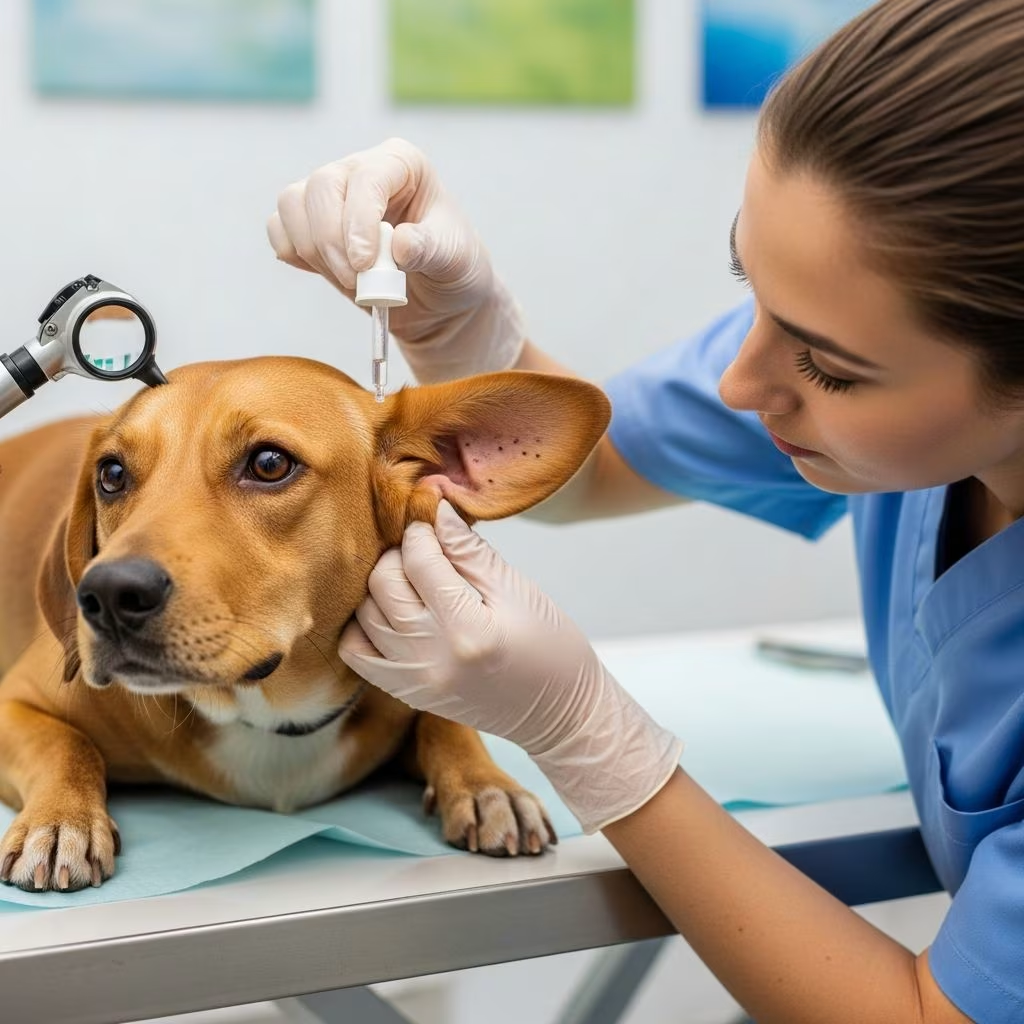
Ear mites, scientifically known as Otodectes cynotis, are tiny parasites that infest the ear canals of dogs, causing significant discomfort and potential complications if untreated. These highly contagious mites thrive in the warm, dark environment of a dog’s ear, feeding on ear wax and oils while laying eggs that hatch into new mites within days. Prompt treatment is essential to alleviate pain, prevent secondary infections, and stop the spread to other pets. This guide draws from authoritative veterinary sources to outline symptoms, diagnosis, step-by-step treatment protocols, home care, prevention strategies, and answers to common questions.
What Are Ear Mites in Dogs?
Ear mites are microscopic arachnids, about 0.3 to 0.5 mm long, visible only under magnification as tiny white specks moving in ear debris. Unlike fleas or ticks, they exclusively target the ear canal, where they irritate the skin, leading to excessive wax production that appears as dark, coffee-ground-like discharge. Puppies and young dogs are particularly susceptible, but any dog can be affected, especially those in multi-pet households or with outdoor exposure. According to the Merck Veterinary Manual, these mites cause intense pruritus (itching) and can lead to otitis externa if ignored.
The mite’s life cycle is rapid: eggs hatch in 3-4 days, larvae develop into nymphs, and adults mate within the ear, perpetuating the infestation. Dogs shake their heads vigorously and scratch due to the crawling sensation and inflammation. Without intervention, mites can migrate to the ear drum or cause bacterial/yeast overgrowth.
Symptoms of Ear Mites in Dogs
Recognizing ear mite symptoms early can prevent escalation. Common signs include:
- Dark, crumbly discharge: Resembling coffee grounds, caused by mite feces, eggs, and skin debris.
- Intense itching and head shaking: Dogs rub ears on furniture or paw at them excessively, often leading to hair loss or wounds.
- Redness and inflammation: Swollen ear canals with foul odor from secondary infections.
- Sensitivity to touch: Pain when ears are handled, sometimes causing yelping.
- Hearing loss or balance issues: In severe cases, head tilt or walking in circles if mites reach deeper ear structures.
PetMD notes that symptoms mimic allergies or yeast infections, so veterinary confirmation is crucial. Watch for bilateral involvement, as mites spread quickly between ears.
How to Diagnose Ear Mites in Dogs
Diagnosis starts at the vet with a physical exam and ear cytology. The vet gently swabs ear wax onto a slide, examines it under a microscope for live mites, eggs, or larvae. VCA Animal Hospitals recommends this gold-standard method, as naked-eye inspection rarely spots mites. If infection is present, cultures identify bacteria or yeast. Skin scrapings rule out demodectic mange. Early diagnosis ensures targeted treatment, avoiding trial-and-error with over-the-counter remedies.
Treatment Options for Ear Mites in Dogs
Treatment combines thorough cleaning and parasiticide application. VCA Hospitals outlines multiple options: daily topical ear medications, single-dose spot-ons, or injections. Always follow vet guidance, as some breeds (e.g., Collies) are sensitive to certain drugs.
Step 1: Ear Cleaning
Cleaning removes debris for better medication penetration. Use vet-prescribed cleaners like Epi-Otic® Advanced or TrizULTRA™+ Keto Flush for infected ears. Steps:
- Warm the cleaner to body temperature.
- Fill the canal, massage base for 30 seconds.
- Let dog shake head, then wipe with cotton balls (never Q-tips deep).
- Repeat daily until resolved.
Basepaws emphasizes gentle handling to avoid trauma.
Step 2: Medications
| Type | Examples | Application | Notes |
|---|---|---|---|
| Topical Spot-Ons | Bravecto®, Advantage Multi®, Revolution®, Simparica® | Between shoulder blades, single dose | Highly effective off-label; kills mites systemically. |
| Ear Drops/Gels | Milbemite®, pyrethrins (Otomite Plus) | Directly in ear canal post-cleaning | Daily for 7-14 days; CAPC recommends. |
| Oral/Injectable | Ivermectin (200-300 mcg/kg), Milbemycin oxime | PO or SC, 1-2 weeks for 3-4 doses | Merck Vet Manual for severe cases; breed cautions. |
| Anti-Infectives | Animax® ointment, steroids (prednisone) | Twice daily for infections/pain | Treats secondary issues. |
PetMD reports single treatments often suffice, but household pets need concurrent therapy due to contagion.
Home Remedies and What to Avoid
While tempting, home remedies like green tea rinses or oils lack evidence and risk worsening infections. PDSA warns against unapproved cleaners that irritate ears. Veterinary Emergency Group concurs: vet-approved meds are safest. Never use human ear drops or hydrogen peroxide, which disrupt pH balance.
Recovery and Management
Dogs improve within 1-2 days, but mites die fully in 30 days. Follow-up cytology confirms clearance. Manage with:
- Daily cleaning initially, then weekly.
- Monitor for relapse; re-treat if needed.
- Treat all pets/environment (flea products help).
Prognosis is excellent with compliance; untreated cases risk chronic otitis.
Prevention Tips for Ear Mites in Dogs
Prevent via:
- Regular ear checks/cleaning: Weekly inspections, especially floppy-eared breeds.
- Parasite preventives: Monthly flea/tick/heartworm meds cover mites.
- Quarantine new pets: Check ears before introducing.
- Hygiene: Clean bedding, avoid wild animal contact.
CAPC stresses cleansing before any treatment enhances success.
Frequently Asked Questions (FAQs)
What do ear mites look like in dogs?
Tiny white moving specks in dark debris; confirmed via microscopy.
Can I treat ear mites at home?
Cleaning aids, but meds require vet prescription for safety/efficacy.
How long does treatment take?
1-4 weeks; single dose often works, but clean daily.
Are ear mites contagious to humans?
No, but highly to other dogs/cats.
What if my dog has a secondary infection?
Vet prescribes antibiotics/antifungals alongside acaricides.
References
- Ear Mites in Dogs: A Comprehensive Guide on Treatment — Basepaws. 2023. https://basepaws.com/blog/ear-mites-in-dogs
- Mite Infestations in Animals – Ear Disorders — Merck Veterinary Manual. 2025-01-01. https://www.merckvetmanual.com/ear-disorders/diseases-of-the-pinna/mite-infestations-in-animals
- Ear Mites in Dogs: What Are They and How Do You Treat Them? — PetMD. 2024. https://www.petmd.com/dog/conditions/infectious-parasitic/ear-mites-dogs-what-are-they-and-how-do-you-treat-them
- A Comprehensive Guide to Treating Ear Mites in Dogs — Pet Honesty. 2023. https://www.pethonesty.com/blogs/blog/treating-ear-mites-in-dogs
- What are Dog Ear Mites? — Veterinary Emergency Group. 2024. https://www.veg.com/post/what-are-dog-ear-mites
- Ear Mites in Dogs and Puppies — PDSA. 2024. https://www.pdsa.org.uk/pet-help-and-advice/pet-health-hub/conditions/ear-mites-in-dogs-and-puppies
- Ear Mites (Otodectes) in Cats and Dogs — VCA Animal Hospitals. 2024. https://vcahospitals.com/know-your-pet/ear-mites-otodectes-in-cats-and-dogs



