

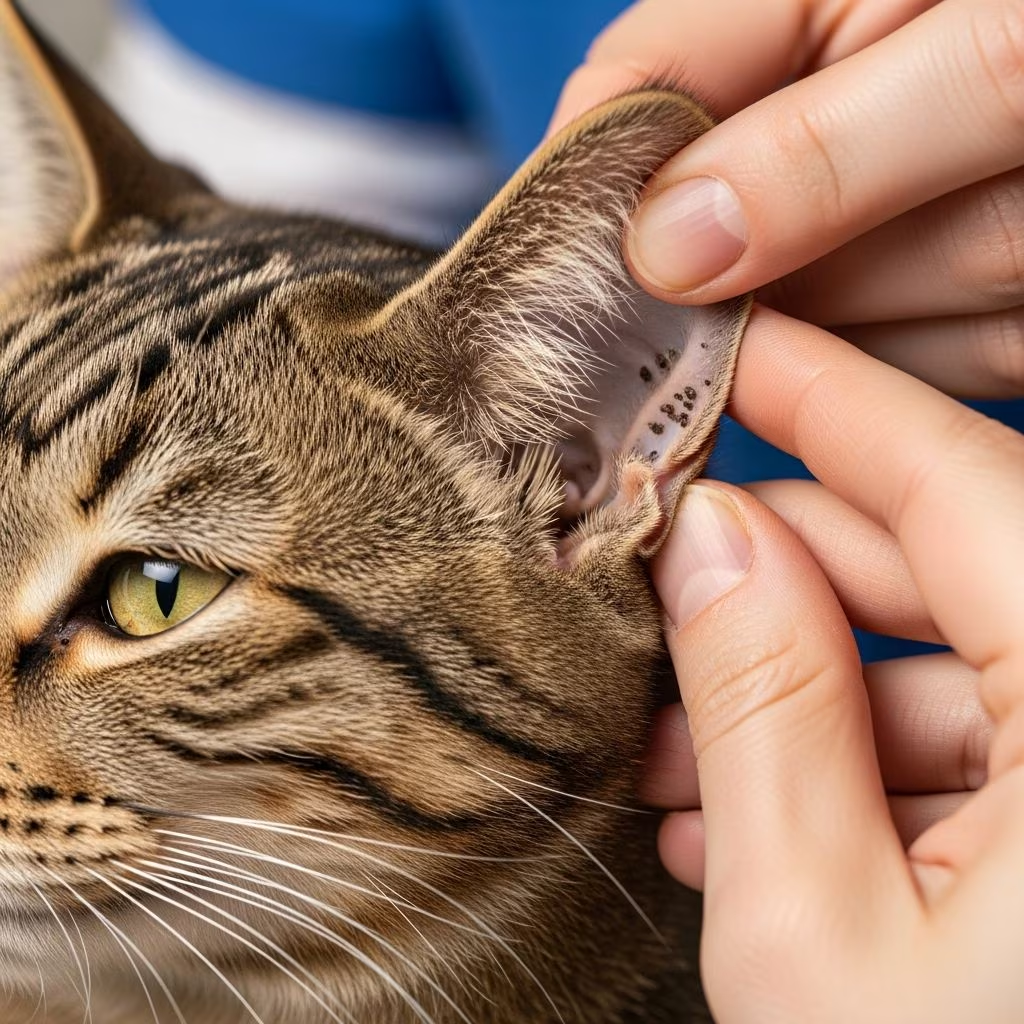
How to Treat Ear Mites in Cats: Complete Guide
Ear mites are one of the most common parasitic infections affecting cats, causing significant discomfort and irritation. If your feline companion has been scratching at their ears excessively or you’ve noticed unusual discharge or debris, they may have ear mites. Understanding how to treat this condition effectively is essential for your cat’s health and well-being. This comprehensive guide covers everything you need to know about treating ear mites in cats, from identifying the problem to implementing the most effective treatment strategies.
Understanding Ear Mites in Cats
Ear mites, scientifically known as Otodectes cynotis, are tiny parasites that inhabit the ear canals of infected animals. These microscopic creatures feed on skin oil and earwax, causing intense itching and discomfort. Cats can develop ear mite infestations regardless of whether they spend time indoors or outdoors, though outdoor cats face a higher risk due to increased exposure to other infected animals. When left untreated, ear mites can lead to secondary bacterial or yeast infections, making prompt treatment crucial.
Signs Your Cat Has Ear Mites
Recognizing the symptoms of ear mite infestation is the first step toward treatment. Common indicators include:
- Excessive scratching or pawing at the ears
- Head shaking or tilting
- Dark, waxy discharge in the ear canal
- Red or inflamed ear tissue
- Crusty debris around the ear opening
- Odor coming from the ears
- Open sores or scabs on the ears from scratching
If you notice any of these symptoms, consult your veterinarian for a definitive diagnosis and appropriate treatment plan.
Veterinary Diagnosis
Before starting any treatment, your veterinarian will perform a thorough examination to confirm ear mite infestation. They may use an otoscope to visualize the ear canal and collect samples for microscopic examination. This diagnostic step is essential because other conditions can mimic ear mite symptoms, and accurate diagnosis ensures you receive the most appropriate treatment for your cat’s specific situation.
Treatment Options for Ear Mites in Cats
Several safe and effective treatment options are available for eliminating ear mites in cats. Your veterinarian will recommend the most suitable option based on your cat’s age, health status, and the severity of the infestation.
Topical Medications Applied Directly to the Ear
Topical ear drops are among the most commonly prescribed treatments for ear mites. These medications are applied directly into the ear canal and work by killing adult mites and larvae. Common topical medications include:
- Ivermectin: A macrocyclic lactone that effectively kills ear mites
- Milbemycin oxime: Another macrocyclic lactone formulation available as both daily drops and single-dose treatments
- Low-concentration pyrethrins: EPA-approved otic products that target ear mites
These topical treatments typically require daily application for one to two weeks, though some formulations are designed as single-use products. Always follow your veterinarian’s instructions carefully regarding application frequency and duration.
Systemic and Transdermal Treatments
Systemic treatments offer an alternative to daily ear drops, making them ideal for cats that are difficult to handle or resistant to ear cleaning and medication application. These medications are applied to the skin between the shoulder blades and work throughout the body to eliminate mites. Popular options include:
- Revolution (selamectin): A transdermal macrocyclic lactone applied monthly
- Advantage Multi (imidacloprid/moxidectin): A combination product effective against multiple parasites
- Simparica and Bravecto: Systemic isoxazolines that provide extended protection
Many of these products require only a single application or monthly dosing, making them convenient options for cat owners. Additionally, these medications often provide protection against fleas, ticks, and other parasites, offering comprehensive parasite control.
Macrocyclic Lactones and Isoxazolines
Macrocyclic lactones and systemic isoxazolines (afoxolaner, fluralaner, lotilaner, sarolaner) are label-approved for treating ear mites in cats. These medications can be used alone or in combination to provide comprehensive mite elimination. The advantage of systemic products is that they target mites outside the ear canal, potentially limiting the diffuse hypersensitivity reactions some cats experience.
Ear Cleaning and Hygiene
Proper ear cleaning is a critical component of successful ear mite treatment. Your veterinarian will likely prescribe a ceruminolytic ear cleanser, such as Epi-Otic Advanced, to remove excess debris and wax buildup. Daily ear cleaning during the treatment period helps improve medication effectiveness and provides relief from discomfort.
How to Clean Your Cat’s Ears
When cleaning your cat’s ears, follow these important guidelines:
- Use only the ear cleanser prescribed by your veterinarian
- Apply the cleanser according to the veterinarian’s instructions
- Gently massage the base of the ear to distribute the cleanser
- Never use cotton buds or Q-tips, as these can damage the delicate ear canal
- Allow your cat to shake their head naturally to expel debris
- Wipe away excess cleanser with a soft cloth
If your cat’s ears are very painful, cleaning may be delayed or performed under sedation by your veterinarian to prevent additional trauma.
Addressing Secondary Infections
Ear mite infestations often lead to secondary bacterial or yeast infections as cats scratch and damage the ear tissue. If your veterinarian identifies an infection, they may prescribe additional medications to address it. Common treatments include:
- Topical antibiotic ointments
- Antifungal medications for yeast infections
- Topical or oral steroids to reduce inflammation
- Pain relief medications if necessary
Treating these secondary infections concurrently with the mite infestation is essential for complete resolution and your cat’s comfort.
Important Treatment Considerations
Duration of Treatment
It’s crucial to understand that ear mite medications cannot penetrate mite eggs or pupae. Complete elimination of the mite population typically takes about one month, as the treatment must be repeated through multiple mite life cycles. Although your cat may begin feeling better within a couple of days of starting treatment, completing the full course is essential to prevent reinfestation.
Treating All Household Pets
Ear mites are highly contagious and spread rapidly through direct contact. If you have multiple cats or dogs in your household, all pets that had contact with the affected cat must receive treatment simultaneously, even if they show no symptoms. Failing to treat all pets is the primary cause of reinfestation and treatment failure.
No Instant Solutions
While some products claim to kill ear mites with a single application, complete elimination still requires time. Even single-dose medications kill adult mites but don’t eliminate eggs, so follow-up treatments may be necessary. Always follow your veterinarian’s recommended treatment schedule for optimal results.
Home Treatment and Environmental Management
Is Home Treatment Necessary?
Unlike some parasites, ear mites cannot survive in the environment for extended periods without a host. Therefore, treating the home is not usually necessary for ear mite infestations. However, if other parasites are also present or as a precaution, you can take the following steps:
- Hot wash all pet bedding and grooming equipment
- Vacuum thoroughly and dispose of the bag
- If using household flea spray, apply it to the environment only—never directly on your cat
- Ensure any household sprays are safe for use around pets and children
Important Safety Warning
Never use household flea sprays directly on your cat or other pets. Many contain permethrin, which is highly toxic to cats, fish, and birds. Always use only veterinarian-approved products on your pet.
Recovery and Follow-Up Care
Most cats recover well from ear mite infestations when owners carefully follow their veterinarian’s treatment instructions. Recovery timeline varies but typically includes:
- First 2-3 days: Noticeable improvement in scratching and discomfort
- One week: Significant reduction in discharge and inflammation
- One month: Complete elimination of mites
After completing the full treatment course, schedule a recheck appointment with your veterinarian. They may perform an ear swab to confirm complete mite elimination and ensure no additional treatment is necessary. This follow-up visit is crucial for verifying treatment success and preventing reinfestation.
Prevention Strategies
Preventing ear mite reinfestation involves maintaining your cat’s overall health and considering preventative medications:
- Keep your cat current with veterinarian-recommended flea and tick prevention, many of which also prevent ear mites
- Minimize contact with potentially infested animals
- Maintain regular ear hygiene and checks
- Monitor for any signs of ear problems and address them promptly
- Ensure all household pets receive appropriate parasite prevention
Frequently Asked Questions About Ear Mite Treatment
Q: How long does ear mite treatment take to work?
A: While your cat may feel relief within days, complete elimination of ear mites takes approximately one month. This extended timeline is necessary because medications cannot kill mite eggs, so treatment must continue through multiple life cycles.
Q: Can indoor cats get ear mites?
A: Yes, indoor cats can develop ear mites, though outdoor cats face higher risk due to greater exposure. Mites can be introduced by visiting cats, wildlife, or on clothing and objects.
Q: Do I need to treat my home for ear mites?
A: Home treatment is not usually necessary because ear mites cannot survive long without a host. However, treating your cat’s bedding and other items is recommended as general hygiene practice.
Q: What if my cat has secondary infection from ear mites?
A: Your veterinarian will prescribe additional medications such as antibiotics or antifungals alongside mite treatment. Addressing secondary infections is essential for complete recovery.
Q: Can I use over-the-counter products to treat ear mites?
A: Always consult your veterinarian before using any treatment. Many over-the-counter products are ineffective or potentially harmful to cats. Prescription products recommended by your vet ensure safety and efficacy.
Q: Will my cat’s ear mites spread to humans?
A: Ear mites are species-specific and typically do not affect humans. However, they spread easily between cats and dogs, so all pets in your household need treatment.
Conclusion
Treating ear mites in cats requires a comprehensive approach combining appropriate medication, diligent ear cleaning, and attention to secondary infections. While the condition is uncomfortable for your cat, it responds well to veterinary treatment when owners follow their vet’s recommendations carefully. Remember that consistency is key—completing the full treatment course and treating all household pets simultaneously prevents reinfestation and ensures your cat’s complete recovery. If you suspect your cat has ear mites, contact your veterinarian promptly for diagnosis and treatment recommendations tailored to your pet’s specific needs.
References
- Ear Mites in Cats — PetMD. 2024-11-28. https://www.petmd.com/cat/conditions/infectious-parasitic/ear-mites-cats
- What to Know About Ear Mites in Cats — Vetster. 2025. https://vetster.com/en/wellness/what-to-know-about-ear-mites-in-cats
- Ear Mites: Uncovering, Treating, and Preventing Infestations — Today’s Veterinary Practice. 2024. https://todaysveterinarypractice.com/parasitology/ear-mites-uncovering-treating-and-preventing-infestations/
- Ear Mites in Cats and Kittens — PDSA. 2025. https://www.pdsa.org.uk/pet-help-and-advice/pet-health-hub/conditions/ear-mites-in-cats-and-kittens
- Ear Mites in Cats and Dogs — VCA Animal Hospitals. 2025. https://vcahospitals.com/know-your-pet/ear-mites-otodectes-in-cats-and-dogs
- Otodectic Mite Treatment Guidelines — Companion Animal Parasite Council. 2024. https://capcvet.org/guidelines/otodectic-mite/



