

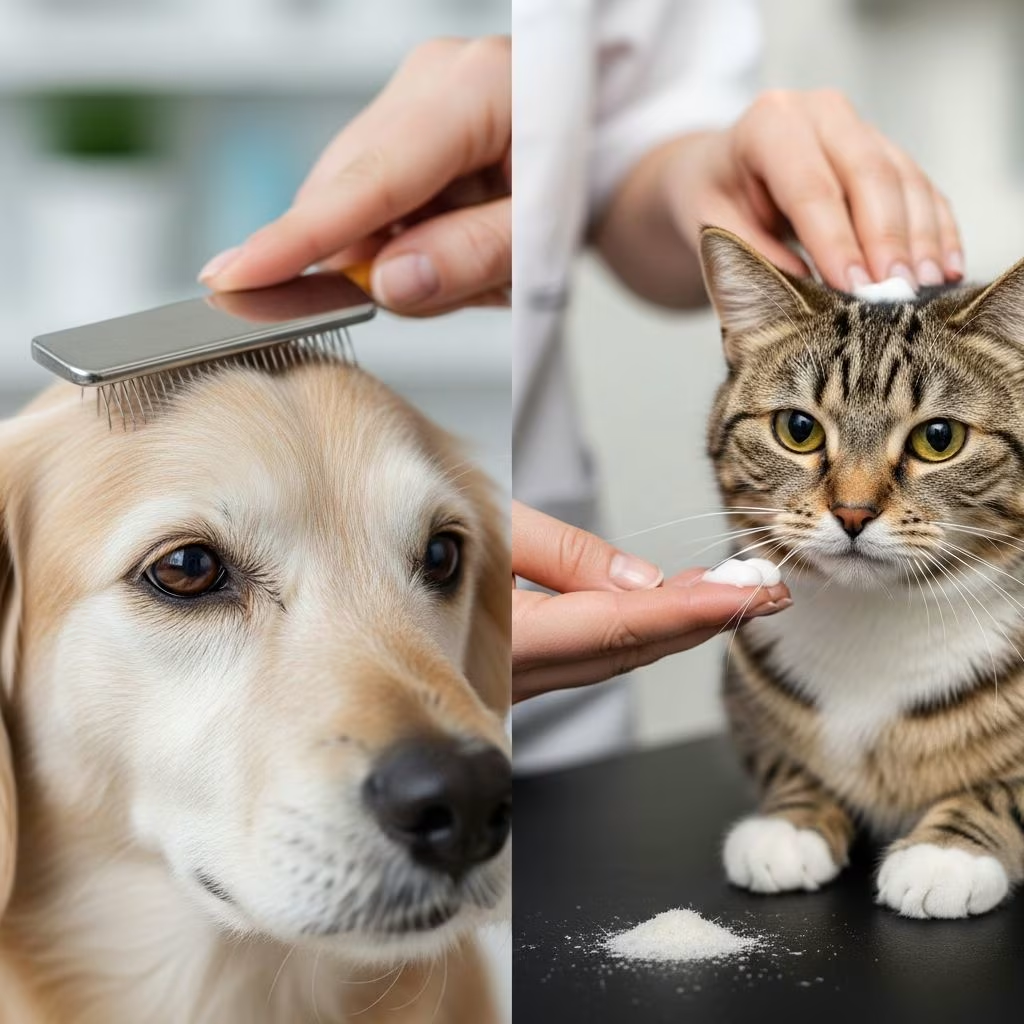
Dandruff in dogs and cats manifests as white, flaky skin visible on the fur, often accompanied by itchiness and discomfort. While not typically dangerous, it signals underlying issues like dry skin, allergies, or health conditions that require attention to restore your pet’s healthy coat.
What is pet dandruff?
Pet dandruff refers to excessive shedding of dead skin cells, appearing as small white or gray flakes on your dog or cat’s coat and surroundings. Unlike human dandruff, which stems from scalp oil imbalances, pet dandruff arises from disrupted sebum production by sebaceous glands, leading to overly dry or oily skin that flakes off. This condition affects both dogs and cats, causing irritation and potential secondary infections if scratching occurs.
Recognizing dandruff early prevents escalation. Flakes are most noticeable along the back, tail, and base of the tail, often worsening in dry weather or with infrequent grooming.
Symptoms of dandruff in dogs and cats
Common signs include visible white flakes on the fur, bedding, or clothing; excessive scratching, biting, or licking at the skin; dull, dry, or brittle coat; redness or inflammation; and in severe cases, hair loss or foul odor from oily seborrhea.
- **Dry dandruff**: Fine, white powdery flakes from insufficient skin oils, common in winter due to low humidity.
- **Oily dandruff (seborrhea)**: Greasy, yellowish flakes with a rancid smell, linked to overproduction of sebum.
- **Itchy skin**: Pets scratch excessively, leading to sores or hot spots.
- **Behavioral changes**: Lethargy, restlessness, or overgrooming due to discomfort.
- Walking dandruff: Moving flakes indicate Cheyletiella mites, a contagious infestation causing scaling and itching.
If symptoms persist beyond a week or include lethargy, weight loss, or vomiting, consult a vet immediately, as they may indicate systemic issues.
Causes of dandruff in dogs and cats
Dandruff stems from multiple factors disrupting skin health. Environmental triggers, poor nutrition, parasites, allergies, and medical conditions all contribute.
Environmental causes
Dry air from heating, low humidity, or excessive bathing strips natural oils, causing dehydration and flaking. Heat stress leads to panting, thirst, and dry skin, while poor grooming in long-haired breeds traps flakes.
Parasites
Fleas, ticks, mites (including Cheyletiella or mange mites), and lice irritate skin, prompting scratching that worsens flaking. Infestations cause inflammation, lesions, hives, and even systemic symptoms like vomiting.
Allergies
Food allergies to proteins like beef or grains, or environmental allergens (pollen, dust mites), provoke itchy, inflamed skin that flakes. Symptoms include rashes, ear infections, and gastrointestinal upset.
Poor diet and malnutrition
Diets lacking omega-3/6 fatty acids, zinc, or vitamins lead to dry, dull coats. Obesity exacerbates issues by limiting grooming.
Skin conditions and infections
Bacterial pyoderma, fungal/yeast infections, or seborrhea cause greasy or scaly skin. Ringworm and dermatitis add crustiness and odor.
Underlying health issues
| Condition | Symptoms with Dandruff |
|---|---|
| Hyperthyroidism (cats) | Weight loss, hyperactivity, excessive thirst/urination, unkempt fur |
| Hypothyroidism (dogs) | Lethargy, weight gain, hair loss |
| Kidney disease | Thirst, vomiting, bad breath, weakness |
| Diabetes | Thirst, urination, weight loss despite appetite |
| Arthritis/old age | Stiffness, poor grooming, limping |
| Autoimmune disorders | Scaly/crusted skin, ulcers, cysts |
Hormonal imbalances like Cushing’s disease also manifest as flaky skin.
How to treat dandruff in dogs and cats
Treatment targets the root cause after veterinary diagnosis via skin scrapes, blood tests, or allergy trials.
1. Veterinary care
Visit a vet to rule out infections or diseases. They may prescribe medicated shampoos (antifungal like ketoconazole, antibacterial), topical steroids, or oral antibiotics. For parasites, use prescription preventives.
2. Grooming and bathing
Bathe weekly with moisturizing, oatmeal, or medicated shampoos to remove flakes without drying skin. Brush daily to distribute oils and monitor skin—use a curry comb for cats, slicker brush for dogs. Avoid overbathing.
3. Dietary changes
Switch to high-quality food rich in omega fatty acids (fish oil supplements: 20-50mg EPA/DHA per lb body weight daily). Hydrolyzed protein diets help allergies. Add probiotics for gut health.
4. Home remedies
- Humidifier to combat dry air.
- Coconut/olive oil massages (sparingly, vet-approved).
- Aloe vera gel for soothing itch (pure, no additives).
- Epsom salt soaks for mild inflammation.
Always test small areas first.
5. Parasite control
Year-round flea/tick preventives (e.g., topical/oral like Bravecto). Treat environment with sprays.
Prevention tips for pet dandruff
Prevent recurrence with consistent care:
- Feed balanced, AAFCO-approved diets with fatty acids.
- Groom 2-3 times weekly, more in shedding seasons.
- Maintain 40-60% indoor humidity.
- Year-round parasite prevention.
- Annual vet checkups for early detection.
- Avoid harsh shampoos; use pH-balanced pet products.
For allergy-prone pets, hypoallergenic bedding and air filters help.
When to see a vet for pet dandruff
Seek immediate care if dandruff persists >2 weeks, worsens, or accompanies hair loss, odor, open sores, lethargy, appetite loss, or systemic symptoms. Puppies/kittens or seniors warrant quicker evaluation. Early intervention prevents complications like infections.
Frequently Asked Questions (FAQs)
Is dandruff in dogs and cats contagious?
No, true dandruff isn’t, but mite infestations like walking dandruff are highly contagious to other pets/humans.
Can I use human dandruff shampoo on my pet?
No—human products disrupt pet skin pH, worsening dryness. Use vet-recommended pet shampoos.
How long does it take to treat pet dandruff?
1-4 weeks with proper treatment; chronic cases may need ongoing management.
Does diet really affect dandruff?
Yes, nutrient deficiencies directly cause flaky skin; omega supplements often resolve mild cases.
Can senior pets get dandruff?
Yes, due to reduced grooming, arthritis, or hypothyroidism.
References
- Why Does My Cat Have Dandruff And How Can I Get Rid Of It? — North Kenny Vet. 2023. https://northkennyvet.com/blog/cat-dandruff-columbus-oh/
- Dandruff and dry skin in cats and dogs — Banfield Pet Hospital. 2024. https://www.banfield.com/Wellness-at-banfield/Skin-and-coat-care/Dandruff-and-dry-skin
- Dandruff in Dogs: Causes & Treatment — Petsonbroadway.net. 2024-07-15. https://www.petsonbroadway.net/site/blog/2024/07/15/dandruff-dog
- What are the Symptoms of Dog and Cat Dandruff? — PetCareRx. N/A. https://www.petcarerx.com/article/what-are-the-symptoms-of-dog-and-cat-dandruff/651



