

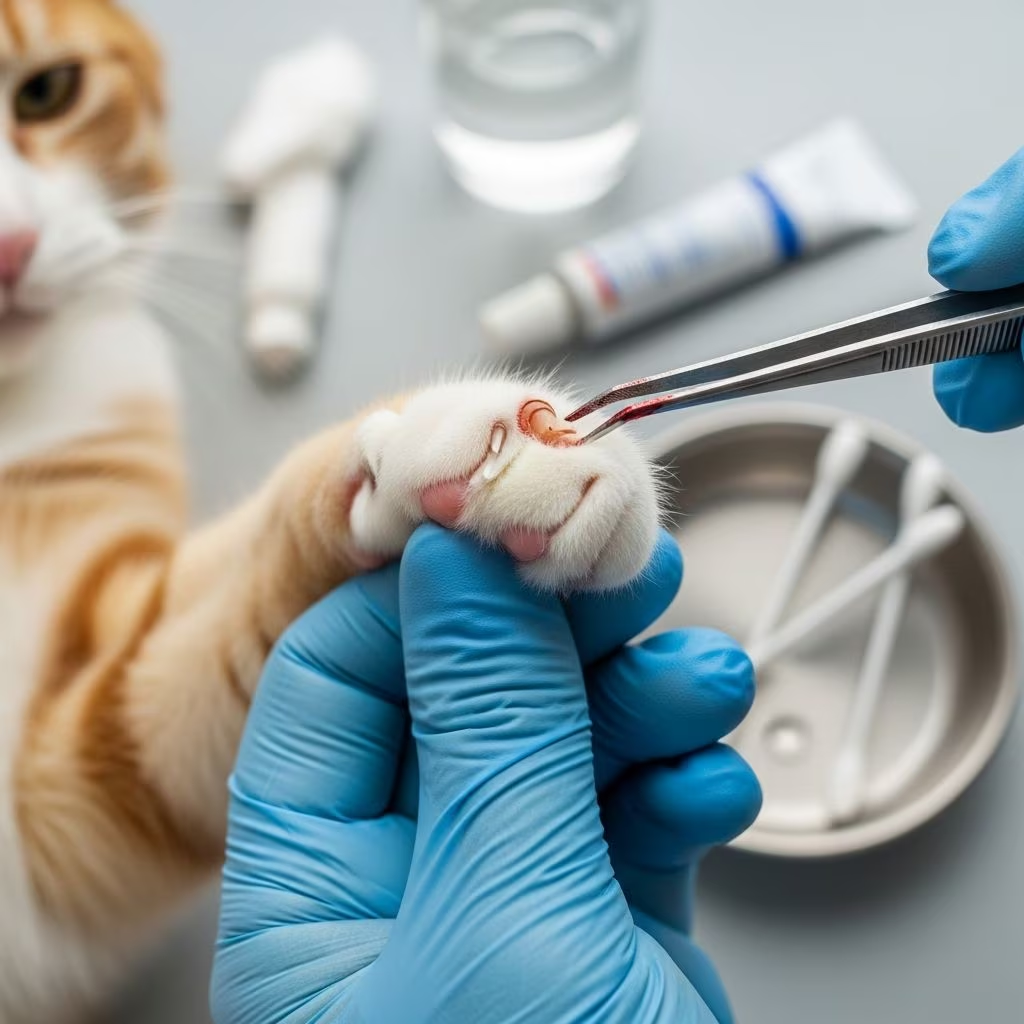
A broken nail in cats is a common injury that can cause significant pain, bleeding, and risk of infection if not handled properly. Cats’ nails, or claws, are sharp and retractable, but they can tear during play, scratching, or accidents. Quick action is essential to stop bleeding, clean the area, and protect the wound while it heals. This comprehensive guide covers everything from immediate first aid to long-term prevention, helping you keep your feline friend comfortable and healthy.
Recognizing a Broken Nail in Cats
Cat nails consist of a hard outer sheath and an inner quick containing blood vessels and nerves, making injuries particularly painful. A broken nail may be partially torn, fully detached, split, or bleeding profusely. Common signs include limping, reluctance to use the affected paw, excessive licking, visible blood, swelling, redness, or a dangling nail fragment.
- Limping or avoiding the paw: Cats in pain often favor the injured limb to protect it.
- Bleeding: Especially if broken near the quick, leading to steady dripping.
- Swelling or redness: Indicates inflammation around the nail bed.
- Excessive grooming: Licking to soothe discomfort, which can worsen infection.
- Visible damage: Split, cracked, or hanging nail pieces.
Assess the injury calmly. If the nail is completely off and bleeding has stopped, healing may occur naturally, but monitoring is crucial. Severe cases with heavy bleeding, deep tears, or signs of infection require immediate veterinary attention.
Immediate Steps: Stop the Bleeding
The first priority with a bleeding broken nail is to control hemorrhage safely. Cats may become stressed, so enlist help to restrain them gently without causing bites or scratches.
- Stay calm and isolate your cat: Move to a quiet area to reduce stress.
- Apply direct pressure: Use a clean cloth, gauze, or paper towel pressed firmly on the toe for 5-10 minutes. Elevate the paw if possible.
- Snip hanging nail parts: If a portion dangles, use pet nail clippers to remove it cleanly, avoiding the quick. This prevents further tearing during movement.
- Use styptic agents: Apply styptic pencil, powder, or cornstarch to cauterize capillaries and seal the wound quickly and painlessly.
Avoid human tourniquets or tight wraps, as they can cut circulation. If bleeding persists beyond 10-15 minutes or is spurting, rush to a vet—rarely, it signals deeper vascular damage.
Removing the Damaged Nail
If the nail is partially attached and loose, removal prevents painful snags on furniture or during walking. Proceed only if you’re confident; otherwise, seek professional help.
- Examine attachment: Check how much nail bed skin clings to the fragment.
- Use proper tools: Pet-specific nail clippers or scissors for a clean cut at the break point.
- Be gentle: Have an assistant hold the cat securely. Cut swiftly to minimize pain.
- Avoid the quick: The pink inner part—cutting it causes sharp pain and more bleeding.
For fully embedded or deeply torn nails, vets often sedate cats for safe extraction, especially if infection is present. Never pull or yank, as this traumatizes the nail bed.
Cleaning the Wound Properly
Cleaning removes debris and bacteria, slashing infection risk. Perform this twice daily until healed.
- Rinse with warm water: Soak the paw in shallow warm water for 5 minutes to loosen dirt.
- Use mild antiseptics: Pet-safe sprays or saline solution (avoid alcohol or hydrogen peroxide, which sting and delay healing).
- Pat dry: Gently towel-dry to prevent moisture buildup.
- Optional soak: Epsom salts in warm water for 10 minutes twice daily if the entire nail is off, soothing inflammation.
Inspect daily for pus, foul odor, increased swelling, or heat—these signal infection needing antibiotics.
Bandaging and Protecting the Paw
Cats instinctively lick wounds, introducing bacteria and delaying recovery. Bandaging shields the area while allowing airflow.
- Light bandage application: Use non-stick gauze, vet wrap, or self-adhesive pet bandage. Secure with tape but not too tight—check circulation by pressing the toe; it should pink up quickly.
- Creative alternatives: Clean baby sock over the paw, taped at the ankle.
- E-collar necessity: If your cat removes the bandage, fit a cone collar to deter licking.
- Daily changes: Remove, clean, re-bandage to monitor progress.
Remove bandaging once tenderness subsides (usually 3-5 days). Over-bandaging risks maceration or constriction.
Monitoring for Infection and Complications
Healing takes 7-14 days as a new nail grows from the bed. Vigilance prevents abscesses or osteomyelitis.
| Normal Healing Signs | Infection Red Flags |
|---|---|
| Gradual pain reduction Mild initial swelling decreases Clear discharge dries up | Persistent/ worsening pain Red streaks, hot swelling Pus, foul smell, fever |
| New nail growth visible Cat resumes normal gait | Lethargy, appetite loss Lameness persists >48 hours |
Track temperature with a pet thermometer (normal: 100.5-102.5°F). Consult a vet for antibiotics, pain meds, or debridement if issues arise. Kittens, seniors, or immunocompromised cats heal slower and need prompt care.
When to See a Vet Immediately
Not all broken nails resolve at home. Seek professional help if:
- Bleeding uncontrolled after 15 minutes.
- Deep tear exposing bone or multiple nails affected.
- Infection signs appear.
- Cat extremely painful, non-weight-bearing, or systemic symptoms (vomiting, fever).
- Nail won’t detach or recurs frequently.
Vets may X-ray for fractures, prescribe meds, or surgically remove damaged tissue. Pain relief like buprenorphine ensures comfort.
Preventing Future Broken Nails in Cats
Proactive care minimizes risks. Integrate these habits:
- Regular trimming: Every 2-4 weeks with cat clippers. Learn the quick via translucent nails; use treats for cooperation.
- Scratching posts: Sisal or cardboard posts satisfy natural urges, naturally filing claws.
- Dietary support: High-quality food with biotin, omega-3s for strong nails.
- Paw checks: Weekly inspections during grooming.
- Environment tweaks: Remove snaggable rugs/carpets; supervise rough play.
Indoor cats on soft surfaces overgrow nails faster—schedule pro trims if needed.
Frequently Asked Questions (FAQs)
Will a cat’s broken nail heal on its own?
Yes, minor tears often heal in 1-2 weeks with cleaning and protection, but monitor closely to avoid complications.
What if my cat’s nail is ripped completely off?
Control bleeding, clean daily, bandage, and watch for infection. Soak in Epsom water if no bleeding; see vet for pain or swelling.
How do I stop bleeding from a cat’s torn nail?
Direct pressure 5-10 min, snip loose parts, apply styptic powder/pencil. Vet if persistent.
Can I trim my cat’s split nail at home?
For minor splits without bleeding, yes—trim jagged edges carefully. Deep splits need vet evaluation.
How long does a cat nail take to regrow?
Full regrowth: 2-6 months, but wound heals in 7-14 days. New nail emerges sooner.
Recommended Supplies for Cat Nail First Aid
- Pet nail clippers
- Styptic powder/pencil
- Pet antiseptic spray
- Self-adhesive vet wrap
- Cone collar
- Digital pet thermometer
- Saline solution
References
- Petful Veterinary Team: How to Treat a Torn Cat Nail — Petful. 2023. https://www.petful.com/pet-health/how-to-treat-a-torn-cat-nail/
- Broken Cat Claw or Nail: What You Should Do — Partners Veterinary Clinic. 2023. https://partnersvetavl.com/?p=4026
- Dog & Cat Nail Injuries | Causes & Treatment — My Corner Vet. 2024. https://www.mycornervet.com.au/nail-injuries
- Why are my cat’s nails splitting? — All Bay Animal Hospital. 2024-05-15. https://www.allbayanimalhospital.com/site/blog/2024/05/15/cats-nails-splitting



