

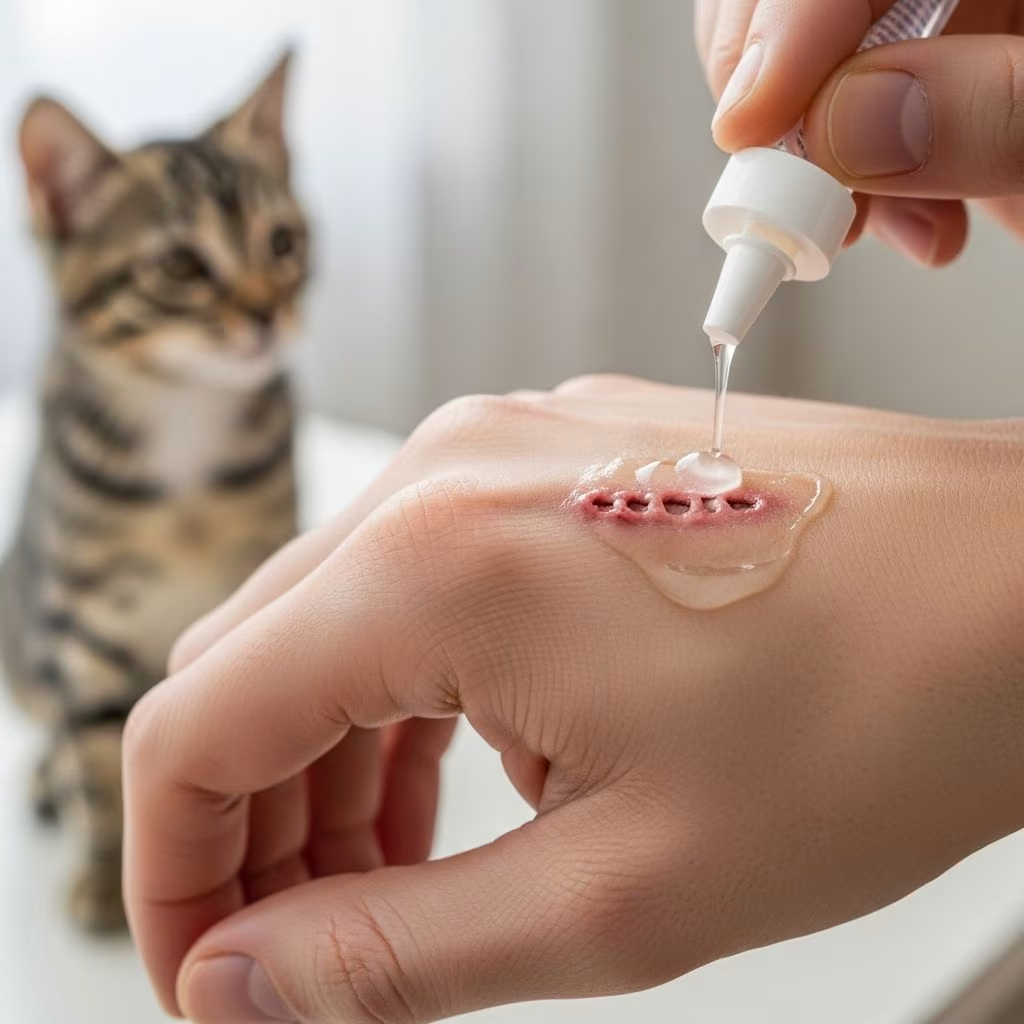
Cat bites and puncture wounds are common injuries for pet owners and cats alike, often resulting from play, territorial disputes, or accidents. These injuries pose significant risks due to cats’ sharp teeth, which can introduce bacteria deep into tissues, leading to infections. Prompt and proper treatment is crucial to prevent complications like abscesses or systemic infections. This guide provides detailed steps for assessing, cleaning, and managing these wounds, distinguishing between home care for minor issues and when professional veterinary intervention is necessary.
Why Cat Bites and Puncture Wounds Are Dangerous
Cat bites differ from other wounds because feline teeth create narrow, deep punctures that seal quickly, trapping bacteria such as Pasteurella multocida and others from the cat’s mouth. This anaerobic environment fosters rapid bacterial growth, potentially causing abscesses, cellulitis, or even sepsis if untreated. Puncture wounds from claws or teeth often go unnoticed initially but can lead to swelling, pain, and fever within 24-48 hours. For humans bitten by cats, infection rates exceed 50%, underscoring the need for immediate action. In cats, bite wounds from fights are notorious for forming abscesses, requiring drainage and antibiotics.
Statistics from veterinary sources indicate that cat fight wounds account for a large portion of emergency visits. Factors increasing danger include the cat’s vaccination status, wound location (e.g., face, joints), and the bitten individual’s immune health. Always prioritize safety: restrain the cat gently if treating its wound, and for human bites, seek medical care promptly.
Assess the Wound: First Steps for Cat Bites and Punctures
Before any treatment, evaluate the injury carefully. For your cat’s wound, check for excessive bleeding, rapid breathing, or distress—these signal an emergency. Observe the cat’s behavior: lethargy, hiding, or aggression may indicate pain or infection.
- Bleeding: Light oozing is normal; profuse or pulsing blood requires immediate vet care.
- Depth: Superficial scratches bleed briefly; punctures deeper than 1/4 inch need professional evaluation.
- Location: Wounds on chest, abdomen, or near eyes/joints are high-risk.
- Foreign objects: Teeth fragments or debris must be noted but not blindly removed.
For human bites from cats, assess if skin is broken. Punctures demand doctor visits due to high infection risk. Wash hands first, wear gloves if possible, and avoid squeezing the wound, which spreads bacteria.
How to Clean Cat Bite and Puncture Wounds
Cleaning is the cornerstone of treatment. Copious irrigation removes contaminants effectively. Use unmedicated saline (1 tsp salt per 2 cups water) or clean tap water—both are equally effective for acute wounds per studies.
Step-by-Step Cleaning for Cats
- Restrain safely: Use a towel or carrier if the cat is agitated.
- Flush thoroughly: Use a needleless syringe to irrigate with saline for 5-15 minutes, dislodging debris.
- Pat dry: Gently with sterile gauze; do not rub.
- Inspect: Check for embedded objects—remove small unbarbed items with tweezers, but leave barbed/large ones for vets.
Cleaning Human Cat Bites
Wash under running water for 5+ minutes with mild soap. Avoid hydrogen peroxide or alcohol, which delay healing. Apply pressure to control bleeding, then cover loosely.
| Wound Type | Cleaning Method | Duration | Solution |
|---|---|---|---|
| Superficial Scratch | Tap water/saline flush | 5 minutes | Mild soap optional |
| Puncture Bite | Syringe irrigation | 10-15 minutes | Normal saline |
| Human Bite | Running faucet | 5+ minutes | Soap + water |
Treating Minor Cat Wounds at Home
Small, shallow wounds (<1 inch, minimal bleeding) can often be managed at home if the cat tolerates handling.
- After cleaning, apply cat-safe antibiotic spray (no zinc/neomycin if toxic to cats).
- Monitor for licking; use an e-collar if needed.
- Re-clean daily; change bandages.
Do not use human products—opt for vet-formulated ointments. For scratches/nicks, a thin antibiotic layer suffices post-drying.
When to Go to the Vet for Cat Bites and Punctures
Not all wounds are home-treatable. Seek immediate veterinary care for:
- Deep punctures or uncontrolled bleeding.
- Swelling, pus, fever, or lameness (signs of infection/abscess).
- Chest/abdomen wounds affecting breathing.
- Bites from unknown/stray cats (rabies risk).
Vets may drain abscesses, prescribe antibiotics like amoxicillin-clavulanate, or perform imaging/surgery. Delaying can lead to hospitalization.
Signs of Infection in Cat Bites and Puncture Wounds
Monitor closely—symptoms appear fast:
- Local: Redness, swelling, heat, pus/discharge.
- Systemic: Fever, lethargy, loss of appetite, limping.
- Human-specific: Lymph node swelling, red streaks.
In cats, abscesses feel like firm, painful lumps. If present, do not lance at home—vet drainage prevents recurrence.
Professional Treatment for Serious Cat Wounds
Veterinarians use sedation for thorough cleaning, debridement, and cultures. Antibiotics target common pathogens; pain relief and e-collars aid healing. For humans, doctors prescribe oral antibiotics (e.g., Augmentin), tetanus shots, or rabies prophylaxis. Severe cases may need stitches or hospitalization.
Preventing Cat Bites and Puncture Wounds
Prevention is ideal:
- Supervise multi-cat homes and play.
- Trim nails regularly.
- Spay/neuter to reduce fighting.
- Vaccinate against rabies.
- Socialize kittens early.
For owners, avoid rough play and teach gentle handling.
Frequently Asked Questions (FAQs)
What should I do immediately after a cat bites me?
Wash with soap and water for 5 minutes, apply pressure to stop bleeding, and see a doctor promptly for antibiotics.
Can I treat my cat’s bite wound at home?
Only minor, shallow wounds; flush with saline, apply cat-safe antibiotic, and monitor. Vets for anything deeper.
Is saline solution good for cat wounds?
Yes, unmedicated saline effectively cleans without irritation.
How do I know if a cat bite is infected?
Look for swelling, pus, fever, or red streaks—seek care immediately.
Should I remove objects from a puncture wound?
Only small unbarbed items; others require vet removal to avoid further damage.
What antibiotic is best for cat bites?
Amoxicillin-clavulanate is first-line for prophylaxis.
This comprehensive guide empowers cat owners with knowledge for safe wound management. Always err on caution—early intervention saves lives and prevents costly treatments.
References
- Cat Wound Care: Scratches, Bites, Punctures [Step-By-Step] — Sploot Veterinary Care. 2023. https://www.splootvets.com/post/cat-wound-care-scratches-bites-punctures-step-by-step
- Cat Bite Injuries to Humans — VCA Animal Hospitals. 2023. https://vcahospitals.com/know-your-pet/wounds-cat-bite-injuries-to-humans
- Bite Club: Comprehensive Guide to Bite Management (Part 1) — EM Ottawa Blog. 2023-04. https://emottawablog.com/2023/04/bite-club-comprehensive-guide-to-bite-management-part-1/
- Treatment for Dog and Cat Bites and Scratches — Stanford Children’s Health. 2023. https://www.stanfordchildrens.org/en/topic/default?id=treatment-for-dog-and-cat-bites-and-scratches-90-P01897
- Animal bites: First aid — Mayo Clinic. 2023. https://www.mayoclinic.org/first-aid/first-aid-animal-bites/basics/art-20056591
- Dog and Cat Bites — American Academy of Family Physicians (AAFP). 2014-08-15. https://www.aafp.org/pubs/afp/issues/2014/0815/p239.html



