

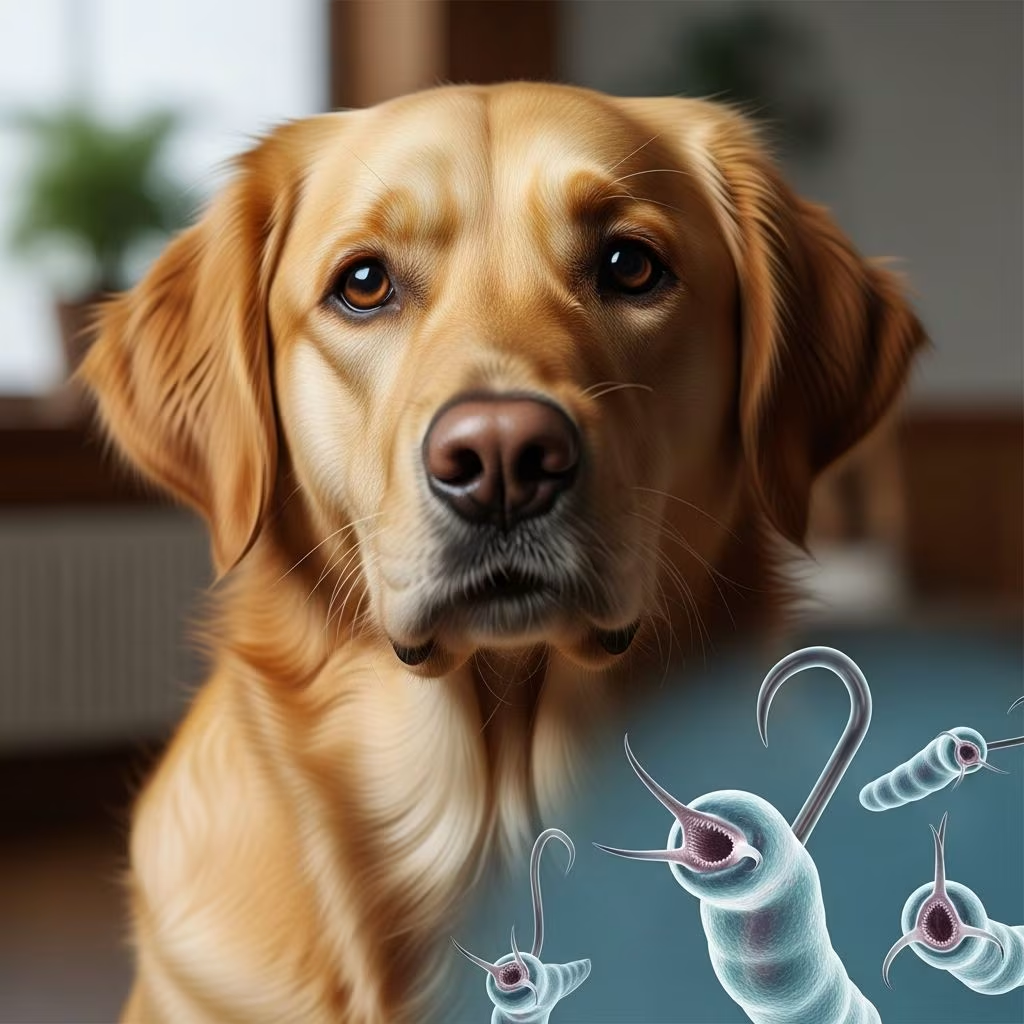
How to Treat and Prevent Hookworms in Dogs
Hookworms are a common parasitic infection that affects dogs of all ages, but particularly puppies. These microscopic parasites attach to the intestinal walls of dogs and feed on blood, potentially causing serious health complications if left untreated. Understanding how to identify, treat, and prevent hookworm infections is essential for maintaining your dog’s health and well-being. This comprehensive guide will help you navigate the challenges of hookworm management and protect your furry companion from this preventable condition.
Understanding Hookworms in Dogs
Hookworms are intestinal parasites that are among the most common helminthic infections in dogs worldwide. These parasites have specialized mouthparts that allow them to attach to the intestinal lining, where they feed on blood and cause irritation. Dogs can contract hookworms through various routes, including ingesting contaminated soil, feces, or infected prey animals. Additionally, hookworms can be transmitted from mother dogs to puppies through nursing, making prevention in pregnant and nursing females particularly important.
The lifecycle of hookworms includes both environmental and internal stages. Hookworm eggs are shed in a dog’s feces and can survive in soil for extended periods, creating ongoing contamination risks. Understanding this lifecycle is crucial for implementing effective prevention strategies in your home and yard.
Symptoms of Hookworm Infection
Recognizing the signs of hookworm infection is the first step in seeking appropriate treatment. Common symptoms include:
- Bloody or tarry stools
- Diarrhea or loose stools
- Anemia (pale gums and lethargy)
- Weight loss or poor growth in puppies
- Weakness and fatigue
- Abdominal discomfort or pain
- Dark or black-colored stools indicating blood in the feces
Puppies and young dogs are particularly vulnerable to severe hookworm infections, which can result in life-threatening anemia and developmental delays. If you notice any of these symptoms in your dog, contact your veterinarian immediately for proper diagnosis and treatment.
Treatment of Hookworms in Dogs
Treating hookworms requires a veterinary approach tailored to your dog’s specific situation. Your veterinarian will determine the most appropriate treatment based on your dog’s age, health status, severity of infection, and overall medical history.
Anthelmintic Medications
Anthelmintics are the primary class of medications used to eliminate hookworms. These antiparasitic drugs work by destroying adult hookworms in the intestinal tract. Common anthelmintic medications prescribed by veterinarians include:
- Pyrantel pamoate — Found in products like Drontal Plus, this medication targets adult hookworms
- Fenbendazole — Available as Panacur, this broad-spectrum dewormer is effective against multiple parasite types
- Milbemycin oxime — Often included in monthly heartworm preventatives
- Ivermectin — Typically combined with other medications for comprehensive parasite control
Combination Parasite Preventatives
Many modern parasite prevention products contain combinations of deworming medications that target hookworms along with other parasites. These convenient monthly treatments provide ongoing protection and often include:
- Heartgard Plus
- Sentinel Spectrum
- Interceptor Plus
- Simparica TRIO
- NexGard PLUS
- Trifexis
- Advantage Multi
These products are particularly valuable for long-term management, as they prevent re-infection while eliminating existing parasites.
Treatment Protocol and Frequency
The treatment schedule depends on several factors. Initial treatment typically eliminates adult hookworms, but follow-up treatments are necessary because some larvae may be in developmental stages at the time of first treatment. Your veterinarian will likely recommend:
- Initial anthelmintic treatment
- Repeat treatment every 2-3 weeks to eliminate newly matured hookworms
- Follow-up fecal examinations to confirm successful treatment
- Transition to monthly preventative medication
Supportive Care for Severe Infections
In severely affected puppies and dogs, hookworm treatment extends beyond medication. Comprehensive supportive care may include:
- Hospitalization for monitoring and care
- Intravenous fluid and electrolyte therapy to restore hydration and balance
- High-quality, high-protein diet to support recovery and rebuild blood stores
- Blood transfusions if anemia is severe
- Additional medications to manage symptoms and complications
Severe infections can be life-threatening, particularly in young puppies, making prompt veterinary intervention crucial.
Prevention of Hookworms in Dogs
Prevention is significantly more effective and cost-efficient than treating established infections. A comprehensive prevention strategy addresses multiple transmission routes and reduces environmental contamination.
Puppy Prevention Schedule
Puppies require aggressive deworming protocols due to their high susceptibility and the high prevalence of hookworm infection in newborn litters. The recommended prevention schedule includes:
- Deworming at 2 weeks of age
- Deworming at 4 weeks of age
- Deworming at 6 weeks of age
- Deworming at 8 weeks of age
- Transition to monthly preventative medication as soon as label recommendations allow
Even if fecal tests are negative, this schedule should be followed because hookworm larvae may not yet be detectable in feces. If puppies are not started on treatment until 6-8 weeks of age or later, they should receive an additional deworming two weeks after starting monthly preventatives.
Adult Dog Prevention
Adult dogs require ongoing parasite prevention throughout their lives. The recommended prevention strategy includes:
- Monthly parasite prevention year-round for life
- Stool testing twice yearly for healthy adult dogs, or more frequently depending on lifestyle and health status
- Prompt removal of all feces from yards and living areas
- Regular veterinary wellness visits
Environmental Management
Controlling the environment is essential for preventing hookworm transmission. Key environmental measures include:
- Fecal removal — Immediately pick up all stool after your dog defecates
- Yard maintenance — Keep your yard free of dog waste and consider regular cleaning
- Home cleaning — Wash all bedding, toys, and surfaces with disinfectant
- Litter box management — If you have cats, promptly remove feces from litter boxes
- Floor cleaning — Vacuum carpets and clean hard floors regularly
Protecting Pregnant and Nursing Dogs
Pregnant and nursing dogs pose particular transmission risks to puppies. Prevention strategies include:
- Deworming pregnant bitches during pregnancy with daily fenbendazole from the 40th day of gestation through the 14th day of lactation
- Alternative high-dose ivermectin protocols administered 2-4 times during pregnancy
- Simultaneous deworming of puppies at 2, 4, 6, and 8 weeks of age
- Nursing female dogs should be dewormed when their puppies are dewormed
These measures significantly reduce transmammary transmission of hookworm larvae to nursing puppies.
Outdoor and Public Area Protection
Preventing hookworm transmission in public spaces protects all dogs in your community:
- Always clean up after your dog at parks, beaches, and on walks
- Keep dogs confined to a leash or fenced yard to prevent scavenging
- Prevent predation of potentially infected prey animals
- Advocate for leash law enforcement in your community
Do I Need to Clean My House if My Dog Has Hookworms?
Yes, thorough home cleaning is absolutely essential when your dog has hookworms. Hookworm eggs and larvae can contaminate your home environment and pose a reinfection risk to your dog and a zoonotic risk to your family. Comprehensive cleaning includes:
| Cleaning Task | Details |
|---|---|
| Bedding | Wash all bedding, including your dog’s beds and blankets, in hot water |
| Toys | Wash or disinfect all toys your dog has contact with |
| Floors | Vacuum carpets thoroughly and mop hard floors with disinfectant |
| Surfaces | Disinfect commonly touched surfaces and areas where your dog spends time |
| Food/Water Bowls | Wash and disinfect food and water bowls daily |
| Yard | Remove all feces and consider professional yard cleaning if heavily contaminated |
All pets in your household should be placed on monthly year-round parasite preventative during this period and receive appropriate deworming medication. Continue preventive measures even after your dog has been treated, as reinfection is possible without ongoing protection.
Zoonotic Risk and Human Protection
Hookworms can pose a zoonotic risk, particularly to children and vulnerable individuals. Protective measures for your family include:
- Hand hygiene — Wash hands frequently when around your dog or after handling waste
- Children’s hygiene — Ensure children wash hands regularly and avoid contact with potentially contaminated areas
- Playground safety — Cover children’s sandboxes when not in use and keep playgrounds free of pet waste
- Yard protection — Wear shoes and gloves while gardening in potentially contaminated areas
- Preventative medication — Keep dogs on consistent monthly parasite preventatives
Monitoring Treatment Effectiveness
Ensuring that treatment is working requires follow-up monitoring. Your veterinarian will recommend:
- Fecal examinations 2-4 times during the first year of treatment
- Annual or bi-annual fecal testing thereafter, depending on age and infection history
- Return veterinary visits to assess your dog’s response to medication
- Observation of symptom resolution
These monitoring steps ensure that your dog has cleared the infection and that your prevention strategy is effective.
Frequently Asked Questions
Q: How long does it take to treat hookworms in dogs?
A: Initial treatment can kill adult hookworms within days, but complete elimination requires repeated treatments every 2-3 weeks to address newly matured larvae. Full treatment and prevention may take several weeks to months depending on the severity of infection and your dog’s individual response.
Q: Can humans get hookworms from dogs?
A: While humans can contract hookworms from contaminated environments, the hookworms that primarily affect dogs are species-specific. However, practicing good hygiene, keeping dogs on parasite prevention, and maintaining a clean environment minimizes any zoonotic risk.
Q: Is hookworm prevention expensive?
A: Monthly prevention medications are relatively affordable compared to treating a severe hookworm infection, which may require hospitalization and intensive supportive care. Prevention is always more cost-effective than treatment.
Q: Can my dog get reinfected with hookworms?
A: Yes, dogs can be reinfected if not kept on consistent monthly parasite prevention. This is why year-round preventative medication is essential for all dogs, regardless of whether they’ve been previously infected.
Q: What should I do if my dog has symptoms of hookworms?
A: Contact your veterinarian immediately. Hookworm infections, particularly in puppies, can become severe quickly and may require emergency care. Prompt diagnosis and treatment are essential for preventing serious complications.
References
- Hookworms in Dogs: Symptoms, Treatment, and How To Prevent Them — PetMD. Accessed 2025-11-28. https://www.petmd.com/dog/conditions/infectious-parasitic/hookworms-dogs-symptoms-treatment-and-how-prevent-them
- Hookworms in Dogs — Cornell University College of Veterinary Medicine, Riney Canine Health Center. 2024-07. https://www.vet.cornell.edu/departments-centers-and-institutes/riney-canine-health-center/canine-health-information/hookworms-dogs
- Hookworms — Companion Animal Parasite Council. Accessed 2025-11-28. https://capcvet.org/guidelines/hookworms/
- Hookworm Disease: Symptoms & Treatment, How You Get It — Cleveland Clinic. Accessed 2025-11-28. https://my.clevelandclinic.org/health/diseases/14072-hookworm-disease
- Hookworms — Pets and Parasites. Accessed 2025-11-28. https://www.petsandparasites.org/dog-owners/hookworms/



