

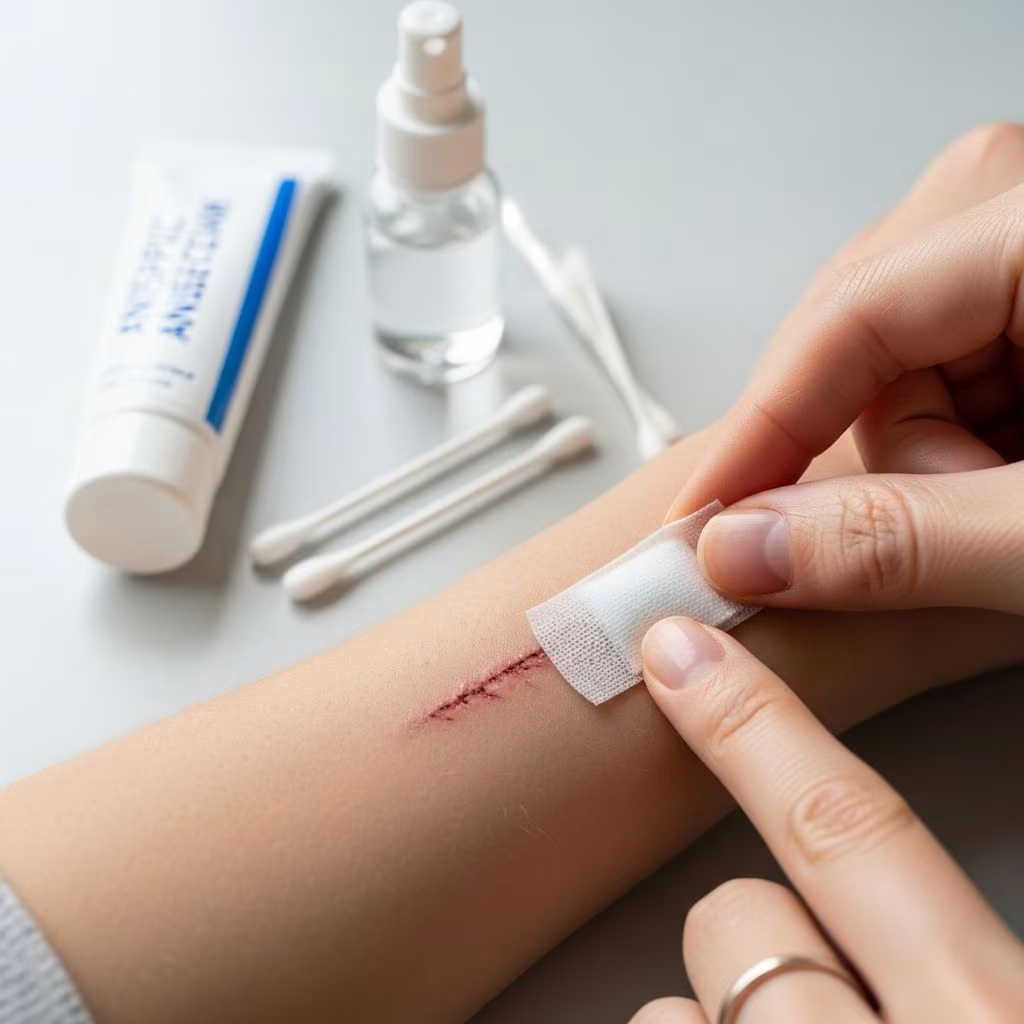
Cat scratches are common injuries for both cats and their owners, but proper treatment is crucial to prevent infections like abscesses or cat scratch disease. This guide provides step-by-step instructions for home care of minor wounds using saline solutions and antibiotic sprays, while emphasizing when to seek veterinary help for deeper punctures or bites.
Understanding Cat Scratches and Bites
Cats have sharp claws and teeth that can cause superficial scratches, deep punctures, or bites. Shallow scratches affect only the outer skin layer and stop bleeding quickly, while punctures trap bacteria due to their narrow entry, leading to high abscess risk. Bites often introduce oral bacteria, increasing infection chances significantly. Immediate cleaning with soap, water, or saline reduces contamination.
For cat owners, scratches may transmit Bartonella henselae, causing cat scratch disease, characterized by swollen lymph nodes and fever. Prompt washing with soap and water is recommended by the CDC.
Immediate First Aid for Cat Scratches
Act quickly to minimize infection risk. Evaluate your cat’s pain and fear levels first—if they’re distressed, transport to a vet instead of home treatment.
Steps for Small, Shallow Scratches (Less than 1 Inch, Stops Bleeding in Minutes)
- Flush the wound: Use an oral syringe (no needle) with unmedicated saline solution or clean water to irrigate thoroughly, removing debris.
- Dry gently: Pat with clean gauze; avoid rubbing.
- Control bleeding: Apply gentle pressure with fresh gauze for a few minutes.
- Apply antibiotic: Use cat-safe antibiotic spray or cream on the cleaned area.
- Prevent licking: Fit an e-collar or soft cone if your cat tries to lick, then re-clean as needed.
Salt water (normal saline) is effective for flushing cat wounds, as it safely removes contaminants without irritation.
Treatment for Human Cat Scratches
Wash human wounds under running water with soap for 5 minutes, avoiding scrubbing to prevent tissue damage. Apply pressure to stop bleeding (up to 5 minutes), then cover with a sterile dressing. Seek medical care within 8 hours, especially for hand or face scratches, as antibiotics or tetanus boosters may be needed.
Handling Cat Bites and Punctures
Bites and punctures are more serious due to bacteria from a cat’s mouth. Observe breathing—if rapid or panting, go to an emergency vet immediately.
- Restrain safely: Use a towel to wrap and calm your cat; place in a carrier if too agitated.
- Clean if possible: Flush with saline; for small unbarbed objects like thorns, remove with tweezers.
- Do not remove large objects: Leave barbed items in place and call an emergency vet.
- Control bleeding: Gentle pressure with gauze; if profuse, seek urgent care.
Vets often leave bite wounds open to drain, applying antibiotics like doxycycline if infection risks are high.
Signs of Infection and When to See a Vet
Monitor for redness, swelling, pus, fever, lethargy, or limping. Puncture wounds frequently form abscesses from trapped bacteria. For humans, watch for fever, swollen glands, or worsening pain—see a doctor promptly.
| Wound Type | Home Care Suitable? | Vet Visit Triggers |
|---|---|---|
| Shallow Scratch | Yes, with saline and spray | Bleeds >5 min, infection signs |
| Bite/Puncture | First aid only | Any bleeding, pain, debris |
| Deep Laceration | No | Immediately |
Deep wounds compromise more tissue, heightening bacterial risks.
Preventing Infection in Cat Wounds
Use only cat-formulated products—no human ointments with zinc oxide, which are toxic. Flea control prevents Bartonella re-infection, as fleas spread the bacteria. Regular vaccines and health checks reduce disease transmission risks.
Professional Veterinary Treatment
Vets may sedate for cleaning, debride tissue, drain abscesses, or prescribe antibiotics like enrofloxacin for 4-6 weeks in severe cases. For cat scratch fever in cats, most recover without treatment, but immunocompromised cats need antibiotics. Recovery takes days to months; complete full courses.
Home Recovery Tips for Cats
- Keep the wound clean and dry.
- Confine to prevent re-injury.
- Monitor appetite and behavior.
- Use e-collars to block licking.
- Follow-up vet visits for stitches or check-ups.
Cat Scratch Disease: What Cat Owners Need to Know
Transmitted via scratches or bites, especially from flea-infested kittens. Symptoms include fever and lymph node swelling; most resolve in 2-4 months with supportive care like antipyretics. Antibiotics (e.g., rifampin) for severe cases. Prevent by washing wounds immediately and using flea preventatives.
Frequently Asked Questions (FAQs)
Is salt water good for cat wounds?
Yes, unmedicated saline (salt water) is ideal for flushing debris from cat scratches and wounds safely.
Can I treat my cat’s scratch at home?
Only small, shallow ones; deeper wounds require vet care to avoid abscesses.
What if my cat’s bite wound is bleeding a lot?
Apply pressure; if it doesn’t stop in minutes, contact an emergency vet.
How do I prevent cat scratch infections in humans?
Wash with soap and water for 5 minutes, apply antibiotic cream, and see a doctor within 8 hours.
Does my cat need antibiotics for a scratch?
Not always; monitor for infection. Vets prescribe for high-risk cases like punctures.
Conclusion
Proper cat scratch treatment starts with calm assessment, thorough cleaning, and vigilant monitoring. While home care suffices for minor issues, professional intervention prevents serious complications. Always prioritize your cat’s and your safety.
References
- Cat Wound Care: Scratches, Bites, Punctures [Step-By-Step] — Sploot Veterinary Care. 2023. https://www.splootvets.com/post/cat-wound-care-scratches-bites-punctures-step-by-step
- What to Know About a Cat Bite or Scratch — WebMD. 2023. https://www.webmd.com/pets/cats/what-to-know-about-a-cat-bite-or-a-scratch
- Cat Scratch Fever in Cats: What Is It and How Is It Treated? — PetMD. 2024. https://www.petmd.com/cat/conditions/infectious-parasitic/cat-scratch-fever-cats-what-it-and-how-it-treated
- Treatment for Dog and Cat Bites and Scratches — Stanford Children’s Health. 2023. https://www.stanfordchildrens.org/en/topic/default?id=treatment-for-dog-and-cat-bites-and-scratches-90-P01897
- Cat Scratch Disease — NCBI StatPearls. 2023-10-01. https://www.ncbi.nlm.nih.gov/books/NBK482139/
- About Bartonella henselae — CDC. 2024. https://www.cdc.gov/bartonella/about/about-bartonella-henselae.html



