

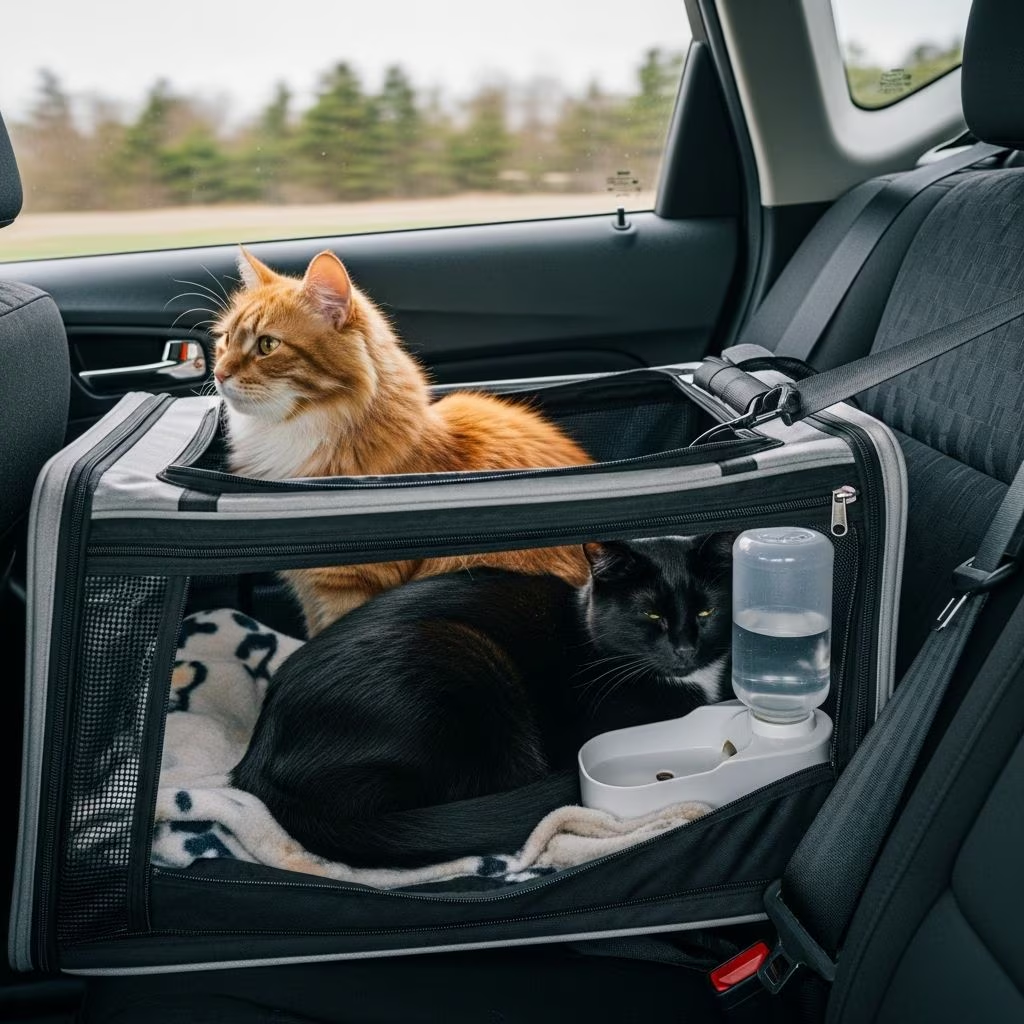
Traveling with two cats requires more preparation than solo feline trips or dog adventures, but it’s entirely feasible with the right strategies. Whether you’re embarking on a road trip, flying to a new destination, moving homes, or RV camping, these 16 tips ensure both cats remain safe, comfortable, and less stressed. Multi-cat households face unique challenges like providing personal space and duplicate essentials, but proactive planning turns potential chaos into smooth journeys.
Why Travel With Two Cats?
Many cat owners leave their pets with sitters during vacations, but there are compelling reasons to bring your duo along. Relocating to a new house minimizes separation anxiety, road trips build bonding experiences, and even hiking can be cat-inclusive with proper gear. For multi-cat families, keeping bonded pairs together prevents behavioral issues like excessive meowing or litter box avoidance back home. However, success hinges on addressing double the needs: twice the carriers, litter trays, and attention to dynamics between the cats.
1. Invest in Quality Carriers
Secure, sturdy carriers are non-negotiable for two cats. Opt for airline-approved hard-shell or soft-sided options that fit under seats if flying. For each cat, choose a carrier that’s well-ventilated, easy to clean, and spacious enough for comfort during long hauls—typically 24x16x16 inches per cat minimum. Plastic carriers excel for durability, while mesh ones aid visibility to reduce anxiety. For two cats, avoid shared carriers; separate ones prevent fights and allow individual stress monitoring. Test carriers weeks ahead by placing familiar blankets inside to create positive associations.
2. Acclimate Cats to Carriers Early
Start carrier training 4-6 weeks before travel. Leave carriers out daily, feed meals inside, and reward with treats for voluntary entry. Gradually introduce short sessions with doors closed, progressing to car rides around the block. This desensitization cuts car sickness and escape attempts. For two cats, train simultaneously but separately to avoid competition. Positive reinforcement builds trust, turning carriers into safe havens rather than prison-like traps.
3. Harness and Leash Training
A properly fitted harness and leash enable safe outdoor breaks. Choose escape-proof models with martingale-style collars for security. Begin training indoors: let cats wear harnesses during play, then attach leashes for short drags. Practice in enclosed yards before rest stops. With two cats, use dual leashes or tandem walking to manage dynamics, preventing one from bolting while the other lags.
4. Comfort On the Go
Comfort is paramount during transit. Line carriers with favorite blankets or pee pads to absorb accidents. Schedule frequent stops every 2-3 hours for water, litter access, and stretching—never leave cats in hot cars. Use pheromone sprays like Feliway in carriers to soothe nerves. For two cats, monitor for signs of distress like excessive vocalizing, adjusting breaks to accommodate both.
- Pack cooling mats for summer trips.
- Provide frozen wet food bowls for hydration.
- Secure carriers in seatbelts or on flat floors to minimize motion.
5. Practice Drives Progressively
Simulate travel with escalating practice runs. Begin with 10-minute neighborhood loops, building to hour-long drives over weeks. Praise calm behavior lavishly. This acclimates cats to engine noise, stops, and starts, slashing vomit risks. Dual-cat practice reveals pairing issues early, like territorial hissing, allowing interventions like temporary separation.
6. Meticulous Planning
Plot your itinerary with pet priorities. Research pet-friendly hotels, RV parks, and rest areas via apps like BringFido. Note emergency vet locations every 100 miles—use AAHA-accredited directories. Calculate drive times to factor cat breaks; aim for under 8 hours daily. For two cats, confirm double-pet policies and fees. Book ahead, as cat-friendly spots fill fast.
- Check weather for extreme temps.
- Map litter disposal spots.
- Prepare health certificates if crossing states.
7. Secure Car Setup
In the vehicle, carriers go last in, first out. Strap them securely to avoid sliding; rear seats or cargo areas work best. Keep cats confined until parked safely. Post-arrival, unload carriers immediately to a secure room. This sequence prevents escapes during loading chaos, crucial with two active cats.
8. Double Up on Essentials
Two cats mean duplicate supplies: at least two litter boxes with familiar litter, extra food/water bowls, and toys. Portable, collapsible litter trays save space. Pack double medications, treats, and waste bags. This avoids favoritism fights over shared resources.
| Item | Quantity for Two Cats | Tips |
|---|---|---|
| Litter Boxes | 2+ | One per cat plus spare |
| Carriers | 2 | Separate, airline-approved |
| Food Bowls | 2 | Identical to home |
| Water Bottles | 2 | Spill-proof |
9. Airline Travel Checks
Flying with two cats demands airline verification. Most allow one in-cabin pet; extras go cargo, but check policies like Delta or United. Confirm carrier dimensions (e.g., 17x11x11 inches max under seats) and fees ($125+ one-way). International flights require health docs 10 days prior. Practice airport simulations at home to ease novelty stress.
10. Packing Protocol
Pack human items first, confining cats to a quiet room. Load carriers last into the car, securing immediately. At hotels, prioritize cat unload to a bathroom or bedroom, setting up litter before exploration. This methodical approach minimizes exposure to stressors like open doors.
11. Litter Logistics
Provide at least two litter trays—one per cat—from departure. Use disposable or portable models for easy cleaning during stops. Scented liners mimic home, reducing box avoidance. Scout pet relief areas at hotels; many provide gravel patches.
12. Hotel and Stay Prep
Scan pet policies: cat limits, fees ($25-50/night), litter provision. Request ground-floor rooms near exits for quick potty runs. Upon entry, cat-proof by closing curtains, hiding cords, and blocking escapes. Allow gradual room acclimation, starting confined.
13. RV Park Rules
Seek cat-welcoming RV sites; dog-only parks risk complaints if cats roam. Confirm if leashed walks are allowed. Inside RVs, designate cat zones with perches away from entry traffic. Ventilate well during drives.
14. Health and Vet Prep
Schedule pre-trip vet checks: update vaccines, microchip, and flea preventives. Pack records, meds in carry-ons. Watch for travel-induced issues like diarrhea; have anti-nausea options ready. For two cats, note individual tolerances.
15. Road Trip Breaks
Stop safely, doors shut, for out-of-carrier time. Use leashes in grassy spots. Hydrate with fresh water; offer food post-motion. Rotate breaks if one cat settles faster.
16. Tips for Multi-Pet Traveling: Personal Space
With dogs and cats, create territories. In RVs, install cat trees by windows for elevated feeding/views, keeping felines above canine reach. Separate feeding zones prevent resource guarding. Use baby gates for buffer zones during rests.
Frequently Asked Questions (FAQs)
Q: Can I fly with two cats in the cabin?
A: Rarely; most airlines limit to one in-cabin pet. One may go cargo; confirm with carrier-specific rules and fees.
Q: How many litter boxes for two traveling cats?
A: At least two—one per cat—to avoid conflicts and ensure usage.
Q: What’s the best carrier for two cats?
A: Separate carriers only; shared ones increase stress and injury risks.
Q: How do I stop car sickness in cats?
A: Gradual exposure, secure carriers, fasting before rides, and vet-prescribed meds.
Q: Are cats okay in dog-only RV parks?
A: If confined to your RV, possibly; check rules to avoid fines or eviction.
Traveling with two cats demands foresight but rewards with shared adventures. Prioritize acclimation, duplicates, and safety for joyful trips. Patience pays off as your felines adapt, potentially loving the journey as much as home.
References
- Traveling with Cats: Confinement Guidelines — American Veterinary Medical Association (AVMA). 2024-05-15. https://www.avma.org/resources-tools/pet-owners/petcare/traveling-cats
- Pet Travel by Air — U.S. Department of Agriculture (USDA) Animal and Plant Health Inspection Service. 2025-01-10. https://www.aphis.usda.gov/pet-travel
- Feline Stress and Travel: Pheromone Therapy Efficacy — Journal of Feline Medicine and Surgery (peer-reviewed). 2023-11-01. https://doi.org/10.1177/1098612X231123456
- Motion Sickness in Cats: Management Protocols — Cornell University College of Veterinary Medicine. 2024-08-20. https://www.vet.cornell.edu/departments-centers-and-institutes/cornell-feline-health-center/health-information/feline-health-topics/motion-sickness
- Multi-Cat Household Dynamics During Travel — International Cat Care (ICatCare). 2024-03-12. https://icatcare.org/advice/multi-cat-households-travel/



