

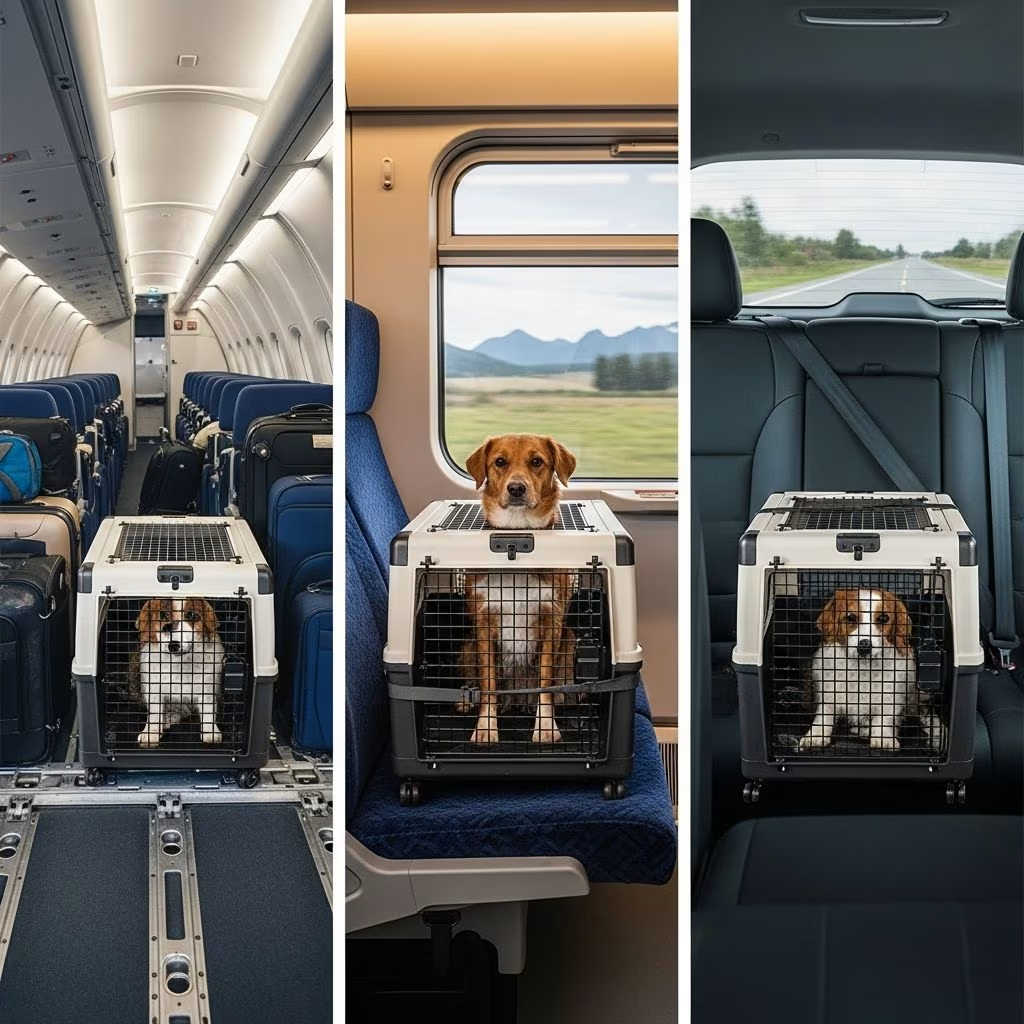
How to Travel With a Dog by Plane, Train and Automobile
About 45 percent of pet owners travel with their pets every year, mostly by car, according to recent industry data. While automobile remains the overwhelmingly preferred option for pet travel, many pet parents also venture by plane and train with their furry companions. However, successful pet travel requires careful planning, proper preparation, and understanding the specific requirements for each mode of transportation.
Traveling with your dog can be an enriching experience for both you and your pet, but it’s not as simple as loading your dog up and taking to the sky, rails, or roads. With the right preparation and knowledge, you can ensure a smooth and enjoyable journey for everyone involved.
Preparing Your Dog for Travel
Before embarking on any travel adventure with your dog, proper preparation is essential. Whether you’re planning a short car ride or an international flight, acclimating your dog to travel conditions sets the foundation for success.
Socialization and Carrier Training
One of the most common mistakes pet parents make is only putting their dog in a carrier when it’s time to visit the veterinarian. Instead, introduce positive experiences with the carrier well in advance of your trip. Place treats, toys, and comfortable bedding inside to make the space inviting. Keep the door open initially and encourage your dog to explore at their own pace, building a positive association with the carrier.
Additionally, expose your dog to unfamiliar environments that resembles where you’ll be traveling. Visit busy areas with lots of people, different sounds, and various scents. Pre-expose them to places that might look, feel, smell or sound scary to your dog. A dog who has learned to trust you and can respond to your commands is easier to manage through unexpected situations during travel.
Basic Command Training
Your dog should know basic commands including sit, stay, come, and off before traveling. These commands are crucial for maintaining control in new environments, especially when traveling through airports, train stations, or unfamiliar rest stops. Consistent training helps your dog respond reliably even when distracted or anxious.
Familiar Comfort Items
Bring a familiar bed and toys along on your trip, along with any products related to your dog’s daily activities. A particular chew toy that your dog likes before bed can provide comfort and routine in an unfamiliar environment. A crate is essential to keep your dog safe and provide a familiar den that smells like home.
How to Travel With a Dog in a Car
Automobile travel is the most common way pet owners travel with their dogs. When road tripping with your dog, the first consideration is how you will restrain your pet safely.
Take Practice Trips First
If your dog isn’t used to car travel, start small. Before your long haul, take short practice drives with your dog. Make sure to end your drive somewhere fun, like the dog park or a favorite store—that’ll teach them that spending time in the car is a good thing. Practice trips help your dog acclimate to the vehicle’s motion, sounds, and sensations before committing to a lengthy journey.
Secure Your Pup Properly
Just as you rely on your seat belt to protect you in case of an accident, your dog deserves the same protection. There are several options for securing your dog during car travel:
– Dogs under 15 pounds should be in a carrier or crate- Larger dogs should be in a seatbelt harness- Car restraint products should be crash-tested for safety- Never allow your dog to ride loose in the back of a pickup truck; use a hard-sided crate that’s tethered down securely
Fight the Fur and Mess
Dogs can be messy travelers, so some advance backseat prep can save you hours of cleaning after your trip. A car seat cover can keep your dog’s fur, drool, potty accidents, and other messes from damaging your car’s interior and affecting its resale value. Seat covers are affordable and easy to install, making them a worthwhile investment for pet travel.
Exercise Before and During Travel
A tired dog is a happy dog. Make sure to give your pup lots of playtime before your trip, and stop often along the route so they can get their zoomies out. Physical activity can help dogs manage any anxiety they’re feeling about the trip—and just might result in a peaceful mid-drive nap. When going on a road trip that’s over 2 hours, pre-plan places to stop for a quick stroll and a water or bathroom break. Not all dogs love being in the car, so planned breaks at highway rest stops or dog parks just off your proposed route are well worth the detour.
Plan Potty and Exercise Breaks
Traveling with a dog is much like traveling with a small child: both need frequent potty breaks and opportunities to run and play. Look for dog-friendly rest stops along your route. A supply of dog poop bags is essential—picking up after your pup at rest stops is the responsible thing to do and helps maintain these pet-friendly facilities for other travelers.
Pack the Necessities
At minimum, your dog will need:
– Fresh water and a vessel to drink from on your journey- Food if you’re traveling during their usual mealtimes- A few favorite toys to keep them busy during long stretches- Poop bags for rest stops- A first aid kit for minor emergencies- Medications your dog regularly takes- Vaccination records and identification documents
Monitor Temperature and Comfort
Make sure that your dog is in an area with a comfortable temperature. Many people place dogs in the far back of vehicles where the sun beating down on the crate can become extremely hot. Position your dog’s carrier or crate in a shaded area with adequate ventilation. During hot weather, never leave your dog unattended in a vehicle, even with windows cracked open.
Manage Travel Anxiety
Even a dog that normally loves car rides may become anxious during a long journey. In such cases, behavioral supplements can help keep your pup calm. Calming chews given 30 minutes before you start your trip can help your dog relax before you pull out of your driveway. Additionally, anxiety wraps designed for dogs use gentle hugging pressure to create a calming effect that works on most dogs.
How to Travel With a Dog by Plane
Air travel with dogs involves more regulations and requirements than car travel. Understanding airline policies and preparing your dog accordingly is essential for smooth air travel.
Airline Pet Policies
Service dogs travel for free on most airlines. For pet dogs, airlines typically charge a fee of $25 each way for trips less than 7 hours. One pet per passenger is usually allowed in coach class only. Pet dogs must weigh 20 pounds or less, including the carrier. The carrier can be no more than 19 by 14 by 10.5 inches and must be stowed under your seat.
The carrier must be leakproof and waterproof with adequate ventilation to ensure your dog’s comfort and safety throughout the flight. Before booking your flight, verify your specific airline’s pet policy, as requirements vary between carriers.
Preparation for Air Travel
Familiarize your dog with their carrier well before your flight. Practice short trips with the carrier to build positive associations. At the airport, keep your dog on-leash at all times in terminal areas and near security checkpoints. New places can be exciting and distracting for dogs—even those who can be trusted to roam off-leash at home.
Keeping Your Dog Safe While Traveling
Safety should be your primary concern when traveling with your dog, regardless of transportation method.
Keep Your Dog on Leash
Whether you’re on an international travel adventure, road-tripping across the country, or navigating an airport, it’s important to keep your furry companion on-leash at all times. New places can be exciting and distracting for dogs. Keeping your dog on a leash ensures they stay by your side and prevents them from getting lost or injured in unfamiliar territory.
Choose Appropriate Restraining Devices
The restraining device you choose depends on your dog’s size and the transportation method. For car travel, ensure your restraint method is crash-tested and approved for pet safety. Never compromise on quality when it comes to your dog’s security.
Pack a First Aid Kit
Include essential first aid supplies in your travel bag. This should contain bandages, antiseptic wipes, any prescribed medications your dog takes, and contact information for veterinarians along your route and at your destination. Having these items readily available can help you handle minor emergencies quickly.
Transportation Method Comparison
| Transportation Method | Advantages | Disadvantages | Best For |
|---|---|---|---|
| Car | Most flexible, fewest regulations, direct control | Long drives can be tiring, requires planning rest stops | Road trips, regional travel |
| Plane | Fastest for long distances, good for vacations | Size restrictions, airport stress, additional fees | Long-distance travel, international trips |
| Train | Comfortable, spacious, less stressful than planes | Limited routes, longer travel time than flying | Scenic routes, moderate distances |
Frequently Asked Questions
Q: How often should I stop during a car road trip with my dog?
A: For trips over 2 hours, plan to stop every 2-3 hours for a bathroom break and some exercise. Shorter trips may need fewer stops, but even dogs on short drives benefit from brief breaks to stretch and relieve themselves.
Q: What size carrier do I need for flying with my dog?
A: Most airlines require carriers to be no more than 19 by 14 by 10.5 inches. The carrier must be leakproof, waterproof, and have adequate ventilation. Your dog should be able to stand, turn around, and lie down comfortably inside.
Q: Is it safe to leave my dog in the car while I run errands?
A: No, it’s never safe to leave your dog unattended in a vehicle. Temperature can change rapidly, and your dog can become overheated, hypothermic, or anxious. Always take your dog with you or leave them in a safe location.
Q: How can I help my dog with travel anxiety?
A: Proper preparation, familiar comfort items, behavioral supplements, and anxiety wraps can all help. Additionally, ensure your dog gets adequate exercise before traveling and maintain a calm demeanor yourself, as dogs pick up on your stress.
Q: What documents do I need when traveling with my dog?
A: Always carry vaccination records, proof of rabies vaccination, your dog’s microchip information, recent photos, and your veterinarian’s contact information. For international travel, additional documentation such as health certificates may be required.
Q: Can all dogs fly on airplanes?
A: No, dogs over 20 pounds (including carrier) typically cannot fly in the cabin. Larger dogs may fly as cargo or remain home. Additionally, certain breeds with breathing difficulties may have restrictions due to safety concerns during air travel.
References
- 2019–2020 National Pet Owners Survey — American Pet Products Association (APPA). 2020. https://americanpetproducts.org/
- Vehicle Crash Test Standards for Pet Carriers and Restraints — Center for Pet Safety. 2024. https://centerforpetsafety.org/
- Pet Travel Guidelines and Safety Recommendations — American Automobile Association (AAA). 2024. https://www.aaa.com/
- Canine Behavior and Travel Preparation — American Kennel Club Canine Good Citizen Program. 2024. https://www.akc.org/
- Pet Air Travel Regulations and Carrier Requirements — U.S. Department of Transportation. 2024. https://www.transportation.gov/



