

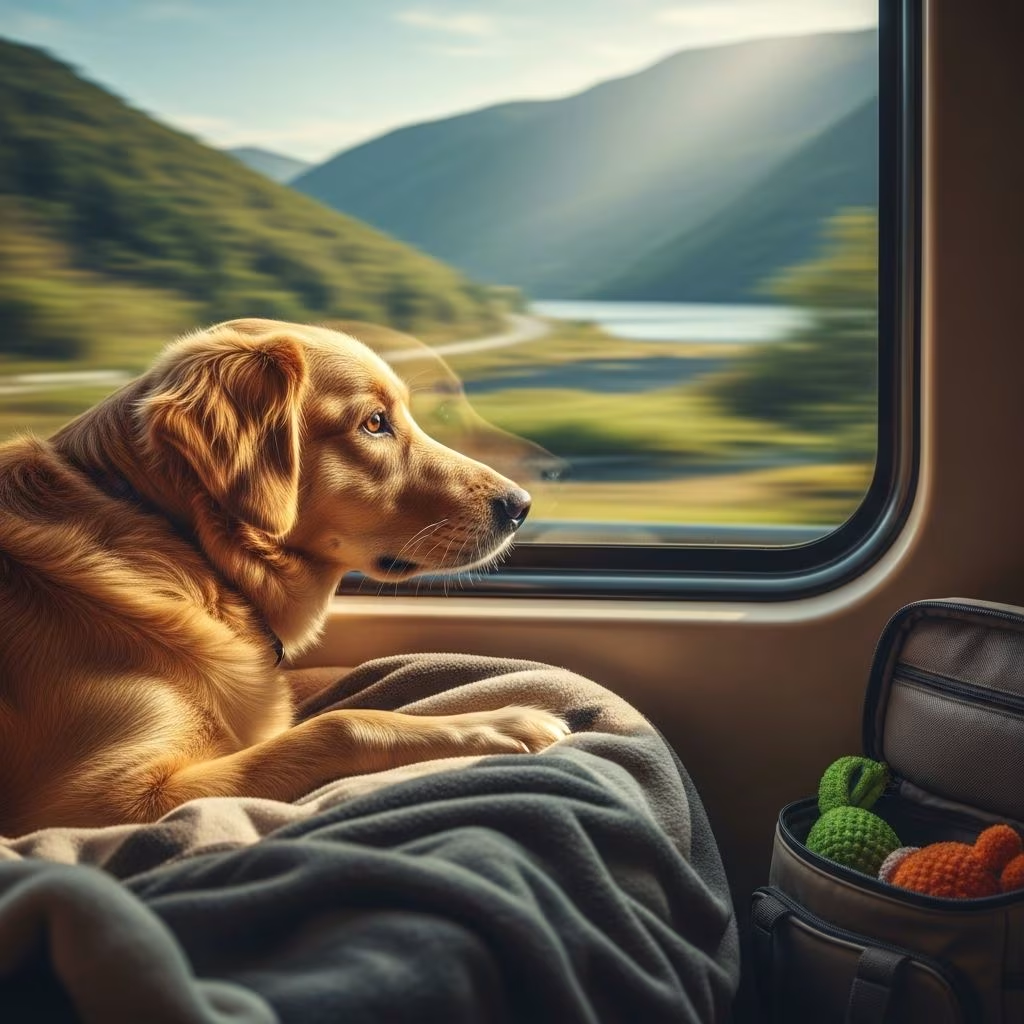
Travelling with an anxious dog doesn’t have to be a nightmare. With thoughtful planning, training, and the right tools, you can create positive experiences that reduce stress and build confidence for both you and your pup. This guide draws on expert insights from animal behaviourists and real-world experiences to cover everything from deciding if a trip is right for your dog to managing triggers on the road.
Can I Take My Anxious Dog On Holiday?
Yes, you can take your anxious dog on holiday, but it requires careful consideration of their specific triggers and needs. Many dogs, like lockdown puppies exposed to limited stimuli, develop anxieties around strangers, children, other dogs, or new environments. The key is assessing whether travel will exacerbate their fears or if staying home with a trusted sitter might be better.
Animal behaviourist Adem Fehmi from Dog-ease Training School emphasizes evaluating your dog’s comfort with change, travel, busy places, and uncontrollable stimuli. For separation-anxious dogs, bringing them along might be ideal, provided you tailor the trip accordingly—such as avoiding school holidays if kids are a trigger or steering clear of off-leash dog areas if they’re fearful of other pets.
Real-life example: Lottie Gross travels extensively with her reactive Manchester Terrier, Arty, by conquering fears through training and vet support. They’ve enjoyed dog-friendly weekends despite initial challenges, proving that with adjustments, the world remains open to anxious pups.
Should You Travel with Your Anxious Dog?
The decision hinges on knowing your dog deeply. If their anxiety stems from separation, holidays together can strengthen bonds and prevent distress. However, for dogs overwhelmed by novelty, boarding might offer stability. Fehmi advises consulting professionals to mitigate triggers effectively.
Train specifically for your planned trip: Practice car rides, public transport, or boat trips in short, positive sessions. Build social skills and settling behaviours for dog-friendly venues. This preparation turns potential stressors into manageable adventures, ensuring everyone enjoys the break.
What’s the Best Way to Travel with an Anxious Dog?
Choosing the optimal travel mode sets the tone for the entire holiday. Starting stressed can trigger a cascade of anxieties, so prioritize familiarity and comfort. Cars offer flexibility for anxious dogs, allowing frequent stops and control over the environment.
- Car Travel: Use a crash-tested crate for safety. Limit drives to 5 hours daily with breaks for walks, wees, and sniffing to stimulate without overwhelming. Plan scenic midway stops to keep your dog calm post-exercise.
- Public Transport (Train/Bus): Ensure prior socialization with short, rewarding trips. Bring a settle mat for security, long-lasting chews, or frozen Kongs for distraction.
- Flying: Acclimate to carriers via gradual crate training. Practice confinement with positive reinforcement days before departure.
A Kinship survey reveals pet anxiety as the top travel concern for 23% of owners, underscoring the need for mode-specific prep.
How to Prepare Your Anxious Dog for Travel
Preparation is crucial for success. Start months ahead with desensitization to travel cues like packing sounds or car engines. Use counter-conditioning: pair triggers with high-value treats to shift associations from fear to positivity.
Training Tips:
- Short, frequent sessions: 5-10 minutes daily on settling in crates or vehicles.
- Positive reinforcement: Reward calm behaviour with treats, toys, or praise.
- Professional help: Work with behaviourists for tailored plans, especially for reactive dogs.
Health checks are essential—rule out medical causes of anxiety via vet visits, including virtual consultations for convenience. Pack essentials: familiar bedding, anxiety wraps, pheromone diffusers, and vet-prescribed calming aids if needed.
Finding Dog-Friendly Accommodations
Pet-friendly stays are vital but often scarce—17% of pet parents cite this as a major worry. Research thoroughly:
- Book early for cottages, glamping sites, or hotels with quiet policies.
- Opt for rural locations over busy tourist spots to minimize triggers.
- Check reviews for noise levels, other pets, and owner experiences with anxious dogs.
Communicate needs upfront: Request ground-floor rooms, private gardens, or no-party policies. Self-catering options provide routine control, reducing stress.
Managing Anxiety During the Trip
Once travelling, proactive management keeps anxiety low. Maintain routines for meals, walks, and downtime. Use tools like:
| Tool | Benefit | Example |
|---|---|---|
| Anxiety Wraps/ThunderShirts | Deep pressure therapy for calming | Compression vests mimicking swaddling |
| Pheromone Products | Mimics calming maternal scents | Adaptil collars or sprays |
| Calming Chews/Supplements | Natural relaxants like chamomile, L-theanine | Vet-approved options |
| Frozen Kongs/Lick Mats | Mental stimulation distracts from stress | Filled with peanut butter or wet food |
Spot triggers early: Distant barking, crowds, or sudden noises. Redirect with commands or retreats to safe spaces. Evening wind-downs with gentle play prevent overstimulation.
Daily Routines and Activities for Anxious Dogs
Structure days around your dog’s needs. Morning walks in quiet areas burn energy calmly. Avoid peak times at popular spots. Incorporate sniffing trails or puzzle toys for mental exercise without social overload.
Balance adventure with rest: Alternate outings with cozy hotel time. Track what works—journal triggers and successes to refine future trips.
Common Travel Triggers and How to Handle Them
- Strangers/Children: Teach ‘watch me’ cues; create distance buffers.
- Other Dogs: Use leashes; choose solo trails over dog parks.
- New Sounds/Sights: Desensitize pre-trip; use white noise apps.
- Separation Moments: Practice short absences with treats.
40% of dog owners constantly worry when apart, missing their pets up to 13 times daily. Training builds resilience.
Products and Gear for Anxious Dog Travel
Equip for success with airline-compliant carriers, portable water bowls, and crash-tested harnesses. Essentials include settle mats, portable crates, and travel water bottles. Calming chews and chews ensure smooth flights or drives.
Frequently Asked Questions (FAQs)
What if my dog is too anxious for travel?
Consider trusted sitters or boarding. Assess with a behaviourist; some dogs thrive home alone with familiar routines.
Can medication help anxious dogs travel?
Yes, vet-prescribed anti-anxiety meds or supplements can aid severe cases. Always trial pre-trip.
How do I train for public transport?
Short exposure trips with rewards. Use mats and distractions for longer journeys.
Are rural holidays better for anxious dogs?
Often yes—fewer triggers like crowds. Tailor to specific fears.
What if anxiety worsens on holiday?
Shorten outings, increase comforts. Contact local vets or remote behaviourists.
With these strategies, holidays become bonding opportunities. Patient prep transforms anxious pups into confident travellers, opening up dog-friendly adventures worldwide.
References
- How To Travel With An Anxious Dog — Kinship. 2023. https://www.kinship.com/uk/dog-lifestyle/how-to-travel-with-an-anxious-dog
- Kinship Survey Reveals Over Half of Americans Will Travel With Pets This Holiday Season — Kinship. 2023. https://www.kinship.com/news/pet-travel-survey
- What is Causing My Dog’s Anxiety? — PetHub. 2023. https://www.pethub.com/articles/236591/what-is-causing-my-dog-s-anxiety
- Do You Constantly Worry About Your Pet When You’re on Vacation? — Kinship. 2025-09-11. https://www.kinship.com/news/people-with-dogs-worry-vacation-study
- 6 Expert Tips to Make Flying With Your Dog as Smooth as Possible — Kinship. 2023. https://www.kinship.com/dog-shopping/dog-travel-products



