

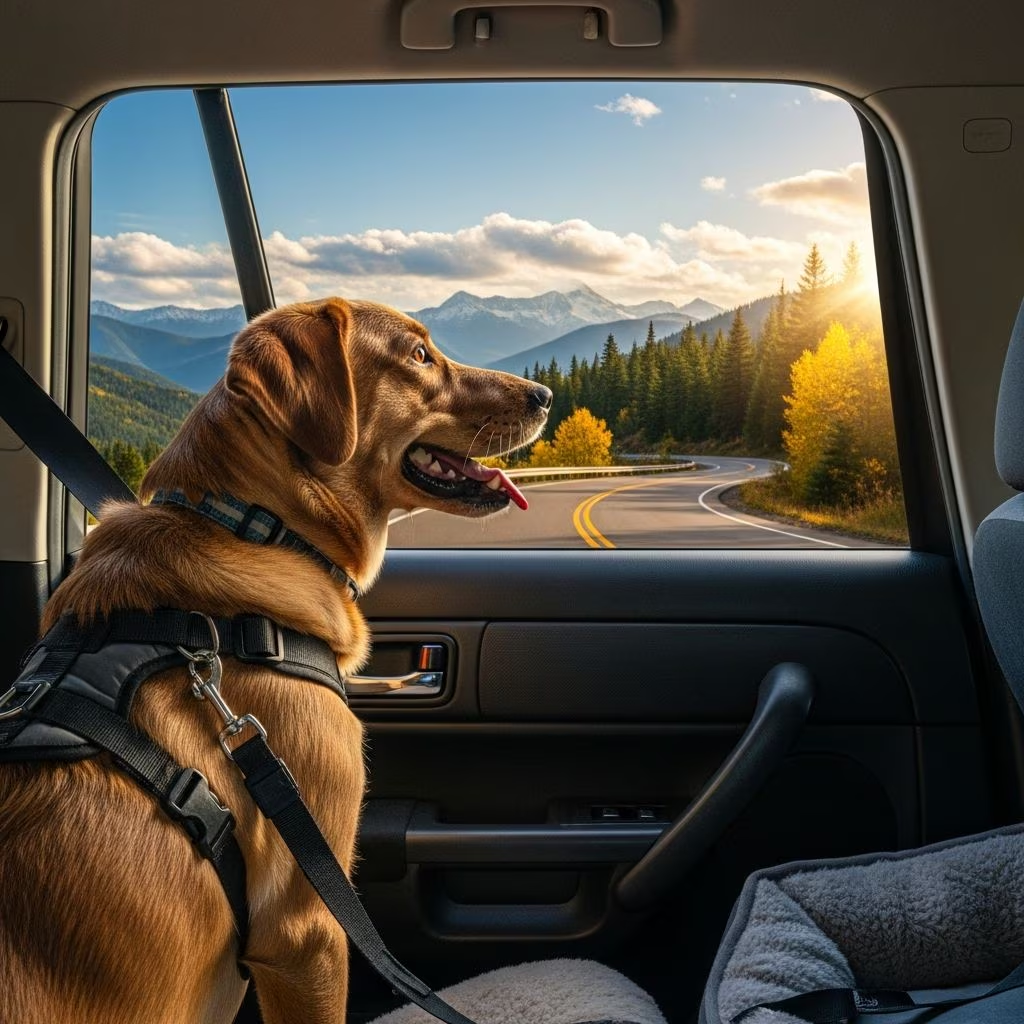
Traveling with your furry companion can be one of the most rewarding experiences you share together. Whether you’re planning a weekend getaway or a cross-country adventure, your dog can be an excellent travel partner when properly prepared. The key to stress-free pet travel lies in thorough planning, understanding your dog’s needs, and knowing what to pack. This comprehensive guide covers everything you need to know about traveling with your dog by car, plane, train, and other modes of transportation.
Preparing Your Dog for Travel
Before embarking on any journey, it’s essential to prepare your dog mentally and physically for the travel experience. Dogs thrive on routine and familiarity, so introducing travel gradually helps them adjust comfortably to new environments and transportation methods.
Start With Short Trial Runs
One of the most important preparation steps is conducting travel trial runs. Begin with short car rides around your neighborhood to gauge your dog’s comfort level. Brief trips help you identify any anxiety or motion sickness before committing to longer journeys. These trial runs also allow your dog to become accustomed to car travel at their own pace, reducing stress during the actual trip.
Visit Your Veterinarian
Schedule a pre-travel veterinary appointment to ensure your dog is in optimal health for traveling. Discuss any concerns about motion sickness, anxiety, or special dietary needs. Ask your vet about calming supplements or medications that might help anxious dogs during travel. Ensure all vaccinations are current and obtain copies of your dog’s medical records and health certificate, which may be required for certain types of travel.
Crate Training and Familiarization
If you plan to use a crate during travel, introduce your dog to it well in advance. Crate training provides your dog with a familiar, secure space and is essential for both car safety and airline compliance. Mary R. Burch, Ph.D., a certified animal behaviorist and director of the AKC Canine Good Citizen program, emphasizes that “a crate is essential to keep your dog safe and provide a familiar den for the dog.” Practice short sessions in the crate at home before travel day arrives.
Update Identification and Microchipping
Before traveling, ensure your dog wears a collar with current ID tags containing your phone number and temporary contact information at your destination. Update your dog’s microchip registration with current information. This precaution is crucial in case your dog accidentally escapes during travel.
Essential Packing List for Dog Travel
Successful dog travel requires packing the right items to keep your companion comfortable, safe, and healthy throughout your journey. Here’s a comprehensive checklist of travel essentials:
Food and Water Supplies
Pack your dog’s regular food to avoid digestive upset from sudden dietary changes. Bring more food than you expect to need in case of travel delays or if you cannot find your dog’s preferred brand at your destination. Include collapsible food and water bowls for easy transport and feeding. Pack extra water, especially for car travel, since unfamiliar water sources may upset your dog’s stomach.
Comfort Items and Bedding
Familiar items provide emotional comfort during travel. “Make sure you bring a familiar bed and toys along on a trip, along with any products related to your dog’s daily activities, such as a particular chew toy that the dog likes to chew before going to bed,” recommends Mary R. Burch. Your dog’s favorite blanket, bed, or cushion creates a sense of home in unfamiliar places. These comfort items help reduce anxiety and promote relaxation.
Medications and Health Supplies
If your dog takes regular medications, pack extra doses in original containers with labels. Include a first-aid kit containing bandages, antiseptic wipes, instant cold packs, and any special medications your dog requires. Keep your veterinarian’s contact information handy, along with emergency vet clinic numbers at your destination.
Waste Management and Hygiene
Bring plenty of poop bags in a dispenser for easy access. Pack pet grooming wipes for quick cleanups, and if flying, include pee pads and related cleaning supplies. These items ensure your dog remains clean and prevents accidents during travel.
Toys and Entertainment
Keep your dog entertained and engaged during travel with favorite chew toys and interactive toys. “Bring your dog something to chew on,” suggests Dana Falsetta, a certified professional dog trainer. “A favorite chew toy will keep your dog busy—plus, it’ll prevent them from chewing on the car’s seat belts, a favorite pastime of many canine road warriors.”
Documentation
Maintain organized copies of vaccine records, health certificates, microchip registration numbers, and any required travel permits. These documents are essential for air travel and may be requested at hotels or border crossings.
Traveling by Car
Car travel offers flexibility and is often the most common way to travel with dogs. However, safety and comfort require careful planning and preparation.
Planning Your Route
Before departing, plan your route with your dog’s needs in mind. Identify pet-friendly rest stops and safe areas for bathroom breaks and exercise. “Most major rest stops have dog areas for them to go to the bathroom, stretch their legs, and play,” notes Dana Falsetta. Plan for regular stops every two to three hours, especially for puppies who need more frequent bathroom breaks.
Car Safety Equipment
Use appropriate safety restraints during car travel. Options include:
- Crash-tested car harnesses that secure your dog to the vehicle’s seatbelt system
- Booster seats for smaller dogs that elevate them while keeping them secure
- Car seat covers that protect your vehicle’s interior
- Properly ventilated, airline-compliant carriers secured in the vehicle
Ensure your dog never travels unsecured or in the truck bed, as these situations pose serious injury risks.
Managing Car Anxiety
Some dogs experience anxiety during car travel despite short trial runs. Behavioral supplements can help keep anxious dogs calm. Happy Traveler Calming Chews, given 30 minutes before departure, help ease anxiety. Additionally, anxiety wraps like ThunderShirts use gentle pressure to create a calming effect for most dogs.
Gas Station Safety
When stopping at gas stations or similar locations with moving vehicles, keep your dog secured inside your vehicle at all times. Never leave your dog unattended in the car, and prevent them from jumping out unexpectedly by keeping all doors locked and windows partially opened only.
Air Travel With Dogs
Flying with your dog requires understanding airline regulations and specific preparation protocols. Each airline has different policies, so contact your carrier directly before booking.
Airline Regulations and Fees
Most airlines charge pet fees ranging from $25 each way for flights under 7 hours. Service dogs typically travel free. Pet policies generally allow one pet per passenger in coach class only, with weight limits around 20 pounds including the carrier. The carrier must meet specific dimensions, typically no larger than 19-by-14-by-10.5 inches, and must be leakproof, waterproof, and well-ventilated.
Carrier Requirements
Your airline-compliant carrier is critical for air travel safety and comfort. The carrier must fit completely under the seat in front of you, and your dog must be able to stand, turn around, and lie down comfortably inside. Soft-sided carriers often work better than hard carriers for cabin travel, as they compress slightly to fit under airplane seats.
Pre-Flight Preparation
Pack a pet travel bag containing essential items similar to what you’d pack for a human child. Include collar and leash, poop bags, water bowl, treats, extra food, medications if needed, toys, bedding, first-aid kit, and all necessary paperwork. Allow your dog to try out any new travel bowls or equipment before the trip to prevent unfamiliarity issues.
Airport and Flight Day Tips
Arrive early to allow extra time for check-in procedures. Keep your dog calm and hydrated while waiting. Some dogs benefit from calming supplements given before airport arrival. Once aboard, reassure your dog but maintain a calm demeanor, as dogs pick up on human anxiety. Avoid excessive fussing, which can increase stress.
Train Travel With Dogs
Train travel offers a relaxed alternative to flying or driving long distances. Amtrak and other rail services have specific pet policies that typically allow dogs in cabins for a fee. Most services require dogs to remain leashed or in carriers while in public areas of the train. Bring the same essentials you would for car travel, including food, water, bathroom supplies, and comfort items.
Hotel and Accommodation Tips
Choosing pet-friendly accommodations is essential for stress-free travel. Many hotels now welcome pets, though some charge additional fees or have size restrictions.
Finding Pet-Friendly Lodging
Research and book pet-friendly hotels in advance. Read reviews specifically mentioning pet experiences and amenities. Request rooms on lower floors for easier outdoor access and to minimize disturbing other guests.
Making Your Dog Comfortable in Hotels
Upon arrival, take your dog outside immediately for a bathroom break. Set up familiar items like your dog’s bed and toys to create a comfortable space. Introduce your dog to the room gradually and calmly. Keep the “Do Not Disturb” sign on your door to prevent unexpected interruptions. Establish a routine similar to home, including feeding and exercise schedules.
Hotel Etiquette
Maintain your dog’s training while at hotels. Keep barking to a minimum, clean up any accidents immediately, and never leave your dog unattended in the room. Befriend hotel staff and ask for recommendations on local dog-friendly businesses and activities.
Diet and Nutrition During Travel
Maintaining your dog’s regular diet during travel prevents digestive upset and maintains health. Sudden changes in food can cause stomach issues, diarrhea, or vomiting. Pack your dog’s usual food in sufficient quantities, as the preferred brand may not be available at your destination.
If you need to change your dog’s diet during travel, transition gradually by mixing the new food with familiar food over several days. Always maintain consistent feeding schedules similar to home routines. Provide fresh water frequently, especially during car travel and in warm climates.
Exercise and Mental Stimulation
Regular exercise prevents behavioral issues and stress during travel. During car trips, stop every 2-3 hours for bathroom breaks and exercise. Allow your dog to stretch legs, play, and burn energy at rest stops. Once at your destination, establish daily walking and play routines.
Mental stimulation is equally important. Interactive toys, puzzle feeders, and new environments provide mental engagement. Explore local dog parks, hiking trails, and pet-friendly attractions to keep your dog mentally stimulated and physically active.
Managing Travel Stress and Anxiety
Long journeys can cause stress for even well-traveled dogs. Recognize signs of anxiety including excessive panting, drooling, pacing, or whining. Several strategies can help:
- Use calming supplements formulated for travel-induced anxiety
- Maintain familiar routines and schedules
- Provide comfort items and familiar sleeping arrangements
- Practice relaxation techniques before departure
- Consider anxiety wraps or pressure garments
- Ensure adequate exercise and mental stimulation
Common Travel Mistakes to Avoid
Understanding what not to do is as important as knowing what to do when traveling with dogs:
- Don’t assume your dog is ready for travel without proper preparation
- Don’t skip pre-travel veterinary checkups
- Don’t suddenly change your dog’s diet
- Don’t leave your dog unattended in vehicles
- Don’t pose non-service dogs as service dogs
- Don’t forget updated identification and microchip registration
- Don’t skip practice trips before long-distance travel
Frequently Asked Questions
How often should I stop during a car trip with my dog?
Stop every 2-3 hours for bathroom breaks and exercise. Puppies need more frequent stops, typically every 1-2 hours, since they have smaller bladders and higher energy levels.
Can all dogs fly in airplane cabins?
Not all dogs qualify for cabin travel. Airlines typically have weight limits around 20 pounds including the carrier. Service dogs are exempt from fees and may have different requirements. Check your specific airline’s policies before booking.
What should I do if my dog gets motion sickness?
Consult your veterinarian about anti-nausea medications or calming supplements. Start with short trial trips to acclimate your dog to car motion. Feed your dog several hours before travel rather than right before departure.
Is it safe to leave my dog in a parked car during travel stops?
Never leave your dog unattended in a parked vehicle. Temperatures inside cars can become dangerous quickly, and your dog may become anxious or escape. Always take your dog with you or arrange care at your accommodation.
How can I keep my dog entertained during long car rides?
Bring favorite chew toys, interactive toys, and puzzle feeders. Rotate toys to maintain interest. Make frequent stops for exercise and mental stimulation. Some dogs benefit from calming music or white noise during travel.
What documents do I need for traveling with my dog?
Carry vaccine records, health certificates, microchip registration numbers, and current ID tags. For international travel, additional permits and documentation may be required. Check requirements for your specific destination.
References
- How to Travel With a Dog by Plane, Train and Automobile — Chewy. 2024. https://www.chewy.com/education/dog/general/tips-to-road-trip-with-dog
- 11 Tips for Traveling With a Puppy — Chewy. 2024. https://www.chewy.com/education/dog/new-dog/7-tips-for-traveling-with-a-puppy
- 11 Tips for Surviving Road Trips With Your Dog — Chewy. 2024. https://www.chewy.com/education/dog/general/road-trips-with-a-dog
- Your Guide to Traveling With a Dog Over the Holidays — Chewy Editors. 2024. https://www.chewy.com/education/dog/pet-parenting/stress-free-tips-traveling-dog-holiday-season
- How To Fly With A Dog or a Cat — Chewy. 2024. https://www.chewy.com/education/dog/general/flying-with-pets
- Tips for Stress-Free Dog Travel — Jenna Donleavy, Chewy. 2024. https://www.chewy.com/education/dog/pet-parenting/traveling-with-knox-bear-tips-for-stress-free-dog-travel



