

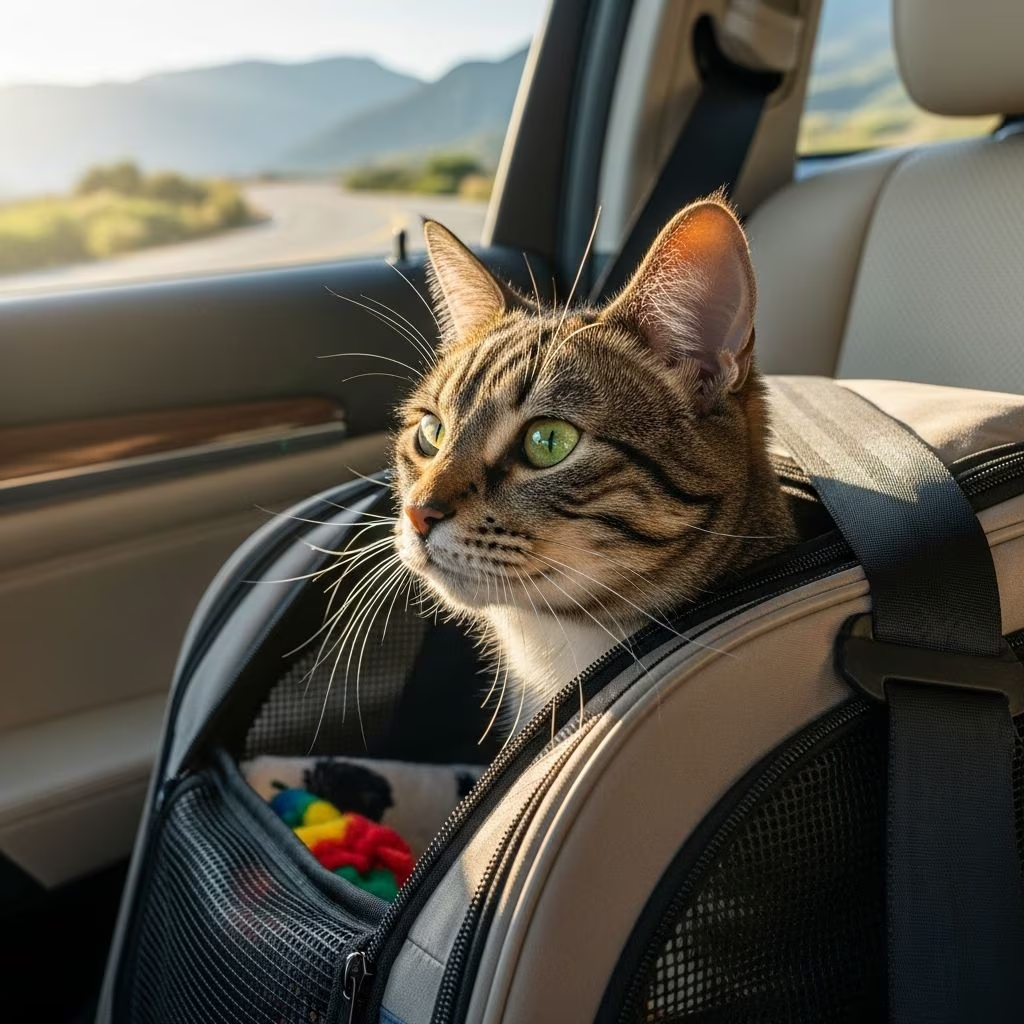
Traveling with a cat requires careful planning to ensure both you and your feline companion have a positive experience. Whether embarking on a short drive or an international flight, these 14 vet-approved tips cover essential preparation, carriers, acclimation, packing, transportation modes, and more to minimize stress.
The 14 Tips to Travel with a Cat
1. Invest in a Good Carrier
Cats must be restrained in vehicles for safety, and airlines mandate carriers at all times except during security screening. Select a sturdy, well-ventilated, secure, and easy-to-clean carrier that complies with airline size regulations if flying. Plastic hard-sided carriers are ideal for durability, while soft-sided options suit cabin travel. For cars, larger carriers provide more comfort.
2. Acclimate Your Cat to Their Carrier
Introduce the carrier weeks in advance by leaving it open with treats and toys inside. Feed meals nearby or in it to build positive associations. Gradually increase time spent inside with the door closed during short sessions. This reduces anxiety on travel day, making the carrier a safe haven.
3. Visit the Vet Before Traveling
Schedule a check-up to confirm your cat’s health, update vaccinations, and obtain health certificates required for air travel or international trips. Discuss medications for motion sickness or anxiety, and get advice on travel-specific needs like flea prevention.
4. Practice Short Trips
Before long journeys, take short car rides to desensitize your cat to vehicle motion and sounds. Start with 5-10 minute drives, rewarding calm behavior. This familiarizes them with the car environment, preventing panic during extended travel.
5. Secure the Carrier Properly
In cars, buckle the carrier into a seatbelt or secure it on the floor facing forward so your cat can see out, reducing stress. Never allow loose cats in vehicles due to accident risks or escape potential. For flights, ensure it fits under the seat.
6. Keep Your Cat Comfortable in the Carrier
Line the carrier with familiar bedding and use pheromone sprays like Feliway for calming effects. Cover partially to dim light and muffle sounds during travel. Avoid overheating by ensuring ventilation.
7. Pack Toys and Blankets
Include favorite toys and a blanket scented with home smells to provide comfort and familiarity. These items help maintain territory scent, easing separation anxiety away from home.
8. Plan for Litter Breaks
For road trips, stop every 2-4 hours at pet-friendly areas. Use a harness and leash for safe outdoor relief, or portable litter boxes. In flights, pack collapsible litter solutions for lavatory use if permitted.
9. Pack Food, Water, Treats, and Medication
Bring sufficient regular food to avoid digestive upset—do not change diets abruptly. Pack portable bowls, treats for motivation, and medications in carry-on. Stressed cats may not eat until settled, so offer small amounts frequently.
10. Research Airline Policies if Flying
Book direct flights preferring cabin travel over cargo, which can be traumatic. Check carrier size, fees, breed restrictions (e.g., brachycephalic cats), and health docs. Airlines like Delta or United have specific pet policies; confirm in advance.
11. Book Pet-Friendly Accommodations
Verify hotel or rental pet policies early, as many favor dogs over cats. Seek places allowing indoor cats without fees, providing litter space. Read reviews for true pet-friendliness.
12. Use a Harness and Leash
Train your cat on a properly fitted harness for safe outdoor exploration during stops or vacations. This prevents escapes and allows supervised time outside the carrier.
13. Consider Calming Aids
Vet-recommended options include pheromone diffusers, CBD treats, or prescription anti-anxiety meds for high-stress cats. Test beforehand to ensure tolerance.
14. Prepare for the Return Home
Set up a quiet recovery space with familiar items upon arrival. Monitor for stress signs like hiding or appetite loss, providing extra reassurance to help readjust.
Traveling by Car with Your Cat
Road trips offer flexibility for frequent breaks. Secure the carrier properly, drive smoothly to minimize motion sickness, and maintain a cool cabin temperature. Play soft music or white noise to soothe. Plan routes with pet rest areas.
- Drive during cooler hours to avoid heat stress.
- Never leave your cat unattended in a parked car.
- Use GPS for vet/emergency clinics en route.
Flying with Your Cat
Cabin travel is preferable; book early as spots are limited. Arrive 2-3 hours ahead for check-in. At security, remove your cat briefly if needed. In-flight, keep covered and quiet. Avoid sedatives unless vet-prescribed, as they risk breathing issues.
| Aspect | Cabin Travel | Cargo Travel |
|---|---|---|
| Carrier Type | Soft-sided, under-seat | Hard-sided, ventilated |
| Pros | Companion proximity, less stress | Allows larger cats |
| Cons | Size limits, fees | Temperature risks, separation |
International Travel Considerations
Research destination import rules, rabies titers, microchipping, and quarantine periods. USDA-approved vets issue international health certificates valid 10 days. Airlines require advance notification.
Frequently Asked Questions (FAQs)
What is the best carrier for traveling with a cat?
A sturdy, airline-approved hard or soft carrier with good ventilation and security features, acclimated to in advance.
Can cats fly in the cabin?
Yes, on most airlines for small cats in approved carriers under the seat, subject to policies and fees.
How do I stop my cat from meowing in the car?
Acclimate via short trips, use calming pheromones, cover the carrier, and provide familiar scents.
Should I sedate my cat for travel?
Only vet-prescribed; general sedation risks airway obstruction. Prefer non-drug calmers.
What if my cat hates the carrier?
Gradual desensitization with positive reinforcement over weeks builds acceptance.
With thorough preparation, traveling with your cat becomes manageable and even enjoyable. Start early, prioritize safety, and consult professionals for tailored advice.
References
- 14 Vet-Approved Tips for Traveling with Cats — Catster. 2024. https://www.catster.com/lifestyle/how-to-travel-with-a-cat/
- What to Pack When Traveling with Your Cat — Catster. 2024. https://www.catster.com/lifestyle/traveling-with-your-cat-what-to-pack/
- How to Fly With Your Cat — Catster. 2026. https://www.catster.com/lifestyle/how-to-fly-with-your-cat/
- Long-Distance Travel with Cats — Catster. 2024. https://www.catster.com/lifestyle/how-to-travel-long-distance-with-cats/
- Cat Travel Essentials — Catster. 2024. https://www.catster.com/lifestyle/cat-travel-essentials/



