

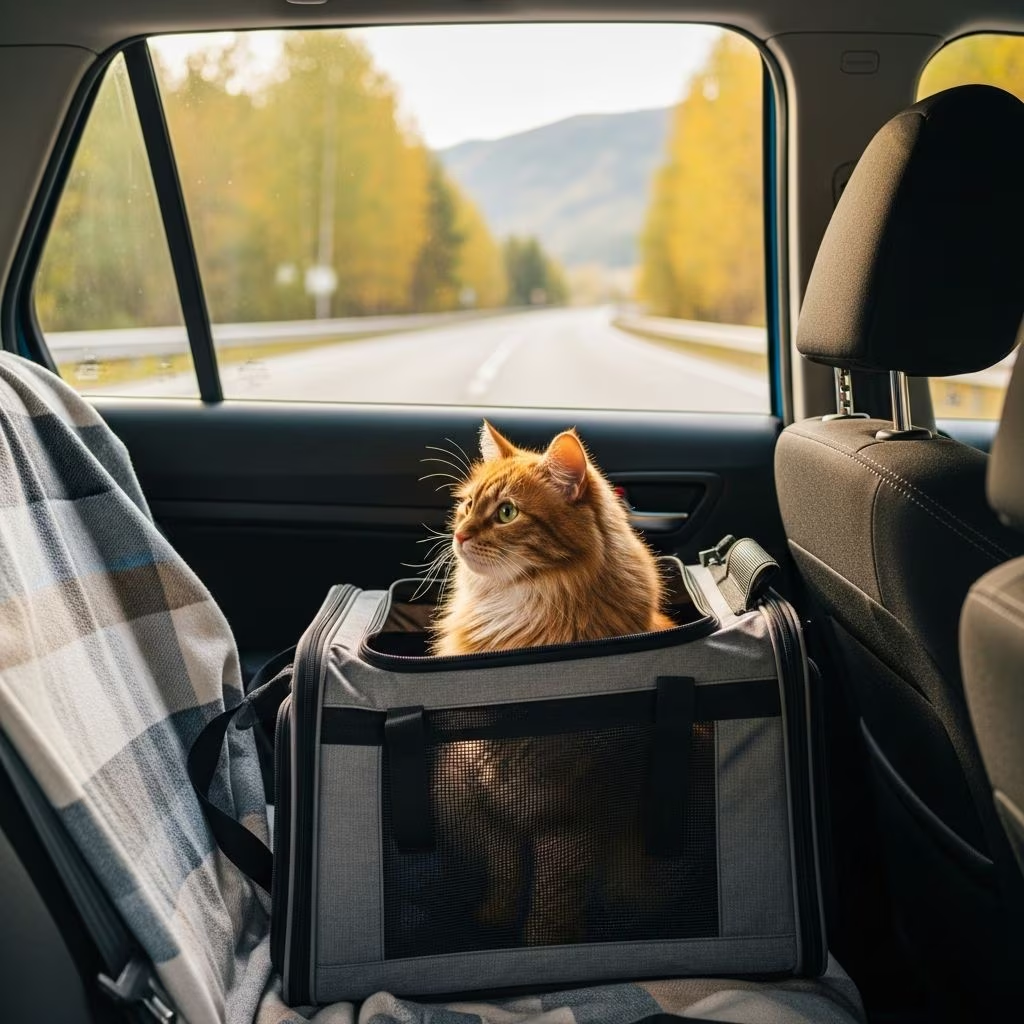
Traveling by car with a cat can feel overwhelming, but with proper preparation, it becomes a manageable and even enjoyable experience for both you and your feline companion. Cats often associate car rides with stressful events like vet visits, leading to anxiety, howling, or escape attempts. This comprehensive guide outlines **11 essential tips** to ensure your cat’s safety, reduce stress, and make long-distance trips smoother.
The 11 Tips & Tricks for Car Travel with a Cat
1. Always Use a Cat Carrier
The foundation of safe cat car travel is a sturdy, well-secured **cat carrier**. Never allow your cat to roam freely in the vehicle—it’s not only dangerous but illegal in many states due to pet restraint laws. A loose cat can distract the driver, cause accidents during sudden stops, or become a projectile in a crash.
Select a carrier that allows your cat to stand, turn around, and lie down comfortably. Opt for well-ventilated models with secure latches. Crash-tested carriers, such as those certified by the Center for Pet Safety (CPS), are ideal. Examples include the Sleepypod Mobile Pet Bed (up to 15 lbs) or Diggs Passenger Travel Carrier (up to 18 lbs), which buckle into seatbelts and feature machine-washable padding.
- Secure the carrier with a seatbelt in the back seat (safest spot).
- Avoid front passenger seats due to airbag risks.
- Use enclosed carriers over harnesses or booster seats for maximum protection.
2. Let Your Cat Explore the Carrier
Forcefully cramming your cat into a carrier on travel day amplifies fear. Instead, introduce the carrier weeks in advance. Place it in a familiar room with the door open, adding treats, toys, or catnip to create positive associations. Many cats view carriers as oversized boxes, which they naturally love.
Feed meals inside the carrier gradually, starting with the door open and progressing to closing it briefly. This desensitization process turns the carrier into a safe haven rather than a prison.
3. Beat the Heat
Cats overheat quickly, especially in carriers during summer travel. Never leave your cat in a parked car—even with windows cracked—as interior temperatures can soar to lethal levels within minutes. Plan trips for cooler times (early morning or evening) and use air-conditioned vehicles.
- Park in shade and take the carrier inside during stops.
- Provide frozen water bottles (wrapped in towels) for cooling.
- Monitor for heatstroke signs: panting, drooling, lethargy.
4. Never Leave Your Cat in the Car Alone
Stops for gas or food are inevitable, but leaving your cat unattended invites disaster. Engines off means rapid heat buildup; engines on risks theft. Always remove the carrier and cat, securing it in a shaded, cool spot. If your cat tolerates a harness and leash, supervised outdoor time is possible, but indoor locations are safest.
5. Pack Familiar Items
Your cat’s scent-soaked belongings provide comfort amid unfamiliar surroundings. Include a favorite blanket, toy, or bedding from home to mimic their territory.
- Lined carrier with a non-slip pad.
- Avoid new items that could cause confusion.
6. Bring a Portable Litter Box
Cats need bathroom access every 4-6 hours. Pack a disposable or collapsible litter box with clumping litter. Place it in a quiet, private spot during breaks.
- Pre-scoop litter to minimize mess.
- Include waste bags for cleanup.
7. Have a First-Aid Kit Ready
Accidents happen. Assemble a cat-specific kit with bandages, antiseptic wipes, tweezers for ticks, and any medications. Include copies of vet records and vaccination proofs.
| Item | Purpose |
|---|---|
| Antihistamine (vet-approved) | Allergy or sting relief |
| Gauze and tape | Wound dressing |
| Digital thermometer | Fever check |
| Scissors | Emergency trimming |
8. Pack the Essentials
A well-stocked travel kit prevents roadside crises. Create a checklist:
- Food, treats, and water bowls (collapsible).
- Extra litter, scooper, poop bags.
- Vet records, ID tags, microchip info.
- Spare carrier, towels, enzymatic cleaner.
- Calming aids (pheromone spray like Feliway).
- Leash/harness, towels for accidents.
9. Schedule a Few Practice Runs
Short, positive drives build tolerance. Start with driveway idling, progress to block loops. Reward calm behavior with treats or praise. If distress occurs, stop and retry later. Aim for 15-30 minute sessions over days.
- Drive during calm times (no traffic).
- Combine with play upon return.
10. Consider Calming Aids
For anxious cats, vet-recommended options help. Pheromone diffusers, CBD treats (THC-free), or prescription anti-anxiety meds reduce motion sickness and stress. Note: Cats can experience car sickness, causing drooling or vomiting from inner ear imbalance.
Consult your vet before use, especially for multi-cat trips.
11. Use Patience, Kindness, and Love
Your demeanor sets the tone. Stay calm—cats mirror stress. Speak softly, offer reassurance, and avoid punishment. Positive reinforcement fosters trust for future travels.
Additional Safety Considerations
Beyond basics, secure carriers level in the back seat, cover partially with a breathable blanket to block visuals, and provide small water sips via a secure dish. For multi-day trips, book pet-friendly hotels with litter setups.
Frequently Asked Questions (FAQs)
Q: Is it legal to drive with a cat not in a carrier?
A: No, many states require pet restraints; loose pets distract drivers and pose crash risks.
Q: How do I stop my cat from meowing the whole trip?
A: Acclimate via practice runs, use calming pheromones, and pack familiar scents/toys.
Q: Can cats get carsick?
A: Yes, motion sickness causes nausea; try ginger treats or vet-prescribed meds.
Q: What if my cat hates the carrier?
A: Gradual exposure with treats and short sessions; consider soft-sided options for comfort.
Q: How often should I stop on a long trip?
A: Every 2-4 hours for water, litter, and stretch breaks in safe areas.
References
- How to Travel With a Cat in a Car: 11 Tips & Tricks — Catster. 2023. https://www.catster.com/lifestyle/how-to-travel-with-a-cat-in-a-car/
- 3 Reasons Your Cat Should Ride in a Car Carrier — KittyCatGo. 2023. https://kittycatgo.com/3-reasons-your-cat-should-ride-in-a-car-carrier/
- Traveling with Cats: Your Guide for Feline Car Adventures — Only Natural Pet. 2025-01-10. https://www.onlynaturalpet.com/blogs/holistic-healthcare-library/traveling-with-cats-your-guide-for-feline-car-adventures
- Can Cats Get Car Sick? Vet-Verified Facts & Info — Catster. 2024. https://www.catster.com/cat-health-care/can-cats-get-car-sick/
- 15 Essentials for Road Tripping with a Cat: 2026 Vet-Approved List — Hepper. 2026-01-01. https://articles.hepper.com/essentials-for-road-tripping-with-a-cat/



