

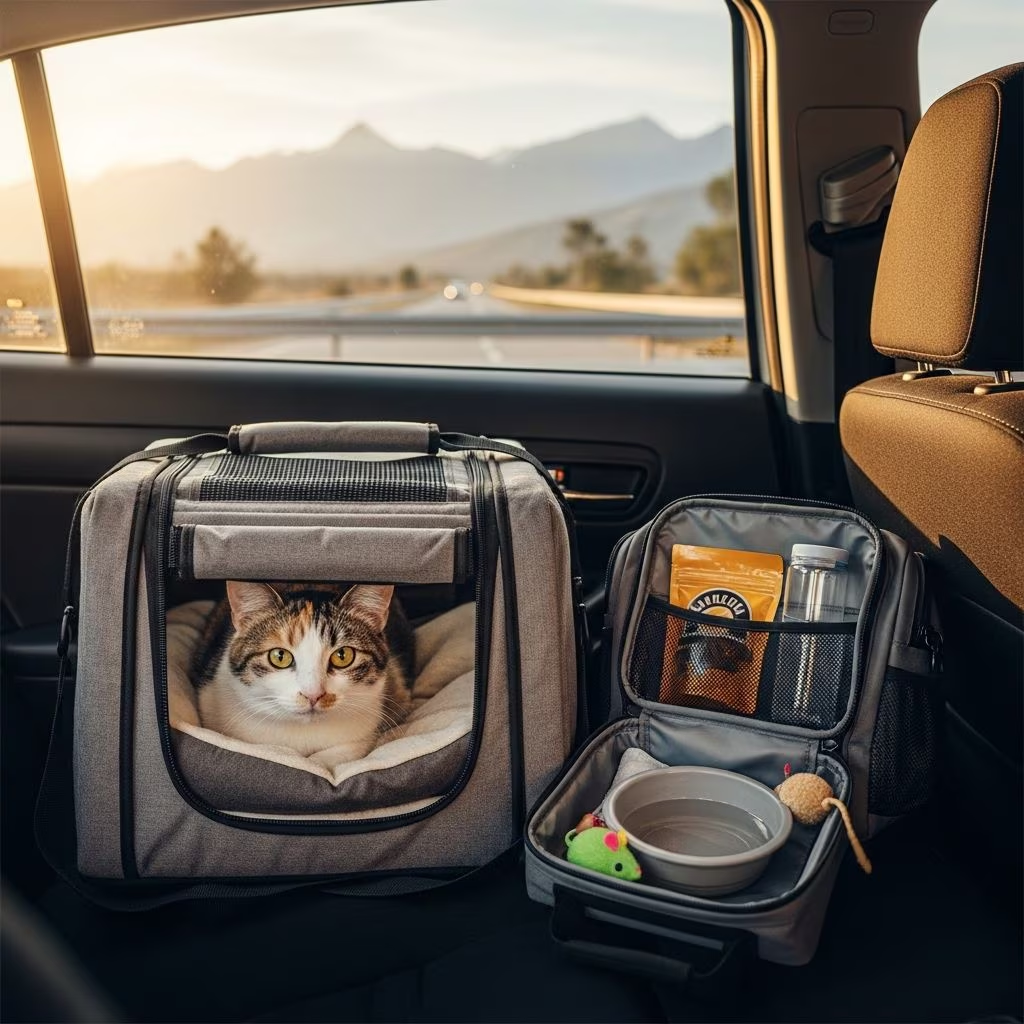
Traveling long distance with your cat can be a rewarding experience if planned properly, minimizing stress for both you and your feline friend. Cats are territorial creatures that dislike change, so preparation is key to ensuring their safety and comfort during extended journeys by car, plane, or other transport.
Why Travel with Your Cat?
Many cat owners choose to bring their pets on long trips rather than boarding them, allowing the family to stay together. Whether you’re relocating cross-country or embarking on a vacation, with the right strategies, cats can adapt to travel. Successful trips start with gradual acclimation, proper gear, and understanding your cat’s needs.
Choosing the Right Cat Carrier
The **cat carrier** is the cornerstone of safe travel. Select one appropriate for the journey type: soft-sided for short trips or planes, hard-sided for car safety and longer hauls. Ensure it’s airline-approved if flying, with adequate ventilation, secure latches, and space for your cat to stand, turn, and lie down comfortably.
- Size matters: Not too small to cramp, not too large to allow tumbling during sudden stops.
- Material: Hard-sided offers protection; soft-sided is portable.
- Features: Look for carriers with removable toppers for easy litter access and familiarity-building.
Introduce the carrier weeks in advance by leaving it open with treats and toys inside to create positive associations.
Acclimating Your Cat to the Carrier and Travel
Start training early, ideally as a kitten, but older cats can learn too. Place familiar blankets and your scent in the carrier. Feed meals inside it, progressing to short car rides with praise and treats. This desensitizes them to motion and confinement.
- Short practice trips to the vet or park build tolerance.
- Use pheromone sprays like Feliway for calming effects.
- Reward calm behavior to reinforce positivity.
Gradual exposure prevents panic during the real trip.
Health Preparations Before Long-Distance Travel
A vet check-up 7-10 days prior ensures vaccinations are current and identifies issues like motion sickness. Obtain a **USDA-accredited health certificate** for interstate or international travel. Microchip your cat and ensure it’s registered for recovery if they escape.
| Requirement | Details |
|---|---|
| Vet Exam | Check for fleas, worms, fitness for travel |
| Vaccinations | Rabies, core vaccines up to date |
| Health Cert | Required for flights/borders, valid 10 days |
| Microchip | ISO standard for global recognition |
Discuss anti-anxiety meds if your cat is prone to stress.
Packing Essentials for Your Cat’s Trip
Pack a dedicated cat travel kit with familiar items to ease anxiety.
- Food/Water: Usual brand to avoid tummy upset; portable bowls.
- Litter: Disposable portable litter box and litter.
- Comfort: Favorite blanket, toys, scratching pad.
- Health: Meds, first-aid (tweezers for ticks), grooming tools.
- Safety: Harness/leash, GPS tracker, extra collar/ID.
Avoid feeding 4-6 hours before travel to prevent sickness; offer small meals during stops.
Traveling Long Distance by Car with Your Cat
**Car travel** suits most cats for its flexibility. Secure the carrier with a seatbelt in the back seat, ideally where your cat can see you for reassurance. Never let them roam free—it’s dangerous and distracting.
During the Drive
- Drive smoothly; avoid sudden stops.
- Play soft music or white noise to soothe.
- Keep vents cool; travel in moderate weather.
Stops and Breaks
Plan frequent stops every 2-3 hours. Use a harness for potty breaks with the portable litter box. Keep doors closed to prevent escapes. Hydrate with fresh water.
For multi-day trips, opt for one long drive over multiple short ones to minimize hotel stress—cats prefer consistency.
Flying with Your Cat: Plane Travel Tips
Airline rules vary; book early and confirm pet policies. Most allow cats in-cabin (under 20 lbs with carrier); cargo is riskier. Arrive early for check-in.
- Familiarize with carrier noises like zippers.
- Withhold food 4 hours pre-flight; water ok.
- TSA screening: Calm handling required.
Post-flight, offer quiet recovery time.
Other Travel Modes: Train and Bus
For **trains or buses**, check pet allowances—many permit small carriers. Secure carrier on seats or floors. Harness adds security during transfers. Motion sickness aids help here too.
Managing Stress and Motion Sickness
Cats show stress via hiding, vocalizing, or aggression. Counter with:
- Pheromones: Feliway wipes/spray in carrier.
- Calming Aids: Vet-approved supplements.
- Routine: Maintain feeding/play times.
For sickness, ginger treats or meds like Cerenia.
At Your Destination: Settling In
Choose pet-friendly spots with secure enclosures. Set up a safe room first with litter, food, and comforts. Plug in Feliway diffuser. Allow exploration gradually.
Monitor for stress; extra play helps adjustment.
Common Mistakes to Avoid
- Insufficient acclimation leading to panic.
- Poor carrier choice or unsecured placement.
- No breaks, causing dehydration or accidents.
- Free-roaming in vehicles.
- Ignoring health certs or microchips.
Frequently Asked Questions (FAQs)
What is the best carrier for long trips with cats?
Hard-sided, secured carriers for cars; airline-approved soft-sided for planes. Size for comfort and safety.
How do I stop my cat from meowing during travel?
Acclimate early, use pheromones, cover carrier partially for security, and practice rides.
Can cats travel in the car without a carrier?
No—it’s unsafe and illegal in many places. Always use a secured carrier.
How often should I stop on a road trip with my cat?
Every 2-3 hours for water, litter, and stretch breaks on leash.
Do I need a health certificate to travel with my cat?
Yes for flights or crossing states/borders—get from USDA vet.
Final Thoughts on Safe Cat Travel
With meticulous planning, long-distance travel becomes manageable. Prioritize your cat’s comfort, safety, and health for positive experiences that strengthen your bond. Consult your vet for personalized advice.
References
- How To Travel with a Cat: A Relaxed Trip [by Car or Plane] — Sploot Vets. 2023. https://www.splootvets.com/post/how-to-travel-with-a-cat-car-plane
- How to Travel Long Distance With a Cat in the Car — YouTube (Personal Experience). 2023. https://www.youtube.com/watch?v=SNmh4N-AIvM
- Helpful Tips to Travel Long Distance With A Cat — FELIWAY UK. 2023. https://www.feliway.co.uk/blogs/news/helpful-tips-to-travel-long-distance-with-a-cat
- 11 Proven Tips for Taking a Cat on a Road Trip — Two Outliers. 2021. https://twooutliers.com/taking-a-cat-on-a-road-trip/
- Going on a Road Trip with Your Cat? Here’s What You Should Know — Your Cat Backpack. 2023. https://yourcatbackpack.com/blogs/cat-backpack-tips-and-advice/road-trip-with-your-cat-heres-what-you-should-know
- Road Trips and Car Travel With Your Cat — VCA Animal Hospitals. 2023. https://vcahospitals.com/know-your-pet/road-trips-and-car-travel-with-your-cat



