

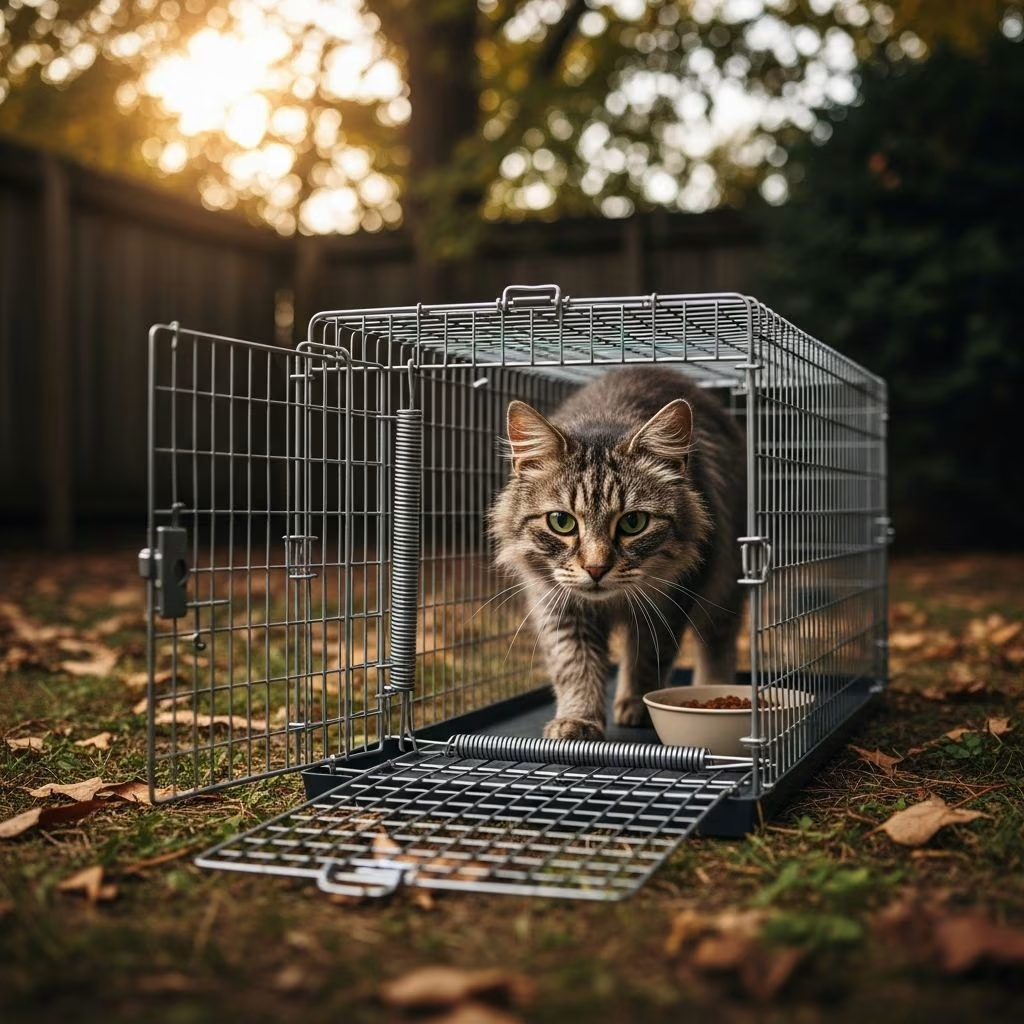
Trapping feral cats for Trap-Neuter-Return (TNR) is a humane method to stabilize community cat populations, prevent kitten births, and improve the health of outdoor cats. This process involves capturing cats humanely, sterilizing them at a clinic, vaccinating, and returning them to their familiar environment. TNR reduces nuisance behaviors like yowling and spraying while earning the trust of cat colonies over time.
Participating in TNR requires preparation, patience, and adherence to safety protocols. Whether you’re managing a colony in your neighborhood or aiding a local program, following these vet-verified steps ensures the welfare of the cats and minimizes risks to yourself. Always prioritize professional guidance to avoid common pitfalls.
Preparation
Success in TNR begins with thorough preparation. Research local TNR programs, gather necessary supplies, and familiarize yourself with regulations to ensure a smooth operation. Preparation typically takes 1–7 days, depending on availability of resources and coordination with experts.
- Consult Experts: Contact local TNR organizations or veterinarians for advice tailored to your area. They can provide traps, clinics, and training.
- Check Local Laws: Verify regulations on trapping, permits, and release locations through animal control or wildlife commissions.
- Gather Supplies: Acquire humane traps, cat food (wet preferred for scent), drop cloths, gloves, and transport carriers.
- Plan Logistics: Identify a vet clinic or shelter participating in TNR, and schedule appointments in advance.
- Observe the Colony: Monitor cats’ feeding patterns and numbers to strategize trapping sessions.
Proper preparation not only boosts success rates but also prevents legal issues and ensures cat safety. Alley Cat Allies emphasizes setting up away from the colony to avoid alarming the cats.
The 9 Steps to Trap, Neuter, & Return Feral Cats
1. Call a Professional
Before attempting TNR solo, reach out to professionals. Many communities have volunteer teams, shelters, or vets dedicated to TNR who offer free or low-cost services, including trap loans and surgery. Search for ‘TNR programs near me’ to connect with resources. These experts provide training on handling stressed feral cats, reducing injury risks.
Professionals can trap entire colonies efficiently, which is crucial as repeated exposures make cats trap-shy. If no programs exist, they can guide you on starting one safely.
2. Get a Suitable Trap
Select humane box traps or drop traps designed for cats, available at stores or online. These feature a spring-loaded door triggered by a pressure plate, closing safely behind the cat without harm. Ensure the trap is sized for cats (typically 10x12x32 inches) to accommodate adults comfortably.
Avoid leg-hold traps or tranquilizers, which can injure cats or violate laws. For larger colonies, use multiple traps. Test functionality before use and camouflage with towels for security.
3. Research Trap Location
Choose high-traffic areas like feeding spots in colonies, not isolated sites for single cats, as success rates are low. Observe cats for days to identify patterns—place traps where they eat regularly without disrupting routines.
Ideal spots are quiet, sheltered from weather, and away from heavy human traffic to keep cats calm. In multi-cat areas, line up traps to capture several at once.
4. Check Local Rules and Regulations
Local laws vary widely—some require permits for trapping, dictate release sites, or restrict activities to certain seasons. Contact animal control, city ordinances, or fish and wildlife agencies. Non-compliance can result in fines or confiscation of cats.
Supportive areas often list TNR guidelines online; unsupportive ones may pose barriers. Always document permissions to protect your efforts.
5. Load and Set the Trap
Follow trap instructions precisely. Place 1 tablespoon of aromatic wet cat food (tuna or chum works best) at the back on the trip plate. Drizzle juice in a zigzag to the entrance and add a tiny bit (¼ teaspoon) inside to lure fully.
- Test the trip plate first.
- Secure doors and cover three sides with towels for privacy.
- Set during feeding times, then retreat out of sight.
Wet food outperforms dry due to scent, but cover to deter insects. Never leave traps unattended.
6. Monitor the Traps
Observe from afar using binoculars if needed—never approach until triggered. Patience is key; cats may circle traps warily. Cover trapped cats immediately with a cloth to calm them and prevent escapes or stress.
Check every 15-30 minutes. If a cat thrashes, move gently to a secure spot. For colonies, trap all in one go to avoid trap-shyness.
7. Transfer the Cat Safely
Once trapped, secure doors with zip ties or carabiners. Line the trap with newspaper for waste. Transport promptly to avoid prolonged stress—place in a quiet vehicle area with ventilation.
Wearing thick gloves, avoid direct handling. If kittens are present, trap mothers last and house together.
8. Bring the Cat to the Vet (or Local Shelter)
Keep the cat in the trap during transport to prevent bites, which risk rabies quarantine. Provide food/water if delayed, but do not open. Drop off at a TNR clinic for spay/neuter, ear-tipping (universal sign of sterilization), vaccinations, and flea treatment.
Recovery takes 24-48 hours in a warm, quiet space. Clinics often handle this; monitor for issues like bleeding.
9. Return the Cat to Its Colony
Release post-recovery at the exact colony site for familiarity. Open the trap door in a shaded, calm area—cats bolt once oriented. Monitor from distance to ensure integration. Continue feeding to rebuild trust.
Ear-tipped cats (left ear tip removed) indicate TNR status, preventing retrapping. TNR stabilizes populations long-term.
TNR Best Practices Table
| Step | Key Tips | Common Mistakes to Avoid |
|---|---|---|
| Trapping | Use wet food, cover traps, observe remotely | Leaving unattended, using wrong bait |
| Transport | Secure in trap, ventilate vehicle | Handling directly, long delays |
| Release | Original site, post-recovery | New locations, nighttime releases |
Frequently Asked Questions (FAQs)
What if a trapped cat is injured?
Immediately cover and take to a vet or shelter for assessment. TNR clinics often treat minor issues free.
Can I trap in bad weather?
Avoid extremes; cover traps and move to warmth quickly. Postpone if unsafe.
How many cats should I trap at once?
Aim for entire colonies (all cats/kittens) in one session to prevent learned fear.
Is TNR legal everywhere?
Laws vary; always check local rules. Many areas support it via programs.
What if the cat won’t enter the trap?
Pre-bait without setting for days to acclimate, then set during peak feeding.
This comprehensive guide empowers you to contribute to humane feral cat management. TNR not only curbs overpopulation but enhances colony health and neighborhood harmony.
References
- Catster: How to Trap a Feral Cat for TNR — Catster. 2023. https://www.catster.com/lifestyle/how-to-trap-a-feral-cat-for-tnr/
- Alley Cat Allies: Help Community Cats – Step-by-Step TNR Guide — Alley Cat Allies. 2024-01-15. https://www.alleycat.org/resources/how-to-help-community-cats-a-step-by-step-guide-to-trap-neuter-return/
- ASPCA: Community Cat Programs — ASPCA. 2025-06-10. https://www.aspca.org/helping-shelters/identify-manage-community-cats
- Humane Society: Trap-Neuter-Return — Humane Society. 2024-03-22. https://www.humanesociety.org/resources/trap-neuter-return-community-cats
- Feral Cat Coalition: TNR Guidelines — Feral Cat Coalition. 2025-01-01. https://www.feralcat.com/tnr-guidelines



