

How to Train a Savannah Cat: Complete Guide
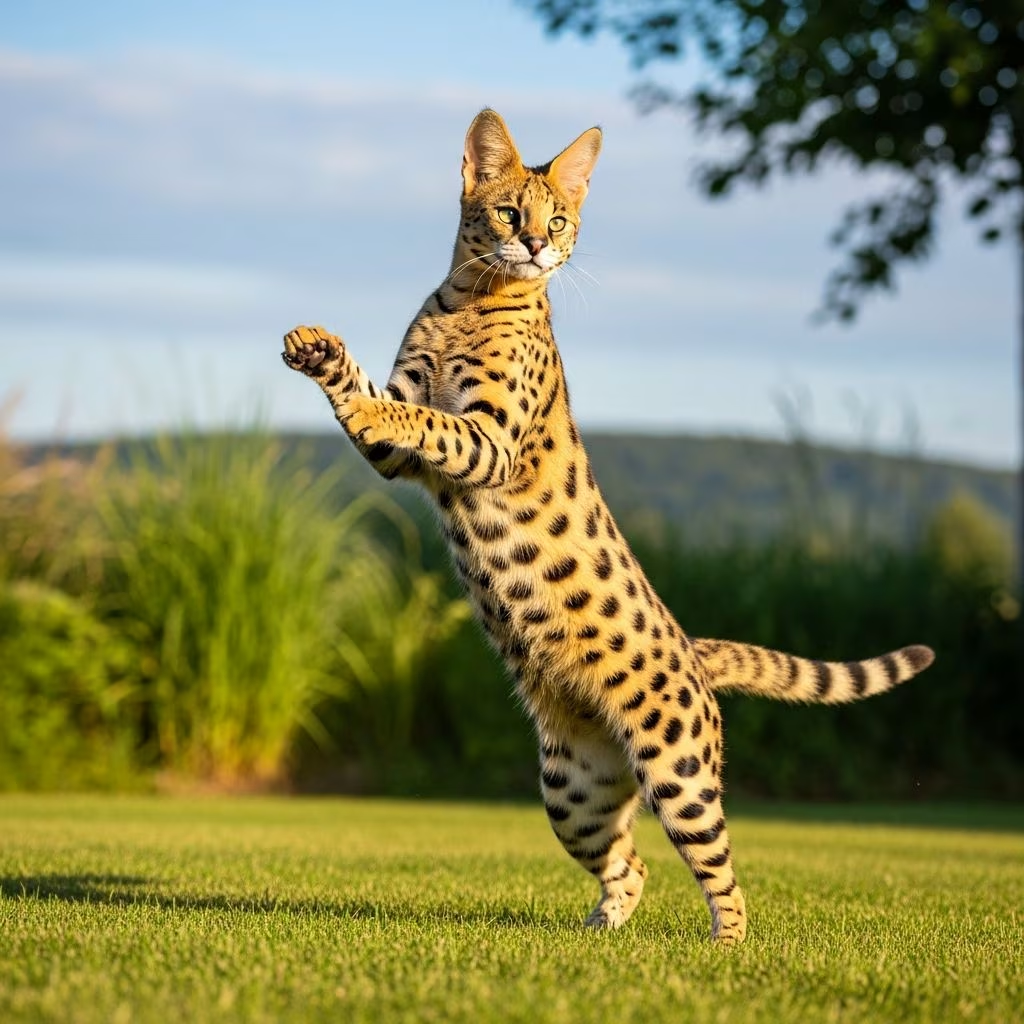
Savannah cats are one of the most intelligent and athletic domestic cat breeds, combining the wild grace of their African serval heritage with an increasingly domesticated temperament. Training a Savannah cat requires patience, consistency, and a deep understanding of their unique behavioral needs. Unlike traditional house cats, Savannahs demand substantial mental and physical stimulation to thrive, making proper training and enrichment essential to their wellbeing. This comprehensive guide covers everything you need to know about training your Savannah cat, from the moment you bring them home to establishing lasting behavioral patterns.
Understanding the Savannah Cat Temperament
Before beginning any training regimen, it’s crucial to understand what makes Savannah cats different from conventional domestic felines. Savannah cats are highly intelligent animals capable of learning complex commands and behaviors. They possess an innate curiosity and athleticism that demands constant engagement. These cats are social creatures that thrive on interaction with their human families and other animals when properly introduced.
The philosophy behind successful Savannah cat training is straightforward: “Expect only what you put into your kitten.” If you provide proper daily care consisting of exercise, mental stimulation, and positive reinforcement training during their formative months, you will develop healthy, well-adjusted adults. Conversely, neglecting these needs can result in behavioral problems, destructive tendencies, and anxiety-related issues.
Preparing Your Home for a Savannah Kitten
Creating a safe and enriching environment is the first step in successful Savannah cat training. Before bringing your new kitten home, you must conduct thorough kitten-proofing to prevent accidents and injuries.
Essential Home Preparation Steps:
- Cover all electrical cords to prevent chewing hazards
- Install cabinet latches to restrict access to dangerous items
- Remove or modify pull-down door knobs that kittens could manipulate
- Secure heavy furniture and decorative items that could topple
- Remove toxic plants and household chemicals from accessible areas
- Ensure window screens are secure to prevent escapes
The Quarantine Phase
After bringing your Savannah kitten home, quarantine them for 2-3 weeks in a dedicated space. This quarantine period is critical for establishing one-on-one bonding time and allowing your kitten to acclimate to their new environment at their own pace. Rushing the introduction process can result in a scared, skittish kitten that exhibits unruly behavior. Designate a comfortable room with all necessary supplies including a litter box, food and water dishes, toys, and a safe sleeping area.
Early Socialization: The Foundation of Training
Early socialization is perhaps the most important aspect of raising a well-behaved Savannah cat. Exposing your kitten to various people, animals, and environments during their critical developmental period creates a confident, adaptable adult cat. The socialization window is narrow, making early exposure essential.
Socialization Best Practices:
- Introduce your kitten to diverse people of different ages and appearances
- Expose them to other cats and dogs in controlled, supervised settings
- Familiarize them with common household sounds and activities
- Provide exposure to car rides and travel situations early on
- Introduce handling from multiple people to build confidence
- Create positive associations with potentially stressful situations through treats and praise
Savannah cats naturally love dogs and can coexist peacefully with other cats when properly introduced during kittenhood. Some breeders recommend temporarily fostering shelter dogs while raising your kitten, as this provides excellent behavioral training and strengthens their social bonds.
Harness Training: Walking Your Savannah Cat
One of the most distinctive aspects of Savannah cat ownership is the ability to train them for harness walking. Harness training a Savannah cat is comparable to training a puppy—it requires extensive patience, perseverance, and positive reinforcement. This process will not happen overnight, but with consistency, most Savannah cats can learn to walk comfortably on a harness and leash.
Step 1: Introduction to the Harness
Begin by placing a properly fitted harness on your Savannah kitten and allowing them to wear it for extended periods indoors without attaching a leash. Your kitten may initially protest by lying down or behaving strangely, but persistence pays off. They will gradually learn to tolerate and eventually accept the harness. To accelerate this process, associate the harness with positive experiences such as playtime or treats. This positive reinforcement helps your kitten view the harness as something exciting rather than restrictive.
Step 2: Adding the Leash Indoors
Once your kitten is comfortable wearing the harness, attach a leash and begin indoor training sessions. Use a cat wand toy to entice your kitten to walk around your home. Offer small treats sparingly for positive reinforcement when they move forward. If your kitten becomes scared or resistant, calmly pet them and redirect their attention back to the cat wand toy. Never use force or give up quickly—patience and repetition are essential keys to success.
Step 3: Outdoor Adventures
Select a safe outdoor area free from fast-moving vehicles, loud noises, and other stressors. An enclosed backyard is ideal for initial outdoor training. During these early outdoor sessions, focus on play rather than actual “walking.” Your primary goal is to reinforce positive associations with being outside. Use the cat wand toy to encourage exploration and play. Only after your kitten becomes comfortable in this controlled environment should you attempt to extend your outdoor adventures.
Important Harness Training Cautions
Never allow your Savannah cat to walk out of doors unattended, even while wearing a harness. You don’t want to inadvertently teach your cat that walking out a door results in outdoor access, as this can lead to escape attempts. Maintain strict supervision and control during all outdoor harness walks. Additionally, avoid using concrete grounds for cats under four months of age, as this can damage developing paw pads.
Clicker Training and Recall Commands
Clicker training is an effective method for teaching Savannah cats specific behaviors and commands. This positive reinforcement technique uses a distinctive clicking sound to mark desired behavior, immediately followed by a reward. Savannah cats are intelligent enough to quickly make the connection between the click and the reward, making clicker training highly effective.
Start clicker training early in your kitten’s life. Begin by clicking and immediately offering a small, high-value treat. After multiple repetitions, your kitten will understand that the click means a reward is coming. Once they grasp this concept, use the clicker to reinforce desired behaviors such as coming when called, sitting, or using the litter box appropriately.
Teach recall—the ability to come when called—using small portions of high-value treats such as sliced turkey or ham. Practice recall training multiple times daily in short, engaging sessions. This command is particularly important for Savannah cats since they can be stubborn and may ignore traditional calls.
Managing Aggressive Behaviors and Claw Control
Savannah cats possess strong hunting instincts and natural claws that require careful management. Never allow your kitten to bite, scratch, or claw without immediate discipline. Establish clear boundaries early in their life regarding appropriate and inappropriate claw use.
Techniques for Managing Aggressive Behaviors:
- A light smack on the nose mimics natural cat-to-cat correction and is appropriate as discipline
- Always maintain dominant body language and confident handling
- Retract claws frequently during handling and petting sessions
- During bottle feeding, prevent your kitten from using claws as a way to control their feeding experience
- Use scruffing (gentle neck hold) when teaching or disciplining your kitten
- Redirect aggressive play toward appropriate toys rather than human hands
- Provide ample playtime to channel aggressive instincts into healthy exercise
Exercise and Mental Stimulation
Savannah cats require substantial daily exercise and mental enrichment to maintain psychological health and prevent destructive behaviors. Cats kept indoors without adequate stimulation can become bored and develop serious psychological problems, which may manifest as furniture destruction or inappropriate litter box use.
Enrichment Activities and Tools:
- Cat Wand Play: Play sessions with a cat wand are the most enriching activity for your Savannah. Aim for vigorous sessions lasting 10-30 minutes that get your cat out of breath. Schedule play sessions before bedtime to promote optimal nighttime sleep and reduce nocturnal activity.
- Cat Wheels: Cat wheels provide excellent cardiovascular exercise and are among the best ways to expend substantial energy. However, breeders recommend moderate use to prevent overexertion.
- Vertical Spaces: Install cat shelves and wall-mounted climbing structures to provide three-dimensional enrichment. Savannah cats typically require larger, more robust options due to their athletic build and weight.
- Cat Trees: Invest in sturdy, tall cat trees that support active climbing and jumping.
- Interactive Toys: Puzzle feeders, treat-dispensing toys, and other interactive toys provide mental stimulation while your cat enjoys meals.
- Window Perches: Provide window access for bird watching and visual stimulation.
Remember that toys are not a substitute for real mental stimulation and direct interaction with their human companions. Balance automated enrichment tools with daily interactive play to ensure well-rounded development.
Nail Trimming and Grooming
Regular nail trimming prevents destruction of furniture and household items. Ideally, trim your Savannah cat’s nails weekly or every other week. Start this grooming routine when your kitten is young so they become accustomed to the process.
Proper Nail Trimming Technique:
- Run out your cat’s energy through play sessions first
- Wait until your cat is sleepy and calm
- Gently scruff the neck for control
- Bring the paw to the scruff area
- Trim nails with your free hand, cutting only the clear portion
- Avoid the pink quick to prevent bleeding and pain
- Reward your cat with treats and praise after successful trims
Bottle Feeding and Bonding
For kittens separated from their mothers early, bottle feeding provides essential nutrition and facilitates bonding with human caregivers. Continue bottle feeding 4-5 times daily until your kitten begins chewing the nipple. During feeding sessions, maintain specific protocols to ensure proper nutrition and behavioral development.
Bottle Feeding Best Practices:
- Ensure your kitten stands upright while drinking to promote proper digestion
- Allow slow feeding to prevent aspiration issues
- Pet and bond with your kitten during feeding sessions
- Allow your kitten to lick you and bond after feeding
- Never allow your kitten to use claws during feeding to establish boundaries
- Kiss your kitten on the nose during bottle feeding to create calm associations
- Pet your kitten while eating to establish positive feeding dynamics
Creating a Safe Space and Managing Crate Training
Every Savannah cat should have a designated safe space—either a large dark kennel or preferably their own room as they mature. This sanctuary provides security and comfort during stressful situations. Small boxes with limited light serve as particularly comforting refuges for anxious cats.
Crate training is valuable for travel, veterinary visits, and emergency situations. Introduce your kitten to the crate gradually using positive reinforcement. Make the crate inviting with comfortable bedding, treats, and toys. Never use the crate as punishment, as this creates negative associations.
Important Training Reminders
Several key principles apply universally to Savannah cat training. Always maintain dominant, confident body language and handling. Act like a cat yourself—even purring can encourage your kitten to purr more frequently. Kiss your kitten on the nose when they purr to further reinforce positive behavior.
Expose your kitten to small amounts of controlled anxiety, such as caging, car rides, and exposure to larger animals, to develop a well-rounded adult cat. Challenge your kitten daily with new experiences and training opportunities. Make sure your cat understands that you are their provider and caregiver.
Finally, obtain appropriate pet insurance for your Savannah cat, as veterinary care for exotic breeds can be expensive.
Advanced Training: Fetch and Commands
Beyond basic training, Savannah cats can learn additional commands and behaviors such as fetch and other tricks. Use the same positive reinforcement principles applied to other training. Start with simple behaviors and gradually increase complexity. Consistency and patience remain essential throughout advanced training stages.
Frequently Asked Questions (FAQs)
Q: At what age should I start training my Savannah cat?
A: Begin training immediately after bringing your kitten home, following the quarantine period. Early socialization and positive reinforcement during the first months create the foundation for a well-behaved adult cat. Harness training, clicker training, and other behavioral training should start as early as possible while your kitten is still developing their personality and habits.
Q: How long does harness training typically take?
A: Harness training is a gradual process that varies by individual kitten. Step 1 (harness acclimation) typically takes 1-2 weeks. Step 2 (leash training indoors) may take another 2-4 weeks. Step 3 (outdoor walking) is an ongoing process. Total training time can range from 2-3 months to achieve comfortable outdoor walks, depending on your kitten’s temperament and consistency of training.
Q: Can Savannah cats learn to use the toilet?
A: While this guide focuses on foundational training methods, Savannah cats’ intelligence theoretically allows for advanced training. However, litter box confidence should be established first, and toilet training should only be attempted by experienced owners under breeder guidance. Most owners recommend maintaining traditional litter boxes for their cat’s comfort and health monitoring.
Q: What should I do if my Savannah kitten bites or scratches during play?
A: Immediately stop play and apply light discipline, such as a gentle nose tap, to mimic natural cat correction. Redirect your kitten’s aggressive play toward appropriate toys rather than human hands or body parts. Maintain consistent boundaries so your kitten learns that biting and scratching humans is never acceptable, even during play.
Q: How much exercise does a Savannah cat need daily?
A: Savannah cats require multiple exercise sessions daily totaling at least 30-60 minutes of active play and stimulation. A combination of interactive play (10-30 minute cat wand sessions), access to climbing structures, cat wheels, and puzzle toys provides comprehensive enrichment. Insufficient exercise often results in destructive behavior and anxiety issues.
Q: Are Savannah cats good with other pets?
A: Yes, Savannah cats typically enjoy living with other cats and dogs when properly socialized as kittens. Early introduction to diverse animals creates positive associations and reduces aggression or fear responses. Some breeders recommend temporary foster arrangements with shelter dogs to enhance behavioral development and social skills.
Q: Do Savannah cats require special dietary considerations?
A: Reputable breeders typically provide specific dietary guidance tailored to individual kittens. Responsible breeders continue offering mentorship including customized diet plans after you bring your kitten home. Consult with your breeder regarding appropriate food types, portion sizes, and any breed-specific nutritional requirements.
References
- Caring For A Savannah Cat — F1 Hybrids Savannah Cats. 2025. https://www.f1hybridssavannahcats.com/care
- F1 Savannah Training Guide — F1 Savannah Kittens. 2025. https://www.f1savannahkittens.com/f1-savannah-training-guide
- Savannah Kittens & HPF1 Guide 25: Travel & Crate Training — IWannaSavannah (Melissa Morris). 2025. https://www.iwannasavannah.com/savannah-kittens-guide-25-travel-and-crate-training/
- Savannah Cat Owner’s Guide — African Savannahs. 2025. https://africansavannahs.com/wp-content/uploads/2025/06/African_Exotics_Savannah_Guide.pdf
- Ultimate User’s Guide to Raising Savannah Cats – A Complete Breed Information — Purebred Kitties. 2025. https://purebredkitties.com/blogs/savannah-cat/ultimate-users-guide-to-raising-savannah-cats-a-complete-breed-information



