

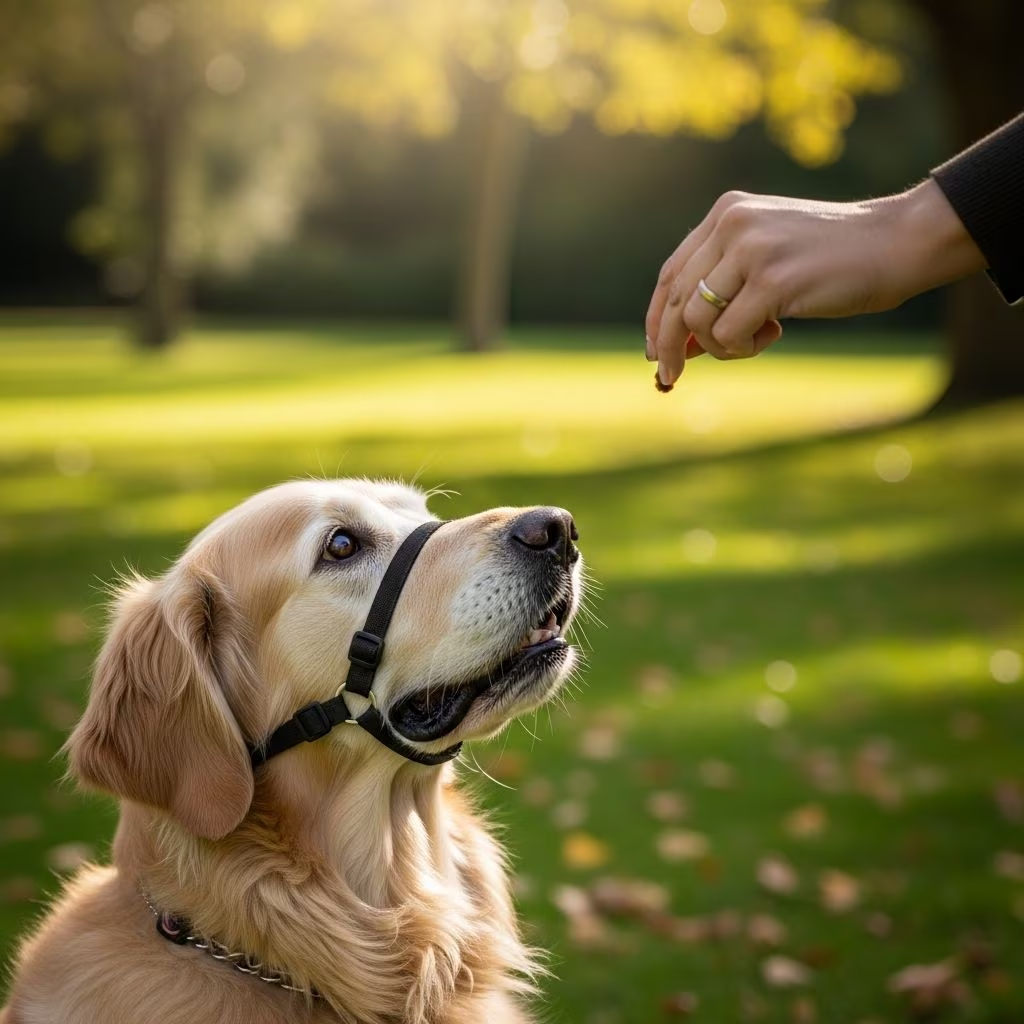
Training an older dog is entirely possible and rewarding, even if the adage “you can’t teach an old dog new tricks” suggests otherwise. Senior dogs bring life experience, calmer demeanour, and often a desire to please, making them excellent candidates for obedience training, new skills, and behaviour modification. With patience, positive reinforcement, and adjusted methods, you can strengthen your bond, improve their quality of life, and address issues like house soiling or poor recall. This guide covers everything from preparation and basic commands to advanced tricks, health considerations, and FAQs, drawing on expert-recommended strategies.
Can You Train an Older Dog?
Absolutely—older dogs can learn new commands and behaviours effectively. Unlike puppies with boundless energy, seniors learn through consistency, short sessions, and high motivation via treats or praise. Research from animal behaviourists shows that cognitive function in dogs declines gradually, but mental stimulation preserves it. Challenges like arthritis, hearing loss, or ingrained habits exist, but positive methods overcome them. Start by assessing what your dog already knows to build confidence.
- Benefits of training seniors: Enhances mental sharpness, reduces boredom-induced issues, boosts physical health through gentle exercise, and deepens owner-pet bonds.
- Key principle: Positive reinforcement—reward desired actions immediately with treats, toys, or affection to encourage repetition.
Preparing to Train Your Older Dog
Success begins with the right setup. Older dogs tire quickly and distract easily, so tailor your approach.
- Choose a quiet location: Begin in low-distraction areas like your living room or fenced yard to maintain focus. Gradually add distractions as skills improve.
- Set a daily schedule: Consistency aids learning. Feed at set times twice daily, schedule potty breaks, short 5-10 minute training sessions 2-3 times a day, and regular walks. Predictability speeds potty training and reinforces routines.
- Gather tools: High-value treats (soft, smelly ones like chicken bits), clicker for marking behaviour, comfortable collar/leash, and crate if needed.
- Health check: Consult a vet to rule out pain or cognitive decline mimicking stubbornness. Conditions like arthritis may require ramps or softer surfaces.
Basic Obedience Training for Older Dogs
Refresh or teach fundamentals first: sit, stay, down, recall, and heel. Keep sessions short (5-10 minutes) to match their energy.
How to Teach “Sit”
- Hold a treat above their nose, move it back over their head—their rear naturally lowers.
- Mark with “yes” or clicker and reward as butt hits ground.
- Repeat 5-10 times, then add verbal cue “Sit” before hand signal. Fade treats gradually.
How to Teach “Stay”
- Command “Sit-Stay,” take one step back. Return and reward if they hold.
- Gradually increase steps/duration (up to 30 seconds initially).
- Use release word like “Free” to end. Practice daily for reliability.
How to Teach “Down” and “Recall”
For down: Lure from sit with treat to ground, reward. For recall: Call name + “Come” in a happy tone, reward heavily when they approach. Practice on long leash first.
Heel Training
Have dog sit, hold treat at left hip, walk forward praising proximity. Correct gently by stopping if they forge ahead.
Pro Tip: Use sequencing—chain commands like Sit + Down + Stay for advanced flow.
House Training an Older Dog
Accidents happen due to incontinence, confusion, or routine changes. Consistency fixes it quickly.
- Set meal times to predict potty needs (seniors eat twice daily).
- Take out frequently: after meals, drinks, play, and every 4-6 hours.
- Praise lavishly outdoors; interrupt indoor accidents and rush outside to finish.
- Clean accidents with enzymatic cleaners to remove scent.
Expect progress in 1-2 weeks with a schedule.
Crate Training for Older Dogs
Crates provide security and aid potty training, preventing separation anxiety. Limit to 6 hours max daily.
- Introduce crate as fun: let sniff, feed meals inside with door open.
- Lure with treats/toys, close door briefly while occupied.
- Gradually extend time; use for naps/short absences.
- Never punish—keep positive.
Leash Training an Older Dog
Pulling stems from habit; teach loose-leash walking.
- Let sniff collar/leash first to reduce fear.
- Practice in quiet areas: reward for walking beside you.
- Stop if pulling; resume when slack. Use treats to encourage.
Training Challenges with Older Dogs
Age brings hurdles—address proactively.
| Challenge | Solution |
|---|---|
| Hearing/vision loss | Use exaggerated hand signals, vibrations, or treats to get attention. |
| Low energy/stiffness | Short sessions, soft surfaces, warm-ups; incorporate scent games. |
| Forgetfulness | High repetition, simple sequences, mental stimulation like puzzle toys. |
| Stubbornness | Motivate with top treats; end on success to build confidence. |
Advanced Tricks and Mental Stimulation
Once basics are solid, challenge them: spin, paw, dance between legs, or nose work. String olds together: Wait + Recall + Sit.
- Weave/dance: Lure through legs one at a time, then sequence.
- Scent games: Hide treats for nose work—great for cognition.
- Practice daily; celebrate small wins with play breaks.
Health and Training Considerations
Monitor for canine cognitive dysfunction (CCD)—symptoms mimic poor training. Vet-prescribed diets/supplements help. Arthritis? Use ramps. Always warm up/cool down.
Daily practice commits to success; coordinate with family for consistency.
Frequently Asked Questions
Can older dogs learn new tricks?
Yes, with patience and positive methods. Break into steps, use rewards.
How long are training sessions for seniors?
5-10 minutes, 2-3 times daily to avoid fatigue.
What if my older dog forgets commands?
Revert to basics, increase repetition, add hand signals.
Is crate training okay for seniors?
Yes, if comfortable—up to 6 hours with breaks.
Should I use punishment?
No—positive reinforcement builds trust faster.
References
- 7 Effective Dog Training Methods – For Old Dogs and New Dogs — Best Friends Pet Care. 2023-05-15. https://bestfriendspetcare.com/7-effective-dog-training-methods-for-old-dogs-new-dogs/
- Dog Training Strategies – How To Train An Older Dog — Unleash Fido. 2024-02-10. https://unleashfido.com/dog-training-strategies-how-to-train-an-older-dog/
- A Complete Guide to Training an Older Dog — Woofz. 2024-08-22. https://www.woofz.com/blog/training-an-older-dog/
- 8 Must-Know Tips For Training an Older Dog — Monster K9. 2023-11-03. https://www.monsterk9.com/blogs/large-dog-blog/8-must-know-tips-for-training-an-older-dog
- Dog Training: Obedience Training for Older Dogs — Purina US. 2025-01-12. https://www.purina.com/articles/dog/behavior/training/older-dog-obedience-training
- The Importance of Training Your Senior Dog — American Kennel Club (AKC). 2024-06-18. https://www.akc.org/expert-advice/health/training-your-senior-dog/



