

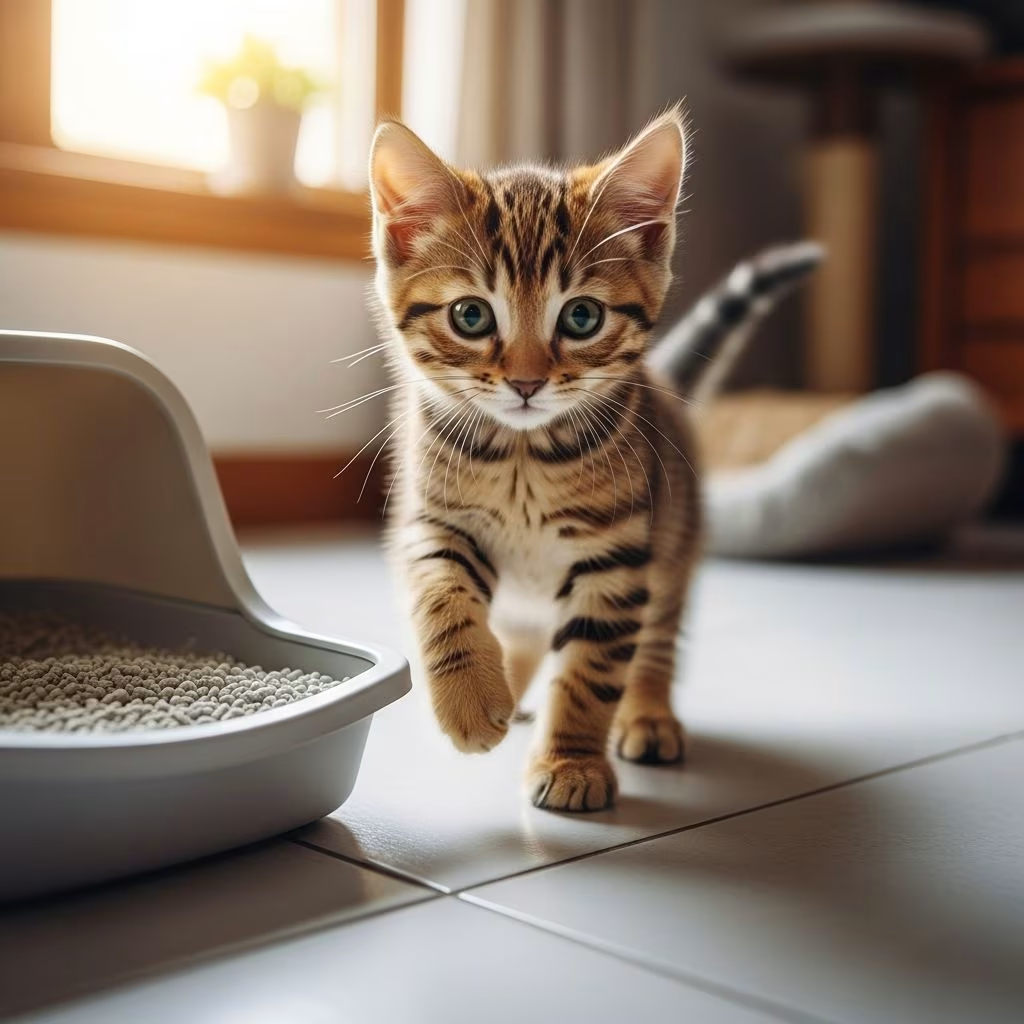
How to Train Your Kitten to Use the Litter Box: 7 Vet-Approved Tips
Bringing home a new kitten is an exciting experience filled with joy and new challenges. Among the most important tasks you’ll face as a new kitten owner is litter box training. This fundamental skill sets the foundation for a clean, harmonious living environment and helps prevent destructive behaviors and house soiling issues. Successfully training your kitten to use the litter box requires patience, consistency, and the right approach. In this comprehensive guide, we’ll walk you through seven evidence-based strategies to make litter box training as smooth and effective as possible.
Before You Begin: Essential Preparation
Before your kitten arrives home, it’s crucial to prepare your environment for successful litter box training. Litter box training should commence the moment your kitten enters your home, so having everything in place beforehand is essential. To set yourself up for success, gather the following items:
- An appropriately-sized litter box
- Quality kitten litter
- A litter scoop for daily cleaning
- Training treats for positive reinforcement
- Enzyme-based cleaner for accident cleanup
- Litter mat to contain spillage
Having these supplies ready demonstrates your commitment to making the training process as easy as possible for your young feline companion.
The 7 Tips to Train Your Kitten to Use the Litter Box
1. Choose the Right Litter Box
Selecting an appropriate litter box is the foundation of successful training. Litter boxes should be approximately 1 ½ times larger than the cat using them. This size allows your kitten to comfortably turn around, dig, and exit without feeling cramped or threatened. A box that’s too small may discourage your kitten from using it altogether.
When beginning the training process, start with an uncovered litter box. Many kittens may feel anxious or trapped in covered boxes, which can create negative associations with litter box use. Covered boxes can be introduced later once your kitten is older and more confident. For kittens specifically, experts recommend a 13 x 9-inch litter tray with shallow sides that allow easy entry and exit.
As your kitten grows, plan to upgrade to larger boxes to accommodate their increasing size. If you have multiple kittens, provide separate boxes of the same size and upgrade them together as they develop.
2. Select the Right Litter
The litter you choose plays a significant role in whether your kitten will consistently use the box. With numerous litter materials available on the market, selecting the right one can feel overwhelming. Kittens can develop distinct litter preferences, so understanding what appeals to your kitten is important.
Generally, most cats prefer unscented litter with fine particles rather than large, coarse particles that may feel uncomfortable on their paws. Clumping litter is usually the easiest to scoop and provides superior odor control, making it an excellent choice for most households. If you’ve obtained your kitten from a breeder or shelter, ask which litter they’ve been using and maintain that brand initially to ease the transition to your home.
Fill the litter box with 2 to 3 inches of litter to provide adequate depth for digging and covering waste. If your kitten shows reluctance to use the box, experiment with different litter types and textures to identify their preference.
3. Pick the Right Litter Box Location
Location is critical for litter box success. When kittens are adjusting to a new home, they need a safe, accessible space where they feel secure. Place the litter box in a quiet location away from noisy appliances and high-traffic areas of your home. Kittens can be easily startled by sudden sounds, which may cause them to avoid the litter box entirely.
Avoid placing the litter box in a laundry room with running washers and dryers, as the noise and vibrations can frighten young cats and discourage litter box use. Additionally, keep the litter box separate from your kitten’s food and water bowls. Cats are naturally clean animals and prefer not to eliminate in areas where they eat or drink.
If you have a larger home, consider placing litter boxes in different areas to ensure your kitten can always access one quickly. For multi-story homes, position boxes on each level to prevent accidents during the learning phase.
4. Show Your Kitten the Litter Box
Active introduction is essential for successful training. As soon as you bring your kitten home, show them where the litter boxes are located. Gently place your kitten in the box and allow them to sniff and explore. Many kittens will instinctively paw at the litter, but you can help by using your hand to sift through it, demonstrating what the litter is for.
Your kitten may use the box immediately, or this process may need to be repeated several times before they fully understand. Continue bringing your kitten to the box after they eat or wake up from naps, as these are natural times when they’re likely to need elimination. Timing your introductions strategically increases the likelihood of immediate success and builds positive associations with the box.
5. Establish a Supervision Routine
Constant supervision during the training period significantly improves outcomes. While training your kitten to use the litter box, avoid allowing them unsupervised access to your entire house. Instead, consider confining them to a single kitten-proofed room, such as a bathroom or small bedroom, when you’re unable to monitor them directly.
When you are home and present, keep a close eye on your kitten for behavioral cues. If you spot them circling, sniffing, or pawing at the ground, take them to the litter box quickly. Your kitten may need time to learn which spots are appropriate and inappropriate for elimination. By catching these moments and redirecting your kitten to the box, you reinforce correct behavior and prevent accidents.
Gradual expansion of freedom as your kitten becomes more reliably trained will help them understand household boundaries while building confidence in proper litter box use.
6. Keep the Litter Box Clean
Cats and kittens are naturally fastidious creatures and do not enjoy using a dirty litter box. Maintaining a clean box is essential for preventing litter box aversions and ensuring consistent use. Establish a daily cleaning routine that includes scooping solid waste and clumps of urine once or twice per day.
Perform a more thorough cleaning of the entire litter box weekly. Wash the box with warm water and a small amount of mild detergent, then rinse thoroughly before refilling with fresh litter. This weekly deep clean prevents odor buildup and keeps the box hygienic.
Replace the litter entirely at least once per week, or more frequently if you have multiple cats or notice odor issues. Keeping the box clean will prevent any litter box aversions and maintain your kitten’s positive association with the box.
7. Use Positive Reinforcement and Patience
Positive reinforcement is the most effective training method for kittens. Reward your kitten with praise or treats when they use the litter box correctly. This positive association encourages them to repeat the behavior and builds confidence. Be enthusiastic in your praise when you catch your kitten using the box successfully.
Never yell, hit, or otherwise punish your kitten for accidents. Punishment creates fear and anxiety, potentially making your kitten avoid the litter box entirely. If your kitten has an accident on your carpet, use an enzyme-based product that breaks down and fully eliminates the odor. This is crucial because residual odor may cause your kitten to identify that spot as an appropriate elimination location.
Providing Multiple Litter Boxes
The number of litter boxes in your home significantly impacts training success. Generally, you need one litter box per cat, with one extra box. So if you have two cats, ensure you have three litter boxes. This rule applies even during the training phase with a single kitten, as having multiple boxes reduces competition and provides options if one box becomes temporarily unavailable.
Place additional litter boxes in different locations throughout your home, particularly on different floors if you have a multi-story residence. This ensures your kitten always has easy access to a box regardless of where they are in the house.
My Kitten Keeps Having Accidents: Troubleshooting Guide
If your kitten struggles with litter box training despite your best efforts, don’t lose hope. Accidents happen during the learning process, and there are systematic ways to address the issue. The first and most important rule is to never punish your kitten. Punishment damages your relationship and creates fear-based responses that worsen the problem.
When accidents occur, thoroughly clean the affected area with an enzyme-based cleaner that completely eliminates odors. Regular household cleaners may remove visible traces but leave molecular scent markers that your kitten can still detect, causing them to repeat the behavior in the same spot.
Next, reevaluate the first three critical steps outlined in this guide:
- Litter Box Size and Type: Ensure the box is appropriate for your kitten’s size and that it’s uncovered. Try switching to a covered box only after training is complete.
- Litter Variety: Experiment with different litter brands and textures. Your kitten may have specific preferences you haven’t yet discovered.
- Location Reassessment: Evaluate whether the current location is truly quiet and accessible. Consider moving the box if it’s near noisy appliances or high-traffic areas.
If you’ve been allowing your kitten unsupervised access to your home, restrict them to smaller spaces until they use the litter box more consistently. Rebuilding the supervised routine often resolves persistent accidents.
Consider consulting with your veterinarian if accidents persist despite addressing environmental and behavioral factors. Sometimes underlying medical conditions such as urinary tract infections or digestive issues can cause inappropriate elimination.
Timeline and Expectations
Kittens can take to a litter box in just a couple of days, but most require several weeks for reliable, consistent use. Every kitten learns at a different pace, so patience is essential. Factors influencing training speed include the kitten’s age, prior exposure to litter boxes, personality, and your consistency with the training protocol.
Younger kittens may require more frequent reminders and longer training periods. Kittens adopted from shelters or breeders who already used litter boxes typically adapt faster than those without prior exposure. Remain consistent with your approach, and you’ll likely see improvement within the first few weeks.
Frequently Asked Questions
Q: At what age should I start litter box training?
A: Litter box training should begin the moment your kitten arrives home. Kittens instinctively seek appropriate elimination sites, and early introduction to the litter box channels this natural behavior in the right direction. If you’ve adopted an adult cat, you can begin training immediately if they haven’t been trained already.
Q: How long does litter box training typically take?
A: Kittens can adapt to using the litter box in just a few days, but most require several weeks for fully reliable and consistent use. Patience and consistency with the training protocol significantly influence the timeline.
Q: What should I do if my kitten continues having accidents after weeks of training?
A: Revisit the fundamental aspects of training: litter box size and type, litter preference, and location. If problems persist, consult your veterinarian to rule out medical issues such as urinary tract infections or other health conditions affecting elimination behavior.
Q: Can I use covered litter boxes for kittens?
A: It’s best to start with uncovered boxes during training, as kittens may feel trapped or anxious in covered boxes. Once your kitten is fully trained and grows into an adult cat, you can transition to covered boxes if desired.
Q: How often should I clean the litter box?
A: Scoop solid waste and urine clumps once or twice daily. Perform a thorough cleaning with water and mild detergent weekly, and replace the litter entirely at least once per week to maintain optimal cleanliness and odor control.
Q: Should I provide litter boxes on every floor of my home?
A: Yes, especially during training. Placing litter boxes on each floor ensures your kitten always has quick and easy access, reducing the likelihood of accidents and improving overall training success.
Conclusion
Successful litter box training requires a thoughtful combination of proper equipment selection, environmental optimization, consistent supervision, and positive reinforcement. By following these seven vet-approved tips, you’ll create the ideal conditions for your kitten to learn and thrive. Remember that every kitten is unique, and what works for one may need adjustment for another. Stay flexible, remain patient, and celebrate the milestones your kitten achieves along the way. With dedication and these proven strategies, you’ll have a reliably trained kitten and a clean, pleasant home for years to come.
References
- How to Train Your Kitten to Use the Litter Box: 7 Vet-Approved Tips — Catster. 2024. https://www.catster.com/cat-behavior/how-to-train-your-kitten-to-use-the-litter-box/
- Litter Box Training Your Kitten: A Step-by-Step Guide — Marc4Change. 2024. https://marc4change.org/litter-box-training-your-kitten-a-step-by-step-guide/
- How to Potty Train a Kitten: Vet-Approved Tips & Tricks — Catster. 2024. https://www.catster.com/cat-health-care/how-to-potty-train-a-kitten/
- Remedial Litter Box Training — Louisiana SPCA. 2020. https://www.louisianaspca.org/wp-content/uploads/2020/09/Remedial-Litter-Box-Training.pdf



