

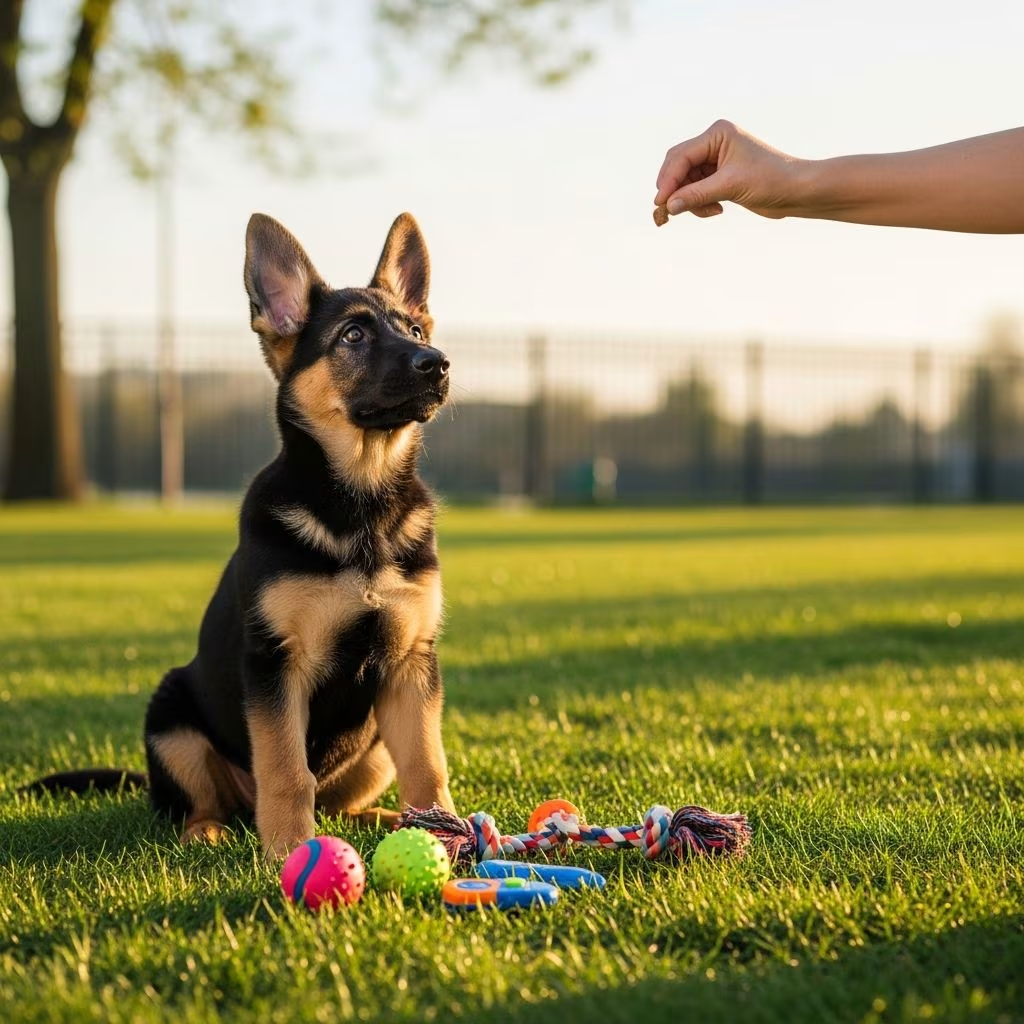
How to Train a German Shepherd Puppy
German Shepherd puppies are intelligent, loyal, and eager to please, making them excellent candidates for training. However, successful training requires understanding their developmental stages, using the right tools, and employing proven training methods. This comprehensive guide covers everything you need to know about training your German Shepherd puppy from the moment you bring them home.
Essential Training Tools and Equipment
Before beginning your German Shepherd puppy training journey, gather the necessary equipment to set your puppy up for success. Having the right tools makes training more effective and enjoyable for both you and your puppy.
- Dog collar
- Dog harness
- Sturdy 6-foot leash
- Dog training clicker (optional)
A well-fitting collar, harness, and sturdy 6-foot-long leash are the basic equipment you need to get started. Additionally, some puppy parents may find the clicker is an easy tool to train their puppies. There is a small learning curve for pet parents to learn when to click and to teach their puppy that the click is a predictor of a reward to come. But once the puppy learns that the click occurs when they perform certain behaviors, they quickly catch on.
Training Principles for Success
Effective German Shepherd puppy training relies on several key principles that create a foundation for lifelong learning and behavioral success.
Use Rewards That Motivate
Use rewards that are motivating to the puppy, such as tasty treats, verbal praise, toys, or pets. The most effective rewards vary from puppy to puppy, so experiment to find what excites your German Shepherd most.
Keep Training Sessions Short and Focused
Focus on teaching them one new behavior at a time in short 5–10-minute sessions. Puppies’ short attention spans are unlikely to last beyond that amount of time. Multiple short sessions throughout the day are more effective than one long training session.
Repetition Creates Learning
Repeat sessions 3–5 times until they have learned the new behavior. Consistency and repetition are essential for German Shepherd puppies to develop reliable responses to commands and cues.
Training by Age and Stage
German Shepherd puppies develop at different rates, and their training should progress according to their developmental stage. Understanding what your puppy can learn at each age ensures you’re setting realistic expectations and building skills appropriately.
8 Weeks and Younger
Potty training: By 8 weeks of age, puppies have voluntary control of their bladder. This means they do not need to be stimulated by their mothers in order to urinate, so it’s time to begin potty training.
Coming when called: Puppies as young as 5–6 weeks old can learn to come when called—an essential skill your dog should have throughout their lifetime.
The “sit” cue: Between 5–8 weeks of age, a German Shepherd puppy can also learn how to sit.
3–9 Months
Behavior cue training: Between 8–12 weeks of age, puppies should know various behavioral cues, such as come, sit, and lie down. You should also be working on crate training and teaching them to go to their bed.
Puppies should be participating in group classes to sharpen their skill to focus on the pet parents in different environments with other distractions present, such as other people, dogs, and noises. This socialization during classes helps puppies develop confidence and learn to obey commands despite environmental distractions.
German Shepherd Puppy Training Tips
Successfully training a German Shepherd puppy requires more than just knowledge of commands. These practical tips help you approach training with the right mindset and methods.
Use Positive Reinforcement
Positive reinforcement training is the best method to use to train a dog to become confident, reliably listen, and perform their behavioral cues. In this training method, the dog performs a desired behavior and is immediately offered a high-value reward. If the dogs like the reward, they will want to repeat the behavior again to gain more rewards. This approach builds confidence and creates a dog that is eager to learn and work with you.
Establish a Routine
It is important to set up consistent routines to help reduce anxiety and provide stability to the puppy’s world. Predictability helps puppies learn what is expected of them. For example, if you ask your puppy to sit every time they are at the door, they’ll soon learn to sit in order for you to take them outside. Routines create structure that helps puppies feel secure while learning.
Hire a Professional Dog Trainer
Hiring a professional trainer can help your puppy progress through training at a quicker pace. However, pet parents still need to work with their puppy. Otherwise, the puppy only listens and responds reliably to the trainer and not to the pet parent. Professional trainers provide valuable guidance while you remain the primary handler and authority figure in your puppy’s life.
Be Kind, Patient, and Consistent
Raising a puppy requires time, money, and effort. However, the investment you put into the new puppy will pay off when your German Shepherd grows into a confident, responsive, and well-adjusted dog who is a pleasant companion to have on your walks around town or long nature hikes. Patience and kindness create a positive relationship built on trust.
Core Training Areas
German Shepherd puppies benefit from comprehensive training covering multiple areas. These core training areas create a well-rounded, obedient companion.
Potty Training
Potty training is one of the first priorities for new puppy parents. German Shepherds are generally quick learners and take well to housetraining when consistency and supervision are provided. Establish a regular schedule for outdoor bathroom breaks, typically after meals, naps, and playtime. Crate training supports housetraining efforts, as puppies naturally avoid eliminating in their sleeping space.
Crate Training
Crate training provides your German Shepherd puppy with a safe den-like space and facilitates housetraining. Begin by introducing the crate as a positive space associated with treats and meals. Start with short periods inside the crate during feeding times (five to ten minutes) and gradually increase duration as your puppy becomes comfortable.
Basic Obedience Commands
Teaching basic obedience commands creates a foundation for all future training. German Shepherds excel at obedience and are eager to learn. Priority commands include “sit,” “down,” “stay,” “come,” and “leave it.” Practice these commands during short, focused training sessions with immediate rewards.
Loose-Leash Walking
Teaching your German Shepherd to walk politely on a leash prevents pulling and makes outings enjoyable. Start training in a quiet environment before progressing to busier settings. Reward your puppy for keeping a loose leash and moving beside you without pulling.
Socialization
Socialization exposes your German Shepherd puppy to various people, animals, environments, and experiences. This process builds confidence and prevents fear-based behaviors. Schedule controlled introductions to different situations, ensuring all interactions are positive and supervised.
Training Timeline Overview
Understanding the typical German Shepherd puppy training progression helps you set realistic goals and track your puppy’s development.
| Age Range | Primary Training Focus | Key Skills |
|---|---|---|
| 5–8 Weeks | Foundation skills and early socialization | Come, sit, introduction to crate |
| 8–12 Weeks | Potty training and behavioral cues | Sit, down, come, lie down, crate training |
| 3–9 Months | Obedience development and group class participation | Refined obedience, focus in distracting environments |
| 9–24 Months | Advanced training and impulse control | Advanced commands, specialized training (if desired) |
Addressing Common Training Challenges
German Shepherd puppies are intelligent and energetic, which can sometimes lead to training challenges. Understanding these common issues helps you address them proactively.
Excessive Barking
German Shepherds are naturally vocal and may bark excessively if under-stimulated or anxious. Provide adequate physical exercise and mental enrichment daily. Teach a “quiet” command by rewarding your puppy when they stop barking on cue.
Destructive Chewing
Puppies explore the world through their mouths. Provide appropriate chew toys and redirect inappropriate chewing to approved items. Ensure your puppy receives sufficient exercise, as boredom often leads to destructive behavior.
Jumping and Mouthing
Puppies jump and mouth to play and explore. Teach alternative behaviors like sitting for greetings. Avoid reinforcing jumping by not giving attention when your puppy jumps; instead, reward calm, polite behavior.
Prey Drive and Chasing
German Shepherds have a strong prey drive that may lead to chasing cats, squirrels, or even cars. Train a strong “leave it” command and ensure your puppy has a secure fenced area for play. Provide outlets for this instinct through appropriate games and activities.
Creating a Training Schedule
Consistency is crucial for German Shepherd puppy training. A structured schedule helps ensure your puppy receives regular training and reinforcement throughout the day.
Morning training sessions work well when your puppy is fresh and motivated. Conduct 2–3 five-minute sessions focused on one or two commands. Incorporate training into daily routines, such as requiring your puppy to sit before meals or going outside.
Afternoon sessions can focus on socialization or group class participation. Evening sessions might emphasize calm behavior and relaxation training. Always end on a positive note and avoid training when either you or your puppy is frustrated or tired.
Nutrition and Training Success
Proper nutrition supports your German Shepherd puppy’s physical and mental development, which directly impacts training ability. A high-quality puppy diet provides essential nutrients for brain development and sustained energy during training sessions.
Use small pieces of your puppy’s regular kibble or specially formulated training treats during sessions to avoid overfeeding. If using high-value treats like small pieces of chicken or cheese, adjust the main meal portions to maintain appropriate weight.
When to Seek Professional Help
While many German Shepherd puppies respond well to consistent home training, some situations benefit from professional assistance. Consider working with a certified trainer if your puppy shows aggression, extreme anxiety, severe fear, or if you’re unsure about proper training techniques.
A certified professional can assess your puppy’s individual needs and provide customized training plans. They can also mentor you to ensure consistency between professional sessions and home practice.
Frequently Asked Questions About Training German Shepherd Puppies
Q: What is the best age to start training a German Shepherd puppy?
A: Pet parents can start training as soon as they bring their puppy home, which is usually around 6–8 weeks of age. Early training establishes good habits and helps prevent behavioral problems from developing.
Q: What is the first thing to teach a German Shepherd puppy?
A: Socialization, crate training, potty training, and basic obedience cues—like “come” and “sit”—are good initial training goals for German Shepherd puppies. Starting with “come” is particularly important for safety and recall reliability.
Q: How long does it take to housetrain a German Shepherd puppy?
A: Most German Shepherd puppies can be reliably housetrained between 4–6 months of age with consistent supervision and a regular schedule. Some puppies may take longer, and accidents are normal during the learning process.
Q: Can I train my German Shepherd puppy without a professional trainer?
A: Yes, many German Shepherd puppies can be successfully trained at home using positive reinforcement methods and consistent practice. However, professional guidance can accelerate progress and help address specific challenges.
Q: How often should I train my German Shepherd puppy?
A: Multiple short training sessions throughout the day (3–5 sessions of 5–10 minutes each) are more effective than one long session. This frequency aligns with puppies’ short attention spans and reinforces learning.
Q: What if my German Shepherd puppy isn’t responding to training?
A: If your puppy isn’t responding, assess whether you’re using sufficiently motivating rewards, training at optimal times when your puppy is alert and focused, and keeping sessions short enough. Consider consulting a professional trainer to rule out underlying issues or adjust your approach.
References
- Puppy Training Timeline for Your German Shepherd Dog — American Kennel Club (AKC). 2024. https://www.akc.org/expert-advice/dog-breeds/puppy-training-timeline-for-your-german-shepherd-dog/
- How To Train a German Shepherd Puppy — Chewy. 2024. https://www.chewy.com/education/dog/training-and-behavior/how-to-train-a-german-shepherd-puppy
- How to Train Your German Shepherd Dog — 5 Key Steps — One Mind Dogs. 2024. https://www.oneminddogs.com/blog/how-to-train-a-german-shepherd-dog/



