

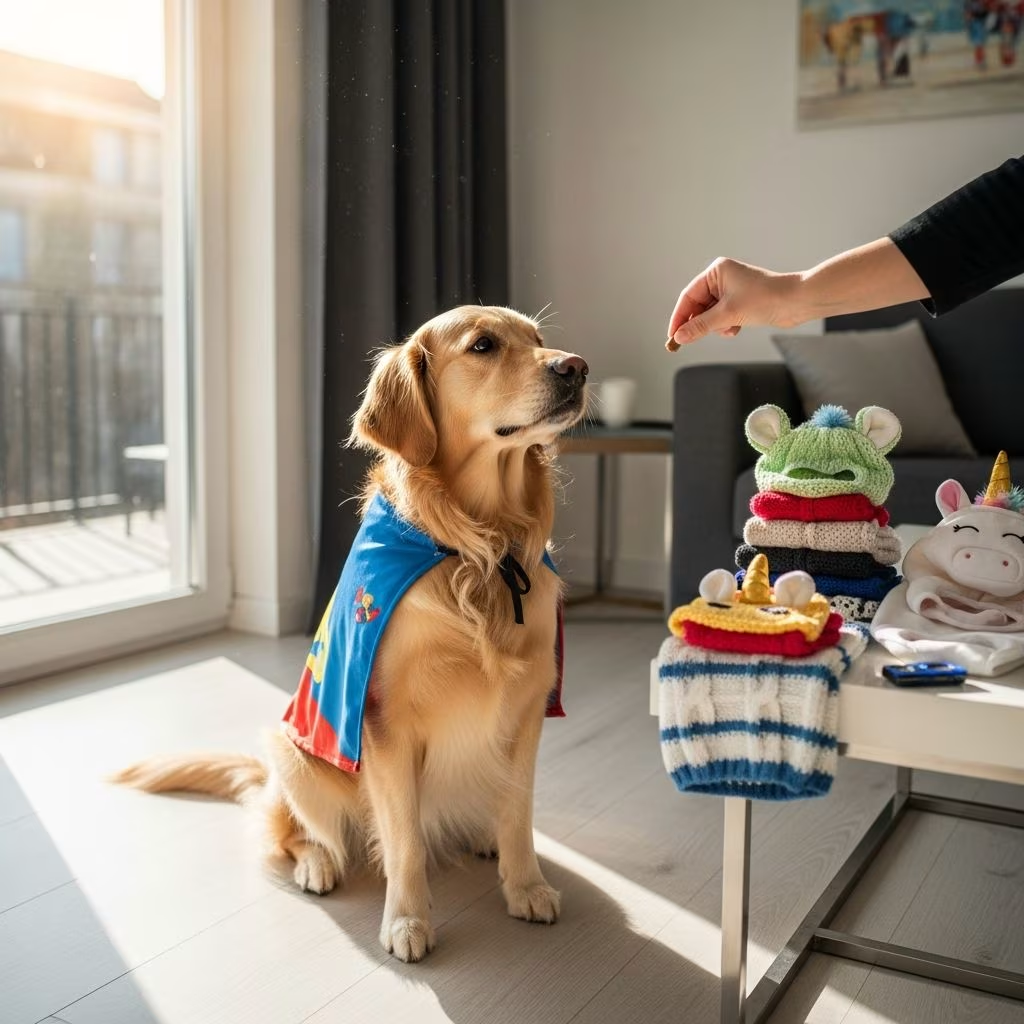
How to Train Your Dog to Wear Clothes and Costumes
Wearing clothing doesn’t come naturally to dogs. Many pet owners struggle with the idea of dressing up their furry friends, worried about causing unnecessary stress or discomfort. However, with the right approach, patience, and understanding of canine behavior, you can help your dog become comfortable—and even happy—in clothing and costumes.
The key to success is recognizing that no photo opportunity or cute moment is worth stressing out your beloved pet. Instead of forcing clothes onto your dog and hoping for the best, it’s essential to take a gradual, thoughtful approach. This means slowly acclimating your dog to any apparel you’d like them to wear, watching their body language carefully, and always respecting their comfort level and individual preferences.
Why Dogs May Resist Wearing Clothes
Before diving into the training process, it helps to understand why many dogs naturally resist wearing clothing. Dogs rely heavily on their sense of touch and freedom of movement. When you place clothing on them, it can feel restrictive, unusual, and even threatening. Additionally, some dogs may have had negative experiences with clothing or simply find the sensation unfamiliar and overwhelming.
Certain breeds and individual dogs are more resistant than others. Small breeds, hairless dogs, and anxious dogs may have different reactions to clothing based on their temperament, previous experiences, and physical characteristics. Understanding your dog’s unique personality and sensitivities is crucial to approaching this training process successfully.
Step-by-Step Guide to Training Your Dog to Wear Clothes
Step 1: Measure Your Pup
Before you even think about purchasing or putting clothes on your dog, accurate measurement is essential. Take time to measure your dog properly to ensure a comfortable fit. You’ll want to know their chest circumference, length from neck to tail base, and leg length if you’re considering shoes or full-body outfits.
A proper fit is critical for several reasons. Clothes that are too small can feel restrictive and cause unnecessary stress, potentially harming your dog’s movement and comfort. On the other hand, loose-fitting garments can catch on objects, creating safety hazards or giving your dog opportunities to wiggle free and develop a negative association with clothing. Taking accurate measurements ensures your dog has the best possible experience when wearing their new outfit.
Step 2: Slowly Introduce the Apparel
This is perhaps the most important step in the entire process. It’s crucial to let your dog explore and become familiar with new clothes or costumes at their own pace, especially if you’re training them to wear something unusual like a headpiece, booties, or a complex costume with multiple pieces.
Begin by slowly desensitizing your dog to the clothing item using these tactics:
- Show your dog the apparel so they can examine it and smell it thoroughly
- Place the item next to them so they gradually get used to its presence
- Let them interact with it freely without any pressure
- Reward their curiosity with treats and praise
Only move on to the next step when your dog seems comfortable touching the clothing and having it near them. There’s no rush—some dogs may need several sessions before they’re ready to proceed. Watch their body language carefully for signs of stress, including tail tucking, lip licking, yawning, or attempts to move away from the item.
Step 3: Slowly and Gently Put the Costume On
Once your dog is familiar with the garment, it’s time to attempt putting it on. This step requires patience and a gentle touch. Slowly place the garment and accessories on your dog while using tasty treats as positive reinforcement and motivation.
If your dog isn’t feeling it or shows signs of stress, don’t force it. Instead, remove the clothing calmly and try again another day. Forcing the issue can create lasting negative associations with clothing that will make future training much more difficult. Remember that patience now pays dividends later.
For outfits with multiple pieces, such as complex costumes with hats, accessories, or additional components, you may want to practice putting on one piece at a time before attempting the full ensemble. This approach is especially helpful with unusual items like headpieces or booties, which can feel particularly strange to dogs.
Step 4: Have Them Wear the Garment for Short Periods
Once you’ve successfully got the garment on your dog, the next phase involves building their tolerance for wearing it. Have your dog wear the clothing during mealtime or playtime—times when they’re likely to be distracted from this funny new thing on their body.
During these initial wearing sessions:
- Keep the duration very short—just a few minutes to start
- Choose times when your dog is naturally relaxed and happy
- Remove the clothing immediately after the activity ends
- Offer praise and treats throughout the experience
Continue this practice, gradually increasing the amount of time they’re in the garment while carefully monitoring for signs of stress or discomfort. Every dog progresses at their own pace. Some may be ready for longer periods within a few sessions, while others may need weeks of gradual exposure. The goal is to build positive associations with wearing clothes, not to rush the process.
Step 5: Wear It Out!
By the time you reach this stage, your dog should be fully comfortable wearing the clothing item. When the day arrives that you want your dog to wear the clothing, accessory, or costume for real—whether it’s a raincoat for a walk or a costume for Halloween—put it on them as you’ve practiced before and reward them with a treat.
Even at this stage, remain vigilant about your dog’s comfort. Be on the lookout for signs they’re ready to take the garment off and remove it as needed. Your dog’s wellbeing should always take priority over any photo opportunity or event.
Choosing the Right Clothing for Your Dog
Fit Matters
Make sure you’ve properly measured your dog and have them in the correct size of clothing or shoes. We cannot overstate the importance of proper fit. Items that are too small can feel restrictive and uncomfortable, hindering movement and causing stress. Conversely, loose items can catch on objects, leading to potential injuries or accidents.
Easy On and Off
Look for garments that are simple to put on and remove. Consider these design features when selecting dog clothing:
- Adjustable straps that allow for customized fit
- Velcro closures for quick fastening and removal
- Stretchy fabric that accommodates movement
- Snap buttons for easy manipulation
- Wide neck openings for easier entry
- Zippers with guards to prevent pinching
The easier the clothing is to put on and take off, the less stressful the experience will be for both you and your dog. This also means you can quickly remove the clothing if your dog becomes uncomfortable or distressed.
Pet Comfort and Quality
When the apparel is primarily about being cute or fashionable, put comfort high on your priority list. Look for soft materials that won’t irritate your dog’s skin or coat. A high-quality fit that doesn’t bind or restrict movement is essential.
Adjustability comes in particularly handy when you have a dog with unusual proportions—extra-long dogs, extra-short dogs, short-legged breeds, or barrel-chested dogs. Features like adjustable straps, side snaps, or drawstring adjustments allow you to customize the fit for your dog’s unique body shape.
Special Considerations for Different Situations
Starting Early With Puppies
If possible, begin introducing clothes when your dog is still a puppy. Young dogs are generally more adaptable and can grow comfortable with clothing as part of their normal routine. When puppies are exposed to clothing early in life, they tend to develop fewer negative associations and may be more accepting of garments as adults.
When introducing clothing to puppies, start with soft, lightweight garments that are easy to put on and don’t cover too much of their body—like a simple dog T-shirt or cooling vest. This gradual introduction helps puppies learn that clothing is a normal part of their world.
For Anxious or Sensitive Dogs
Dogs that are naturally anxious or have had previous negative experiences with handling require extra patience and care. These dogs may benefit from:
- Longer desensitization periods before attempting to put clothing on
- More frequent, shorter practice sessions
- Extra high-value treats as motivation
- Consultation with a professional dog trainer or behaviorist
Never force an anxious dog into clothing. The goal is to build their confidence and create positive associations, not to overwhelm them.
Positive Reinforcement Techniques
Throughout the entire training process, positive reinforcement is your greatest tool. Using toys, treats, and praise while your dog is wearing clothes helps them feel more comfortable and builds positive associations with the experience.
Try these reinforcement strategies:
- Distract your dog by playing with their favorite toy while wearing the garment
- Offer high-value treats they only receive during clothing practice sessions
- Provide verbal praise and physical affection when they wear clothing calmly
- Allow them to engage in favorite activities while wearing the garment
By focusing on play and favorite activities, your dog will learn that wearing clothes doesn’t affect their ability to move around and engage in enjoyable experiences. This realization is crucial for building genuine comfort and acceptance.
Common Mistakes to Avoid
Understanding what not to do is just as important as knowing the correct approach. Here are common mistakes that can derail your dog’s clothing training:
- Rushing the process: Moving too quickly between steps or forcing clothing onto an unprepared dog
- Ignoring stress signals: Failing to recognize and respond to signs of discomfort or anxiety
- Using poorly fitting clothes: Putting clothing on a dog without proper measurement
- Skipping desensitization: Attempting to put complex costumes on without gradual introduction
- Negative reinforcement: Scolding or punishing your dog for resisting clothing
- Extended wear time too soon: Keeping clothing on too long before your dog is fully comfortable
Practice Timeline and Expectations
The timeline for training your dog to wear clothes varies significantly based on the individual dog, the complexity of the garment, and your consistency with practice. Generally, you should expect:
- Week 1: Introduction and desensitization to the clothing item
- Week 2: Attempts at putting the clothing on with short durations
- Week 3-4: Gradually increasing wear time and building confidence
- Week 4+: Regular practice and extended wear times as your dog becomes more comfortable
Daily or near-daily practice sessions of 10-15 minutes are most effective. Consistency is key—the more regularly your dog is exposed to clothing in a positive context, the faster they’ll adapt.
Frequently Asked Questions
Q: What if my dog absolutely refuses to wear clothes?
A: Some dogs may have deeper anxieties or sensitivities that make clothing training very challenging. In these cases, it’s perfectly acceptable to respect your dog’s preferences. Consult with a professional dog trainer or veterinary behaviorist for personalized guidance. Remember, forcing your dog into distressing situations can damage your relationship and cause lasting behavioral issues.
Q: How long should my dog wear clothes each day?
A: During training, keep initial wear times to just a few minutes. As your dog becomes more comfortable, you can gradually extend this. On regular days once they’re trained, duration depends on the clothing type and weather. Remove clothing promptly if your dog shows signs of discomfort.
Q: Can all dog breeds wear clothes?
A: Most dogs can wear clothes, though some breeds are more naturally inclined to accept them. Small breeds, hairless breeds, and senior dogs often appreciate the warmth and protection. Large, thick-coated breeds may find clothing unnecessary and uncomfortable. Always consider your dog’s breed, coat, and individual preferences.
Q: What’s the best time of year to start training my dog to wear clothes?
A: Any time is appropriate for training, though starting during comfortable weather allows you to practice with lightweight, simple garments. This builds foundation skills that make winter coat training easier when the time comes.
Q: Should I use a professional trainer for this?
A: Most dogs can be trained to wear clothes by their owners using the gradual approach outlined above. However, if your dog has significant anxiety, trauma history, or shows extreme resistance, a professional dog trainer or veterinary behaviorist can provide specialized guidance.
References
- How To Train Your Dog To Wear Clothing and Costumes — Chewy. 2024. https://www.chewy.com/education/dog/training-and-behavior/how-to-get-your-dog-to-wear-clothes
- How To Teach Your Dog to Wear Clothes and Costumes — Chewtorials, YouTube. https://www.youtube.com/watch?v=XKnojzxK-uw
- Why Some Dogs Don’t Want to Wear Clothes—and What You Can Do — Fitwarm. https://www.fitwarm.com/blogs/news/why-some-dogs-don-t-want-to-wear-clothes-and-what-you-can-do
- How to Get Your Dog to Like Wearing Clothes — Canada Pooch. https://canadapooch.com/blogs/news/how-to-help-your-dog-wear-clothes-feel-comfortable
- How to get your dog used to wearing a coat — Dogs Trust. https://www.dogstrust.org.uk/dog-advice/life-with-your-dog/seasonal/coat



