

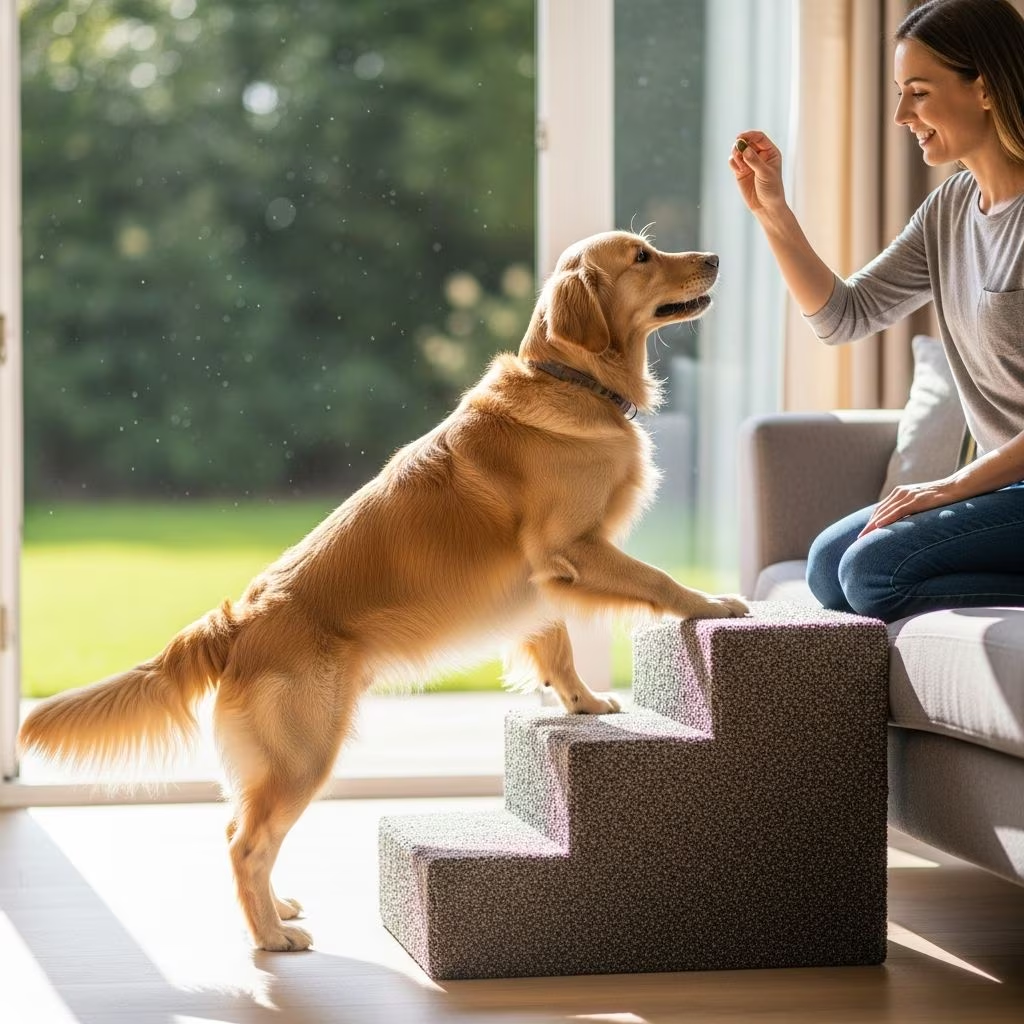
How to Train Your Dog to Use Dog Steps: Complete Training Guide
Teaching your dog to use pet stairs is an invaluable skill that can improve their quality of life, especially as they age or if they’re a small breed prone to joint issues. Dog steps provide a safe, comfortable way for your furry friend to access furniture without straining their back or joints. Whether you have a young puppy, a senior dog, or a small breed that struggles to jump on the couch, this comprehensive guide will walk you through the process of training your dog to navigate pet stairs with confidence.
The good news is that most dogs can learn this skill relatively quickly with patience and positive reinforcement. However, it’s important to remember that climbing stairs requires physical effort and can be taxing on your dog’s body, particularly for puppies and older dogs. This is why keeping training sessions short and manageable is essential for success.
Important Pre-Training Considerations
Before you begin training your dog to use pet stairs, there are several important factors to keep in mind. Climbing stairs and descending them repeatedly places significant stress on a dog’s body, especially puppies whose bones are still developing and senior dogs with arthritis or joint issues. For this reason, it’s crucial to limit your training sessions to no more than 5 minutes at a time to prevent fatigue and injury.
Most dogs learn to use pet stairs within just a few training sessions when training is approached correctly. However, puppies and dogs with anxiety may require additional time and patience. The key is to remain consistent, use high-value treats, and celebrate small victories along the way. Remember that every dog learns at their own pace, and some may need several sessions before they feel completely confident navigating the stairs independently.
Step 1: Gather Your Training Supplies
Before you start training, make sure you have all the necessary supplies assembled. Having everything ready will help you maintain focus on training rather than searching for items mid-session.
Essential supplies include:
- A set of pet stairs appropriate for your dog’s size and weight
- High-value training treats (small pieces work best)
- Couch cushions or pillows for safety padding
- Your patience and positive attitude
When selecting treats, choose ones that your dog absolutely loves. These should be tastier and more enticing than regular dog treats. Consider using small pieces of chicken, cheese, or specialized dog training treats that have a strong aroma. The stronger the smell and taste, the more motivated your dog will be to follow your luring techniques.
Step 2: Pick the Right Location for the Steps
The location where you place your pet stairs significantly impacts your dog’s motivation and success with training. Set the steps up next to a piece of furniture that your dog wants to access, such as your bed or couch. This creates a natural, straight pathway to the top, making the training feel more purposeful to your dog.
For maximum motivation, consider placing the steps next to a location your dog especially loves. If your dog’s favorite cuddle spot is on the couch, placing the stairs there will give them strong incentive to learn this new skill. Dogs are naturally motivated by destinations they want to reach, so use this to your advantage.
Safety first: Always place couch cushions or pillows on both sides of the pet stairs to provide a soft landing if your dog slips. This safety measure is particularly important during the learning phase when your dog might misstep or lose their footing. Once your dog becomes comfortable and adept at navigating the stairs, you can gradually remove these protective cushions. However, never remove the steps while your dog is still on the furniture, as they may attempt to jump or fall, resulting in injury.
Step 3: Place Treats on the Steps
Begin your training by strategically placing treats on the steps themselves. Cut your dog’s training treats into tiny pieces so they notice them easily. This step doesn’t need to be repeated every time once your dog understands the concept—it’s primarily for the initial introduction phase.
Scattering treats on the steps creates visual interest and encourages your dog to explore the stairs naturally. Step back and let your dog discover these treats on their own. Watch what they do next. This exploratory phase helps your dog become familiar with the stairs without pressure. When they step onto the stairs, immediately praise them enthusiastically and offer additional treats. This positive reinforcement teaches them that the stairs are a good place.
Step 4: Lure Your Dog Up Each Step
Once your dog has explored the steps and shown interest, it’s time to actively lure them up each step using treats. If your dog hesitates to touch the stairs, hold a high-value treat in your hand in front of your dog’s nose and slowly move it toward the tread of the step above them. The treat should act as a magnet, guiding their nose upward.
Maintain proper distance: Keep your hand close, no more than two inches away from your dog’s nose. If your dog doesn’t follow the treat closely, start over. Move the treat back to their nose and try luring them toward the stairs again.
If your dog continues to hesitate:
- Try a different treat: Switch to an extra-smelly, super-tasty, beyond-enticing treat that your dog absolutely cannot resist
- Let them explore: Scatter more treats on the steps and step away. Allow your dog to explore and discover treats at their own pace
Repeat this process step by step. Once your dog successfully reaches the first step, reward them enthusiastically with praise and treats. Then move on to the second step, then the third, and so on. Each successful step should be celebrated to build your dog’s confidence and enthusiasm for the task.
Step 5: Reward Your Dog for Reaching the Top
When your dog reaches the top of the pet stairs, make it a celebration. Provide abundant praise, petting, and a bonus treat. This moment is crucial for positive reinforcement. Your dog needs to understand that reaching the top is an excellent achievement worthy of celebration.
During this celebratory moment, have a fun hangout session with your dog at the top. Let them enjoy the destination they’ve worked so hard to reach. If the stairs were placed next to their favorite cuddle spot, allow them to settle there for a few moments. This reinforces the idea that using the stairs successfully leads to positive outcomes.
You may need to do several training sessions before your dog starts walking up and down the stairs on their own. Each session builds confidence and muscle memory. Be patient and remember that progress isn’t always linear. Some dogs advance quickly while others need more time, and both are completely normal.
Step 6: Teach Your Dog to Go Down the Stairs
Teaching your dog to descend the stairs is often more challenging than teaching them to go up. Going down stairs is awkward when your dog has four paws—imagine trying to walk down stairs on your hands and knees! This perspective helps explain why many dogs find descending more difficult and why additional patience is necessary for this phase.
To teach your dog to go down stairs, repeat steps 2 through 4 in reverse. Start with your dog already positioned on the furniture near the top of the stairs. Place dog treats on the stairs starting with the bottom-most step visible from the top. Use the same luring technique, guiding your dog’s nose toward each step as they descend.
Praise and treat your dog for each step they go down successfully. When they reach the bottom, have another fun hangout session to reward their effort and bravery. Training a dog to go down stairs sometimes takes significantly longer than training them to go up, so practice extra patience with your pup during this important step.
Pro Tips for Successful Training
For hesitant or anxious dogs: Take things extra-slow. Keep training sessions super-short—even just 30 seconds—and feed plenty of treats even if they don’t make much progress. Progress, no matter how small, should be celebrated.
For dogs afraid of the stairs: If your dog doesn’t want to get near the stairs, leave them in place for a few days. Most dogs adjust to new objects in their environment over time. Once your dog seems more comfortable, try the training again, remembering to take it slow and use high-value treats.
Generalizing the skill: Once your dog masters the pet stairs, you can use this exact process to teach your dog to climb any set of stairs, including the ones in your home that lead to different floors. Just remember that regular staircase surfaces can be slippery, so use caution when training your pup. Consider using rugs or stair grips to improve traction and safety.
Training Timeline and Expectations
| Training Phase | Duration | Expected Outcome |
|---|---|---|
| Exploration and treat discovery | 1-2 sessions | Dog shows interest in stairs |
| Luring up the stairs | 2-4 sessions | Dog climbs to top with guidance |
| Independent climbing | 3-5 sessions | Dog climbs stairs without luring |
| Learning to descend | 4-8 sessions | Dog climbs down with guidance |
| Independent descent | 5-10 sessions | Dog uses stairs in both directions independently |
Common Challenges and Solutions
Challenge: Dog ignores the treats
Solution: Your treats may not be enticing enough. Try using higher-value treats with stronger smells, such as freeze-dried meat, cheese, or special training treats designed to be irresistible. Ensure your dog hasn’t eaten recently, as a less hungry dog is less motivated by food rewards.
Challenge: Dog reaches the top but refuses to come down
Solution: Never force your dog down. Instead, let them stay up there for a few minutes before using treats to lure them down at their own pace. Coming down should feel like their choice, not a punishment. Some dogs may need to jump down initially, which is fine—just ensure you’ve padded the landing area well.
Challenge: Dog shows signs of fatigue or anxiety
Solution: Stop the training session immediately. Watch for signs like panting excessively, trembling, yawning, or looking away. These indicate your dog needs a break. Keep future sessions even shorter and consider consulting with a professional trainer if anxiety persists.
Frequently Asked Questions About Dog Stairs Training
Q: How long does it typically take to train a dog to use pet stairs?
A: Most dogs learn this skill in a few training sessions, typically within 1-2 weeks with daily 5-minute sessions. However, puppies and fearful dogs may require additional time. Consistency is more important than speed.
Q: Are dog stairs safe for senior dogs?
A: Yes, dog stairs can be excellent for senior dogs with joint issues or arthritis. They reduce jumping and provide a gentler way to access furniture. However, keep training and use sessions brief to avoid overexertion.
Q: Can puppies use dog stairs?
A: Yes, but keep training sessions very short—even 2-3 minutes is sufficient. Puppies’ bones are still developing, so minimize repetitive climbing. Focus on building positive associations rather than extensive use.
Q: What if my dog is afraid of the stairs?
A: Leave the stairs in place for a few days to allow adjustment. Use extremely high-value treats, keep sessions very short (30 seconds), and consider consulting a professional trainer if fear is severe.
Q: Can I use dog stairs on my home’s main staircases?
A: You can use the training techniques for regular stairs, but ensure surfaces are slip-resistant by adding rugs or stair grips. Never force a dog to use stairs they’re uncomfortable with.
Q: How often should my dog use the pet stairs?
A: While dogs can use pet stairs daily, avoid excessive repetition that could strain joints. They’re best used as needed to access furniture rather than for entertainment or continuous climbing.
References
- How to Train Your Dog to Use Pet Stairs — Chewy Education. 2025. https://www.chewy.com/education/dog/training-and-behavior/how-to-train-your-dog-to-use-dog-steps
- Your Essential Guide to Basic Dog Obedience Training — Chewy Education. 2025. https://www.chewy.com/education/dog/training-and-behavior/sit-stay-and-beyond-weve-got-the-essential-guide-to-basic-dog-obedience-training
- How to Leash Train a Dog: Step-by-Step Guide — Chewy Education. 2025. https://www.chewy.com/education/dog/training-and-behavior/leash-train-dog-2



