

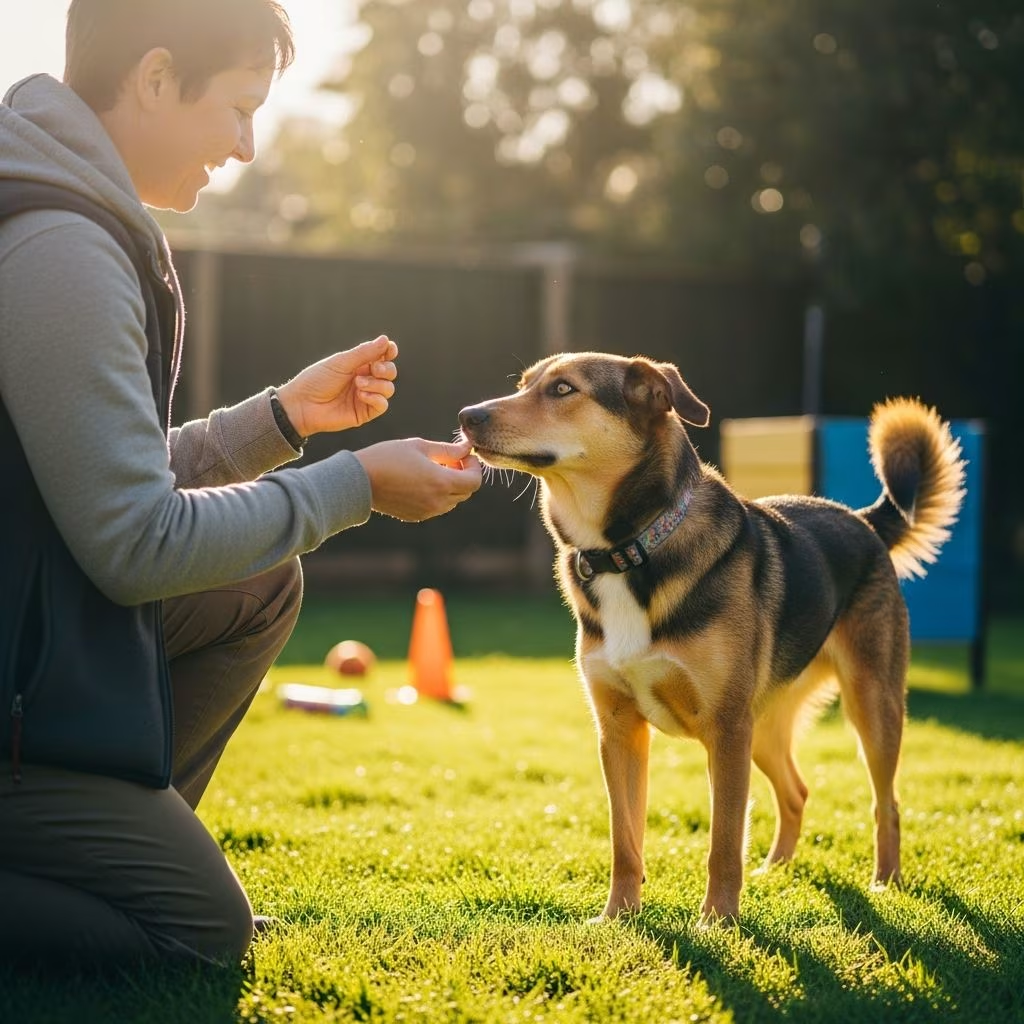
Bringing a rescue dog into your home is a rewarding experience that requires patience, consistency, and positive reinforcement to help them thrive. Rescue dogs often come with unknown histories, making training essential for building trust and integrating them into your family.
Focus on Building a Bond First
When you first bring home a rescue dog, prioritize forming a strong bond before diving into formal training. This foundational step helps your dog feel safe and secure in their new environment, allowing them to emerge from their shell at their own pace.
Start by spending quiet time together, offering gentle petting, play, and high-value treats without pressure. Avoid overwhelming them with new commands immediately; instead, let them explore their space while you observe their body language for signs of stress or comfort. Patience is crucial—rushing can set back progress. Moving slowly builds a secure attachment, which is vital for all future training success.
- Observe your dog’s signals: Tail wags indicate happiness, while tucked tails or avoidance suggest fear.
- Use calm, soothing voices to reassure them.
- Provide a quiet retreat area for decompression.
This bonding phase typically lasts days to weeks, depending on the dog’s background. Research from the American Kennel Club emphasizes that trust is the cornerstone of effective dog training, particularly for rescues adjusting to new homes.
Crate Training Your Rescue Dog
Crate training is one of the most beneficial skills for a new rescue dog, offering them a safe, den-like space while aiding in potty training and preventing destructive behaviors. Dogs instinctively avoid soiling their sleeping area, making the crate a powerful tool for housebreaking.
Introduce the crate positively: Place tasty treats, toys, and meals inside to create good associations. Start with short sessions, praising and rewarding calm behavior. Gradually increase time spent crated, always ensuring they have water and comfort.
Benefits include:
- A secure spot during your absence or bedtime.
- Assistance with potty training by leveraging natural instincts.
- Reduced anxiety through a predictable safe haven.
For adult rescues, who may have negative crate associations, proceed slowly. The Association of Professional Dog Trainers (APDT) recommends positive reinforcement methods, reporting higher success rates and lower stress levels in crated dogs. If resistance occurs, consult a professional to address underlying fears.
Potty Training Essentials
Potty training, or housebreaking, is a top priority for rescue dogs, many of whom may regress in new environments despite prior training. Treat it as a fresh start to establish consistency and build confidence.
Key steps:
- Frequent outings: Take them out every 1-2 hours, after meals, play, and naps.
- Supervise indoors: Use leashes or gates to prevent accidents; watch for sniffing or circling.
- Immediate rewards: Praise exuberantly and treat the moment they finish outside, pairing with a cue like “good potty!”.
Accidents happen—avoid punishment, as it erodes trust and can lead to hiding behaviors. The Humane Society notes that positive methods accelerate learning by 40-50% compared to aversive techniques[10]. Crate integration speeds results, with most dogs mastering it in 2-4 weeks.
Mastering Basic Cues
Once bonded, teach foundational commands using positive reinforcement. These build impulse control, safety, and communication.
Stay
The “stay” cue teaches impulse control, preventing dangerous dashes into traffic or doors. Start in low-distraction areas: Ask for a sit, say “stay,” take one step back, then return to reward. Gradually increase distance and duration.
This command enhances overall behavior by promoting self-control, crucial for protection and politeness around guests.
Sit
“Sit” is the easiest starter cue and foundation for others. Lure with a treat above their nose, moving it back until their bottom drops, then reward. Use for greetings to curb jumping.
It redirects attention, calms excitement, and sets up polite interactions. Practice 5-10 times daily for quick mastery.
Drop It
“Drop it” is potentially life-saving, ensuring release of hazardous items. Offer a trade: Show a better treat while saying “drop it,” rewarding compliance.
Practice with toys first, avoiding force. The AKC highlights its role in preventing ingestions, common in curious rescues.
Establish a Firm Routine and Boundaries
Dogs flourish with predictable routines mirroring human needs for structure. Set feeding, walk, play, and rest schedules to reduce anxiety.
Boundaries prevent issues proactively:
- Teach door thresholds: Wait for a release cue before crossing.
- Off-limits furniture: Reward floor staying or invited access.
- Use positive reinforcement to shape desired actions first.
This approach fosters security. Studies from the Journal of Veterinary Behavior show routine-bound dogs exhibit 30% fewer stress behaviors[11].
Consider an Obedience Class
Positive-reinforcement classes benefit both dog and owner, scaffolding skills progressively. Weekly sessions build behaviors while teaching handling techniques.
Advantages:
- Professional guidance on rewards and fading treats.
- Socialization in controlled settings.
- Stronger bonds through shared fun experiences.
Classes help rescues practice around distractions. The APDT reports 85% improvement in obedience post-class. Search for force-free certified trainers.
Common Challenges and Solutions
Rescue dogs may face reactivity or fears. Use counter-conditioning with high-value rewards near triggers at safe distances. For severe cases, consult veterinary behaviorists.
| Challenge | Solution | Timeline |
|---|---|---|
| Fear of crate | Gradual treats/meals inside | 1-2 weeks |
| Accidents | Supervise + frequent outs | 2-4 weeks |
| Reactivity | Distance training + rewards | Ongoing |
Frequently Asked Questions (FAQs)
Q: How long does it take to train a rescue dog?
A: Basics like sit and crate can take 2-6 weeks with daily practice; full integration varies by history.
Q: What if my rescue dog regresses in potty training?
A: New homes cause setbacks—reset with supervision and rewards, avoiding punishment.
Q: Are treats always needed for training?
A: Fade them gradually, transitioning to praise/love; classes teach this effectively.
Q: Can older rescues learn new tricks?
A: Yes, with patience—adult brains are capable; positive methods work best.
Bottom Line
Training a rescue dog is achievable with patience, routines, and positivity. From bonding to cues like stay, sit, and drop it, plus crate/potty skills, you’ll create a confident companion. Obedience classes amplify success—your rescue will thank you with loyalty.
References
- How to Train a Rescue Dog—Guidelines to Follow — Kinship. 2023. https://www.kinship.com/dog-behavior/rescue-dog-training
- Rescue Dog House Training: A Common Behavioral Issue — Adopt-A-Pet. 2024-05-15. https://lb-1.net.adoptapet.com/blog/behavior-training/rescue-dog-house-training
- What is a Stooge Dog? — Kinship UK. 2023. https://www.kinship.com/uk/dog-behaviour/what-is-a-stooge-dog
- Dog Training Principles — American Kennel Club (akc.org). 2025-01-10. https://www.akc.org/expert-advice/training/puppy-training-timeline-teaching-good-behavior/
- Positive Reinforcement in Dog Training — Association of Professional Dog Trainers (apdt.com). 2024. https://apdt.com/resource-center/positive-reinforcement/
- House Training Your Adult Dog — The Humane Society (humanesociety.org). 2024-08-20. https://www.humanesociety.org/resources/house-training-your-dog



