

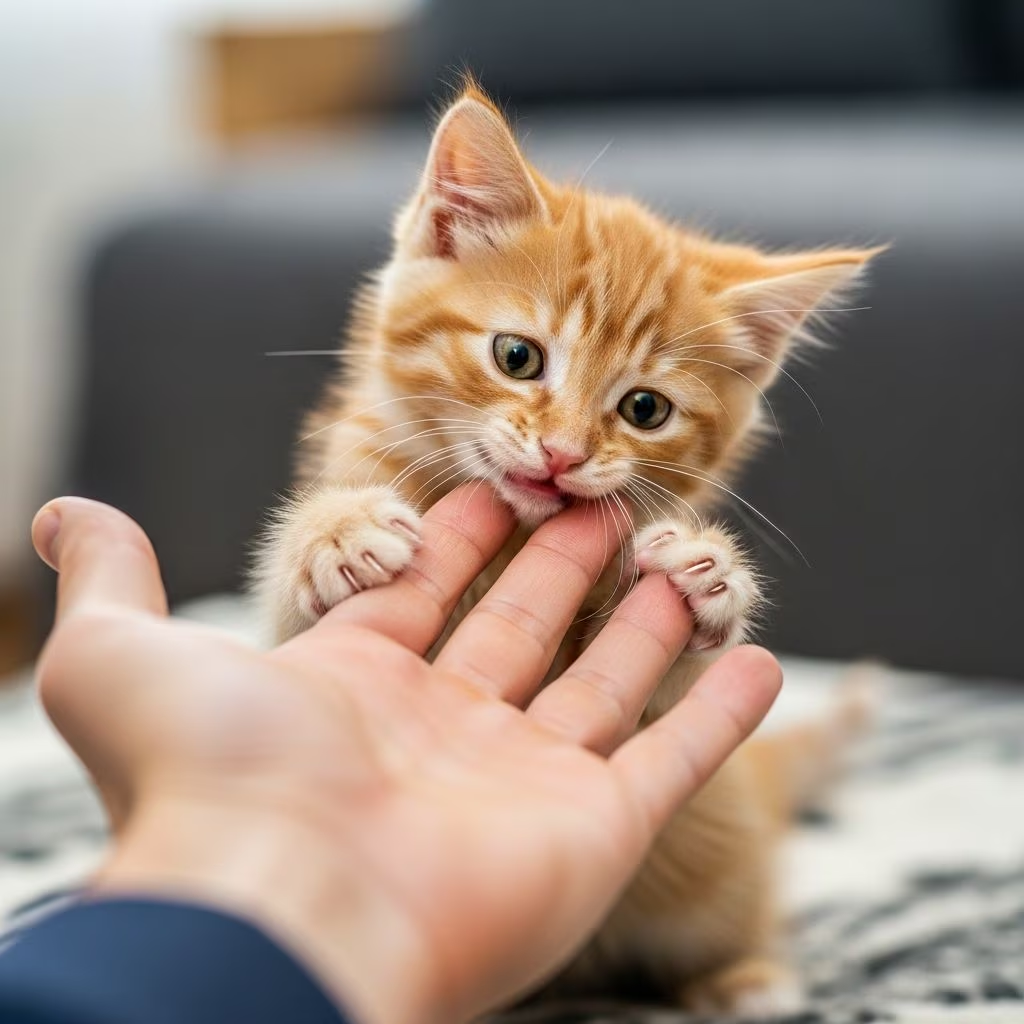
Kitten biting is a common behavior rooted in natural instincts like hunting practice and teething, but it can be effectively managed with consistent training. By understanding why kittens bite and applying positive reinforcement techniques, you can teach them gentle play and prevent unwanted habits from developing into adulthood.
Why Do Kittens Bite?
Kittens bite for several reasons, primarily to hone their predatory skills, explore their environment, or relieve teething discomfort. During play, they instinctively stalk, chase, pounce, and bite moving objects, mimicking how they would hunt prey in the wild. This behavior is biologically wired and most intense between 8 weeks and 6 months, when kittens are teething and full of energy.
Other triggers include overstimulation from petting, hunger, fear, or lack of socialization. For instance, if a kitten wasn’t separated from its litter too early, it may not have learned bite inhibition from siblings, who naturally yelp and stop playing when bitten too hard. Recognizing these causes is the first step: observe your kitten’s body language, such as dilated pupils or twitching tail, to intervene before biting occurs.
Understanding Normal vs. Problematic Biting
Not all biting is problematic; gentle mouthing during play helps kittens develop motor skills and jaw strength. Problematic biting, however, involves hard nips that break skin or persist outside playtime, often signaling excess energy or poor boundaries. Kittens typically outgrow intense biting around 6 months post-teething, but early training ensures it doesn’t become a habit.
- Normal biting: Soft mouthing on toys, short duration, relaxed body.
- Problematic biting: Hard bites on hands/feet, aggressive posture, frequent occurrences.
Differentiating these helps tailor your response: encourage toy play for normal instincts while firmly redirecting unwanted aggression.
Immediate Steps to Stop Biting
When your kitten bites, respond instantly to teach consequences without punishment, as physical corrections can foster fear-based aggression. Say “Ouch!” sharply to mimic a littermate’s yelp, then withdraw attention by walking away for 30-60 seconds. This timeout shows biting ends fun, reinforcing gentle behavior through consistency across all household members.
Avoid roughhousing with hands; never use fingers as toys, as this confuses boundaries. If bitten, gently remove yourself rather than yanking away, which can trigger chase instincts.
Redirecting Biting to Appropriate Toys
Redirection is key: offer safe alternatives to satisfy biting urges. Keep chew toys, wand toys, and plush mice handy; when biting starts, toss or dangle a toy nearby. Toys mimicking prey—like feather wands or crinkle balls—channel natural hunting drives effectively.
- Chew toys: Durable rubber teethers for teething relief.
- Wand toys: Interactive for stalking and pouncing.
- Plush toys: For bunny-kicking practice.
- Tunnels and balls: Self-play options to burn energy.
Rotate toys weekly to maintain interest and prevent boredom-induced biting.
Positive Reinforcement Training
Reward desired behaviors to shape habits positively. During play, praise and treat when your kitten engages toys instead of you; end sessions with a meal to simulate a successful hunt. Clicker training works well: click for gentle play, follow with treats.
Consistency builds trust; ignore bad behavior and amplify good ones. Over time, kittens associate toys with rewards, reducing human-directed bites.
Daily Play Sessions and Exercise
Kittens need 15-30 minutes of interactive play 2-3 times daily to expend energy and practice skills appropriately. Schedule before meals: use wand toys to mimic erratic prey movement, allowing catches and “kills.” This tires them mentally and physically, curbing evening zoomies and bites.
Sample Daily Play Routine:
| Time | Activity | Duration |
|---|---|---|
| Morning | Wand toy chase | 15 min |
| Afternoon | Self-toys (tunnel/balls) | 10 min |
| Evening | Laser or feather play + treat | 15 min |
Enrichment like food puzzles adds mental stimulation, further reducing frustration biting.
Socialization and Bite Inhibition
Early socialization teaches bite limits. Arrange supervised playdates with vaccinated kittens; they naturally enforce gentle play by withdrawing when bitten hard. Expose your kitten gradually to new people, sounds, and pets, rewarding calm responses with treats.
Start handling from 8 weeks: gentle petting sessions ending before overstimulation, watching for ear flattening or tail thrashing.
Setting Clear Boundaries and House Rules
Unified rules prevent confusion: all family members must redirect bites identically. Designate no-bite zones like furniture; use baby gates if needed during training. Patience is crucial—progress takes weeks, but persistence yields a gentle adult cat.
Common Mistakes to Avoid
Steer clear of yelling, hitting, or spraying water, as these increase stress and aggression. Don’t encourage hand play, even briefly, and avoid free-feeding, which skips play-hunt-eat cycles. Overstimulation petting without breaks also provokes bites.
- No physical punishment: Causes fear.
- No hand-as-toy: Blurs lines.
- No inconsistency: Undermines training.
Teething and When Biting Peaks
Teething (3-6 months) intensifies biting; provide cool, wet washcloths or teethers. Peaks align with growth spurts; combine with extra play to ease discomfort.
Professional Help: When to Seek a Vet or Behaviorist
If biting persists post-6 months, involves aggression (hissing, swatting), or follows illness, consult a vet to rule out pain or health issues. Certified behaviorists offer tailored plans for stubborn cases.
Frequently Asked Questions (FAQs)
Why is my kitten biting me so much?
Kittens bite to practice hunting, teethe, or release energy. Increase play and redirect to toys.
How long does kitten biting last?
Most outgrow it by 6 months with training, though habits may linger without intervention.
Is it okay to let my kitten bite toys?
Yes, it’s essential for natural behaviors. Reward toy engagement.
What if redirection doesn’t work?
Ensure consistency, ample play, and check for overstimulation. Try timeouts.
Can older kittens be trained not to bite?
Yes, positive methods work at any age, though early intervention is ideal.
Long-Term Benefits of Training
Trained kittens grow into affectionate adults, strengthening bonds and preventing scratches or relinquishment. Invest time now for a lifetime of gentle interactions.
References
- How to Stop Kittens from Biting — Brown Veterinary Hospital. 2023-05-15. https://brownvethospital.com/blog/how-to-stop-kittens-from-biting/
- How to Get Kittens Not to Bite You — Kitten Lady. 2022-11-10. http://www.kittenlady.org/biting
- How to Stop Kitten Biting — Purina US. 2024-08-20. https://www.purina.com/articles/cat/kitten/behavior/how-to-stop-kitten-biting
- How to Stop Your Kitten from Biting: Expert Guide — Pawlicy Advisor. 2024-03-12. https://www.pawlicy.com/blog/how-to-stop-a-kitten-from-biting/
- Teach Your Kitten How to Stop Biting — Humane World. 2023-07-01. https://www.humaneworld.org/en/resources/teach-your-kitten-how-stop-biting



