

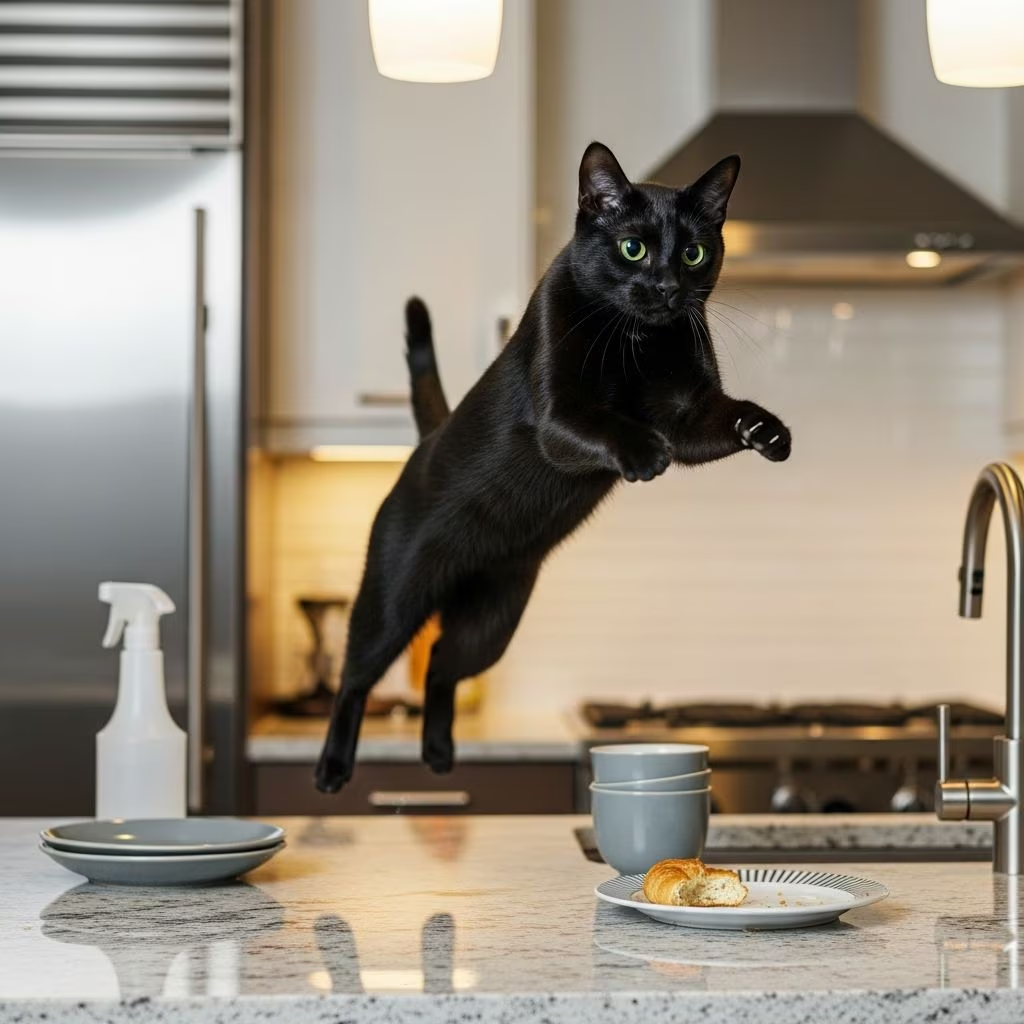
Training cats to stay off counters requires determination, positive reinforcement, and understanding your cat’s natural instincts. By making counters less appealing and providing attractive alternatives, you can redirect their behavior and maintain a hygienic kitchen.
Why Do Cats Jump on Counters?
Cats are naturally curious creatures driven by a fear of missing out (FOMO). Counters represent elevated vantage points ideal for surveying their territory, especially during meal preparation when intriguing sights, sounds, and potential food rewards appear. This behavior stems from their evolutionary instincts as hunters who perch high to observe prey or threats.
Beyond curiosity, counters offer warmth from appliances, smooth textures for lounging, and occasional treats that reinforce the habit. Understanding these motivations is key to effective training—cats aren’t being defiant; they’re fulfilling innate needs for security, stimulation, and resources.
The Power of Positive Reinforcement
Positive reinforcement is the cornerstone of cat training. Reward behaviors you want to see more of with treats, praise, petting, or toys—whatever motivates your cat. This creates a barter system where cats repeat actions leading to rewards.
Avoid punishing unwanted actions, as it causes stress, fear, or pain, worsening behavior and damaging your bond. Instead, ignore counter-jumping and reward alternatives enthusiastically. Cats are highly trainable like dogs, but they prioritize self-reward over people-pleasing.
Common Training Mistakes to Avoid
Reinforcing the wrong thing undermines progress. For instance, scolding or rewarding a cat for jumping down from the counter inadvertently celebrates the initial jump. Family inconsistency also confuses cats—one person allowing access while another reprimands sends mixed signals, increasing stress.
- Don’t reward descent from counters—focus on alternative perches.
- Ensure all household members follow the same rules.
- Avoid physical punishment; it overrides no instincts and creates new issues.
Step-by-Step Training Guide
Follow these steps for success:
- Provide Appealing Alternatives: Install cat shelves, window perches, or cat trees near counters. These satisfy high-perch needs with better views and comfort.
- Make Counters Unappealing: Use double-sided tape, aluminum foil, or motion-activated air puffers temporarily. Clean thoroughly to remove food scents.
- Catch and Reward Good Behavior: When your cat uses the perch, immediately offer treats or play. Use a clicker for precise timing—click marks the exact moment of desired action.
- Interrupt Neutrally: If caught on the counter, gently guide off without reward or fuss. Redirect to the perch and reward there.
- Be Consistent and Patient: Train daily in short sessions. Results take weeks; persistence pays off.
Clicker Training for Counter Surfing
Clicker training excels for counter avoidance. Charge the clicker by pairing it with treats until the sound predicts rewards. Teach targeting: hold a target stick (e.g., chopstick) to lure your cat to the approved perch, clicking and treating each interaction.
Progress to verbal cues like “perch” or “off.” Observational learning means training one cat often leads others to mimic via copycat behavior. This method builds mental enrichment and strengthens your bond.
Advanced Techniques: Target Training
Target training controls access precisely. Teach your cat to touch a target (balloon or stick) on the perch for rewards, then fade the target. During meal prep, cue the target to occupy them away from counters.
For multi-cat homes, train collectively—sideline observers learn by watching, accelerating household adoption.
Addressing Underlying Needs
Counter surfing meets needs like hunger, boredom, or territory marking. Ensure ample play, puzzle feeders, and vertical space. Neutered/spayed cats may surf less due to reduced roaming instincts.
| Need | Solution |
|---|---|
| Elevation/Territory | Cat shelves, towers |
| Food Rewards | Scheduled meals, no counter scraps |
| Stimulation | Interactive toys, clicker sessions |
| Social Attention | Daily play, perch rewards |
Tips for Multi-Cat Households
Consistency across family and cats prevents confusion. Designate one trainee first; others copy. Use group sessions for efficiency, rewarding each participant’s good choices.
Long-Term Maintenance
Once trained, phase out constant rewards to variable schedules for lasting habits. Monitor for regressions due to changes like new pets or illness, reinforcing as needed.
Frequently Asked Questions (FAQs)
Can all cats be trained off counters?
Yes, with patience and positive methods. Kittens train fastest, but adults respond well if motivated.
How long does training take?
Typically 2-6 weeks with daily practice. Consistency speeds results.
What if my cat ignores alternatives?
Enhance appeal with catnip, warmth (heating pads), or prime views. Combine with clicker training.
Is punishment ever okay?
No— it damages trust and escalates issues. Positive reinforcement works better.
Why does my cat counter surf at night?
Increased hunger or boredom. Provide timed feeders and nighttime play.
References
- How Do You Train a Cat to Stay Off Counters? — Kinship. 2023. https://www.kinship.com/cat-behavior/how-to-train-a-cat-to-stay-off-counters
- How to Discipline a Cat: Why You Actually Shouldn’t — Kinship. 2023. https://www.kinship.com/cat-behavior/how-to-discipline-a-cat
- Train your cats to stay off countertops through rewards-based training — Chirpy Cats. 2023. https://www.chirpycats.com/clicker-train-cats-off-countertops/
- How to Train Your Cat: Tips and Cues for Kittens — Kinship. 2023. https://www.kinship.com/cat-behavior/how-to-train-your-cat
- Counter-Surfing Cats: Is Your Kitty a Professional? — Feline Behavior Solutions. 2023. https://felinebehaviorsolutions.com/counter-surfing-cats/
- Cat Training: Be Consistent — Cat Behavior Associates. 2023. https://catbehaviorassociates.com/be-consistent-when-training/



