

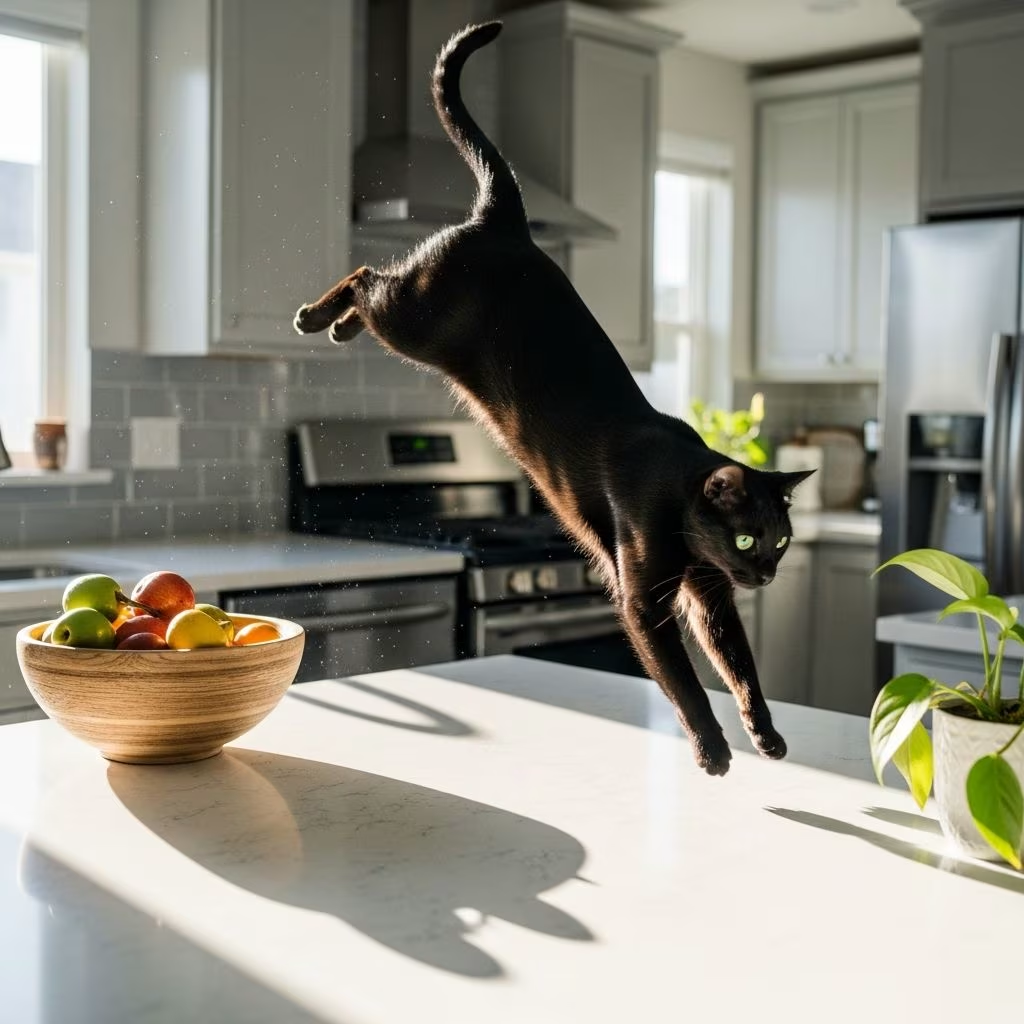
Cats naturally gravitate toward kitchen counters due to their elevated position, potential food scents, and high-activity environment. Training them to stay off requires understanding their instincts and using positive, humane methods like removing temptations, providing alternatives, and rewarding desired behaviors.
Why Do Cats Jump on Kitchen Counters?
Cats view counters as prime real estate for several instinctual reasons. Their love for heights stems from wild ancestors who sought elevated spots for safety and observation. A cat’s flexible spine and shock-absorbing discs allow safe landings from heights, making counters an easy target.
- Height Advantage: Counters offer a vantage point to survey the room, mimicking tree perches in nature.
- Food Temptation: Lingering smells from meals, crumbs, or sink dishes draw cats seeking snacks. Cats’ keen sense of smell makes even traces irresistible.
- Running Water Appeal: Many cats are fascinated by faucets, jumping up for a drink or play.
- Social Hub: Kitchens buzz with family activity during meals, piquing curiosity.
- Attention-Seeking: If ignored elsewhere, counters guarantee interaction.
Recognizing these motivations is key to effective training, as punishment ignores root causes and can increase stress.
How to Train Your Cat to Stay Off the Counter
Successful training combines deterrence, redirection, and reinforcement. Consistency from all household members is crucial for results within weeks.
1. Eliminate Temptation
Start by making counters unappealing. Cats won’t jump if there’s no reward.
- Wipe counters immediately after use; rinse dishes promptly to erase food scents.
- Store food in sealed cabinets, avoiding plastic bags cats can tear into, risking ingestion or suffocation.
- Confine cats during meals if needed, gradually increasing freedom as habits form.
Clean sinks to deter water-seekers. This step alone reduces jumping by 50-70% in many cases, per trainer observations.
2. Make the Counter Unappealing (Safely)
Use non-harmful deterrents to discourage stepping without causing fear or pain.
| Method | How to Use | Pros | Cons |
|---|---|---|---|
| Crinkled Aluminum Foil | Place sheets on favorite spots. | Cheap, noisy texture cats dislike. | Needs frequent replacement. |
| Double-Sided Pet Tape | On cardboard placed strategically. | Sticky feel repels without residue. | Cat-specific; monitor acceptance. |
| Motion-Activated Deterrents | Devices emitting soft hiss or air puff. | Automated, consistent. | May startle sensitive cats. |
Avoid painful options like shock mats or spikes, as they create fear and erode trust.
3. Provide Acceptable Alternatives
Meet cats’ needs elsewhere to redirect naturally.
- Cat Trees/Shelves: Install near kitchen for height and views. Sturdy models with platforms mimic counters.
- Window Perches: Offer bird-watching entertainment.
- Faucet Alternatives: Cat fountains provide running water satisfaction.
- Play Zones: Interactive toys or tunnels in high-traffic areas.
Position alternatives visibly; cats choose rewarding spots over risky ones.
4. Neutral Removal and Redirection
When caught, respond calmly to avoid reinforcing attention-seeking.
- Pick up gently without eye contact or words; place on floor.
- Wait 60 seconds.
- Redirect to alternative with toy/treat and praise.
This teaches: counter = boring floor; perch = rewards.
5. Positive Reinforcement and Clicker Training
Reward good choices to build habits.
- Praise/treat immediately when using alternatives.
- Clicker Method: Charge clicker with treats over days. Use target stick to guide from counter to perch, clicking successes.
Sessions: 5-10 minutes daily. Consistency yields preference for perches in 2-4 weeks.
What Won’t Work to Keep Cats Off Counters
Aversive methods fail long-term and harm bonds.
- Punishment (Yelling/Spraying): Increases stress, doesn’t address instincts; cats associate you negatively.
- Scare Devices (Mats/Spikes): Cause fear, potential injury; suppress temporarily.
- Inconsistency: Mixed signals confuse cats.
Positive training outperforms by 80% in behavior studies, fostering trust.
Additional Tips for Success
- Kittens: Easier; start early with habits.
- Multi-Cat Homes: Train individually; provide perches for all.
- Enrichment: Daily play (15-20 mins) reduces boredom-jumping.
- Patience: Progress varies; track with journal.
Frequently Asked Questions (FAQs)
Can all cats be trained off counters?
Yes, with consistency. Most succeed in 2-6 weeks using positive methods.
What if my cat ignores deterrents?
Combine with alternatives and rewards; remove all temptations first.
Is clicker training hard?
No, simple for dedicated owners. Start with stick-following basics.
Why does my cat return at night?
Boredom or habit; add night perches and play before bed.
Safe for kittens?
Absolutely; gentle methods build lifelong habits.
Implementing these strategies creates a harmonious home: clean counters for you, fulfilling outlets for your cat. Persistence pays off in a stress-free kitchen.
References
- Training Your Cat to Stay Off Your Counters — Zoetis Petcare. 2023. https://www.zoetispetcare.com/blog/article/training-cat-stay-off-counters
- Cat Training: How to Keep Cats Off Counters — Purina US. 2024. https://www.purina.com/articles/cat/behavior/training/how-to-keep-cats-off-counters
- How to keep your Cat OFF of the Counter – Super Effective Tips! — Animal Humane Society (via YouTube transcript). 2024-11-19. https://www.youtube.com/watch?v=vVAtdbT1B1A
- Keeping your cat off the counter — Animal Humane Society. 2023. https://www.animalhumanesociety.org/resource/keeping-your-cat-counter



