

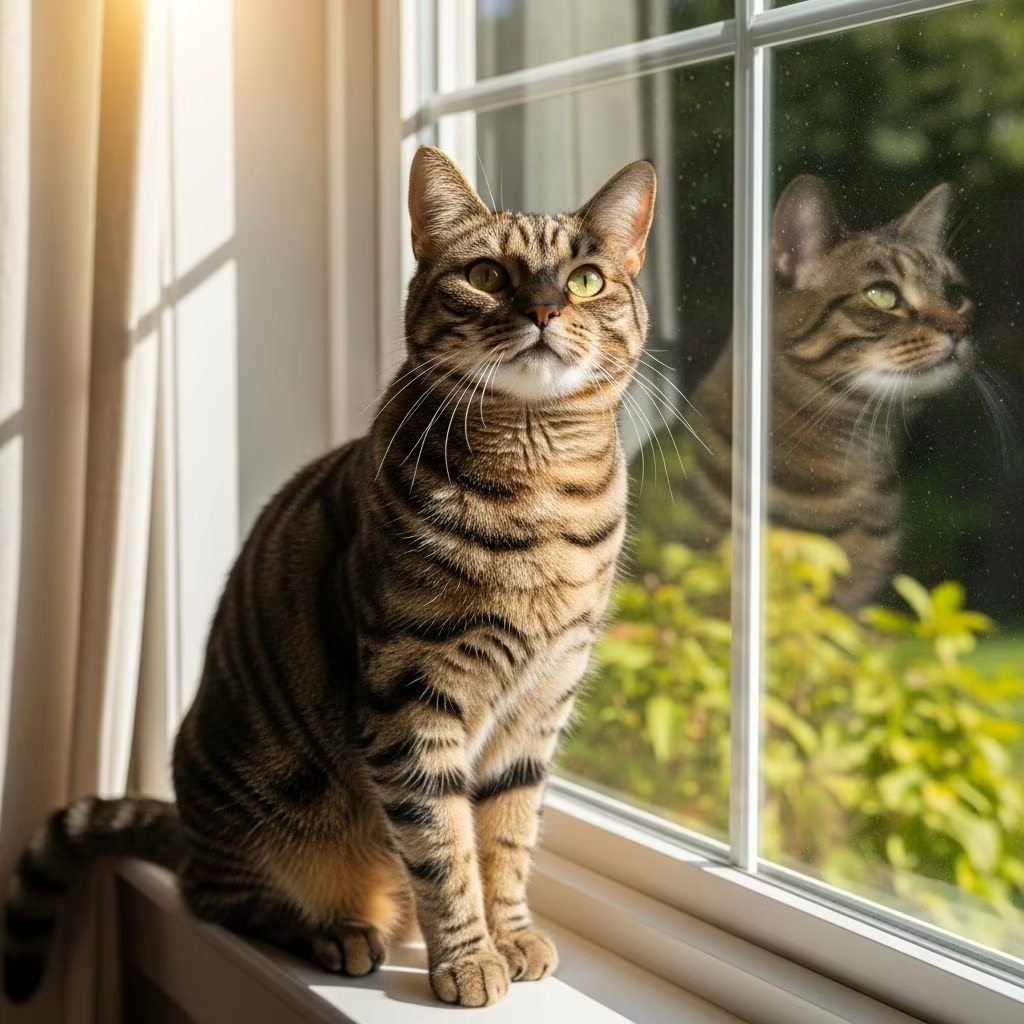
Transitioning an outdoor cat to indoor living protects them from dangers like traffic, predators, and diseases while extending their lifespan. Indoor cats live longer, healthier lives, avoiding risks such as fights, poisoning, or getting lost. However, this change requires patience and strategy to minimize stress for your feline friend. This guide outlines **7 vet-approved tips** to make the shift smooth and successful, drawing from expert recommendations on gradual adaptation, environmental enrichment, and safe alternatives.
Why Keep Cats Indoors?
Outdoor cats face significant hazards. Studies show they have a median lifespan of just 2-5 years compared to 12-15 years for indoor cats, due to injuries, infections, and parasites. Keeping cats indoors also protects local wildlife, as cats kill billions of birds annually. Vets strongly recommend indoor living, supplemented by safe outdoor access like catios if needed. The transition benefits both cat health and ecosystem balance.
The 7 Tips to Train a Cat to Stay Indoors
1. Make the Transition Gradually
The key to success is **slow acclimation** to prevent anxiety. Start by confining your cat indoors at night, the riskiest time for outdoor roaming. Gradually extend indoor time: bring them in for meals, play sessions, or bad weather. For instance, keep them inside for 1-2 hours daily, then increase to half-days, and finally full-time over weeks or months.
Expect resistance—scratching doors, meowing, or bolting attempts are common. Remain consistent; most cats adapt within 2-4 weeks. Feed meals indoors to associate inside with positives, and provide play to burn energy. This method reduces stress hormones and builds positive routines.
2. Introduce Indoor Accessories Before the Transition
Familiarity breeds comfort. If your cat lacks experience with litter boxes, scratching posts, or beds, introduce them outdoors first. Place a litter box in a quiet outdoor spot, enticing use with treats or catnip. Allow sniffing and rubbing on scratching posts or beds while still outside.
Cardboard scratchers are ideal for their texture and disposability. Automatic feeders ensure meals during longer indoor stints. Once inside, these scents signal safety, easing adjustment. Vets note pre-training cuts litter avoidance by 70% in transitions.
3. Use the Weather to Your Advantage
Cats crave warmth. In colder climates, leverage chilly days to lure them inside with cozy beds, heated pads, or sunny windowsills. Offer warm meals or laps during storms or freezes. As they seek shelter indoors, extend stay times naturally.
By spring, many cats prefer the controlled indoor climate. This passive method works best in temperate zones, combining instinct with comfort for low-stress training.
4. Distract Them From the Door
Door-dashing is a common challenge. Counter it with **positive distractions**: keep treats or toys by the exit. When opening doors, toss a treat away from it or use a toy to redirect attention. Clap hands gently or use a clicker for focus without fear.
Avoid punishment like yelling or swatting, which erodes trust and heightens escape drives. Train household members to exit quickly and reward calm behavior. Over time, cats learn doors lead to fun inside, not freedom out.
5. Make the Indoors Exciting
Combat boredom, the top reason for escape attempts. Replicate outdoor stimulation with:
- Interactive toys: Wand toys, laser pointers, and puzzle feeders mimic hunting.
- Vertical space: Cat trees, wall shelves, and towers for climbing and perching.
- Window views: Bird feeders outside windows for ‘wildlife TV’.
- Rotation: Swap toys weekly to maintain novelty.
Daily 15-30 minute play sessions tire them out. Puzzle feeders dispense food slowly, extending meals and mental work. These enrichments match outdoor exploration, reducing restlessness.
6. Provide Safe Outdoor Access
Full denial can frustrate some cats. Offer controlled alternatives:
- Leash training: Acclimate to harness indoors with treats, then short outdoor walks. Progress slowly over weeks.
- Catio or enclosure: Build or buy screened patios for safe fresh air and views.
- Fencing: Cat-proof yards with tall, gap-free barriers or rollers.
Monitor reactions; limited access may heighten wanderlust in some, requiring full indoor commitment. These options balance enrichment and safety.
7. Monitor Health and Behavior
Watch for stress signs: excessive grooming, hiding, or appetite loss. Consult a vet for anxiety aids like Feliway diffusers or pheromone collars. Regular check-ups ensure parasite-free status post-transition. Indoor diets may need adjustment for lower activity—opt for high-protein, low-carb formulas.
Enrich with cat grass or herbs to replace nibbling plants or prey. Consistency from all household members reinforces rules.
Common Challenges and Solutions
| Challenge | Solution |
|---|---|
| Door dashing | Treat redirection, quick closes |
| Litter refusal | Pre-training, multiple boxes |
| Boredom/meowing | Enrichment, scheduled play |
| Scratching furniture | Posts, nail trims, deterrents |
Addressing these proactively prevents setbacks.
Frequently Asked Questions (FAQs)
What if my cat won’t use the litter box indoors?
Introduce it gradually outdoors first, use unscented clumping litter, and place in quiet spots. Add boxes if multi-cat home. Rule out medical issues with a vet.
How long does the transition take?
Typically 2-8 weeks, varying by cat personality and prior habits. Patience is essential.
Can I reverse to outdoor if allergies arise?
Avoid if possible; risks outweigh benefits. Try catios, hypoallergenic breeds, or allergy treatments first.
Is a catio worth building?
Yes, for stimulation without danger. DIY options start at $100; they boost happiness in 90% of users.
What toys best mimic outdoor hunting?
Wand toys, kickers, and treat-dispensing balls engage stalking instincts effectively.
Conclusion
Training a cat to stay indoors demands commitment but yields a safer, longer life. Follow these **7 vet-approved tips**—gradual shifts, familiar accessories, weather leverage, distractions, excitement, safe access, and monitoring—for success. Indoor living protects your cat and wildlife, creating a win-win. Consult your vet for tailored advice, and enjoy the bond of a secure home life.
References
- Keeping Cats Indoors – House Cat Tips — RSPCA. 2023-10-15. https://www.rspca.org.uk/adviceandwelfare/pets/cats/environment/indoors
- Training Your Cat To Stay Inside — Wisconsin Humane Society. 2024-05-20. https://www.wihumane.org/behavior/ask-the-experts/cat-behavior/training-your-cat-to-stay-inside
- Exercising Your Indoor Cat — Atlanta Humane Society. 2023-11-12. https://atlantahumane.org/blog/exercising-your-indoor-cat/
- Train Your Cat to Walk on a Leash: Outdoor Safety for Indoor Cats — Oh My Dog Blog. 2018-07-15. https://ohmydogblog.com/2018/07/train-your-cat-to-walk-on-a-leash/
- How to Train a Cat to Stay Indoors: 7 Vet-Approved Tips — Catster. 2025-01-10. https://www.catster.com/cat-health-care/how-to-train-a-cat-to-stay-indoors/



