

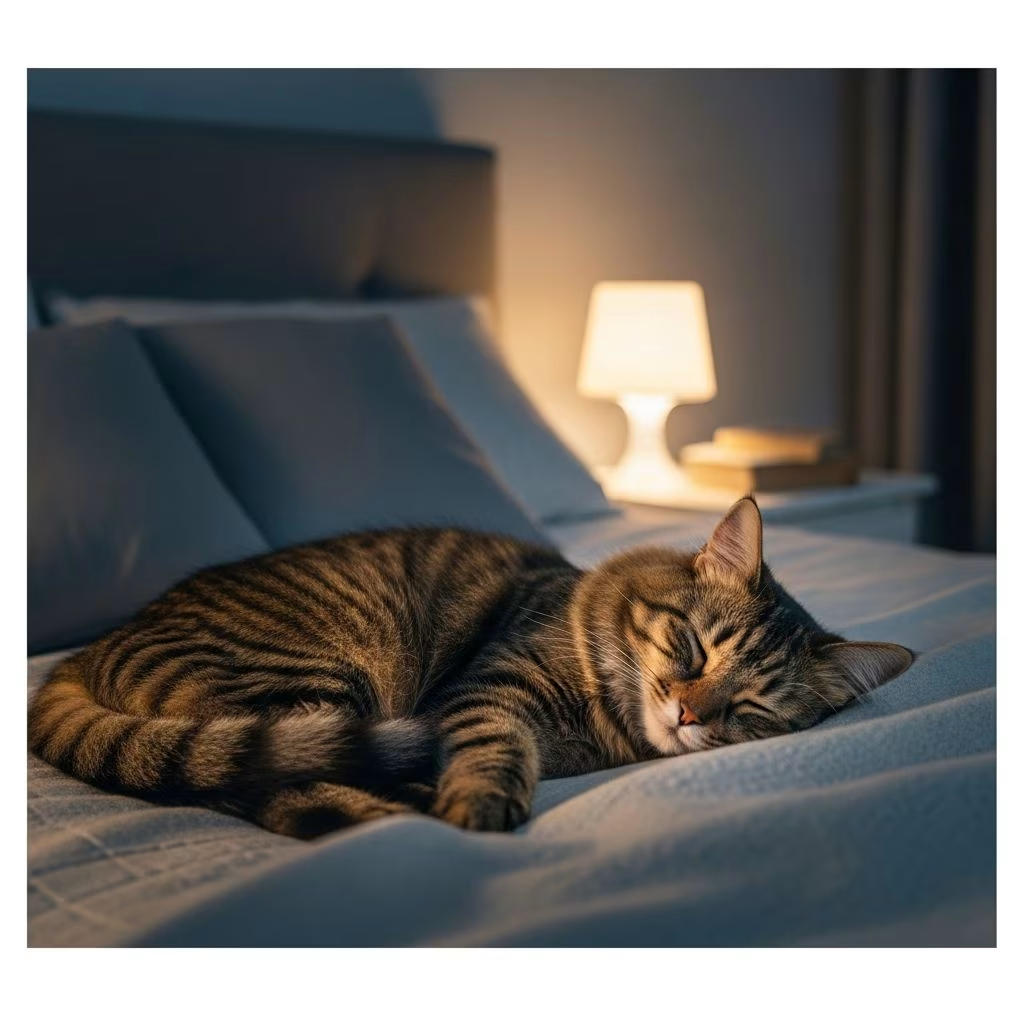
Cats are naturally crepuscular, meaning they are most active at dawn and dusk, which often conflicts with human sleep schedules. Training your cat to sleep at night involves syncing their energy peaks with your daytime routine through structured play, feeding, and ignoring unwanted behaviors. This guide covers all essential steps, from understanding feline biology to implementing lasting changes for peaceful nights.
Why Do Cats Stay Awake at Night?
Cats’ nocturnal tendencies stem from their evolutionary role as hunters, active primarily during twilight hours to hunt prey. Domestic cats retain this crepuscular nature, sleeping up to 16 hours a day but bursting with energy in evenings and early mornings. Boredom, irregular feeding, or reinforced behaviors—like getting fed or played with at night—exacerbate disturbances. Kittens and young cats are especially prone due to high energy, while seniors may need medical checks for issues like hyperthyroidism mimicking activity.
Indoor cats without stimulation nap excessively during the day, leading to nighttime zoomies. Shifting their schedule requires patience, as abrupt changes can stress them. Consistency is key; most cats adapt within 1-2 weeks with proper techniques.
Step 1: Establish a Consistent Feeding Schedule
Free-feeding leads to irregular energy and hunger-driven wake-ups. Switch to 3 scheduled meals daily, spaced 6-8 hours apart, to regulate hunger and activity. End with the last meal 1-2 hours before your bedtime, around 9:30 PM if you sleep at 11 PM. This mimics the natural ‘hunt, eat, sleep’ cycle.
- Breakfast: 7-8 AM after your wake-up routine, not immediately, to avoid associating your rising with food.
- Lunch: Midday, using puzzle feeders for mental stimulation.
- Dinner: Evening, post-play, to promote post-meal drowsiness.
Use automatic feeders for precision, dispensing small portions at set times, including a dawn meal to prevent early wake-ups. This breaks the cycle where cats learn meowing gets breakfast.
Step 2: Implement Evening Play Sessions to Tire Them Out
Play is crucial to drain energy reserves. Schedule 15-30 minute interactive sessions 1-1.5 hours before the last meal, using toys like feather wands, laser pointers, or fetch items to simulate hunting. Follow with eating, grooming, and sleep— the full ‘hunt, catch, kill, eat, groom, sleep’ sequence.
During the day, prevent long naps by waking your cat gently for play. Provide solo activities like puzzle toys, window perches for bird-watching, or TV with nature shows while you’re away. Evening exhaustion ensures they crash when you do.
| Time of Day | Activity Recommendation | Purpose |
|---|---|---|
| Morning | Wake and short play | Start day cycle |
| Afternoon | Puzzle feeders, window time | Prevent napping |
| Evening (pre-dinner) | 15-30 min hunt games | Energy depletion |
| Bedtime | Small meal, quiet | Induce sleep |
Step 3: Ignore Nighttime Meowing and Disturbances
The hardest step: completely ignore wake-up attempts. No petting, talking, feeding, or scolding—any attention reinforces the behavior. Cats persist if rewarded, even negatively. Stay in bed; use earplugs or white noise if needed. Consistency pays off as extinction bursts (increased meowing) fade within days.
For multi-cat homes, separate active cats into another room with litter, water, toys, and a bed. This protects your sleep while giving them space.
Step 4: Create a Cozy Bedtime Routine
Rituals signal wind-down. Offer bedtime treats after play, fostering positive associations. Provide a dedicated sleep spot: a quiet room or cat bed with familiar blankets, away from your bedroom if disturbances persist. Dim lights, calming music, or pheromone diffusers enhance relaxation.
Incorporate holistic aids like flower essences (e.g., Quiet Night blends) in water or on fur to soothe nerves, especially during adjustment. Avoid screens or bright lights near bedtime.
Additional Tips for Success
- Daytime Stimulation: Rotate toys, train tricks, or use harness walks for outdoor enrichment.
- Health Check: Rule out pain, arthritis, or thyroid issues in seniors via vet visit before training.
- Kitten Considerations: More frequent small meals and play; they mature into better sleepers.
- Multi-Pet Dynamics: Ensure all cats get individual attention to prevent jealousy-fueled nights.
Track progress in a journal: note wake-ups, energy levels, and adjustments. Full adaptation takes 1-4 weeks; revert if stress signs appear.
Common Mistakes to Avoid
Many owners unwittingly train cats for worse behavior:
- Responding to night cries with food/play.
- Inconsistent schedules on weekends.
- Insufficient play, leading to pent-up energy.
- Punishing, which increases stress without solving root causes.
Patience trumps frustration; positive reinforcement builds trust.
Frequently Asked Questions (FAQs)
Can all cats be trained to sleep through the night?
Most can with consistency, though kittens and seniors may need more time or medical evaluation. Breeds like Bengals remain energetic but adaptable.
How long does it take to see results?
Typically 1-2 weeks for schedule syncing, longer if habits are ingrained. Ignore extinction bursts.
What if my cat ignores the new routine?
Increase play intensity, check health, or isolate at night temporarily. Consult a behaviorist for persistent issues.
Is it okay to lock my cat out of the bedroom?
Yes, if provided a comfortable alternative space with essentials. Gradually reintegrate as behavior improves.
Do automatic feeders really help?
Absolutely—they prevent hunger wake-ups and enforce schedules, especially for early mornings.
Conclusion: Enjoy Restful Nights Together
Training your cat to sleep at night transforms chaotic evenings into serene ones. By aligning feeding, play, and ignoring tactics with their biology, you’ll foster a happy, rested pet and owner. Start today for better sleep tomorrow.
References
- Train Your Cat to Let You Sleep — Jackson Galaxy. 2023-05-15. https://www.jacksongalaxy.com/blogs/news/train-your-cat-to-let-you-sleep
- How To Get Your Cat to Sleep At Night — PetMD. 2024-08-20. https://www.petmd.com/cat/general-health/how-get-your-cat-sleep-night
- How to Train Your Cat to Let You Sleep — Winnebago County Animal Services. 2023-11-10. https://winnebagoanimals.org/how-to-get-some-sleep/
- How to Get a Cat to Sleep at Night — SparkleCat. 2024-02-14. https://www.sparklecat.com/special/how-to-get-a-cat-to-sleep-at-night
- Train Your Cat to Let You Sleep — Jackson Galaxy (YouTube). 2022-07-22. https://www.youtube.com/watch?v=umngBzK0j2Q



